Building a Foundation of Health, One Smile at a Time
The Mouth-Body Connection
Good oral health is far more than a bright smile. It is a critical component of your family's overall physical health. Research shows that a healthy mouth is linked to lower risks of serious conditions, including heart disease, stroke, and poorly managed diabetes. For pregnant women, maintaining good oral health can positively impact both maternal and infant well-being. The message is clear: caring for your family's teeth and gums is an investment in their whole-body health.
The Power of Prevention
Almost every common dental issue, from cavities and gum disease to tooth loss and oral cancer, is largely preventable. The key is a proactive approach, rather than a reactive one. By establishing consistent, daily habits and partnering with your dentist, families can avoid painful problems and costly emergency treatments. This preventive philosophy saves not only money but also time, worry, and discomfort, keeping everyone healthier and more productive at school and work.
Your Partner in Preventive Care
Think of your family dentist as a coach and a partner in your long-term health journey. A practice focused on family care provides more than just cleanings; it offers a comprehensive approach. This includes regular exams to catch issues early, professional advice tailored for each family member's age and needs, and a range of preventive services. It’s a collaborative effort where excellent home care is supported by expert professional guidance.
Tailored Tips for a Lifetime of Smiles
The following tips are designed to be the building blocks of a healthy routine. The beauty of these practices is their adaptability. Whether you are caring for a toddler's first tooth, helping a teen with braces, managing a health condition as an adult, or assisting an older family member, these principles form a flexible foundation for every stage of life.
Core Elements of Family Preventive Care
| Daily Habit | Primary Benefit | Key Consideration for Different Ages |
|---|---|---|
| Brushing with Fluoride Toothpaste | Removes plaque, strengthens enamel | Use a smear for toddlers; supervise until age 7-8; consider electric brushes for dexterity challenges. |
| Daily Flossing or Interdental Cleaning | Cleans between teeth to prevent gum disease | Use flossers for kids, water flossers for braces, and adaptive holders for arthritis. |
| Eating a Balanced Diet | Strengthens teeth and gums, reduces decay risk | Limit sugary snacks; offer crunchy fruits/veggies; include calcium-rich foods like cheese and yogurt. |
| Drinking Water, Especially Fluoridated | Washes away food, neutralizes acid, protects teeth | Crucial for combating dry mouth in older adults and those on certain medications. |
| Regular Dental Check-Ups & Cleanings | Early problem detection, tartar removal, oral cancer screening | First visit by age 1; every 6 months typically; more often for those with diabetes or gum disease risk. |
| Using Protective Gear | Prevents dental injuries during sports | Custom-fitted mouthguards offer the best protection for children and adults in contact sports. |
Oral Health Key Facts List
- The foundation of oral health is brushing for two minutes, twice daily with fluoride toothpaste and flossing once daily to remove plaque and prevent cavities and gum disease.
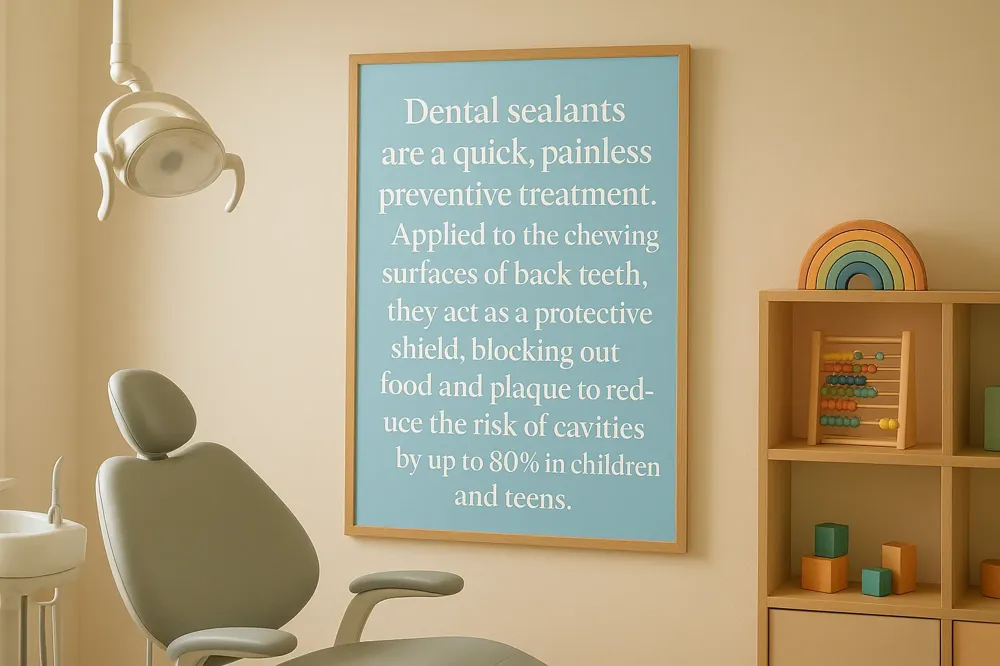
- Dental sealants applied to the chewing surfaces of back teeth (molars) can reduce cavity risk by up to 80% in children and teens by blocking out food and plaque.
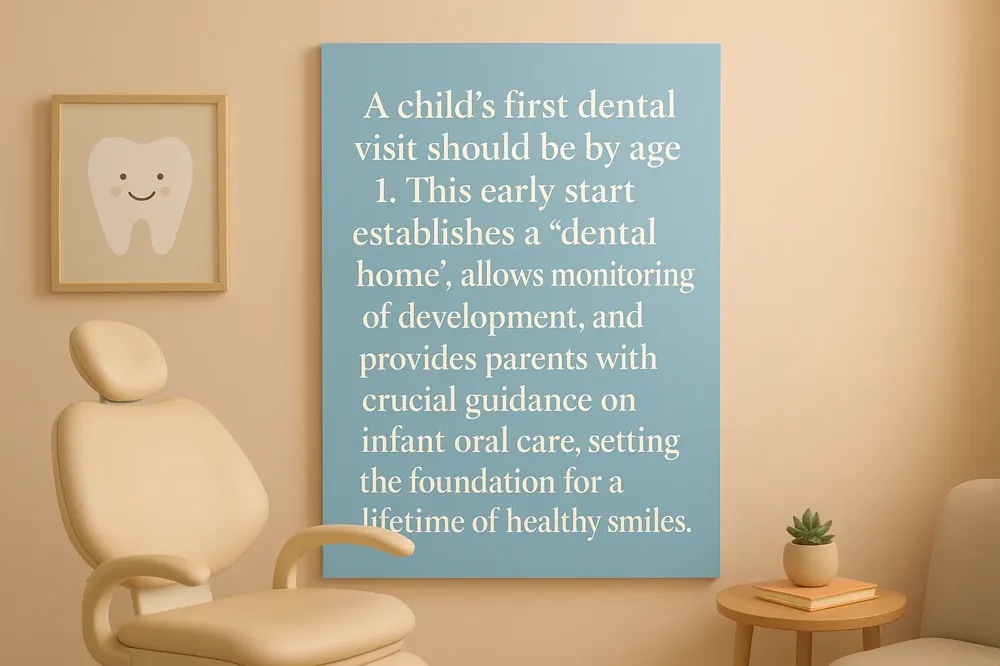
- A child's first dental visit should occur by age one or within six months of the first tooth erupting to establish a dental home and provide crucial parental guidance.
- Regular professional dental check-ups are essential to remove hardened plaque (tartar) and for early detection of cavities, gum disease, and oral cancer.
- Fluoridated water acts as a natural cleanser, promotes saliva flow, and provides constant low-level fluoride exposure to strengthen tooth enamel against decay.
- A tooth-friendly diet limits sugary/acidic foods, includes crunchy fruits/vegetables to clean teeth, and provides calcium and Vitamin C to strengthen enamel and gums.
- Tobacco use (cigarettes, smokeless) is a leading cause of gum disease and oral cancer, while excessive alcohol consumption also increases oral cancer risk.
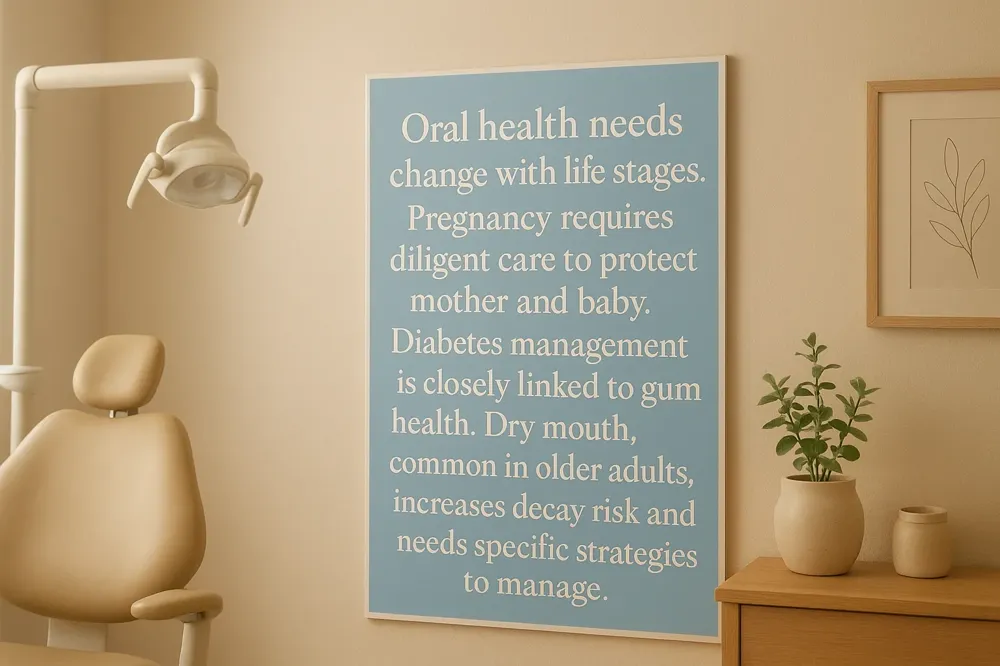
- Oral health needs change with life stages: pregnancy increases gum disease risk, diabetes management is linked to gum health, and dry mouth in older adults increases decay risk.
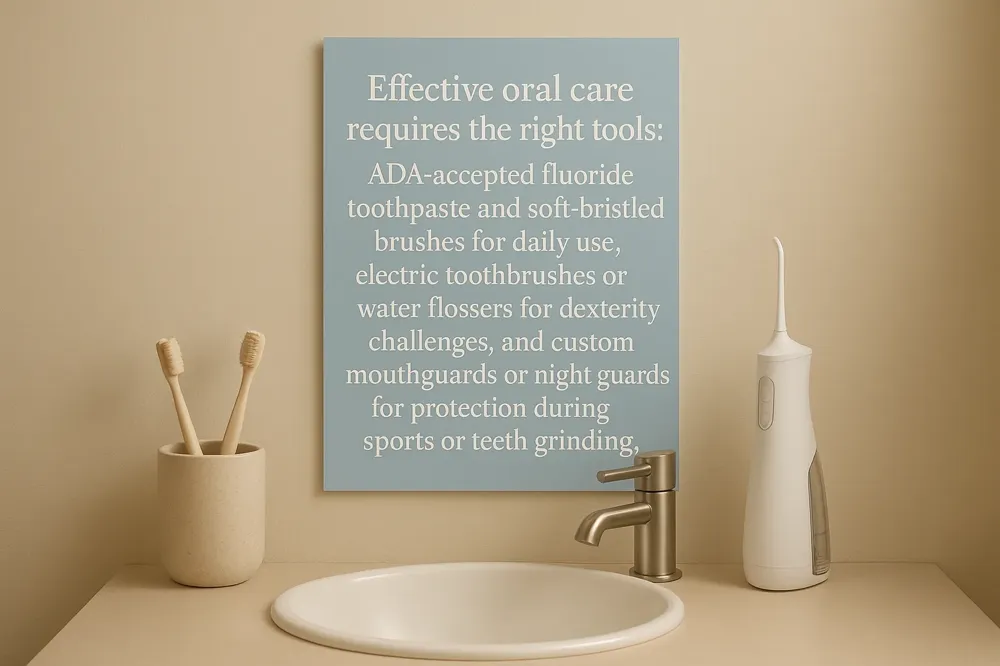
- Using the right tools is key: ADA-accepted fluoride toothpaste and soft-bristled brushes, electric toothbrushes or water flossers for dexterity, and custom mouthguards for sports/night guards for grinding.
- Good oral hygiene prevents dental issues and is linked to systemic health, lowering risks associated with cardiovascular disease, stroke, diabetes, and adverse pregnancy outcomes.
1. Master the Daily Duo: Brushing and Flossing
What are the most important ways to maintain good oral health at home?
The foundation of a healthier smile is built on a consistent, twice-daily routine of brushing and flossing. Brushing your teeth for a full two minutes with a fluoride toothpaste is essential for removing plaque—a sticky film of bacteria that can cause cavities and gum disease. This mechanical cleaning should be complemented by flossing once daily to reach the approximately 35% of tooth surfaces that a brush simply cannot access. This daily duo is your most powerful tool for preventing interproximal cavities (between teeth) and maintaining healthy gums, safeguarding your oral health between professional visits.
Perfecting Your Technique for Maximum Protection
Using the correct technique transforms a simple habit into an effective preventive measure. For brushing, use a soft-bristled toothbrush held at a 45-degree angle toward your gumline. Employ gentle, small circular motions to clean all surfaces of each tooth—front, back, and chewing surfaces. Aggressive scrubbing can damage gums and enamel. For flossing, use about 18 inches of floss, curving it into a C-shape against the side of each tooth and gently sliding it up and down beneath the gumline. If traditional floss is challenging, excellent alternatives like water flossers or interdental brushes can provide the same crucial cleaning.
Making Oral Care Engaging for the Whole Family
Consistency is key, and making the routine engaging helps build lasting habits, especially for children. Use a two-minute timer, play a favorite song, or use a brushing app to ensure thorough cleaning. Parents should actively supervise and assist with their children’s brushing and flossing until they develop reliable manual dexterity, typically around age 7 or 8. Brushing together as a family not only sets a positive example but also turns a daily chore into a shared, healthy activity. For younger children, letting them choose a fun, child-sized toothbrush can increase cooperation.
Maintaining Your Tools for Effective Cleaning
Your tools must be in good condition to work effectively. Toothbrushes should be replaced every three to four months, or sooner if the bristles become frayed or splayed. A worn-out brush cannot remove plaque efficiently and can harbor bacteria. Similarly, if you use an electric toothbrush, follow the manufacturer's guidelines for replacing the brush head. Always rinse your toothbrush thoroughly after use and store it upright to air-dry. Using a toothbrush cover can trap moisture and promote bacterial growth, so it's best to avoid them.
| Daily Habit | Key Action | Purpose & Benefit |
|---|---|---|
| Brushing | 2 mins, 2x/day, fluoride paste, soft brush, 45° angle | Removes plaque, prevents cavities & gum disease, strengthens enamel |
| Flossing | Once daily, C-shape technique, clean between all teeth | Cleans between teeth & under gums, prevents interproximal decay |
| Tool Care | Replace brush every 3-4 months; keep clean and dry | Ensures effective plaque removal, prevents bacterial re-introduction |
| Family Focus | Supervise kids until ~age 8; use timers & songs for engagement | Builds lifelong habits, ensures thorough cleaning for all ages |
2. Fuel Smiles with a Tooth-Friendly Diet
Limiting Sugary and Acidic Foods
What you eat has a direct impact on your oral health. Sugary and acidic snacks and beverages are the primary fuel for the bacteria in your mouth that cause plaque. This plaque produces acids that attack tooth enamel, leading to cavities and enamel erosion. Common culprits include soda, sports drinks, candy, cookies, and even some seemingly healthy options like flavored yogurts and fruit juices with added sugar.
Limiting these items, especially between meals, is crucial. Constant snacking creates a sustained acidic environment in the mouth, giving enamel little time to recover. For occasional treats, consider consuming them during a main meal when saliva flow is higher, which helps neutralize acids and wash away food particles.
Choosing Teeth-Cleaning Foods
Nature provides excellent tools for oral hygiene. Crunchy fruits and vegetables like apples, carrots, and celery act like natural toothbrushes. Their fibrous texture stimulates saliva production and helps scrub away plaque and food debris as you chew. Including these as snacks or with meals is a simple, effective way to support a clean mouth between brushings.
Saliva is your mouth's natural defense system. It helps wash away food particles, neutralize harmful acids, and deliver minerals like calcium and phosphate to strengthen enamel. Foods that require thorough chewing are excellent for promoting this beneficial saliva flow.
Building Strong Teeth and Gums from Within
A balanced diet provides the essential building blocks for strong teeth and healthy gums. Calcium is vital for reinforcing tooth enamel and the underlying bone that supports your teeth. Excellent sources include dairy products like milk, cheese, and yogurt, as well as leafy green vegetables and almonds.
Vitamin C is key for gum health, as it helps maintain the connective tissues that hold your teeth in place. A deficiency can make gums more susceptible to infection and disease. Incorporate citrus fruits, bell peppers, strawberries, and broccoli into your meals to support resilient gums.
Practical Daily Tips for the Whole Family
Implementing a tooth-friendly diet is easier with a few strategic habits. First, make water your family's primary beverage. Drinking water, particularly fluoridated water, throughout the day helps rinse the mouth and maintain healthy saliva levels.
When enjoying acidic drinks like citrus juice or soda, use a straw. This simple step can help minimize direct contact with your teeth, reducing the risk of enamel erosion. Always follow up by rinsing your mouth with water.
Finally, structure snack times. Rather than grazing throughout the day, plan for specific snack times. This gives your mouth a break from constant acid attacks. After any snack or meal, encourage rinsing with water to clear away lingering sugars and acids.
| Food Category | Role in Oral Health | Examples & Tips |
|---|---|---|
| Foods to Limit | Fuel decay-causing bacteria, erode enamel. | Soda, candy, sticky snacks, acidic juices. Enjoy with meals, not alone. |
| Cleaning Foods | Stimulate saliva, scrub away plaque. | Apples, carrots, celery. Great as a final course or snack. |
| Strengthening Foods | Build strong enamel and support gums. | Cheese, yogurt, leafy greens, almonds, bell peppers. |
| Beverage of Choice | Rinses mouth, delivers fluoride, hydrates. | Water, especially fluoridated. Use a straw for acidic drinks. |
3. Make Water Your Family's Favorite Drink
Water: The Simple Solution for a Healthier Smile
Encourage every family member to reach for water throughout the day. It acts as a natural cleanser, washing away food debris and diluting acids produced by cavity-causing bacteria.
Boosting Your Natural Defenses
Staying well-hydrated promotes the flow of saliva, your mouth's first line of defense. Saliva helps neutralize harmful acids, remineralize tooth enamel, and maintain a balanced oral environment.
The Power of Fluoridated Water
When possible, choose fluoridated tap water. Drinking it provides a constant, low-level exposure to fluoride, which strengthens tooth enamel and makes it more resistant to decay for both children and adults.
An Easy Habit for Lifelong Health
Making water the primary beverage is a simple, cost-effective strategy for cavity prevention. Keep reusable water bottles handy at home, school, and work to make healthy hydration an effortless part of your family's dental routine.
4. Don't Skip the Professional Check-Up
Is it possible to properly take care of your teeth without ever going to the dentist?
No. While excellent daily brushing and flossing form the foundation of oral health, they cannot replace professional care. At home, you can remove plaque, but if it hardens into tartar (also called calculus), only a dental professional can remove it during a professional cleaning. Regular dental check-ups are also the only way to detect issues like hidden cavities, early gum disease, and oral cancer in their initial stages, long before they cause pain or become visible.
Why are regular professional cleanings so important?
Think of your at-home oral care routine as daily maintenance and a professional cleaning as a deep service. Even with perfect brushing technique, some plaque can be missed and will harden into tartar on your teeth, especially near the gumline. This tartar is a major contributor to gum inflammation (gingivitis) and more severe periodontal disease. During a cleaning, your hygienist uses specialized tools to gently and thoroughly scale away this buildup, polishing your teeth to leave a clean, smooth surface that is more resistant to new plaque.
What happens during a routine dental check-up?
A check-up is far more than just a cleaning. It is a comprehensive assessment of your oral health. At our practice, a typical visit includes:
- A Thorough Examination: We check each tooth for signs of decay, examine existing fillings or restorations, and assess the health of your gums, looking for pockets or inflammation.
- Oral Cancer Screening: This is a quick, painless, yet vital part of every adult exam. We visually and physically examine the soft tissues of your mouth, tongue, throat, and neck for any unusual changes or signs of concern.
- Diagnostic Imaging: We use advanced digital X-rays as needed to see what’s happening beneath the surface, identifying problems between teeth or in the jawbone that are invisible to the naked eye.
- Personalized Guidance: We review your home care routine and provide tailored advice to help you improve your technique or address specific concerns, such as dry mouth or teeth grinding.
How can we make dental visits comfortable for the whole family?
We understand that dental anxiety is real, especially for children. Our friendly team is committed to creating a calm, positive experience for every family member. For children, we recommend the first dental visit by their first birthday to build familiarity and comfort early. We use simple, reassuring language, explain each step, and often let children hold a mirror to see what we're doing. For nervous patients of any age, we encourage open communication so we can work together, whether that means taking more breaks, using noise-canceling headphones, or discussing other comfort options.
| Visit Component | What It Involves | Key Benefit for You & Your Family |
|---|---|---|
| Professional Cleaning | Scaling to remove tartar; Polishing | Prevents gum disease; Creates a clean slate for home care |
| Comprehensive Exam | Visual inspection of teeth & gums | Early detection of cavities and gum issues |
| Oral Cancer Screening | Check of mouth, tongue, and throat tissues | Vital for early detection of oral cancers |
| Digital X-rays (as needed) | Images of teeth roots and jawbone | Reveals hidden decay, bone health, and development |
| Personalized Consultation | Discussion of findings and home care tips | Empowers you with knowledge for better daily habits |
| Covered Topics in This Section | Brief Description |
|---|---|
| Necessity of Professional Care | Home care cannot remove tartar or detect many hidden issues. |
| Professional Cleaning Process | Removes hardened plaque (tartar) to prevent gum disease. |
| Check-Up Components | Includes exam, cancer screening, X-rays, and personalized advice. |
| Overcoming Dental Anxiety | Strategies for creating a comfortable, positive visit for all ages. |
5. Start Early: First Visit by First Birthday
Understanding the 'First Visit by First Birthday' Guideline
The American Academy of Pediatric Dentistry (AAPD) advises that a child's first dental visit should occur by their first birthday or within six months of the first tooth erupting. This early timeline is a cornerstone of preventive pediatric care. It moves beyond the outdated idea that dental visits only begin when problems arise. Instead, it establishes a proactive foundation for monitoring development from the very start.
Establishing a 'Dental Home' for Your Child
This initial appointment is about creating a 'dental home'—a trusted, familiar place for your child's ongoing oral health needs. A dental home provides continuity of care. It allows the dentist to build a relationship with your family and track your child's growth patterns over time. This consistent setting is key for early detection of dental issues of any concerns, such as crowding or unusual bite development, which can be addressed proactively.
What Happens During the First Visit?
The first visit is typically short and involves very little treatment. It's primarily an educational and observational session for parents and an introductory experience for the child. The dentist will perform a gentle examination of your child's mouth, gums, and any erupted teeth. They will check for preventing tooth decay and cavities and assess the health of the soft tissues. The focus is on making the child comfortable in the dental environment.
Crucial Parental Education on Infant Oral Care
A major component of this visit is educating parents on proper Children's dental care guide. Before teeth come in, you can clean your baby's gums twice a day using a soft, clean, damp cloth. This removes bacteria and gets the child accustomed to oral cleaning. Once the first tooth appears, use a soft, infant-sized toothbrush with a tiny smear (about the size of a grain of rice) of fluoride toothpaste. Your dentist will demonstrate safe and effective proper brushing technique for tiny mouths.
Laying the Foundation for Lifelong Dental Health
Starting dental care this early sets the stage for a lifetime of positive dental experiences. It helps prevent preventing cavities in children, often called 'baby bottle tooth decay.' Early visits also allow parents to receive personalized advice on feeding practices, pacifier use, and injury prevention. By integrating dental care into your child's routine from infancy, you normalize these visits, reducing anxiety and fostering healthy habits they will carry into adulthood.
| Topic Covered | Key Action for Parents | Professional Role & Benefit |
|---|---|---|
| First Visit Timing | Schedule by age 1 or 6 months after first tooth. | Establishes baseline, tracks growth, builds rapport. |
| Pre-Teeth Care | Wipe gums with soft, damp cloth twice daily. | Educates on bacterial removal before eruption. |
| First Tooth Care | Use soft brush with rice-sized fluoride toothpaste. | Demonstrates technique, reinforces enamel protection. |
| Preventive Education | Learn about diet, habits, and injury prevention. | Provides personalized guidance for home care success. |
| Long-Term Foundation | Maintain dentist visit frequency every six months. | Creates dental home for continuous, comfortable care. |
6. Seal the Deal Against Cavities
Seal the Deal Against Cavities
Dental sealants are a powerful shield for your family's smiles. These thin, protective coatings are painted onto the chewing surfaces of back teeth (molars). This area has deep grooves that are difficult to clean, making it a prime spot for decay.
The treatment is a quick, comfortable, and painless part of a preventive dental visit. There's no drilling involved—the dentist simply cleans the tooth, applies the sealant material, and hardens it with a special light. It’s often recommended for children and teens soon after their permanent molars come in.
This proactive service is exceptionally effective. Research indicates dental sealants for cavity prevention can reduce the risk of cavities by up to 80% in the first two years after application. By sealing out food particles and plaque, they provide long-lasting protection during the cavity-prone years.
Investing in sealants is a smart, cost-effective strategy. Preventing tooth decay and cavities from ever starting saves significantly on the expense and potential discomfort of future fillings or other restorative treatments. It's a simple step that supports a lifetime of healthy teeth.
| Service | Target Teeth | Key Benefit | Ideal Age Group |
|---|---|---|---|
| Dental Sealants | Molars (back teeth) | Blocks food & plaque | Children & Teens |
| Fluoride treatments for children's teeth | All teeth | Strengthens enamel | All ages |
| Professional teeth cleaning procedure | All teeth | Removes tartar buildup | Every 6 months |
| Oral cancer screenings at the dentist | Soft tissues | Early detection | Adults (40+ risk) |
| Topic Covered: Sealants | Details Provided | Age Focus |
|---|---|---|
| What they are | Thin protective coatings | Children & teens |
| Where applied | Chewing surfaces of molars | After molars erupt |
| Effectiveness | Up to 80% cavity reduction | First 2 years |
| Procedure | Quick, painless, no drilling | During regular dental check-ups |
| Long-term value | Prevents costly fillings | Saves future expense |
| Service type | Proactive preventive dental care to maintain family oral health | Part of dentist visit frequency |
Why Act Early for Lasting Protection
Our practice utilizes advanced materials and techniques to apply sealants efficiently. This personalized approach is part of our commitment to comfortable, preventive care for families. We focus on services that stop problems before they begin, ensuring healthy, confident smiles for years to come.
7. Use the Right Tools for the Job
Choosing ADA-Accepted Products, Including Fluoride Toothpaste and Soft-Bristled Toothbrushes
The foundation of an effective at-home routine starts with selecting the right products. The American Dental Association (ADA) Seal of Acceptance on items like toothpaste and toothbrushes signifies they have been rigorously tested for safety and efficacy.
Using a soft-bristled toothbrush is essential as it effectively cleans teeth and gums without damaging sensitive enamel or causing gum recession. Pair it with an ADA-accepted fluoride toothpaste; fluoride is a mineral that strengthens tooth enamel, making it more resistant to decay. For children under three, a smear of toothpaste is sufficient, while those aged three to six should use a pea-sized amount, always under adult supervision.
Adaptive Tools for Family Members with Dexterity Issues: Electric Toothbrushes, Floss Holders, Water Flossers
Maintaining independence in oral care is important for all family members. For those with arthritis, limited mobility, or who simply want a more thorough clean, adaptive tools can be a game-changer.
Electric toothbrushes often provide more consistent, gentle cleaning motions and can be easier to grip. Water flossers use a targeted stream of water to clean between teeth and below the gumline, offering an excellent alternative for individuals with braces, implants, or who find traditional flossing daily challenging. Other helpful aids include floss holders and interdental brushes.
Mouthguards for Sports to Protect Against Dental Injuries for Children and Adults
Physical activity is great for health, but it can pose a risk to smiles. A custom-fitted mouthguard from your dentist is one of the best investments for protecting teeth, lips, cheeks, and gums during contact sports and recreational activities.
Unlike generic, store-bought versions, a professionally made guard offers superior protection, comfort, and fit, encouraging consistent use by both children and adults. This simple device can prevent painful, costly injuries like chipped, fractured, or knocked-out teeth.
Night Guards for Those Who Grind Their Teeth (Bruxism) to Prevent Wear and Tear
Teeth grinding or clenching, known as bruxism, often occurs during sleep and can lead to worn enamel, jaw pain, headaches, and cracked teeth. A custom night guard, fabricated by your dental team, creates a protective barrier between your upper and lower teeth.
This appliance absorbs the forces of grinding, preventing damage to your natural teeth and any existing dental work. It is a proactive solution to manage a common condition that many people may not even realize they have until significant wear occurs.
| Product Type | Primary Function | Key Benefit for Families |
|---|---|---|
| ADA-Accepted Fluoride Toothpaste | Strengthens enamel against decay | Provides a trusted, effective standard for daily oral hygiene practices for all ages. |
| Soft-Bristled Toothbrush | Safely removes plaque without damage | Gentle on gums and enamel, suitable for sensitive mouths. |
| Electric Toothbrush | Provides consistent cleaning motion | Helpful for those with dexterity challenges or seeking a superior clean. |
| Water Flosser | Cleans between teeth with water stream | Ideal for braces, implants, or as an alternative to string floss. |
| Custom Sports Mouthguard | Shields teeth from impact | Prevents traumatic dental injuries during athletic activities. |
| Custom Night Guard | Cushions teeth from grinding forces | Protects against enamel wear, jaw pain, and broken teeth. |
8. Create Healthy, Tobacco-Free Habits
8. Create Healthy, Tobacco-Free Habits
Protecting your family's health starts with your daily choices. Avoiding all tobacco products—including cigarettes, cigars, and smokeless tobacco—is one of the most impactful decisions you can make. These products drastically raise the risk of serious oral health problems.
Regular tobacco use is a leading cause of gum disease and tooth loss among adults. It can lead to painful infections, bone damage, and tooth discoloration. More significantly, tobacco is directly linked to head and neck cancers. Recent data shows thousands of new oral cancer cases are diagnosed each year, many tied to tobacco use.
Limiting alcohol consumption is another important step. Excessive alcohol intake, particularly when combined with tobacco, increases the risk of oral cancer. Making mindful choices about alcohol is part of a comprehensive approach to safeguarding your oral cavity.
For parents, choosing a tobacco-free lifestyle is a powerful form of prevention. It protects your own oral and overall health. More importantly, it sets a positive example for your children, showing them how to build habits that support a long, healthy life. This commitment is a cornerstone of preventive care for the entire family.
For those seeking to quit or reduce tobacco use, your dental team is a valuable resource. We can provide support, information on cessation programs, and screen for early signs of oral health changes during your regular dental check-ups.
| Habit to Avoid | Primary Oral Health Risk | Broader Health Impact |
|---|---|---|
| Cigarettes & Cigars | Gum disease, oral cancer | Lung disease, heart disease |
| Smokeless Tobacco | Oral cancer, gum recession | Nicotine addiction |
| Excessive Alcohol | Oral cancer, dry mouth | Liver disease, other cancers |
9. Address Special Life Stages and Conditions
Dental Care During Pregnancy
Pregnancy brings significant hormonal changes that can make gums more sensitive to plaque, increasing the risk of gingivitis and tooth decay. Dental care is not only safe during this time, it is highly recommended for the health of both mother and baby. Poor oral health has been linked to serious pregnancy complications, including preterm birth and low birth weight. A key preventive step is to schedule a regular dental checkup and cleaning at least once during your pregnancy. For morning sickness, rinsing your mouth with a teaspoon of baking soda mixed in a cup of water can neutralize stomach acids and help protect your tooth enamel from erosion.
Managing Oral Health with Diabetes
Diabetes and gum disease have a strong two-way relationship. High blood sugar can increase your risk of developing severe gum infections, and, in turn, serious gum disease can make it harder to control blood sugar levels. This connection makes diligent oral hygiene and professional care essential. Managing your diabetes effectively is a crucial part of protecting your smile. Your dentist may recommend more frequent cleanings, such as every three to four months, to help control plaque and inflammation, which can support better overall diabetes management.
Coping with Dry Mouth
Dry mouth, or xerostomia, is a common condition, particularly among older adults and individuals taking certain medications. It's more than just an uncomfortable feeling; reduced saliva flow significantly increases the risk of tooth decay and gum disease because saliva helps neutralize acids and wash away food particles. To manage dry mouth, sip water frequently throughout the day, chew sugar-free gum to stimulate saliva production, and avoid tobacco, alcohol, and caffeine. For persistent cases, talk to your dentist. They can recommend specific products like artificial saliva rinses or gels and may suggest prescription fluoride treatments to strengthen your teeth against decay.
| Life Stage/Condition | Primary Oral Health Risk | Key Management Strategies |
|---|---|---|
| Pregnancy | Increased gum disease (gingivitis) and tooth decay | Schedule a dental visit; use baking soda rinse after vomiting; maintain thorough daily brushing and flossing. |
| Diabetes | Severe gum disease (periodontitis) that impacts blood sugar control | Prioritize diabetes management; consider more frequent professional cleanings (3-4 months). |
| Dry Mouth (Xerostomia) | High risk for rapid tooth decay and oral infections | Sip water frequently; use sugar-free gum; discuss artificial saliva and high-fluoride products with your dentist. |
10. Lead by Example and Make it a Family Affair
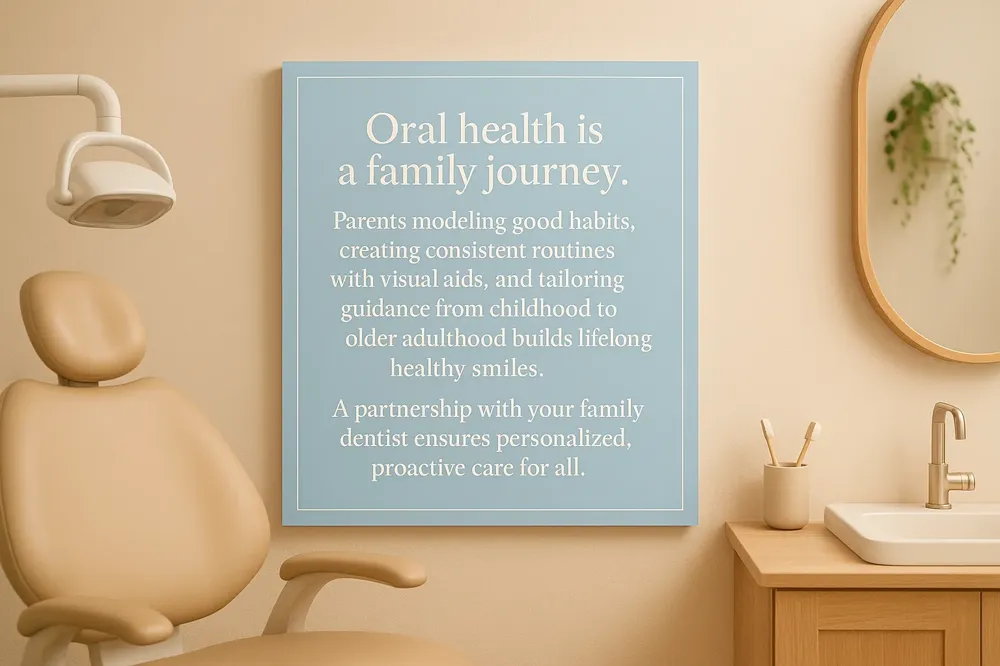
Parents Modeling Good Habits: Brushing Together, Discussing Visits Positively
Children learn by watching. When parents brush their teeth twice daily and floss regularly, they demonstrate the importance of these habits. Make brushing a shared activity by brushing your teeth alongside your child. This not only allows for supervision but also turns a routine task into family time. Discuss upcoming dental visits in simple, positive terms. Avoid using words that might cause fear. Instead of saying 'the dentist will fix your tooth,' try 'the dentist will count your teeth and make them super shiny.' Role-playing a dental visit at home with your child as the dentist can also make the real experience feel familiar and less intimidating.
Creating Consistent Routines with Visual Charts and Organized Supplies
Consistency is the foundation of lasting oral health habits. For busy families, integrating dental care into the existing daily schedule is key. Try brushing while watching the morning news or right after getting dressed. Use visual aids like a colorful brushing chart on the bathroom mirror or refrigerator. Children can add a sticker each time they complete their morning and night routine. Keep dental supplies—toothbrushes, fluoride toothpaste, floss—organized in a dedicated, easily accessible cup or drawer. Packing a travel dental kit for weekends or holidays ensures the routine doesn't slip when you're away from home.
Tailoring Guidance by Age: From Young Children to Older Adults
Effective family dental care recognizes that needs change with age.
- For Young Children: Parents should brush their child's teeth as soon as the first tooth appears, using a soft brush and a smear of fluoride toothpaste. Supervise brushing closely until around age 7 or 8, when children develop the dexterity for proper technique. Making it fun with a two-minute timer or a special song can encourage cooperation.
- For Teens: Hormonal changes can increase gum disease risk. Teens with braces require extra care, needing to brush after meals and use tools like water flossers. Encourage independence while reinforcing the importance of their routine for a confident smile.
- For Older Adults: Arthritis or other conditions can make brushing and flossing challenging. Adaptive tools like electric toothbrushes, floss holders, or water flossers can help. Family members or caregivers may need to assist to ensure thorough daily oral hygiene practices, especially for those with dentures.
Building a Partnership with Your Family Dentist for Personalized, Lifelong Care
Your family dentist is your partner in preventive care. Regular check-ups, typically every six months, are not just for cleaning; they are for early detection and personalized advice. A family dentist monitors development in children, can address teeth grinding in adults, and provide solutions like night guards or dental sealants. They create a 'dental home' where every family member receives care tailored to their life stage. This partnership ensures that oral health is managed proactively, supporting overall well-being from childhood through the senior years.
Understanding the 3-3-3 Brushing Rule
What is the 3-3-3 rule for brushing teeth?
The 3-3-3 rule is a traditional oral hygiene guideline that recommends brushing teeth three times a day, for three minutes each session, and replacing your toothbrush every three months. This approach emphasizes frequency, duration, and tool maintenance to combat plaque buildup.
Weighing its benefits against foundational practices
While thorough, the 3-3-3 rule's core principles align with modern dental advice, though some specifics differ. Here is a comparison of the rule's components against widely recommended practices:
| Guideline Aspect | 3-3-3 Rule Recommendation | Common Dental Recommendation | Key Consideration for Families |
|---|---|---|---|
| Brushing Frequency | Three times daily after meals | At least twice daily (morning and night) | Consistency is crucial; extra brushing can be beneficial if done gently. |
| Brushing Duration | Three minutes per session | Two minutes per session | Thorough cleaning matters more than strict timing; ensure all surfaces are covered. |
| Tool Replacement | Every three months | Every 3-4 months or when bristles fray | Frayed bristles clean poorly and can harbor bacteria, making replacing a toothbrush regularly key. |
Brushing twice daily for two minutes with a fluoride toothpaste remains the essential foundation. Adding a third brushing can help, but technique is paramount. Use a soft-bristled brush at a 45-degree angle to the gums with gentle, small circular motions.
A practical, balanced recommendation for families
For busy families, focusing on consistent, effective routines is more sustainable than strict adherence to the 3-3-3 rule. Consider these adaptable strategies:
- Prioritize Core Sessions: Ensure thorough brushing for two minutes in the morning and before bed. Using a timer or a fun song can help children meet the duration.
- Smart Third Brushing: If adding a midday brush, wait at least 30 minutes after eating, especially after acidic foods or drinks like citrus or soda. Immediate brushing can wear down softened enamel.
- Monitor Your Tools: Replace toothbrushes every three to four months, or sooner if bristles are splayed. A worn brush cannot clean effectively.
- Make it a Family Activity: Brush together to model good habits and supervise children's technique until they develop reliable skills, typically around age 7 or 8.
Integrating these habits with daily flossing and a balanced diet low in sugary snacks forms a powerful defense against cavities and gum disease for every family member.
The Whole-Body Benefits of a Healthy Mouth
What are the main benefits of maintaining good oral hygiene?
Maintaining good oral hygiene is the foundation for a healthy mouth and a healthier you. Its primary benefit is preventing tooth decay and gum disease, which can lead to tooth loss. This prevention ensures you can enjoy a confident smile and maintaining fresh breath daily. Beyond your mouth, scientific research shows a strong connection between oral and overall health connection. Poor oral hygiene, particularly gum disease, is linked to an increased risk of serious systemic conditions, including cardiovascular disease, stroke, and managing oral health with diabetes. For expectant mothers, gum inflammation has been associated with adverse pregnancy outcomes like preterm birth. By caring for your teeth and gums, you are taking a proactive step in protecting your whole-body health.
Good oral health also delivers significant social and economic advantages. It means fewer dental emergencies, which translates to less time missed from school or work for you and your family. Preventing major dental problems is far more affordable than treating them, helping you avoid unexpected and costly procedures. Furthermore, a healthy smile contributes to a positive self-image, fostering confidence in social and professional interactions. In essence, a consistent oral care routine is a simple yet powerful investment in your comfort, finances, and overall quality of life.
| Oral Health Focus | Direct Dental Benefit | Systemic Health Connection | Daily Life Impact |
|---|---|---|---|
| Brushing & Flossing | Prevents cavities, gum disease | Lowers inflammation, may reduce heart disease risk | Fresher breath, confident smile |
| Regular Check-ups | Early problem detection, cleanings | Helps manage diabetes, screens for oral cancer | Avoids painful emergencies, saves money |
| Healthy Diet | Strengthens enamel, reduces decay | Supports immune function, overall nutrition | More energy, better focus at school/work |
| Avoiding Tobacco | Prevents gum disease, oral cancer | Lowers risk of lung disease, many cancers | Improves stamina, sense of taste and smell |
| Topic Covered | Key Points for Families |
|---|---|
| Preventing Dental Issues | Stops cavities, gum disease, bad breath, and tooth loss. |
| Systemic Health Links | Connects oral health to heart disease, stroke, diabetes, pregnancy. |
| Social & Economic Benefits | Reduces school/work absence, lowers costs, boosts confidence. |
What Exactly is Preventive Dental Care?
What is preventive dental care and what services does it typically include?
Preventive dental care is regular maintenance for your smile. This practice focuses on stopping problems before they start through early intervention. It is a proactive, planned approach to oral health, rather than waiting for a painful cavity or gum disease to develop.
Typical services provided during a preventive care visit create a strong foundation for your oral health. These professional services are designed to protect your teeth and gums. Many of these services are often fully covered by dental insurance plans because they are recognized for their long-term cost-effectiveness.
A Partnership for Your Smile
At its core, preventive care is a team effort between you and your dental team. You maintain daily habits at home, such as brushing and flossing. Your dentist and hygienist provide the professional care needed to maintain a healthy mouth between visits.
This partnership makes care more affordable and comfortable over time. By focusing on prevention, you can avoid more complex and costly restorative procedures. Regular dental checkups and cleanings allow your dentist to spot minor issues when they are easiest and least expensive to treat.
Services Included in Preventive Care
Here is a detailed look at the services typically included in a preventive care plan.
| Service | Primary Purpose | Key Benefit for Your Family |
|---|---|---|
| Professional Exams | Thorough oral health assessment | Early detection of decay, gum disease, and oral cancer |
| Dental Cleanings (Prophylaxis) | Removal of plaque and hardened tartar | Prevents gum disease and keeps your smile bright and fresh |
| Diagnostic X-Rays | Reveals issues not visible to the naked eye | Identifies cavities between teeth and monitors jawbone health |
| Fluoride Treatments | Strengthens tooth enamel against acids | Extra cavity prevention, especially beneficial for children |
| Dental Sealants | Protective coating for back teeth chewing surfaces | Reduces risk of cavities in molars by up to 80% in children |
Maintaining a consistent preventive care routine is essential for every member of your family. It supports a lifetime of healthy smiles and overall well-being. Our practice is committed to providing these services in a comfortable, friendly environment with advanced technology to support your oral health goals.
Your Family's Bright Smile Journey Starts Here
Foundational Daily Habits for Every Age
Building a healthy smile relies on simple, consistent routines. For all family members, brush teeth for two minutes, twice daily, using a soft-bristled toothbrush and fluoride toothpaste. Use gentle, circular motions to clean all tooth surfaces and the gumline.
Flossing once a day is equally crucial, as it removes plaque and food from between teeth where a brush cannot reach. This practice is vital for preventing cavities and gum disease.
Nutrition and Lifestyle for a Healthier Mouth
What your family eats directly impacts oral health. Encourage a balanced diet rich in vegetables, fruits, dairy, and lean proteins. Limit sugary and acidic snacks and drinks, which can lead to enamel erosion and decay.
Drinking water throughout the day helps rinse away food particles and bacteria, promoting saliva production. It's a simple, effective way to support the mouth's natural defenses.
The Importance of Professional Partnership
Excellent home care is supported by regular professional check-ups. Scheduling visits every six months allows for thorough cleanings, early detection of potential issues, and personalized guidance. A family dentist monitors development in children and manages changing needs in adults.
Tailored Care Through Life's Stages
Oral care evolves with each family member. For young children, parents should assist with brushing until about age 7 or 8. Dental sealants and fluoride treatments provide extra protection for developing teeth.
Teens, especially those with braces, need to be diligent about cleaning. Adults should manage stress to avoid teeth grinding, and older family members may benefit from adaptive tools for easier brushing and flossing.
Your Next Step Towards Lifelong Health
Integrating these habits creates a strong foundation for oral and overall health. Your family dental practice is your dedicated partner, offering preventive services, education, and comfortable care tailored for everyone. Taking proactive steps today ensures brighter smiles for years to come.
| Daily Habit | Key Action | Benefit for the Family |
|---|---|---|
| Brushing | Twice daily for 2 mins with fluoride paste | Removes plaque, prevents cavities and gum disease |
| Flossing | Clean between teeth once daily | Prevents interdental decay, supports gum health |
| Nutrition | Limit sugars, choose crunchy fruits/veggies | Reduces decay risk, naturally cleans teeth |
| Hydration | Drink water frequently | Washes away particles, maintains healthy saliva flow |
| Professional Care | Schedule check-ups every 6 months | Early problem detection, thorough cleaning, personalized advice |