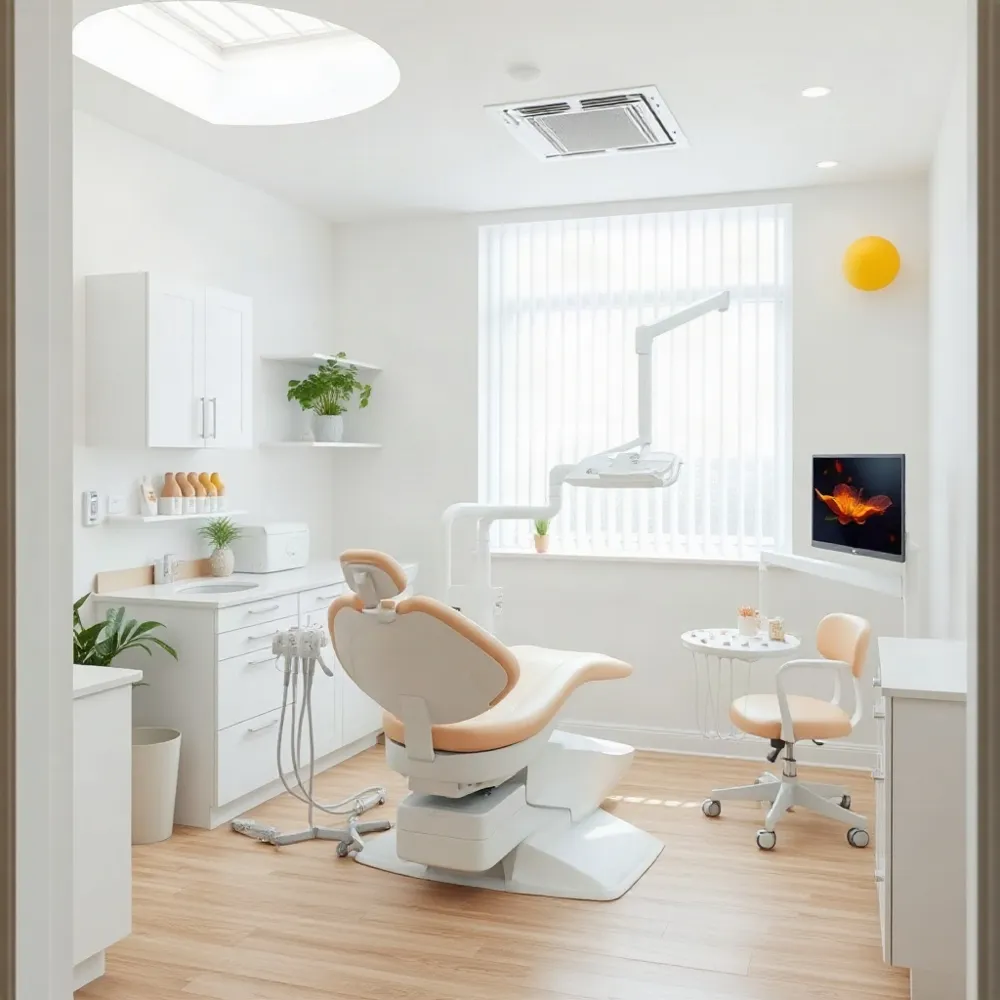
Why Pediatric Oral Health Matters
Early dental care sets the foundation for a lifetime of healthy smiles. Visiting a pediatric dentist by the first birthday lets clinicians spot early decay, monitor tooth eruption, and apply fluoride varnish or sealants that can prevent up to 80% of cavities in permanent molars. Common childhood issues—early childhood caries, enamel demineralization, and misaligned bite—are often linked to sugary snacks, inadequate brushing, and missed fluoride exposure. A preventive approach—twice‑daily brushing with a pea‑sized fluoride toothpaste, supervised flossing, water‑rich diets, and regular six‑month check‑ups—dramatically reduces these risks. Our practice combines child‑friendly environments, digital imaging, and gentle behavior‑management techniques to make each visit comfortable, empowering families to protect oral health now and for years to come.
Kick‑Start Oral Care Early
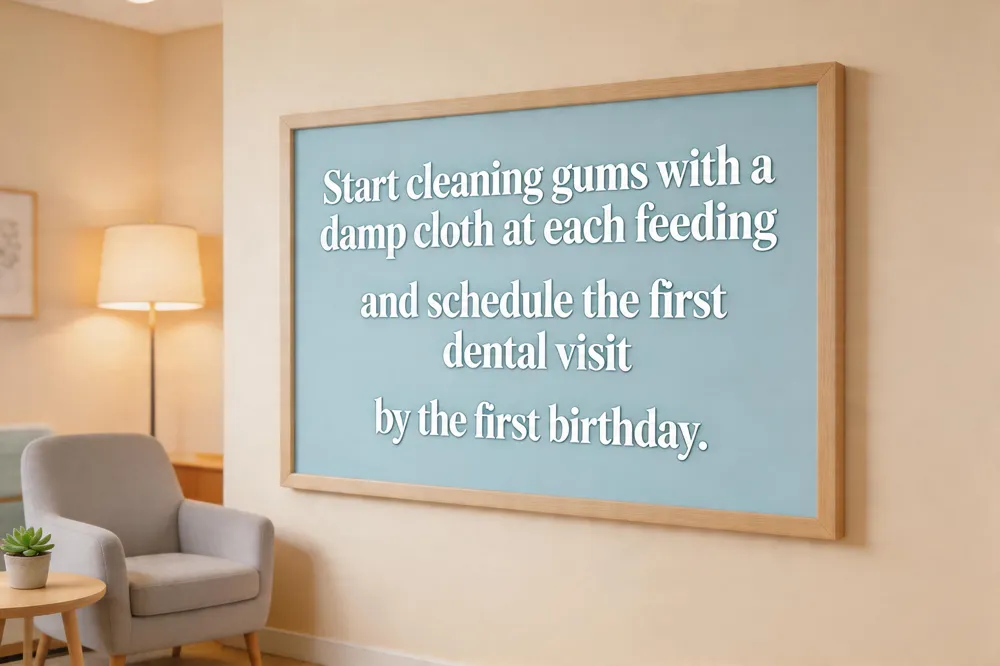 Begin cleaning a baby's gums with a damp washcloth right each feeding, even before the first tooth appears. Schedule the first dental visit within six months of the first tooth erupting or by the child’s first birthday, whichever comes first. Use a soft‑bristled, child‑size toothbrush with a small head. These simple steps set the foundation for a lifetime of healthy smiles.
Fluoride and Sealants: Double Defense
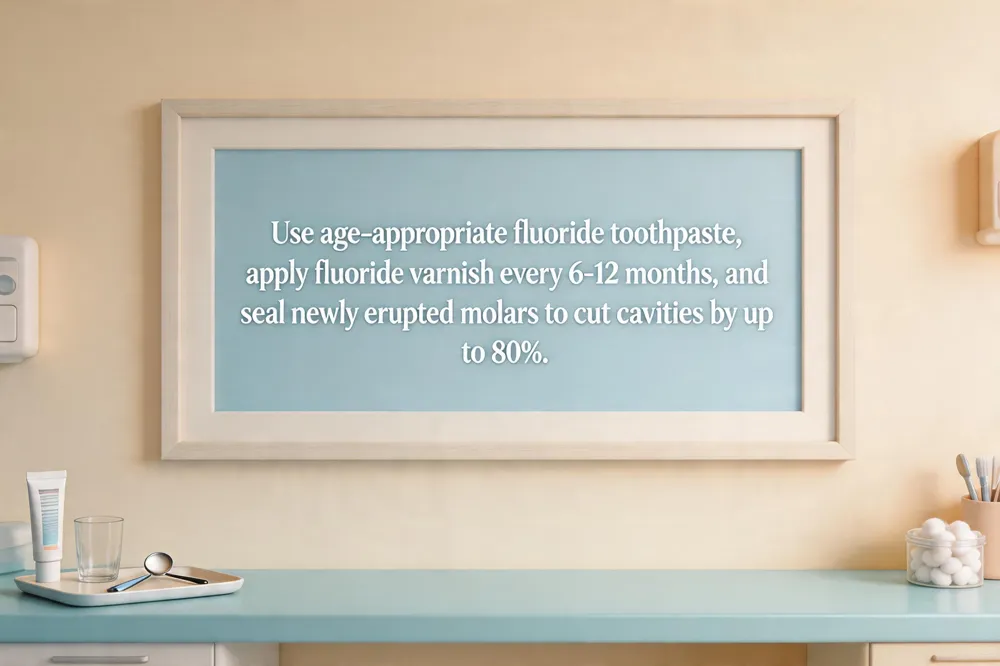 A bright smile starts with the right amount of fluoride toothpaste. For children under 3 use a smear the size of a grain of rice; from ages 3‑6 a pea‑sized dab is ideal, and continue that size until they can reliably spit, usually by 7‑8 years. Our office applies fluoride varnish—a safe, professional coating that cuts cavities by roughly 30 % in primary teeth—every 6‑12 months, especially for high‑risk kids. When permanent molars erupt (about age 6‑7), we seal the deep grooves with a painless, quick‑set sealant that blocks decay and can prevent up to 80 % of cavities. These preventive tools, combined with regular six‑month check‑ups, state‑of‑the‑art cleaning technology, and a friendly, personalized approach, give your child a double layer of protection and a confident, healthy smile.
Smart Snacking and Hydration
 Limiting sugary and starchy snacks reduces the fuel for cavity‑causing bacteria, while calcium‑rich foods help build strong enamel. Tooth‑friendly options include fresh fruits, crunchy vegetables, cheese sticks, plain yogurt, and whole‑grain crackers—foods low in fermentable sugars that also stimulate saliva. Calcium is essential for tooth development; you can find it in dairy products (milk, cheese, yogurt), fortified plant milks, leafy greens such as kale and broccoli, and fortified cereals.
What snacks are tooth‑friendly for my child? Opt for fresh fruits, vegetables, cheese sticks, yogurt, and whole‑grain crackers. These foods are low in fermentable sugars and often stimulate saliva, which naturally cleans teeth.
How does drinking water after meals help oral health? Water rinses away food particles, dilutes acids, and helps neutralize the mouth’s pH. Encouraging a sip of water after snacks or meals is a quick, low‑effort habit for busy families.
Why is calcium important and where can I find it? Calcium strengthens enamel and supports tooth development. Good sources include dairy (milk, cheese, yogurt), fortified plant milks, leafy greens, and fortified cereals.
Our practice offers personalized nutrition counseling, fluoride varnish, and sealant applications to protect your child’s teeth, using gentle, child‑friendly technology that makes every visit comfortable and educational.
Making Brushing and Flossing Fun
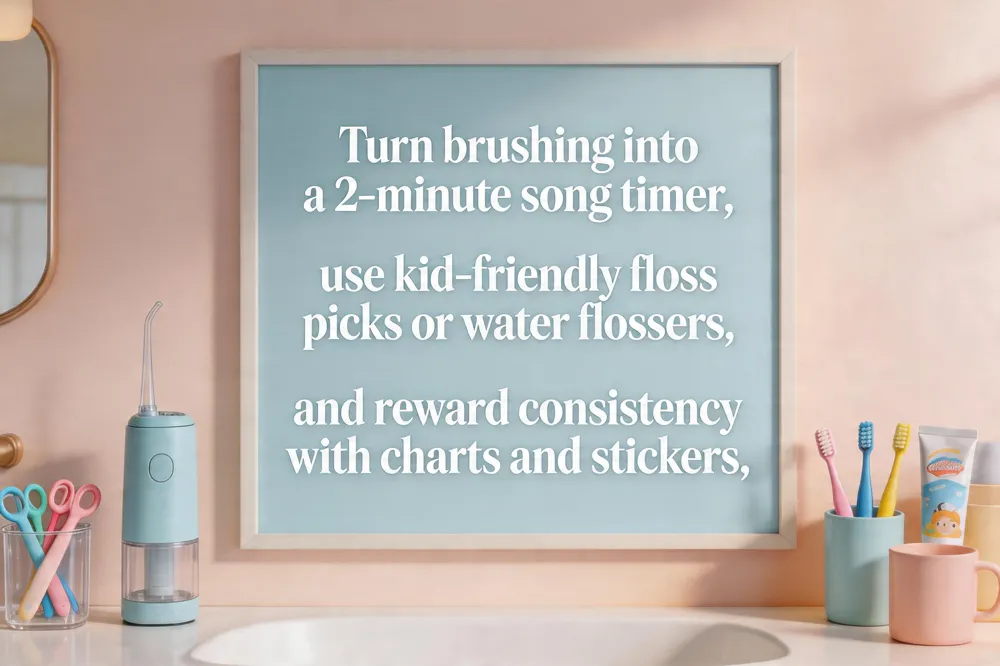 At our pediatric office we turn oral‑care into a game. To guarantee the full two‑minute brush, we recommend playing a favorite song that lasts two minutes, setting a kitchen timer, or using a smart‑timer electric toothbrush that buzzes every 30 seconds. This predictable rhythm keeps kids engaged and ensures plaque‑free teeth. For flossing, child‑friendly floss picks, pre‑threaded flossers, and even gentle water flossers make interdental cleaning easy for small hands and those with braces. Electric brushes with soft, small heads and built‑in timers are safe for children; we supervise until they can handle the brush independently, usually around age 7‑8. Our practice also provides colorful reward charts and stickers, letting families track daily brushing and celebrate milestones. These tools, combined with our personalized guidance, fluoride varnish, sealants, and a welcoming, anxiety‑free environment, give busy families a simple, effective way to protect their child’s smile. Visit us today to start the fun routine!
Regular Check‑Ups and the Dental Home
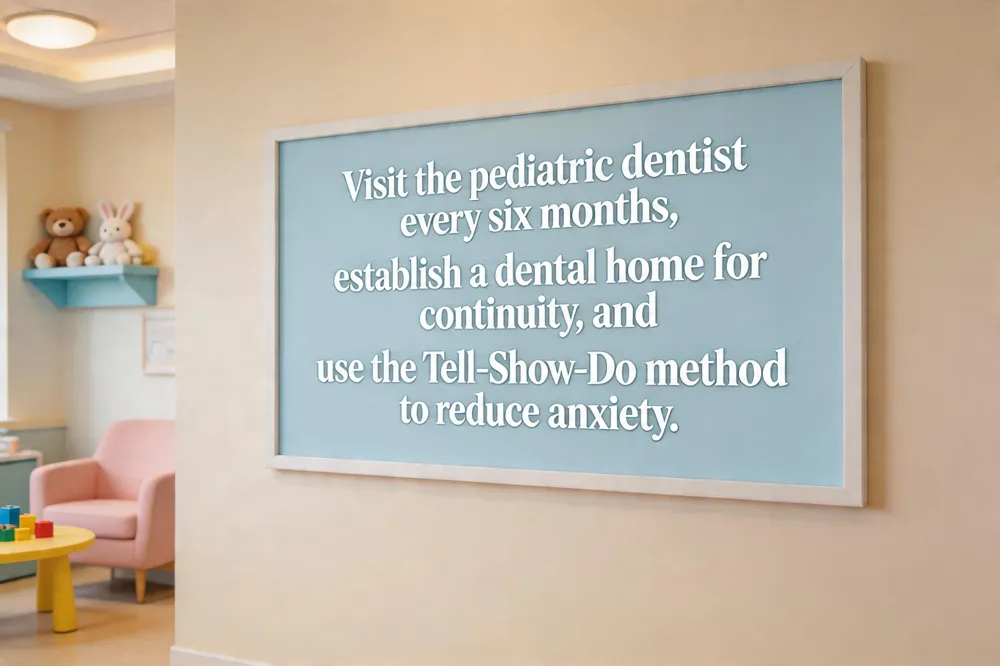 A six‑month dental visit is the gold standard for children; it lets the dentist spot early cavities, apply fluoride varnish or sealants, and track bite development. Regular check‑ups also give parents a chance to discuss diet, brushing technique, and any concerns about growth or orthodontics. Establishing a "dental home"—a trusted family practice where the child sees the same pediatric dentist—provides continuity of care, a familiar environment, and consistent education, which together lower dental anxiety over time. Pediatric dentists use the Tell‑Show‑Do method, child‑friendly language, and allow comfort items like a favorite stuffed animal to make visits less scary. Positive reinforcement, visual charts, and short, engaging explanations further build confidence. In a family‑wide dental home, siblings benefit from coordinated appointments, shared health records, and a team that models good oral habits, making preventive care effortless for busy parents.
Putting It All Together
Consistent oral‑health habits—brushing twice a day with a pea‑sized amount of fluoride toothpaste, choosing water or sugar‑free drinks, and limiting sugary snacks—work hand‑in‑hand with regular six‑month check‑ups to keep cavities at bay. At our practice, the whole team partners with families: pediatric dentists use gentle Tell‑Show‑Do explanations, digital radiography and fluoride varnish, and sealant applications protect newly erupted molars, while electric‑toothbrush timers and fun reward charts keep kids motivated at home. Parents model good care, children learn proper technique, and the office provides a friendly, anxiety‑free environment with child‑size tools and calming décor. Together, these coordinated efforts lay a foundation for strong teeth, healthy gums, and confident smiles that last a lifetime.