Why Family Dental Care Matters for a Lifetime of Healthy Smiles
Importance of Starting Oral Care Early
Good oral health begins even before the first tooth emerges. Gently cleaning a baby's gums with a soft, damp cloth after feedings helps prevent bacteria buildup. Once the first tooth appears, using a soft-bristled toothbrush and fluoride toothpaste is recommended. Early dental visits by a child's first birthday establish a foundation for healthy habits and early problem detection.
Building Lifelong Dental Habits
Consistently brushing twice daily and flossing once teeth start touching are essential routines that promote strong teeth and healthy gums. Supervising children until they can brush and floss properly ensures effective cleaning. Healthy diets low in sugary snacks and rich in calcium also support oral health across all ages.
Benefits of Family Dentistry for All Ages
Family dentistry addresses the unique needs of each stage of life—from children's preventive care to adult treatments like fillings, crowns, and gum disease therapy, as well as senior care including management of dry mouth and denture maintenance. Regular checkups and personalized care by dental professionals help detect issues early, making preventive treatment easier and more comfortable for the whole family.
Key Facts About Oral Health and Family Dental Care
- Good oral health begins before teeth emerge with gentle gum cleaning to reduce bacteria.
- Children should have their first dental visit by age one to establish early dental care routines.
- Brushing twice daily for two minutes with fluoride toothpaste is essential for effective plaque removal.
- Scheduling regular checkups every six months helps in early detection of cavities, gum disease, and oral cancer.
- Maintaining a balanced diet low in sugar and rich in calcium supports strong teeth and gums.
- Preventive measures like dental sealants, fluoride treatments, and mouthguards protect against cavities and injuries.
- Modern dental technology such as digital X-rays and laser dentistry improves diagnosis and treatment comfort.
- Family dental practices provide comprehensive services including preventive, restorative, cosmetic, and orthodontic treatments.
- Special considerations for seniors include managing dry mouth and caring for dentures and prosthetics.
- Catering dental care for all ages fosters ongoing trust, early detection, and comprehensive oral health, supporting lifelong healthy smiles.
1. Start Oral Hygiene Early and Establish Consistent Routines
Cleaning baby's gums before teeth emerge
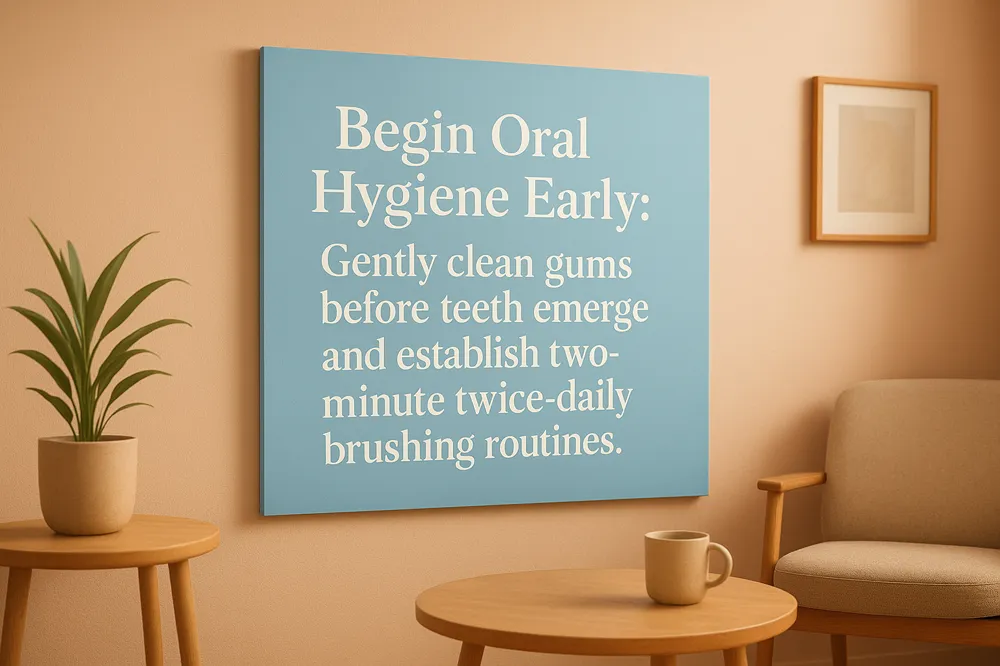
Good oral health begins even before a child's first tooth appears. Parents and caregivers should gently clean the baby's gums with a soft, damp cloth after feedings to remove bacteria and reduce plaque buildup. This simple step lays the foundation for healthy teeth and gums. For more detailed guidance, see Oral health tips for children.
Using age-appropriate toothbrushes and fluoride toothpaste
Once a child's first tooth emerges, it is important to introduce a soft-bristled toothbrush with a small head. For children under 3, use only a rice grain-sized smear of fluoride toothpaste to protect enamel and prevent cavities without the risk of swallowing too much fluoride. Additional information is available at Proper oral hygiene techniques and Oral health tips for children.
Supervising children's brushing for effective technique
Young children often need help brushing properly. Caregivers should supervise brushing until children can rinse and spit reliably, usually around age 6 or 7. Teaching the correct technique—gentle circular motions and angling bristles towards the gumline—ensures thorough cleaning. Visit Family Dental Hygiene Guide for comprehensive tips.
Establishing two-minutes twice-daily brushing routine
Brushing for two minutes twice a day with fluoride toothpaste is essential to remove plaque effectively and reduce risks of cavities and gum disease. Using timers, songs, or powered toothbrushes with built-in timers can make meeting this goal easier for children and adults alike. See Brushing teeth twice a day and Oral hygiene routine best practices for more information.
2. Schedule Regular Dental Checkups for Every Family Member
Why is it important for dental care to cater to patients of all ages?
Catering to patients of all ages is crucial in dental care because it establishes continuous oral health management within families. This approach helps build trust and familiarity, making family members more comfortable with dental visits over time. For more information, see Family dental care tips.
First Dental Visit by Age One or First Tooth
A child's first dental visit should happen by their first birthday or when their first tooth appears. This early appointment helps establish a dental home, allows for early detection of potential issues like cavities or developmental concerns, and educates parents on proper infant oral care. Learn more about Oral care before the first tooth and First dental visit by age one.
Routine Six-Month Visits for Prevention and Monitoring
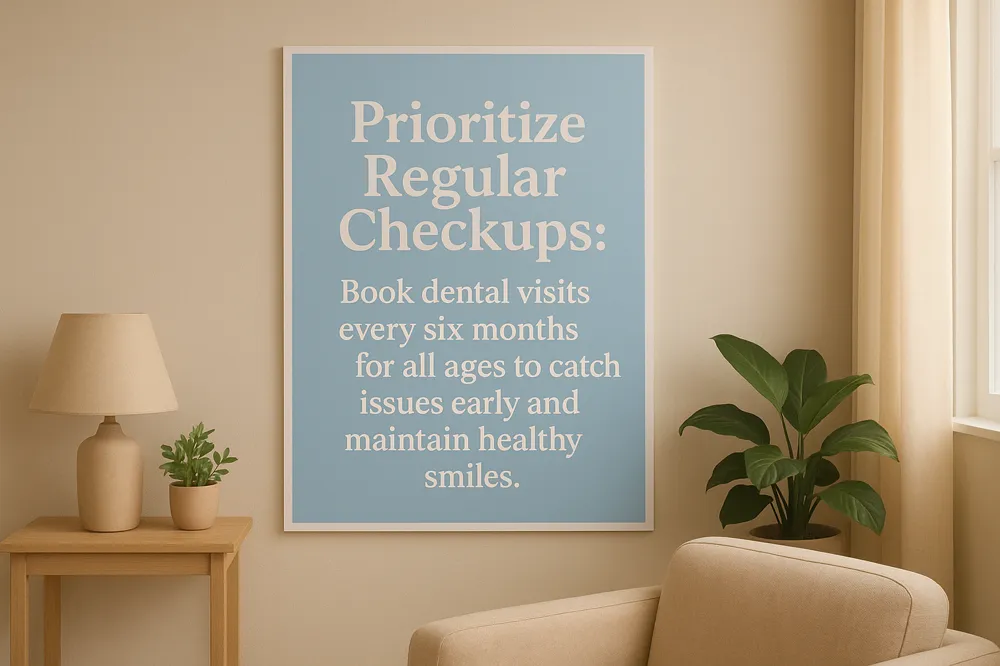
Regular dental checkups every six months are recommended for most family members. These visits enable professional cleanings, monitoring of gum health, and evaluation for signs of decay or other oral conditions. Detailed guidelines on Six-month dental checkups and Dental checkup frequency can be found here.
Early Detection of Cavities, Gum Disease, and Oral Cancer
Frequent dental exams promote early identification of cavities, gum disease, and even oral cancer, which can be treated more effectively when caught early. This is particularly important as risks increase with age and certain health conditions. Further reading: Oral cancer screening, Gum Disease Overview, and Oral cancer risk factors.
Adapted Recall Intervals Based on Individual Risk
While six-month intervals are standard, dental providers may adjust recall frequency based on individual risk factors such as a history of cavities, gum problems, or chronic health issues. Personalized scheduling ensures optimal prevention and maintenance tailored to each family member's needs. For insight into Oral health tips for adults and Mitigating dry mouth caused by medication, visit these resources.
Scheduling regular dental checkups for every member of the family provides a comprehensive foundation to maintain healthy teeth and gums while supporting overall well-being across all ages. For a broader perspective, review the Family Dental Hygiene Guide.
3. Practice Effective Daily Brushing and Flossing Techniques
Brushing Twice Daily with Fluoride Toothpaste
Brushing your teeth at least twice a day using fluoride toothpaste is essential for maintaining healthy teeth and gums. Fluoride strengthens tooth enamel, helping to prevent cavities and reduce decay risk across all family members.
Proper Two-Minute Brushing Technique with Soft-Bristled Toothbrushes
Use a soft-bristled toothbrush held at a 45-degree angle to your gums. Brush gently with circular motions covering all tooth surfaces—outer, inner, and chewing areas. Brushing for a full two minutes ensures effective plaque removal. Many electric toothbrushes come with built-in timers to help meet this recommendation.
Daily Flossing or Interdental Cleaning for Plaque Removal
Cleaning between your teeth daily is key to removing plaque and food particles where toothbrushes cannot reach. This can be achieved with traditional floss, interdental brushes, or water flossers. Regular interdental cleaning helps prevent gum disease and cavities.
Use of Adjunctive Tools Like Mouthwash, Dental Picks, and Tongue Scrapers
Incorporate an alcohol-free antibacterial mouthwash to reduce harmful bacteria and freshen breath. Dental picks are helpful alternatives for those with limited dexterity, and tongue scrapers remove bacteria that contribute to bad breath. These tools complement brushing and flossing for a thorough oral hygiene routine.
4. Adopt a Balanced Diet That Supports Oral Health

Why is Limiting Sugary and Acidic Foods Important?
Sugary and acidic foods and drinks increase the risk of tooth decay by feeding harmful bacteria that produce acids eroding tooth enamel. Reducing these helps protect your teeth from cavities and enamel erosion.
What Foods Encourage Strong Teeth and Gums?
How Does Diet Prevent Cavities and Maintain Oral Health?
What Are Healthy Snacking Habits for Families?
Opt for fresh fruits, vegetables, nuts, and dairy products instead of sugary snacks. Encourage children and adults to drink plenty of water to rinse the mouth after meals and snacks. Limiting snacking frequency gives teeth time to recover from acid exposure.
Incorporating these dietary habits alongside regular brushing, flossing, and dental visits forms a comprehensive approach to a healthy smile for all family members.
5. Protect Teeth with Preventive and Protective Measures
How do dental sealants help protect children's teeth?
Dental sealants are clear coatings applied to the chewing surfaces of children's molars. These sealants prevent cavities by shielding hard-to-clean grooves from plaque and food debris. They can reduce the risk of molar cavities by about 80%, making them an effective preventive tool for children's oral health and dental sealants.
What role do fluoride treatments play in enamel protection?
Fluoride treatments strengthen tooth enamel, making it more resistant to decay. Regular use of fluoride toothpaste and professional fluoride applications can lower cavity risks, especially for those with dry mouth or other risk factors. Fluoride can also help arrest early decay, promoting long-term dental health.
Why are mouthguards important for sports?
Mouthguards provide essential protection against dental injuries during contact and high-impact sports. Wearing a properly fitted mouthguard helps prevent tooth fractures, dislodgement, and soft tissue damage. They are advised for children, teens, and adults engaged in physical activities where the mouth could be injured.
How do tobacco and alcohol affect oral health?
Avoiding tobacco products reduces the risk of gum disease, oral cancers, and enamel erosion. Similarly, limiting alcohol consumption lowers the risk of head and neck cancers. These lifestyle choices are critical in preserving oral health and preventing serious dental and systemic diseases. Learn more about good oral health and overall health.
Maintaining healthy teeth involves a combination of these preventive practices alongside regular dental checkups. Protecting smiles early and consistently supports lifelong oral health for the entire family.
6. Incorporate Modern Dental Care Technologies and Personalized Care
Benefits of digital X-rays and laser dentistry
Modern family dental practices often incorporate Digital X-rays, which provide detailed images with less radiation exposure than traditional film X-rays. This technology enables quicker, more accurate diagnoses. Laser dentistry, such as WaterLase iPlus Laser technology, offers minimally invasive treatments with reduced discomfort and faster healing times, enhancing patient experience.
Use of advanced tools like intraoral cameras for better patient education
Intraoral cameras give patients a clear view inside their mouths, helping dentists explain diagnoses and treatment plans in an understandable way. This transparency improves patient engagement and supports informed decision-making.
Comfort-focused dental practice environments for families
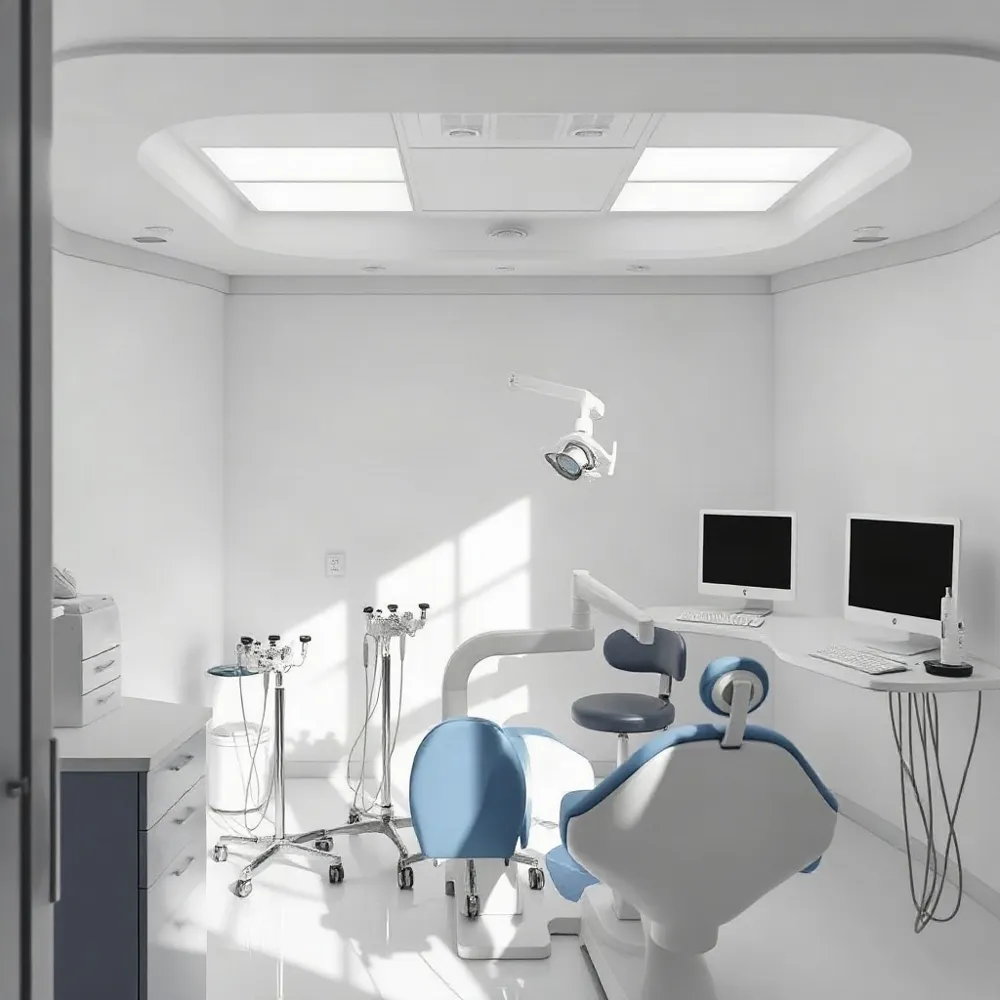
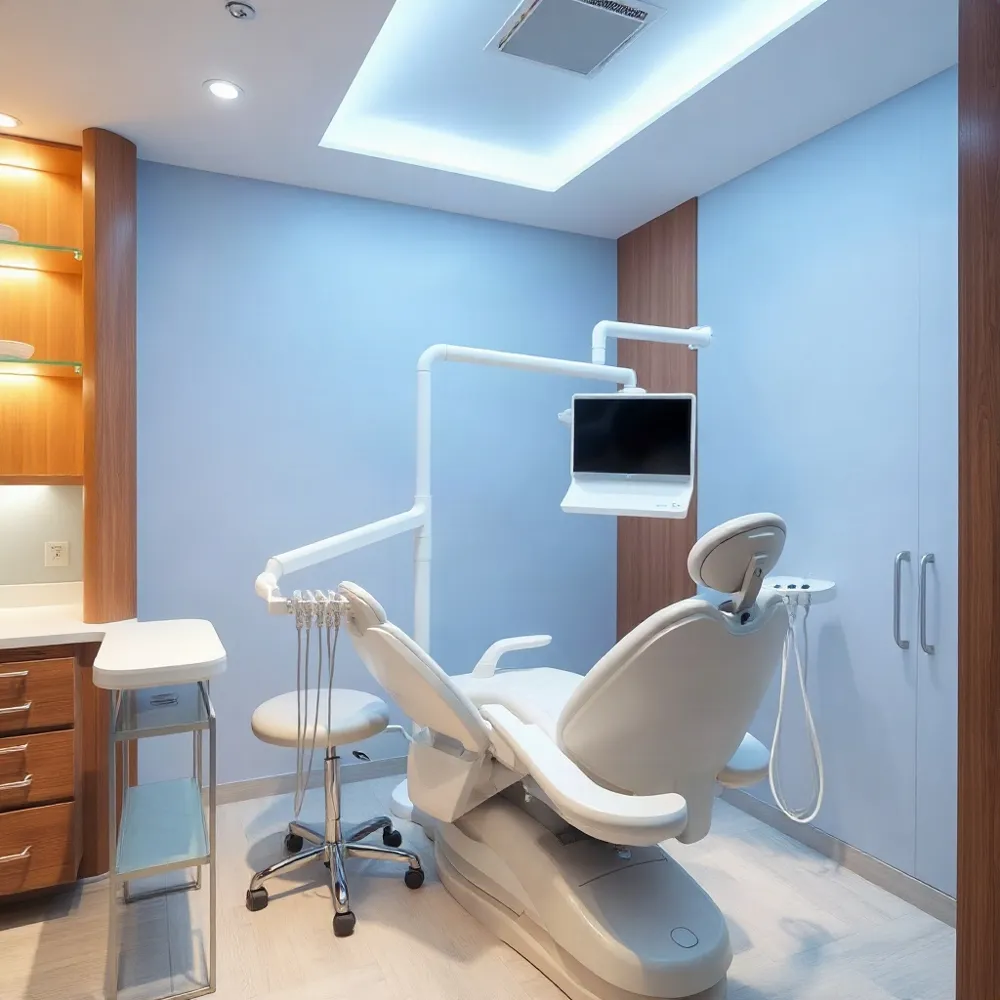
Dental clinics create welcoming, patient-centered environments designed to reduce anxiety and accommodate busy schedules. Extended hours, child-friendly facilities, and caring, professional teams ensure comfort and personalized attention during every visit.
Access to comprehensive age-appropriate services in one location
Family dental practices provide a broad spectrum of care, from pediatric preventive treatments like dental sealants and fluoride varnish to adult restorative procedures such as crowns, implants, and cosmetic dentistry. This enables families to receive coordinated care tailored to each member's unique needs without traveling to multiple providers.
What types of dental services are typically offered by a family-oriented dental practice?
A family-oriented dental practice offers many services for all ages, including routine exams, cleanings, fillings, fluoride treatments, and dental sealants. They also provide restorative care like crowns, bridges, implants, and cosmetic options such as whitening and veneers. Orthodontic treatments like braces and aligners, oral surgery, and sedation dentistry may also be available. These practices focus on comprehensive, personalized care to support lifelong oral health for the entire family.
7. Manage Special Considerations for Seniors and Children
Addressing Dry Mouth and Increased Decay Risk in Older Adults
Dry mouth is a common issue among seniors, often caused by medications or health conditions. This can increase the risk of cavities and infections. To reduce these risks, seniors should stay hydrated by sipping water frequently, avoid irritants such as alcohol and tobacco, and consider using artificial saliva products. See more on Managing dry mouth in seniors and Dry Mouth and Tooth Decay Risk.
Proper Care and Cleaning of Dentures and Prosthetics
For seniors who wear dentures or other dental prosthetics like crowns and bridges, daily cleaning is essential. Dentures should be removed at night and cleaned thoroughly to prevent fungal infections and maintain oral health. Routine dental checkups can help ensure prosthetics fit well and function properly. Learn about Daily Oral Hygiene Practices and Caring for Crowns and Bridges.
Supervising and Motivating Children’s Oral Hygiene
Children require guidance to establish good oral hygiene habits. Parents should supervise brushing until children can reliably rinse and spit, usually around age 6 to 8, ensuring brushing lasts for two minutes twice daily. Motivating children by making oral care engaging with games or rewards can foster lifelong habits. Explore Oral health tips for children and Family Dental Hygiene Guide for Healthy Smiles.
Importance of Early Dental Visits and Fluoride Varnishes for Kids
Early dental visits starting by a child’s first birthday are crucial to identify and prevent dental problems. Fluoride varnish applications during these visits can reduce cavities by about one-third in primary teeth. Introducing a dental home early promotes positive experiences and ongoing preventive care for children. Read more on Early oral health care for children and Preventing cavities in children.
Why is it important for dental care to cater to patients of all ages?
Benefits of continuity and trust
Receiving dental care from a single trusted provider over many years builds strong relationships and comfort for patients. Family dentists become familiar with individual needs and preferences, making regular visits less stressful for everyone.
Early detection of dental and systemic health issues
Regular checkups from childhood through adulthood allow early diagnosis of common problems like cavities, gum disease, and oral cancers. These visits also help identify systemic health concerns linked to oral health, such as diabetes or heart conditions.
Comprehensive, age-appropriate services available in one practice
Family dental practices offer a broad range of treatments—from preventive care for children to restorations, implants, and periodontal therapy for adults and seniors—all under one roof. This convenience encourages consistent care and better oral health outcomes.
Education promoting lifelong healthy habits
Dentists play a key role in teaching patients of every age about brushing, flossing, diet, and lifestyle choices. Starting early and reinforcing good habits throughout life supports healthy smiles and overall wellness.
By catering to patients of all ages, dental care promotes ongoing management, convenience, education, and trust—ensuring better oral and overall health for whole families.
What types of dental services are typically offered by a family-oriented dental practice?
Comprehensive Services for All Ages
Family-oriented dental practices provide a broad spectrum of family-oriented dental services tailored to meet the needs of patients from young children to older adults, ensuring lifelong oral health tips for adults.
Preventive Care
Routine examinations and cleanings are fundamental to prevent dental problems. Fluoride varnish benefits and dental sealants especially help protect children’s teeth against cavities, while professional cleanings maintain gum health for adults.
Restorative Procedures
For treating decay or damage, these practices offer fillings and implants and dental implants in Totowa, NJ. These procedures restore function and appearance, ensuring healthy smiles.
Cosmetic Dentistry
Options such as teeth whitening procedures and porcelain veneers application are available to enhance the smile’s aesthetics, boosting confidence and improving facial contours.
Orthodontic and Surgical Treatments
Many family dental clinics provide orthodontic care including braces and clear aligners, alongside oral surgery services like wisdom teeth removal or implant placement.
Personalized Patient Care
A hallmark of family dentistry is patient education on dental treatments. Dentists listen to concerns, explain options clearly, and accommodate busy schedules with extended hours to make care comfortable and accessible.
By combining preventing cavities in children, restoration, cosmetic enhancements, and personalized education, family dental practices help maintain healthy, beautiful smiles for every member of the household.
How does modern oral healthcare improve patient experiences in dental practices?
Use of digital imaging and low-radiation X-rays
Modern dental offices utilize advanced digital imaging technologies like digital X-rays and 3D cone beam computed tomography (CBCT). These tools provide highly detailed views of teeth and jaw structures while significantly lowering radiation exposure compared to traditional X-rays. This means safer diagnostics and better detection of dental issues early on.
Laser and minimally invasive dentistry
Laser dentistry offers patients a gentler experience by reducing discomfort, bleeding, and swelling during treatments. It often eliminates the need for drills and sutures, allowing faster healing times and less anxiety, particularly beneficial for patients sensitive to conventional methods.
Same-day restorations via CAD/CAM technology
Computer-Aided Design and Manufacturing (CAD/CAM) technology enables dental practices to design, craft, and place restorations like crowns and bridges in a single visit. This advancement cuts down treatment time, reduces multiple appointments, and enhances convenience for patients who can leave with a beautiful, functional smile after just one session.
Enhanced patient education with intraoral cameras
Intraoral cameras allow dentists to capture real-time images inside the mouth and share them with patients on screens. This visual aid improves communication, helping patients understand their oral health conditions and treatment options clearly and confidently.
Improved scheduling and teledentistry options
Dental offices increasingly provide flexible scheduling with extended hours and offer teledentistry services. Remote consultations enable patients to discuss concerns, receive guidance, and even get preliminary assessments from home, making dental care more accessible and accommodating to busy lifestyles.
The integration of these technologies and approaches in modern oral healthcare creates a more comfortable, informed, and efficient patient experience, supporting better outcomes and ongoing oral health maintenance.
Building Healthy Smiles Together: A Family Approach to Dental Care
Reinforcing the Importance of Consistent Dental Habits
Good oral hygiene starts at home with brushing twice daily using fluoride toothpaste and daily flossing. Establishing these habits early encourages lifelong dental health for every family member.
Engaging the Whole Family in Oral Health
Involving children and adults alike—with fun and supportive routines—strengthens commitment. Family activities around oral care make the process enjoyable and effective.
Leveraging Professional Dental Care and Modern Technology
Regular dental visits enable early detection and personalized care. Utilizing advanced tools like digital X-rays and laser treatments ensures comfortable, accurate care for all ages.
Committing to Ongoing Education and Preventive Practices
Staying informed about oral health advances and maintaining preventive practices like diet management, hydration, and avoiding tobacco supports overall well-being and healthier smiles.