Welcome to a Stress‑Free Dental Experience
Dental anxiety is a common, normal response that can lead patients to avoid care, resulting in poorer oral health and more complex treatment needs. A family‑oriented practice like ours understands that a warm, welcoming environment, clear two‑way communication, and a sense of control are essential for calming nerves. We combine gentle communication techniques—such as tell‑show‑do, stop‑signaling, and deep diaphragmatic breathing—with modern comforts like soft music, dim lighting, and lavender aromatherapy. Advanced technologies, including computer‑controlled anesthetic delivery and quiet digital instruments, reduce needle pain and drill noise. For moderate to severe fear, we offer nitrous‑oxide inhalation, oral benzodiazepines, or IV sedation, all tailored to each patient’s comfort level. Together, these strategies create a personalized, stress‑free dental visit that supports lifelong oral health.
Understanding Dental Anxiety and Its Prevalence
 Dentophobia – Dentophobia (also called dental phobia) is an intense, often debilitating fear of visiting the dentist that leads many to avoid needed care. Roughly 12 % of Americans experience dentophobia, while up to 75 % report some level of dental anxiety. It commonly stems from traumatic dental experiences, negative media portrayals, or a generalized fear of loss of control. Symptoms include trouble sleeping, nausea, shortness of breath, trembling, sweating, and even fainting before or during appointments.
Types of dental phobia – Patients may fear pain, needles or injections, loss of control in the chair, the sight or sound of drills, suction devices, or the smell of the office. Other specific phobias include gag reflex anxiety, hemophobia (blood), and embarrassment about oral condition.
Dental anxiety symptoms – Physical signs: sweating, racing heartbeat, trembling, shortness of breath, nausea, fluctuating blood pressure, fainting. Emotional signs: dread, crying, panic, visible distress. Behavioral signs: avoidance, humor or aggression to mask fear, frequent cancellations.
What causes dental anxiety – Causes are both exogenous (painful past visits, media, learning from others) and endogenous (genetic predisposition, high trait anxiety, fight‑or‑flight response). Common triggers are needles, drills, blood, choking sensations, and perceived loss of control.
How common is dental anxiety – Studies show 10‑20 % of adults have clinically significant anxiety, with moderate‑to‑high anxiety in about 19 % and severe anxiety in near 7 %. National surveys report 72.6 % of adults experience some fear, 45.8 % moderate, and 26.8 % severe.
Fear of dentist phobia name – The clinical term is dentophobia, also known as odontophobia, describing persistent, intense anxiety about dental treatment. Our family‑oriented practice uses gentle communication, calming environments, progressive tech (computer‑controlled anesthetic delivery, laser dentistry), and personalized anxiety‑reduction options—including deep‑breathing guidance, music, aromatherapy, and nitrous‑oxide or oral sedation—to ensure a comfortable, supportive experience for every patient.
Preparing for Your Appointment: Screening, Planning, and Quick Tips
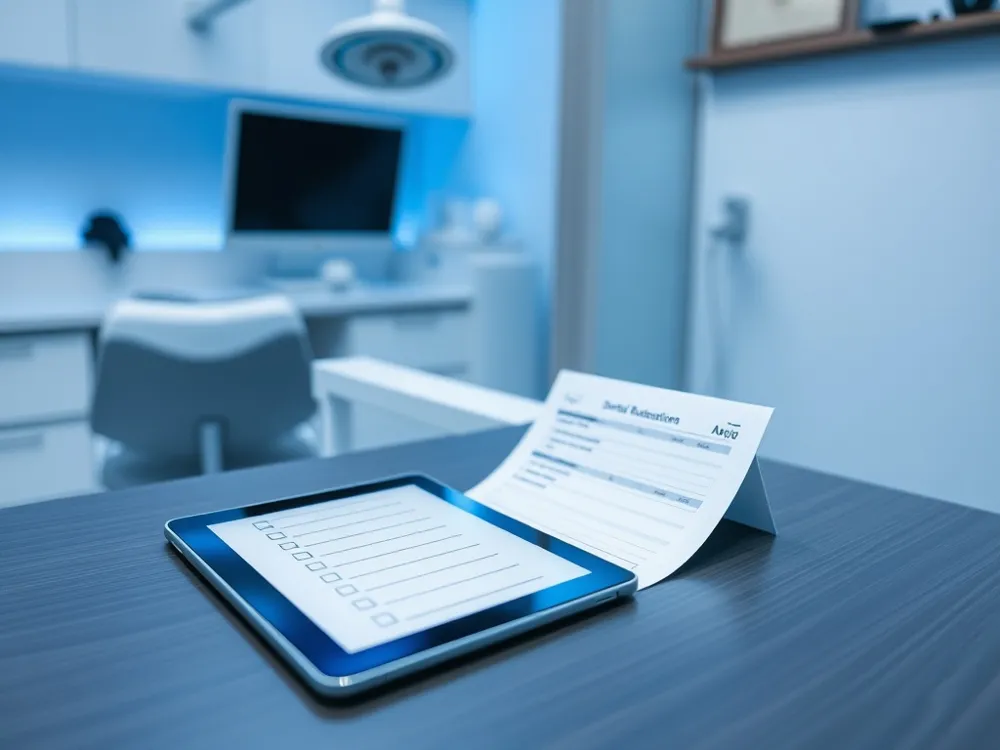
How is dental anxiety identified before an appointment?
Many dentists use brief questionnaires to gauge your comfort level before you even sit in the chair. Common screening tools include Corah’s Dental Anxiety Scale (CDAS), the Modified Dental Anxiety Scale (MDAS), and the Dental Fear Survey (DFS). A CDAS score above 15, an MDAS score of 19 or higher, or a DFS score of 60 or above suggests significant anxiety that may require a tailored approach. Your dental team may also ask about past experiences and specific triggers during a short interview to create a personalized care plan.
What is the “2‑year rule” for dentists?
The “2‑year rule” is a safety net, not a recommendation. Waiting two years or more between visits allows cavities and gum disease to develop silently, often leading to more complex and costly treatment. Most dental professionals advise check‑ups every six months, or as individually recommended, to catch problems early. Regular visits build familiarity with the office and staff, naturally reducing anxiety over time.
What medication or supplements can help before a visit?
For mild nervousness, an over‑the‑counter herb like Kalms (valerian and hops) may offer some calm, but it is not a substitute for proven dental sedatives. If your anxiety is moderate to severe, your dentist can prescribe a short‑acting oral anxiolytic such as diazepam (Valium), to be taken about an hour before your appointment. In‑office options include nitrous oxide (laughing gas), oral sedation pills, or IV sedation for more extensive work. Always discuss any supplements or medications with your provider to avoid interactions.
What are evidence‑based calming techniques I can use?
Deep breathing exercises are highly effective. The 3‑4‑5 technique—inhale through your nose for three seconds, hold for four seconds, and exhale through pursed lips for five seconds—activates the parasympathetic nervous system. Progressive muscle relaxation, guided imagery, and listening to music or a podcast through headphones also lower physiological arousal. Bringing a stress ball or fidget toy can help release tension, and having a trusted friend or family member in the waiting room provides emotional support.
Quick tips from online communities (a Reddit‑style summary)
- Bring headphones to block drill sounds.
- Ask your dentist to explain each step before starting.
- Schedule the first appointment of the day to avoid waiting.
- Use a hand signal (like raising your hand) to pause treatment.
- Reward yourself afterward—a favorite treat or activity reinforces a positive experience.
Anxiety‑reduction protocol in dentistry: an overview
| Step | Description | Example |
|---|---|---|
| Pre‑appointment screening | Identify anxiety using validated scales and a brief interview. | CDAS or MDAS questionnaire at booking. |
| Education & communication | Explain each step with clear, calming language and visual aids. | Show a video about a routine cleaning. |
| In‑office behavioral techniques | Guided imagery, deep breathing, distraction, and positive reinforcement. | “3‑4‑5” breathing exercise. |
| Adjunctive medication (as needed) | Nitrous oxide, oral sedative, or IV sedation for moderate‑to‑severe anxiety. | Diazepam taken one hour prior. |
| Monitoring & patient control | Physiological checks and a “stop signal” for patient to pause treatment. | Heart rate monitor and hand‑signal system. |
| Post‑procedure follow‑up | Reinforce coping strategies, address concerns, and schedule next visit. | Phone call or text within 24 hours. |
In‑Office Tools for Immediate Relief
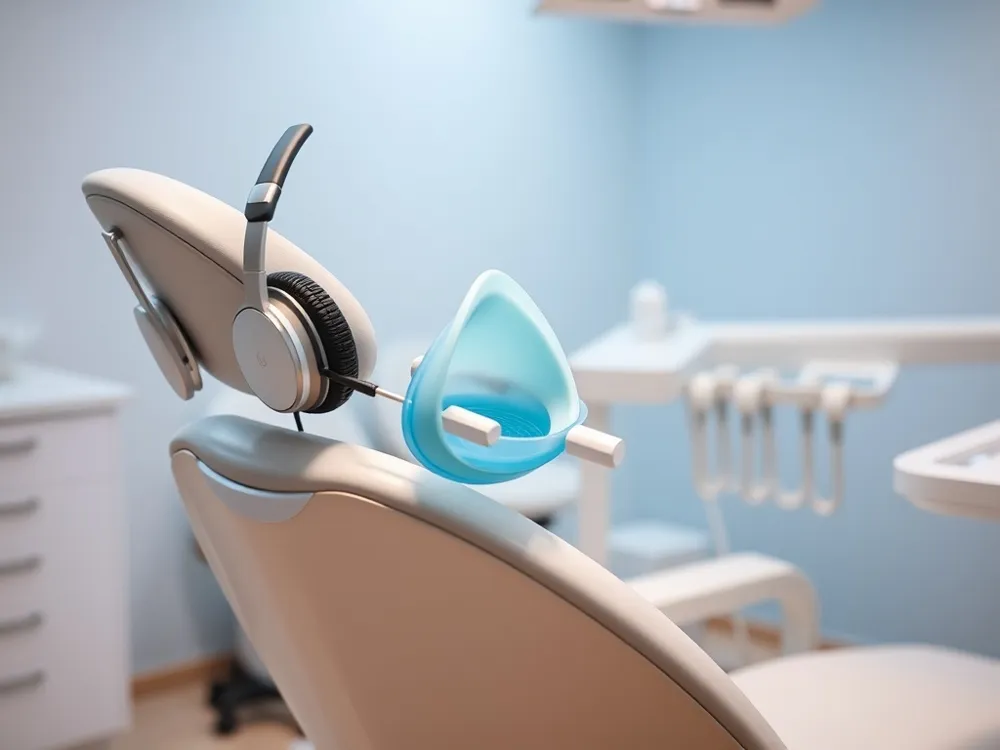 When anxiety spikes during a dental visit, our practice offers a suite of in‑office tools to keep you comfortable and in control. Medication options range from mild inhalation sedation with nitrous oxide—often called laughing gas—to oral benzodiazepines and, for deeper relaxation, intravenous agents such as propofol, all administered under strict monitoring. Nitrous oxide works within minutes, provides gentle anxiolysis and mild analgesia, and wears off rapidly so you can drive home right after treatment. To reinforce a sense of control, we use a simple stop‑signal system: a hand‑raised cue or a pre‑agreed word lets you pause the procedure whenever needed. Distraction methods include headphones for music or podcasts, TV screens, and even virtual‑reality headsets that shift focus away from drills and needles. Finally, we tailor each visit for anxious adults by combining these techniques with a calming environment—soft lighting, aromatherapy, and a friendly, patient‑centered staff. Whether you need a quick cleaning or a complex restoration, these tools help you receive the care you deserve without overwhelming fear.
Long‑Term Therapeutic Approaches and Family‑Focused Care
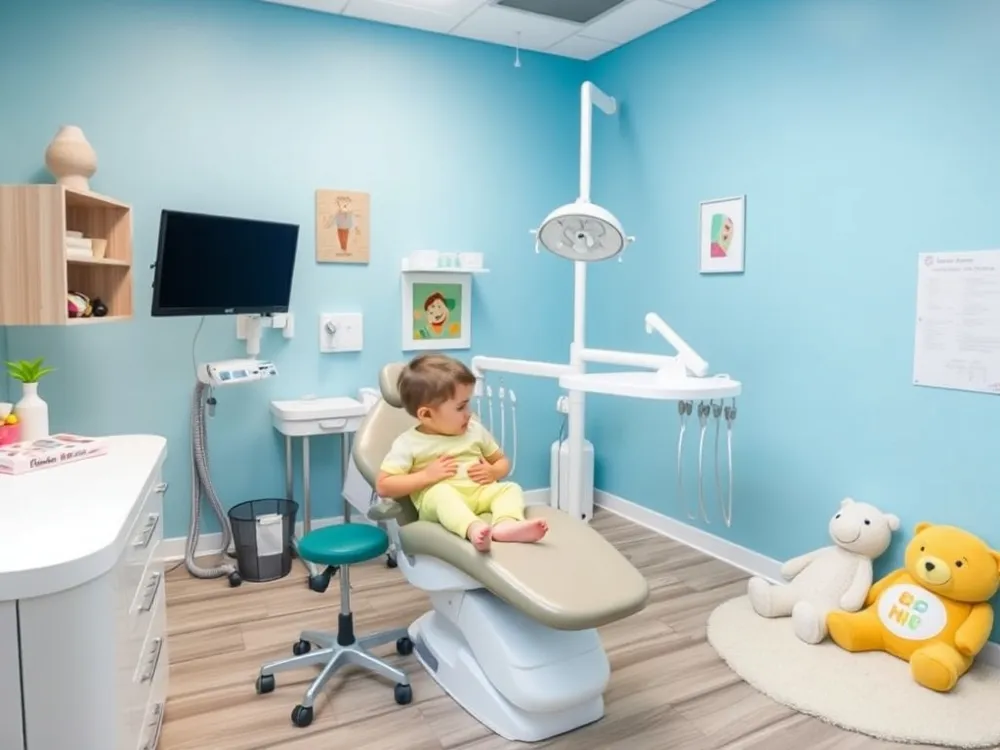 Effective dental anxiety management starts with open, two‑way communication. When patients share their fears, the team can tailor coping strategies such as deep‑breathing, Jacobsen’s progressive muscle relaxation, or guided imagery that are practiced before and during treatment. For mild‑to‑moderate anxiety, nitrous‑oxide inhalation or oral sedatives provide safe, short‑term relief while the patient stays conscious. Severe anxiety benefits from evidence‑based cognitive‑behavioral therapy (CBT) and systematic desensitization, which reframe negative thoughts and gradually expose patients to dental stimuli in a controlled way.
Children receive special attention: tell‑show‑do, age‑appropriate distractions (toys, music, storytelling) and positive reinforcement build trust and reduce fear. Modern, child‑friendly technology—quiet handpieces, intra‑oral cameras, and computer‑controlled anesthetic delivery—minimizes discomfort and needle‑related triggers.
Patients returning after long gaps are invited for a relaxed consultation, with step‑by‑step explanations, optional “stop” signals, and gentle sedation options to ease the transition.
A calm office atmosphere—soft lighting, soothing aromas, and soothing distractions—combined with compassionate communication and personalized care ensures every family member, from the youngest to the adult who hasn’t visited in years, feels safe, heard, and confident in their oral‑health journey.
Putting It All Together at Best Choice Dental
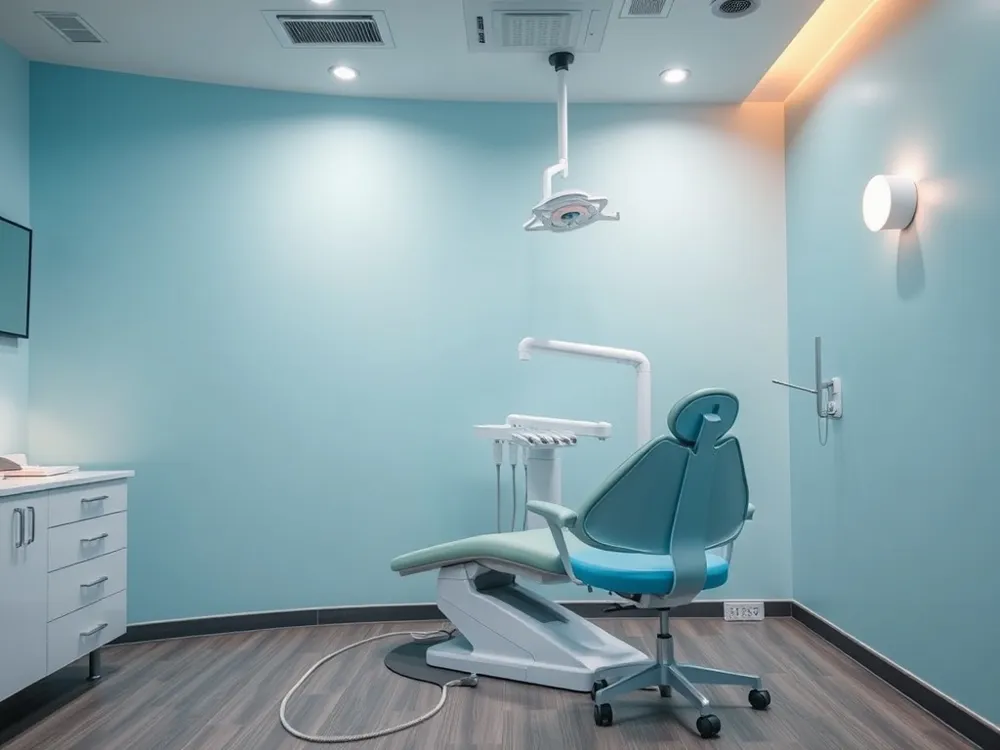 Best Choice Dental in Totowa, NJ, blends a family‑oriented atmosphere with cutting‑edge technology to make every visit comfortable for patients of all ages. Our welcoming office features soft lighting, soothing colors, and private treatment rooms that reduce sensory triggers, while our friendly staff greets you by name and explains each step using the iatrosedative technique. Before any procedure we conduct a brief anxiety assessment—using tools like the MDAS or a simple interview—and then craft a personalized anxiety‑reduction plan. Options range from tell‑show‑do, progressive muscle relaxation, and guided imagery to nitrous‑oxide inhalation, oral benzodiazepines, or IV sedation for deeper needs, all administered by trained professionals who monitor vital signs throughout. Scheduling is flexible; you can book early‑morning appointments to avoid rush hour, request shorter “intro” visits to build confidence, and receive follow‑up calls to address any post‑treatment concerns.
Scared of dentist but need treatment near me – If anxiety is holding you back, our team offers gentle dentistry, on sedation, and a pause‑signal system so you stay in control. Discuss your fears during the initial consult, and we’ll tailor a low‑stress treatment plan that minimizes visits while ensuring safe, effective care.
Dental anxiety in children – Children often fear pain or the unknown. We create a child‑friendly environment with toys, music, and tell‑show‑do demonstrations, reinforcing positive behavior with praise. For more severe fear, pediatric‑appropriate sedation options are available, allowing a calm, painless experience that builds lifelong confidence in oral health.
Your Path to a Confident Smile Starts Here
To ease dental fear we use gentle communication, soothing music, aromatherapy, and modern tools like computer‑controlled anesthetic delivery and quiet handpieces. Practice our guided‑breathing and progressive‑muscle relaxation techniques, and consider nitrous‑oxide or oral sedation when needed. Call today to book a calming consultation—our team will support you at every visit. Your comfort is our priority, throughout each visit.