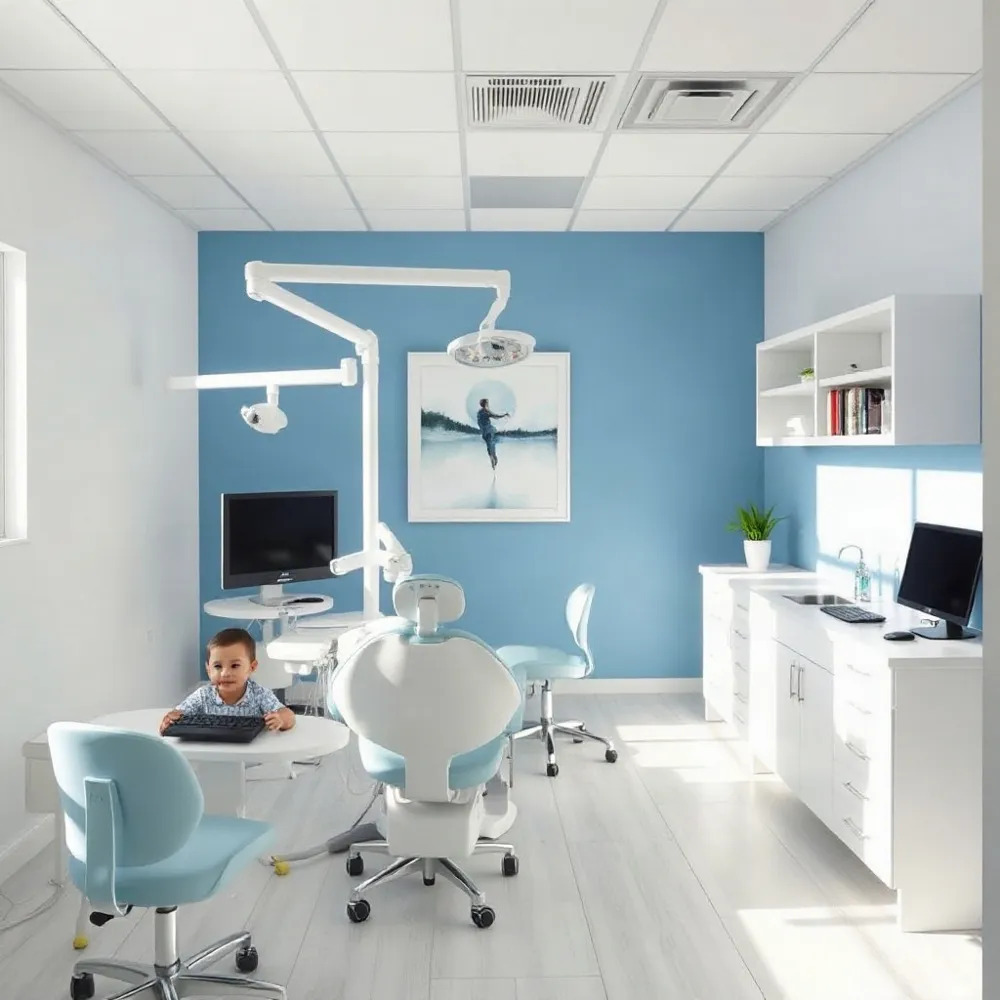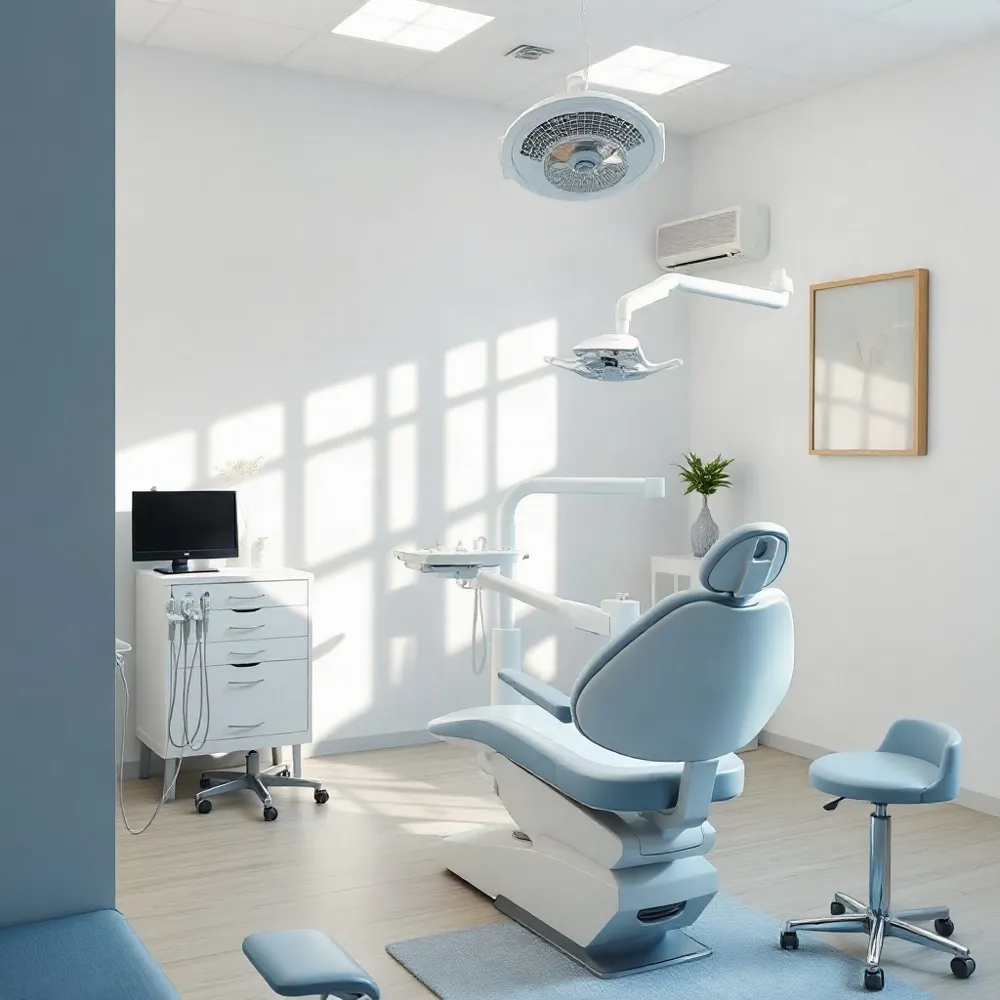
A Reassuring First Step
A first dental appointment can bring curiosity and worry for both a child and caregiver. New sights, sounds, and people may feel unfamiliar, while parents may wonder how their child will respond. Those feelings are common, and children do not all approach care in the same way.
The first visit is more than a response to pain or a visible problem. It gives the dentist a chance to check how the teeth and mouth are developing, answer practical questions about care at home, and help the child become familiar with the dental setting. An early, calm introduction can make future visits feel less unknown.
At Best Choice Dental, a family-oriented practice in Totowa, care is personalized to each patient. The visit can be guided by a child’s age and comfort, with time for caregivers to share concerns and help their child feel supported.
When to Schedule the First Visit
 Plan a child’s first dental visit by their first birthday or within six months after the first tooth appears, whichever comes first. Families can schedule sooner if they have questions or concerns. The American Dental Association’s guidance on a baby’s first dental visit explains why care should begin soon after teeth emerge.
A child may seem well, but plaque can collect on newly erupted teeth, and cavities can develop. An early checkup gives the dental team a chance to assess the mouth and offer caregivers practical advice on cleaning, feeding, and cavity prevention. At Best Choice Dental in Totowa, families can discuss their child’s needs as part of the practice’s family-oriented care.
Regular checkups also let the dentist follow tooth eruption, jaw growth, the bite, and alignment over time. Children develop at different rates, so the timing of new teeth and other changes varies. A dentist can consider that individual pattern when discussing concerns or recommending next steps.
Starting early helps make dental visits a familiar part of routine healthcare, while giving caregivers time to ask questions before a problem arises. A 2021 study found an association between earlier first visits, more frequent visits, and lower dental fear among the children studied; it does not establish that timing alone determines how any child will feel (research on dental fear in children).
After the first appointment, checkups are generally scheduled every six months. The dentist may suggest a different interval based on a child’s oral health, development, or comfort, so families can ask the team at Best Choice Dental what schedule fits their child.
What the First Checkup May Include
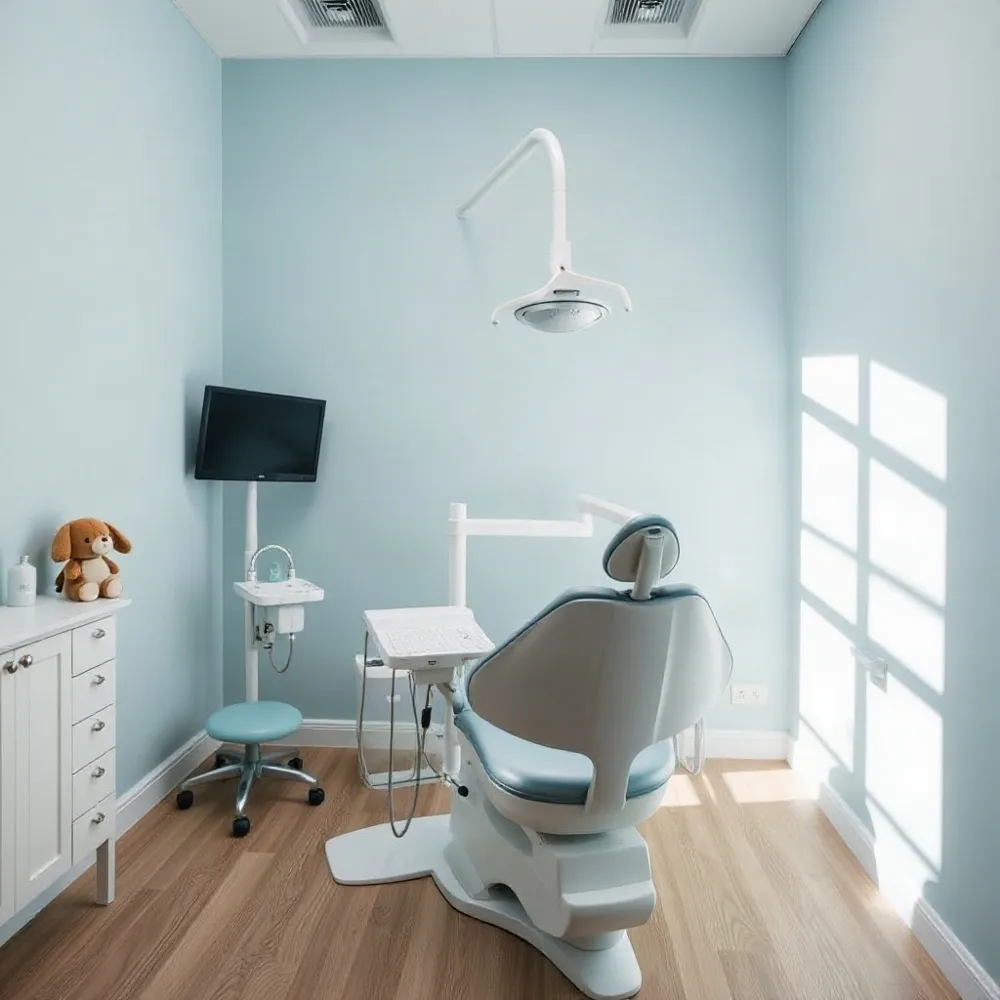 A first appointment often takes about 30 to 45 minutes, though the length and activities depend on a child’s age, comfort, and needs. The goal is to check oral health while helping the child get used to the setting, not to follow a fixed script. Stanford Children’s Health’s first-visit guidance describes what families may expect.
The dentist may look at the teeth, gums, jaws, bite, and other oral tissues to assess growth and check for concerns. A gentle cleaning may be offered when appropriate, but it is not part of every first visit. For an infant or toddler, an exam may be done with the child sitting on a caregiver’s lap.
Parents can ask about cleaning the mouth, brushing, fluoride, feeding, teething, pacifier use, finger-sucking, and preventing baby-bottle tooth decay. At Best Choice Dental, personalized care means families can share their questions and the child’s needs with the dental team, so guidance can suit the child’s stage of development.
X-rays are not routine for every young child. A dentist may recommend them when needed to assess a specific concern, such as possible decay. Wiggling or tears can happen during a new experience, and the team can adapt the exam to the child’s comfort. The American Dental Association’s first-visit guidance also notes that a caregiver may hold a child who does not want to sit alone.
Building Comfort Before and During Care
A little preparation can make an unfamiliar appointment feel more predictable. Describe the visit in simple, upbeat terms, such as meeting the dentist and counting teeth. A child-friendly book or pretend checkup at home can help your child practice opening their mouth. Letting them bring a favorite toy or blanket may also offer reassurance.
Choose a time when your child is usually rested and settled. Morning appointments may suit some young children, though each child’s routine is different. At Best Choice Dental, families can share their child’s needs with the team so care can be approached with comfort and individual attention in mind.
Caregivers can set a calm tone by avoiding frightening words, threats, or descriptions of dental care as punishment. Before the appointment, tell the dental team about your child’s questions, health history, sensory sensitivities, or past difficult experiences. This gives the team useful context for responding gently and explaining what is happening.
Readiness to cooperate or separate from a parent varies with a child’s age, temperament, and development. General age patterns are not guarantees, so ask what approach may suit your child rather than expecting them to respond like other children. The first-visit guidance from Stanford Medicine Children’s Health also advises parents to discuss concerns and their child’s needs with the dentist.
A 2021 observational study found that earlier first visits and more frequent visits were associated with lower dental fear among the children studied, but it cannot show that visit timing alone determines how an individual child will feel. Positive or neutral appointments may make later care more familiar; one difficult visit does not define future visits. Research on dental fear in children supports treating familiarity as something that can grow over time.
Preventing Tooth Decay Early
 Tooth decay, also called dental caries or cavities, is damage to tooth structure. Mouth bacteria produce acids that weaken enamel, and frequent exposure to sugary foods and drinks can raise the risk. CDC data show that nearly one in five children aged 6 to 8 has at least one untreated cavity in a baby tooth. CDC information on children’s oral health describes tooth decay as a common childhood health problem.
At Best Choice Dental in Totowa, early checkups give families a chance to raise questions about brushing, diet, fluoride, and a child’s developing teeth. Regular visits can help identify concerns and support a prevention plan suited to the child. The dentist can also discuss whether fluoride treatments or sealants are appropriate.
Home care starts before teeth appear: gently wipe the gums with a clean, damp cloth. Once the first tooth emerges, brush with a soft-bristled toothbrush and a rice-grain-sized amount of fluoride toothpaste. After age three, use a pea-sized amount. Aim to brush twice daily, and limit frequent sugary snacks and drinks.
For bottle-fed children, finish feeds before sleep and brush afterward; encourage a cup around the first birthday. Caregivers should help with brushing until children can do it well on their own, often around ages seven or eight. For practical family routines, see these family dental care tips.
When a Child Resists Treatment
If a child refuses care, stay calm and avoid scolding or forcing them. Pressure can heighten distress, while a steady, reassuring response gives the dental team room to understand what is making the visit difficult.
Tell the team about your child’s health history, sensory needs, worries, and any difficult past experiences. The American Academy of Pediatric Dentistry’s behavior guidance supports adapting communication and care to a child’s needs; the dentist can discuss which approaches may fit your child.
Depending on the situation, a child-centered approach may involve explaining each step, showing a tool before using it, pausing for breaks, or beginning with a brief introductory visit when clinically appropriate. These are possibilities, not guaranteed accommodations at every practice. At Best Choice Dental, care is personalized, and caregivers can ask the team what adjustments may be suitable.
Ask whether the planned care can be adjusted and discuss any treatment or comfort options in light of your child’s needs and medical history. If a dental concern seems urgent, contact the practice promptly rather than waiting for your child to feel fully comfortable.
Questions About Sedation and Medication
Some children and procedures may call for sedation or anesthesia, but medication is not routinely necessary and no option is risk-free. The decision should reflect the child’s health, the planned treatment, and whether non-medication approaches may be appropriate. At Best Choice Dental, family dental care is personalized to each patient, so caregivers can raise concerns and discuss their child’s needs with the dental team.
Is anesthesia or sedation safe for a young child?
It may be suitable for some children when carefully planned, but safety depends on the child, the procedure, appropriate training, monitoring, and recovery care. Before treatment, discuss your child’s health history, current medicines, and any past reactions. Ask about expected benefits and risks, alternatives, how breathing and other vital signs will be monitored, and what to expect during recovery. Follow the team’s instructions about eating, drinking, and aftercare. For background on sedation and medication options.
Making Dental Care Familiar
An early dental visit is a gentle start to preventive care, not a test of how well a child sits still or cooperates. The American Dental Association recommends a first visit after the first tooth appears and no later than the first birthday; families can review its guidance on a baby’s first dental visit.
Bring questions about brushing, feeding, teething, or follow-up visits, and share any concerns about your child’s health or comfort. At Best Choice Dental in Totowa, families can discuss their child’s needs with a team providing care for patients of all ages, with guidance tailored to the individual.
Each child responds differently, so ask the dental team what home care and visit schedule make sense. With steady, supportive experiences, dental care can become a familiar part of growing up.