Why Asthma Matters for Oral Health
Children with asthma face a unique set of oral‑health challenges that begin with the condition itself. Inhaled medications often dry the mouth, reducing saliva’s natural buffering and antibacterial actions. This xerostomia creates a breeding ground for cavity‑causing bacteria and accelerates plaque buildup, raising the risk of both caries and gum disease. Many inhalers contain acidic or sugar‑based propellants, and chronic steroid use can erode enamel and promote oral thrush. Together, these factors make asthmatic children more vulnerable to decay, gingivitis, and even enamel defects. At our practice we combine state‑of‑the‑art fluoride varnish, sealant applications, and digital imaging with gentle, personalized care. Our pediatric dentists work closely with each child’s pediatrician to coordinate medication timing, use spacers, and provide tailored hygiene coaching—ensuring a comfortable visit while protecting the smile for life.
Understanding Asthma Medications and Dental Risks
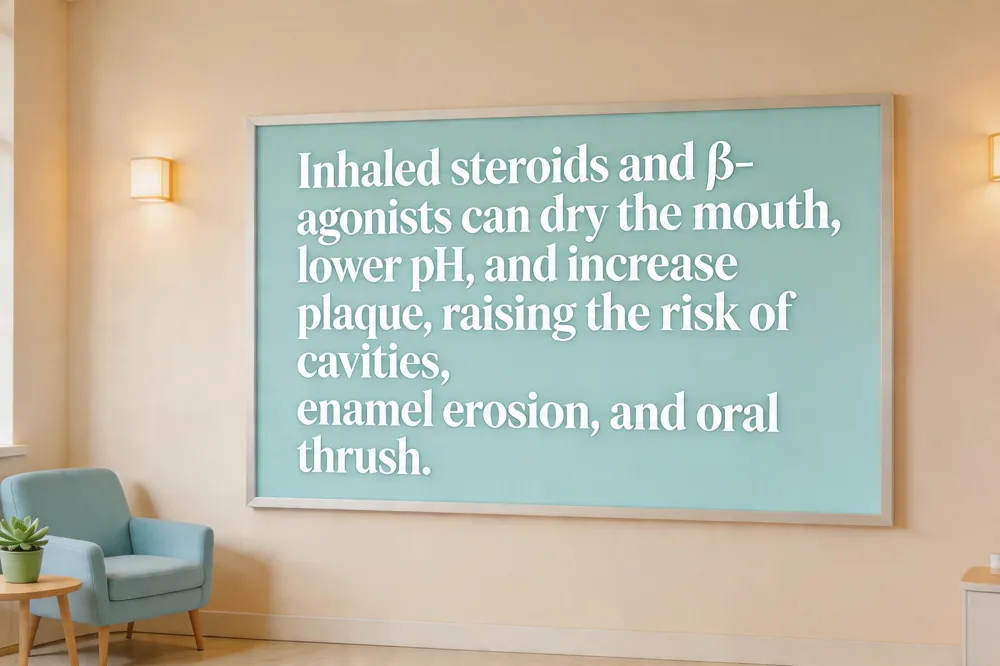 Children who use inhaled asthma medicines—especially corticosteroids such as fluticasone, budesonide, or beclomethasone, and short‑acting β‑agonists like albuterol—face a unique set of oral‑health challenges. These drugs can dry the mouth by lowering saliva flow, which removes the natural flushing and buffering action that protects teeth. A dry environment encourages plaque‑forming bacteria, promotes gum irritation, and raises the chance of oral thrush. Many inhaler formulations are acidic or contain sweeteners, which can erode enamel and increase caries risk.
Albuterol dental side effects – Albuterol’s β‑agonist action reduces saliva, leading to xerostomia, higher plaque accumulation, and enamel demineralization. Its acidic propellant may also irritate oral tissues. Rinsing the mouth with water or brushing after each use, staying well‑hydrated, and chewing sugar‑free gum can mitigate these effects.
Our pediatric dental team uses state‑of‑the‑art fluoride varnish, sealants, and digital imaging to catch early decay, and we tailor preventive plans that include spacer use, rinsing protocols, and dietary counseling. We coordinate with your child’s pediatrician to ensure asthma is well‑controlled before any dental work, providing a safe, comfortable, and personalized experience for every visit.
Daily Oral Hygiene Habits for Asthmatic Children
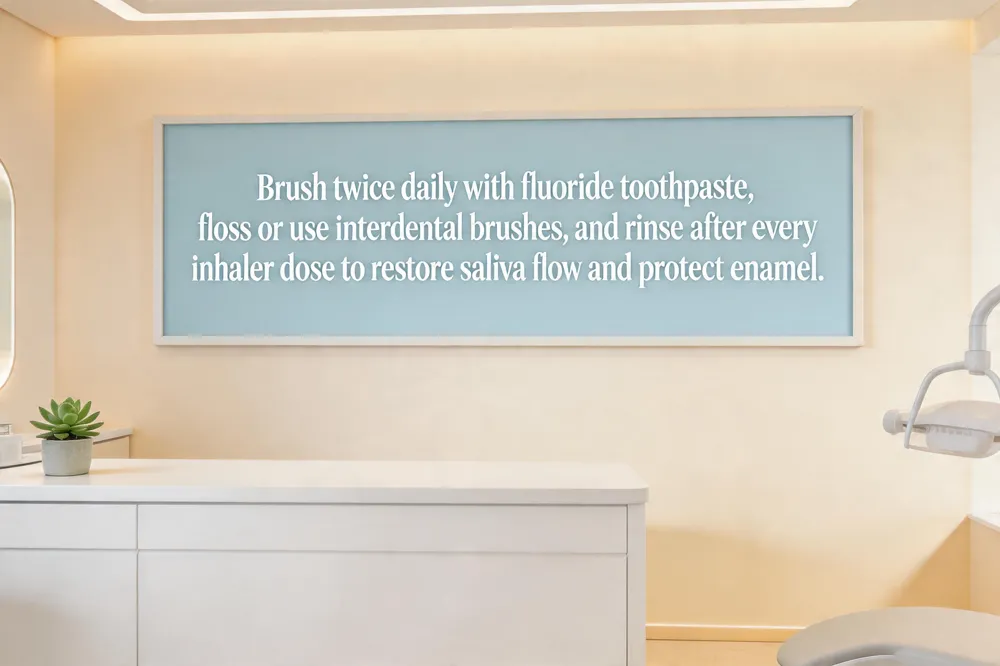 Keeping a child’s mouth clean is essential for asthma‑friendly dental health. Brush twice daily with a brush held at an angle; short, gentle strokes clean outer, inner and chewing surfaces, ending with a tongue sweep. Nightly flossing or interdental brushes removes plaque where the brush can’t reach, lowering cavity and gum‑disease risk. Choose an ADA‑seal fluoride toothpaste: a rice‑sized smear for under‑three, a pea‑sized amount for ages three to six, and a pea‑size for older kids; fluoride strengthens enamel and counters acidic inhaler residue. After each inhaler dose, rinse with water or a fluoride mouthwash and sip water throughout the day to stay dry mouth and promote saliva flow, helping to increase plaque control.
What toothpaste is good for asthma? A flavour‑free, hypo‑allergenic fluoride toothpaste such as TRI‑BIO Natural Eco Toothpaste for Sensitive Teeth avoids artificial aromas and sodium‑lauryl‑sulphate, protecting enamel without irritation.
Can brushing teeth help with asthma? Proper brushing and flossing reduce oral bacteria, which can lessen airway irritation and improve breathing comfort.
Asthma and oral health – Inhaled medicines dry mouth, increase plaque and may cause thrush; rinsing, hydration, cleanings, fluoride varnish and sealants at our office keep teeth strong and gums healthy.
Dental Visit Planning and Professional Care
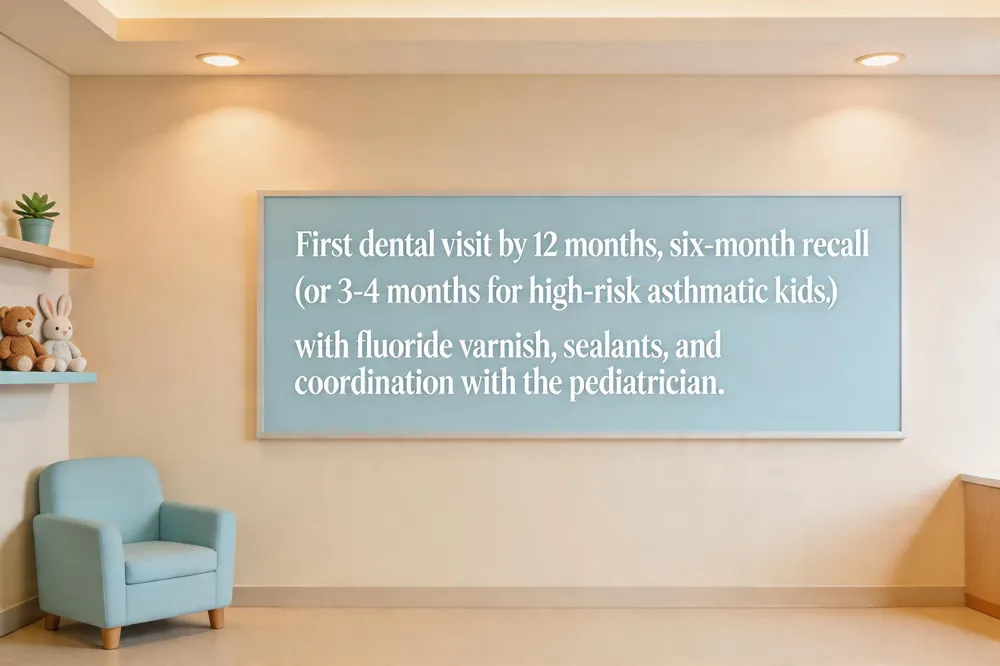 First dental check‑up timing – The American Academy of Pediatric Dentistry recommends that a child's first dental visit occur by 12 months of age or six months after the first tooth erupts. Early exams let the pediatric dentist monitor the impact of asthma medications on oral health and set up a preventive plan.
Frequency of routine exams and cleanings – For most children a six‑month recall is sufficient. Asthmatic children at higher risk for cavities may need appointments every three to four months to catch decay early and reinforce hygiene habits.
Fluoride varnish, sealants, and high‑fluoride toothpaste – Professional fluoride varnish (up to four times a year) and sealants on molars provide extra protection. Use an ADA‑approved fluoride toothpaste (pea‑size for ages 3‑6, smear for younger) and consider a higher‑fluoride prescription paste if the dentist deems the child high‑risk.
Coordinating with pediatrician/pulmonologist – Share a complete medication list, recent asthma attacks, and the child’s asthma action plan with the dental team. Dental professionals need to know the child’s asthma severity, medication dosages, inhaler type, and any recent asthma attacks to plan safe treatment.
Dental management of asthmatic patient pdf – The PDF outlines pre‑appointment screening, medication review, and strategies such as post‑inhaler rinsing, spacer use, and keeping a rescue bronchodilator nearby. It also covers preventive measures like fluoride varnish and saliva‑stimulating products, and emergency protocols for bronchospasm. Dental management of asthmatic patient pdf
Dental local anesthesia for asthmatic patient – Assess asthma control, avoid high‑dose epinephrine, schedule late‑morning appointments, have the child use a short‑acting bronchodilator beforehand, and keep a rescue inhaler ready. Use a latex‑free, well‑ventilated environment and postpone elective work if asthma is poorly controlled. Dental local anesthesia for asthmatic patient
Managing Inhaler Use and Reducing Oral Side Effects
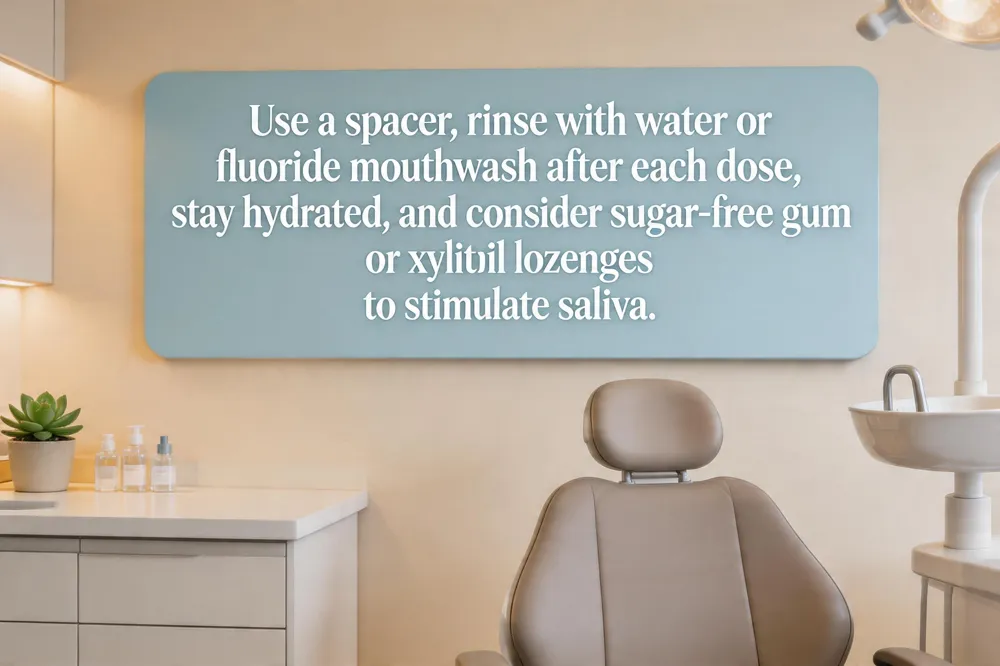 Children with asthma often need inhaled medications](https://www.lsusd.lsuhsc.edu/kids_teeth/docs/Asthma.pdf) that can dry the mouth, lower pH, and leave sugary or acidic residue on teeth. Using a spacer or mask attachment with a metered‑dose inhaler directs most of the drug to the lungs and dramatically cuts the amount that lands on the teeth and tongue. After every dose, a quick rinse with water—or a fluoride‑rich mouthwash—removes leftover particles; wait about an hour before brushing to avoid irritating sensitive enamel. Keeping the child well‑hydrated and offering sugar‑free gum or xylitol lozenges between meals stimulates saliva, which naturally buffers acids and helps remineralize enamel. If mouth‑breathing is common, encourage nasal breathing techniques and consider a humidifier at night to lessen xerostomia. At Best Choice Dental we combine these home‑care tips with professional fluoride varnish, sealants, and regular six‑month check‑ups using state‑of‑the‑art imaging to catch early decay. Inhalers don’t “ruin” teeth, but their acidic propellants and reduced saliva can increase cavity risk. Simple steps—spacer use, rinsing, hydration, and diligent brushing—paired with personalized dental plans keep your child’s smile healthy while asthma is well‑controlled.
Special Considerations and FAQ for Parents
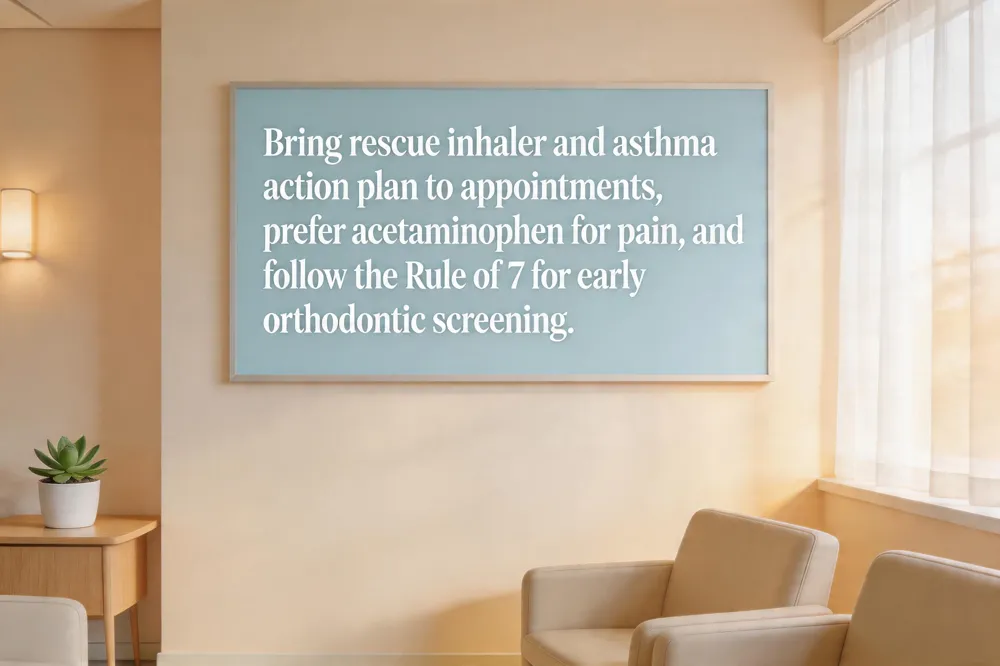 Rule of 7 orthodontic screening – The American Association of Orthodontists recommends a first orthodontic evaluation by age 7, when permanent molars and most incisors have erupted. Early detection of crowding, bite issues, or crossbites lets us intervene before problems worsen.
Emergency asthma action plan during dental visits – Bring your child’s rescue inhaler and a written asthma action plan. Our team reviews medication lists, coordinates with your pediatrician, and is prepared to administer emergency medication if wheezing or coughing occurs.
Nitrous oxide safety and pain management – For children with mild‑to‑moderate asthma, laughing gas is generally safe. We confirm asthma control, use low‑flow delivery, and monitor oxygen levels throughout the procedure.
Acetaminophen vs. ibuprofen for toothaches – Acetaminophen is the preferred analgesic because it does not trigger bronchospasm. Ibuprofen can be used only after your physician’s approval.
FAQ
- What is the rule of 7 in pediatric dentistry? The Rule of 7 advises a first orthodontic check‑up by age 7 to catch early bite problems.
- Asthma and oral health: a review – Inhaled steroids and β‑agonists reduce saliva, lower pH, and increase plaque, raising caries, erosion, and gum disease risk. Rinsing after use, using spacers, and fluoride treatments are key preventive steps.
- Do inhalers ruin teeth? Inhalers can lower enamel protection due to acidic residues and dry mouth. Rinsing, waiting an hour before brushing, and high‑fluoride toothpaste protect teeth.
Putting It All Together: A Healthy Smile for Asthmatic Kids
Children with asthma are at higher risk for cavities because inhaled medicines dry the mouth and can erode enamel. Effective daily habits include brushing twice a day with a soft‑bristled, child‑sized toothbrush and a pea‑size amount of fluoride toothpaste bearing the ADA seal. After each inhaler use, rinse or drink water to clear sugary or acidic residue, and finish the day with a glass of water to keep saliva flowing. Nightly flossing removes plaque between teeth, and sipping water throughout the day supports natural buffering. At our office we provide six‑month check‑ups, fluoride varnish, and sealants for high‑risk teeth, using gentle, sedation‑aware techniques and modern imaging. We coordinate with your child’s pediatrician or pulmonologist, sharing medication lists and asthma action plans, to schedule treatment when asthma is stable and to request sulfite‑free anesthetics if needed. Together these steps protect your child’s smile while offering a comfortable, personalized dental experience.