Why Asthma Inhalers Matter to Your Teeth
Asthma inhalers are essential for breathing, but many contain acidic propellants, corticosteroids or sweeteners that lower oral pH and reduce saliva flow. The resulting xerostomia and acid exposure can demineralize enamel, especially on the labial surfaces of upper incisors, and increase the risk of cavities and tooth sensitivity. Key risk factors include frequent rescue‑inhaler use, dry‑powder devices, lack of mouth rinsing, mouth‑breathing, and co‑existing GERD or a diet high in acidic drinks. Because these factors compound over years, early detection is crucial. At Best Choice Dental we partner with your physician to track inhaler use, recommend spacer devices, and provide tailored oral‑care plans. Our preventive toolbox includes fluoride varnish, high‑fluoride toothpaste, saliva‑stimulating gum, and modern wear‑assessment tools. Regular six‑month check‑ups let us catch erosion before it progresses, ensuring your smile stays healthy while you manage asthma. We also use laser desensitization and 3‑D scanning for comfortable, precise, personalized care today.
Mechanisms Behind Inhaler‑Induced Enamel Erosion
 Asthma inhalers can create a perfect storm for enamel loss. First, many rescue and controller inhalers contain acidic propellants (hydrofluoroalkane, lactose carriers) that lower the oral pH to 3.5‑4.0—well below the critical 5.5 for de‑mineralisation. Each puff coats the labial surfaces of the upper incisors and canines, slowly eroding the outer enamel layer. Second, β‑agonists and corticosteroids trigger xerostomia; saliva flow can drop 26‑36 % and its buffering capacity wanes, allowing acids to linger longer. Third, medication particles settle directly on teeth, especially with dry‑powder inhalers that cannot use a spacer, increasing the contact time of acidic residues.
Advair side effects on teeth – Advair (fluticasone / salmeterol) leaves steroid film on enamel, lowering resistance to acid, causing dry mouth, gum irritation, higher caries risk, and possible oral thrush. Rinse with water, use a spacer, and schedule regular check‑ups at Best Choice Dental.
What happens if you don’t rinse? – Residual medication softens enamel, promotes yeast overgrowth, irritates soft tissues, and accelerates plaque buildup, raising the risk of cavities and gum inflammation.
Are inhalers bad for your teeth? – Yes, without proper oral‑care steps. Acidic aerosols, sweeteners, and reduced saliva increase enamel erosion, sensitivity, and decay. Rinse, wait 30‑60 min before brushing, use fluoride toothpaste, chew sugar‑free gum, and stay hydrated.
Do inhalers make your teeth yellow? – Not directly, but dry mouth and enamel loss expose the underlying dentin, giving a yellowish appearance. Good hygiene and fluoride treatments prevent discoloration.
Do inhalers ruin teeth? – They don’t dissolve teeth, but they create conditions that accelerate erosion and caries. Our practice offers personalized preventive plans, high‑fluoride varnishes, sealants, and advanced digital imaging to catch early changes and keep your smile healthy.
Everyday Oral‑Care Practices for Asthmatic Patients
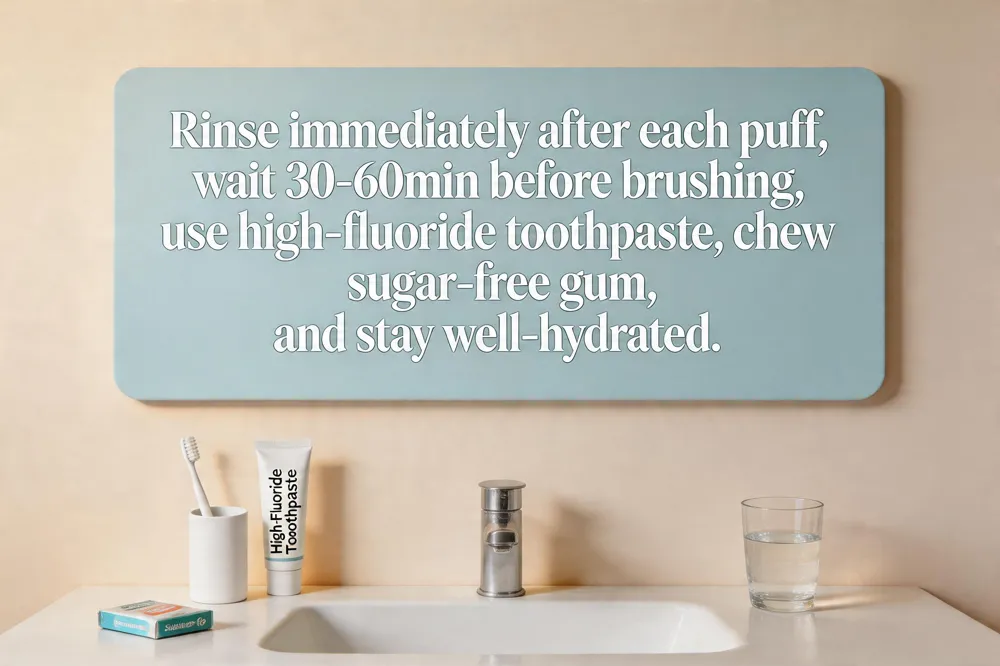 Asthma inhalers lower oral pH, reduce saliva flow, and leave acidic residues that can soften enamel. The simplest defense is to rinse immediately after each puff with water or a fluoride mouthwash; this removes medication particles, restores pH, and gives saliva a chance to remineralize. If you cannot brush right away, wait at least 30‑60 minutes before brushing to avoid abrading softened enamel.
Using a spacer with a metered‑dose inhaler dramatically cuts the amount of medication that contacts the teeth, lowering the acid load. High‑fluoride toothpaste (≥1450 ppm) and regular professional fluoride varnish applications at Best Choice Dental add a protective barrier and help rebuild early lesions. Chewing sugar‑free gum or sucking on a sugar‑less candy stimulates saliva, further buffering acids.
After inhaler use, avoid acidic drinks (soda, citrus juice) for at least 30 minutes and limit sweetened beverages that can feed cariogenic bacteria. Hydrate frequently and consider a humidifier at night if you mouth‑breathe.
Do I have to brush my teeth after using an inhaler? Yes—ideally brush after each use, but if that isn’t practical, rinse thoroughly with water first and brush later within the 30‑60‑minute window.
Do inhalers make your teeth yellow? Inhalers don’t stain directly, but dry mouth and enamel erosion can lead to a dull, yellow‑ish appearance if oral hygiene lapses. Rinsing, fluoride care, and regular cleanings prevent this.
Can asthma inhalers cause gum disease? Yes. Reduced saliva and residual medication promote plaque buildup and inflammation. Rinse, use a spacer, and keep up with bi‑annual dental visits for professional cleanings and personalized preventive care. Reduced saliva can also contribute to gum disease.
Dental Management Strategies for Asthmatic Patients
 At our office we combine state‑of‑the‑art technology with compassionate, personalized care to keep asthmatic patients safe and comfortable. Appointment scheduling & emergency preparedness – We book visits for the late morning or afternoon, confirm the patient has taken their controller medication, and keep a rescue inhaler, supplemental oxygen, and a bronchodilator kit on hand. Any signs of wheezing or dyspnea prompt an immediate pause, administration of the prescribed inhaler, and, if needed, emergency referral.
Local anesthesia considerations – We prefer anesthetics with minimal epinephrine (≤2 cartridges) or a plain solution such as mepivacaine for highly reactive patients. A short‑acting β2‑agonist is given 10–15 minutes before injection to reduce airway reactivity, and we monitor oxygen saturation throughout.
Extraction protocols – A detailed respiratory history, recent peak‑flow reading, and pre‑medication with albuterol (15 min prior) are standard. We use the lowest effective epinephrine concentration, keep the patient calm, and have airway‑management equipment ready.
Pediatric asthma dental care – Children are assessed for recent symptoms and instructed to use their rescue inhaler before the visit. We provide fluoride varnish, recommend water rinses after inhaler use, and employ rubber‑dam isolation to limit aerosol exposure. Early orthodontic screening addresses malocclusion risks associated with mouth‑breathing.
By integrating these evidence‑based strategies, we protect enamel, prevent caries, and ensure a safe, comfortable dental experience for every asthmatic patient.
Medication‑Specific Oral Risks and Protective Measures
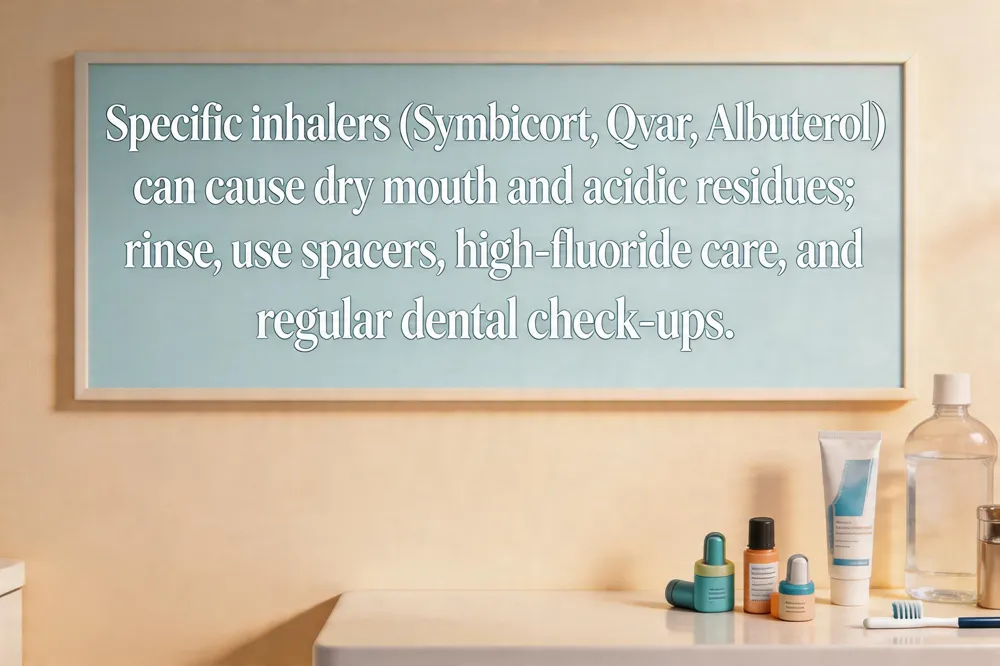 Asthma inhalers can affect your smile, but with simple steps you can keep your teeth healthy.
Symbicort and teeth – Symbicort (budesonide + formoterol) may leave acidic residue on the enamel, promote dry mouth and oral thrush, and increase cavity risk. Rinse or spit after each puff, wait 60 minutes before brushing, and use a high‑fluoride toothpaste.
Qvar side effects on teeth – Qvar (beclomethasone) is an inhaled corticosteroid that can cause gum irritation, xerostomia and higher caries rates. Rinse with water or a fluoride mouthwash, floss daily, and schedule regular check‑ups at Best Choice Dental for early treatment.
Albuterol dental side effects & considerations – Albuterol, a rescue β‑agonist, reduces saliva flow, creating an acidic environment that encourages decay and enamel softening. Rinse immediately, stay hydrated, chew sugar‑free xylitol gum, and consider a spacer to limit oral deposition.
What medications cause enamel erosion? – Besides asthma inhalers, antihistamines, decongestants, certain opioids, and some blood‑pressure drugs can lower salivary flow, driving demineralization.
Do inhalers yellow teeth? – Acidic and sweetened inhaler formulations can increase enamel wear and discoloration if not cleared promptly.
Practical tips – Use a spacer, rinse with water or fluoride mouthwash, brush with fluoride toothpaste (wait 30‑60 min), and visit us twice a year for professional fluoride varnish, sealants and personalized oral‑care plans. Our team combines advanced technology with a comfortable, patient‑focused approach to protect your smile while you manage asthma.
Long‑Term Monitoring and Collaborative Care
 Asthma and oral health: a review
Asthma treatment with inhaled bronchodilators, corticosteroids, and anticholinergics can lower oral pH, reduce saliva flow, and leave acidic residues on teeth. This combination accelerates enamel demineralization, increases caries risk, and may cause gingivitis, periodontitis, and oral thrush. Rinsing with water or a fluoride mouthwash after each dose, staying well‑hydrated, and maintaining meticulous oral hygiene are essential preventive steps.
Asthma and oral health: a review
Asthma treatment with inhaled bronchodilators, corticosteroids, and anticholinergics can lower oral pH, reduce saliva flow, and leave acidic residues on teeth. This combination accelerates enamel demineralization, increases caries risk, and may cause gingivitis, periodontitis, and oral thrush. Rinsing with water or a fluoride mouthwash after each dose, staying well‑hydrated, and maintaining meticulous oral hygiene are essential preventive steps.
Dental management of an asthmatic patient (PDF) Effective care begins with confirming asthma control and having rescue inhalers on hand. Use a spacer or valved holding chamber to limit oral deposition, avoid sulfite‑containing anesthetics, and treat any bronchospasm promptly. Recommend fluoride varnish, sealants, and saliva‑stimulating gum or lozenges. Share the patient’s asthma action plan with the dental team for coordinated emergency response.
What are the long‑term side effects of asthma inhalers? Chronic inhaled corticosteroids can cause systemic effects such as slowed growth in children, reduced bone density, and adrenal suppression. They also promote xerostomia, oral candidiasis, and enamel erosion. β‑agonists may trigger reflux, further exposing teeth to gastric acid.
Asthma and cavities Dry mouth from inhaler use and mouth‑breathing reduces the mouth’s natural buffering, allowing cariogenic bacteria to thrive. Rinsing after each inhaler dose, chewing sugar‑free gum, and regular dental check‑ups help protect against decay.
Impact of inhalation therapy on oral health Reduced salivary flow, acidic propellants, and sugary excipients increase enamel erosion and caries. At Best Choice Dental we provide personalized counseling, fluoride varnish applications, sealants, and saliva‑stimulating strategies, and we collaborate closely with physicians to monitor GERD , diet, and sugary‑drink intake for optimal long‑term oral health.
Take Control of Your Oral Health While Managing Asthma
Asthma inhalers can lower oral pH, reduce saliva, and leave acidic residue on teeth—factors that increase enamel erosion and decay. Simple preventive steps make a big difference: rinse your mouth with water (or a fluoride mouthwash) after every puff, use a spacer with metered‑dose inhalers, chew sugar‑free gum or sip water to stimulate saliva, and wait 30‑60 minutes before brushing to avoid abrading softened enamel. High‑fluoride toothpaste, regular fluoride varnish, and a balanced diet low in acidic or sugary drinks further protect your smile. Because these risks can accumulate quickly, schedule a dental check‑up at Best Choice Dental at least twice a year; early detection lets us apply targeted fluoride treatments, sealants, and personalized oral‑care guidance. We invite you to discuss your inhaler regimen with our team so we can tailor a preventive plan that keeps your teeth strong while you manage asthma.