Why a Family Oral Care Routine Matters
A consistent daily routine is the single most effective way to prevent cavities, gum disease, and the discomfort that comes with them. Cavities are the most common chronic disease of childhood in the United States, affecting over half of children aged 6–8 years in at least one baby tooth, according to the CDC. A routine that includes brushing twice a day for two minutes with fluoride toothpaste and cleaning between teeth daily can stop problems before they start.
By brushing and flossing together as a family, parents set a powerful example. Children who see their parents prioritize oral health are far more likely to adopt those habits themselves. Best Choice Dental makes it easy for every family member to get personalized guidance on proper technique during regular visits.
Start Early: Oral Care for Babies and Toddlers
 Building a family dental routine begins long before the first tooth appears. From birth, gently wipe your baby's gums with a soft, clean cloth after morning and evening feedings. This removes bacteria and sugars that can cause future cavities, and it gets your infant accustomed to having their mouth cleaned daily.
The moment the first tooth erupts — typically around six months — switch to a soft-bristled infant toothbrush. For children under 2 years, use a smear (grain-of-rice size) of fluoride toothpaste twice a day. Schedule the first dental visit by the child's first birthday or within six months of that first tooth. The dentist will check for early signs of problems and can apply fluoride varnish to prevent one-third of cavities in baby teeth.
Flossing Starts Sooner Than You Think
When two teeth begin touching — often around age 2 or 3 — introduce flossing once daily. Floss picks are easier for toddlers and help remove plaque from between teeth, where cavities commonly begin. Parents should assist with flossing until children develop enough dexterity to do it effectively, usually around age 7 or 8.
Prevent Baby Bottle Tooth Decay
Never put a baby to bed with a bottle containing milk, formula, or juice. Sugary liquids pool around teeth during sleep and feed bacteria that produce acid, leading to rapid decay. The same rule applies to sippy cups used throughout the day — fill them only with water outside mealtimes.
Make Brushing Fun: Tips and Products for Kids
Hands-On Activities That Teach
The egg enamel experiment is a favorite at-home demo. Soak a hard-boiled egg in soda overnight, then let your child brush away the stains with toothpaste. This visual lesson shows how sugary drinks weaken tooth enamel — and how brushing fixes it. Another idea: cut finger holes in an egg carton to create a "mouth" and have your child practice flossing between the compartments using a piece of yarn.
Two-Minute Challenges and Visual Charts
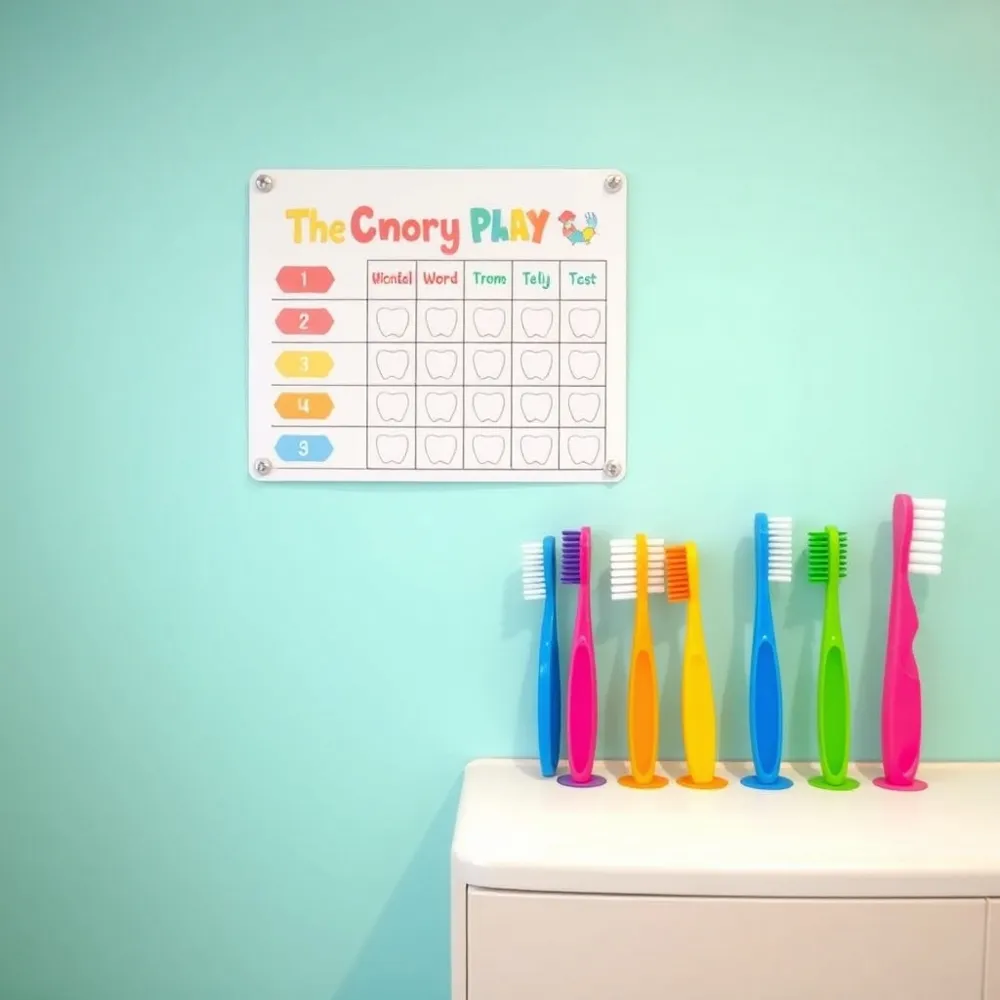
A two-minute brushing session can feel long to a child, but a fun timer or a two-minute song makes it go fast. Many free apps play music or show countdown animations so kids can watch the seconds tick by. For tracking progress, post a simple chart on the bathroom mirror where children earn stickers each time they brush without being reminded. Small rewards after a full week of consistent care help cement the habit.
Recommended Products for Little Smiles
The right tools make all the difference. The American Dental Association recommends a soft-bristled toothbrush with a small head for children under six, along with fluoride toothpaste in a pea-sized amount (for ages three and up). For toddlers who cannot spit yet, use only a smear of fluoride-free paste. Colorful character brushes, kid-friendly floss picks, and mild alcohol-free mouthwash can turn daily care into an activity kids look forward to.
The Step-by-Step Routine: Floss, Brush, Rinse
 The order of your steps matters more than you might think. Starting with flossing dislodges plaque and food particles from between teeth, where cavities and gum disease most often begin. Once those areas are cleared, brushing can deliver fluoride to every surface — including the spots floss just cleaned.
Floss First
Use about 18 inches of floss, wrap it around your middle fingers, and guide it gently between teeth in a C shape. Use 10 gentle up-and-down strokes per tooth, reaching slightly below the gum line. For children or anyone who finds traditional floss difficult, floss picks are an effective alternative. Other interdental tools such as water flossers or interdental brushes can also work well — the best method is the one you use consistently.
Brush Correctly
Brush twice a day for a full two minutes with a soft-bristled toothbrush and fluoride toothpaste. Hold the brush at a 45-degree angle toward the gum line and use short, gentle circular strokes to sweep away plaque without damaging enamel or gums. After brushing, spit out the toothpaste but do not rinse with water — letting fluoride remain on your teeth strengthens enamel far more effectively.
Clean your tongue every time you brush, using either your toothbrush bristles or a dedicated tongue scraper. This removes bacteria that cause bad breath and supports overall oral health.
Rinse to Finish
Swish with an antibacterial mouthwash after brushing to reduce lingering germs and freshen breath. Choose an alcohol-free formula to avoid drying out your mouth. Following this floss-brush-rinse sequence consistently protects against cavities, gum disease, and costly restorative treatments — keeping every member of the family on track for healthier smiles.
Healthy Habits for Life: Diet, Checkups, and Adult Care
A nutritious diet is one of the most effective daily choices a family can make for strong teeth. Whole foods like cheese, vegetables, and nuts are gentle on enamel and can help clean teeth naturally. Limiting sugary snacks and drinks — including juice, sports drinks, and soda — reduces the acid attacks that lead to cavities. Drinking fluoridated tap water helps rinse away food particles, supports saliva production, and strengthens enamel over time.
Protecting Smiles with Sealants and Mouthguards
Dental sealants are a proven preventive tool that can prevent 80% of cavities in children's molars CDC. For active kids and teens, a custom-fitted mouthguard shields teeth during contact sports. At Best Choice Dental in Totowa, we offer dental sealants as part of our pediatric care and can recommend proper mouthguards to protect your family's smiles.
Regular Six-Month Visits Catch Problems Early
Routine dental exams and professional cleanings every six months remove buildup that even diligent brushing cannot address. These visits allow the dentist to spot small issues before they become bigger — reducing the need for restorative work down the road.
Adult-Specific Tips for Lifelong Health
Oral health problems increase with age, but adults can take simple steps to lower their risk. Avoid tobacco products — smoking is a leading cause of gum disease and oral cancer. Limit alcohol consumption; the more you drink, the higher your risk of head and neck cancer. Manage dry mouth by drinking plenty of water or asking a doctor about medication alternatives if dryness is a side effect. For those with diabetes, maintaining blood sugar control helps reduce the risk of gum disease.
Partner with Best Choice Dental for Lifelong Smiles
A consistent at-home routine paired with regular professional care is the foundation of a lifetime of healthy smiles. The Cleveland Clinic notes that oral health is linked to whole-body health, as bacteria from mouth infections can enter the bloodstream and contribute to heart disease, stroke, and other conditions. Preventive care is more affordable than restorative or emergency treatment, saving time, worry, and money.
Best Choice Dental in Totowa, New Jersey, offers comprehensive services for every family member, from pediatric dentistry to adult preventive care. They use modern technology like intraoral cameras and digital impressions to enhance diagnostics and patient comfort. Whether you need a routine cleaning, fluoride treatment, or sports mouthguard for an active child, the practice provides personalized care in a friendly environment.
Scheduling a family appointment is the simplest way to start or maintain your routine. Regular check-ups every six months help catch small issues early and keep everyone's teeth clean and strong. Contact Best Choice Dental to book your family's next visit and take the next step toward lifelong dental health.