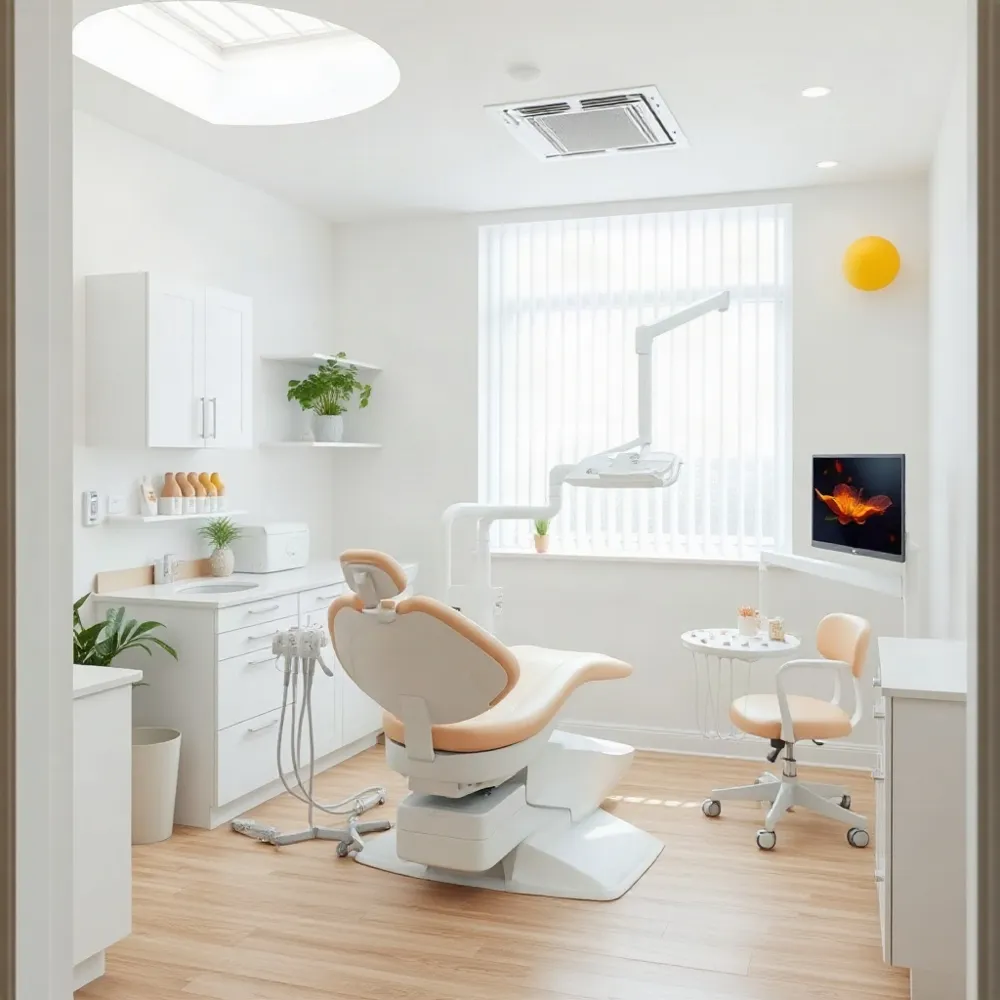
Why Early, Calm Dental Care Matters
The American Academy of Pediatric Dentistry advises that a child’s first dental visit occur by age one—or within six months of the first tooth’s eruption—to establish a "dental home" and catch early problems such as cavities or bite issues. When the visit is calm, tools, and child‑friendly, the experience builds trust and reduces the likelihood of dental phobias that affect up to 30 % of children worldwide. Parents play a pivotal role: using positive, simple language, role‑playing at home, and allowing a comfort item or favorite toy can lower anticipatory anxiety. Arriving well‑rested, offering brief deep‑breathing exercises, and rewarding cooperation with praise or a small treat reinforce a positive association. In a supportive environment—like the family‑oriented offices in Totowa, NJ—pediatric dentists use gentle techniques, tell‑show‑do, and distraction tools to keep the visit brief and pleasant, setting the stage for lifelong oral‑health confidence.
Getting Started: Timing Your Child’s First Dental Visit
 First dental visit age 1 – The American Academy of Pediatric Dentistry (AAPD) advises scheduling the first appointment by the first birthday or within six months after the first tooth erupts. The dentist checks tooth position, looks for early decay, applies fluoride varnish, and teaches parents proper brushing, diet, and habit management. This early start catches problems before they become costly.
First dental visit age 2 – If missed at one, see a dentist by age 2. A full exam of all primary teeth, bite assessment, early‑decay detection, and personalized prevention (brushing technique, fluoride, bottle‑feeding advice) are provided. A gentle cleaning may be done and X‑rays only if needed, establishing a dental home.
First dental visit age 3 – A three‑year‑old visit includes a quick visual exam, bite check, fluoride use, nutrition counseling, and possibly a gentle cleaning while the child sits on a parent’s lap. The brief 30‑45‑minute appointment ends with a small prize and a home‑care plan; the next check‑up is set for six months later.
First dental visit age 4 – At four, the dentist performs a thorough exam, necessary X‑rays, cleaning, and fluoride treatment, plus age‑appropriate guidance on brushing, flossing, diet, and habits. This comprehensive visit sets a solid foundation for a lifetime of healthy smiles at Best Choice Dental in Totowa.
7‑4 rule – The first baby teeth usually appear around seven months; then roughly four new teeth erupt every four months, completing the primary set by about 2½–3 years.
3‑3‑3 rule – Brush three times daily, three minutes each session, and wait about thirty minutes after meals before brushing; add flossing and fluoride rinse for optimal hygiene.
Rule of 7 – By age 7, permanent molars erupt and primary teeth begin to exfoliate; an orthodontic screening assesses bite and jaw development.
2‑year rule – No patient should go more than two years without an exam, but Best Choice Dental recommends check‑ups every six months for preventive care.
Managing Dental Anxiety for Kids
 Dental anxiety in children often springs from common triggers such as the sound of drills, the sight of a dental chair, or past painful experiences. A calm, child‑friendly office—like the bright, toy‑filled environment at Best Choice Dental in Totowa—helps lower these fears. Non‑pharmacologic calming techniques include role‑playing a visit at home with a stuffed animal, using simple visual schedules, practicing deep‑breathing (e.g., the 3‑4‑5 method), and providing distractions like music, videos, or a favorite comfort item during the appointment. When additional help is needed, safe medication options are available: nitrous oxide (“laughing gas”) works within minutes and wears off quickly; oral conscious‑sedation pills or short‑acting benzodiazepines may be prescribed for moderate anxiety; and IV sedation is reserved for severe cases, always under dentist supervision. The dentist’s role is crucial—explaining each step in positive language, allowing the child to signal a pause, offering reassurance, and using gentle behavior‑management tools such as tell‑show‑do and distraction. Parents can also assess a child’s anxiety by observing behaviors, using age‑appropriate questionnaires, and discussing concerns with the dentist. Together, these strategies create a supportive, stress‑free dental experience that builds confidence for future visits.
Choosing the Right Pediatric Dentist in Totowa
 Finding a pediatric dentist you can trust is the first step toward a lifetime of healthy smiles. In Totowa, Best Choice Dental stands out because its clinicians are board‑certified by the American Board of Pediatric Dentistry and have completed the extra 2‑3 years of specialty training required to treat children from infancy through adolescence. This specialized expertise means gentle cleanings, fluoride varnish, sealants and, when needed, sedation or behavior‑management techniques are all delivered with child‑focused care.
Convenient local options – The practice is located in the heart of Totowa, making it easy for families to schedule appointments without a long drive. Early‑morning slots are offered to match a child’s best mood, and online or phone booking is quick and user‑friendly.
Family‑oriented environment – Bright décor, a play area, and a welcoming staff create a calm, non‑threatening atmosphere. Parents can stay in the operatory, bring a comfort item, and use the office’s distraction tools (TVs, headphones, toys) to keep children relaxed.
Insurance and accessibility – Best Choice Dental accepts most dental insurance plans, Medicaid, CHIP and offers flexible payment options, ensuring that cost is not a barrier to preventive care.
Quick answers to common concerns
- Baby dentist near me: Best Choice Dental is a trusted “baby dentist” for infants and toddlers, providing gentle exams, fluoride treatments and early cavity prevention in a soothing setting.
- How to choose the right pediatric dentist: Look for board certification, a child‑friendly office, comprehensive services (preventive, restorative, sedation), positive reviews, and flexible scheduling. Best Choice Dental meets all these criteria.
- Can parents get in trouble for not taking kids to the dentist?: While most states do not impose criminal penalties for missed routine visits, chronic neglect of oral health can be reported as child neglect if it leads to pain, infection or functional problems. Regular check‑ups help avoid both health issues and potential legal complications.
Choosing Best Choice Dental means your child receives personalized, comfortable care backed by advanced technology and a truly family‑focused team.
Addressing Specific Concerns and Emergency Situations
 Feeling embarrassed about the condition of your teeth is completely normal, but dentists are trained to help—not judge. At Best Choice Dental in Totowa, NJ, our family‑focused team creates a warm, non‑judgmental environment where you can discuss your concerns openly. Ask for a gentle, step‑by‑step treatment plan and explore anxiety‑management options such as nitrous‑oxide sedation, oral anxiolytics, or calming techniques.
How do dentists deal with anxious patients?
Our pediatric dentists first identify anxiety through conversation, observation, and brief questionnaires. They then use calm, patient‑centered communication, explaining each step and inviting questions to build trust. Non‑pharmacologic tools—including deep‑breathing exercises, guided imagery, music or video distraction, and positive reinforcement—lower stress. When needed, mild sedation options are offered in a safe, monitored setting. The office is designed with soft lighting, soothing colors, and child‑friendly décor to make the experience comfortable.
What is the 3‑3‑3 rule for tooth infection?
The 3‑3‑3 rule is a short‑term guideline for managing pain and swelling until you can see a dentist: take three 200‑mg ibuprofen tablets (600 mg total) every three hours, spaced evenly throughout the day, for no more than three days. After three days—or sooner if pain worsens—schedule a dental appointment for proper diagnosis and treatment. This is only a temporary measure and not a substitute for professional care.
Legal aspects of missed dental care
Neglecting needed dental treatment can lead to more extensive disease, higher costs, and potential liability if it results in systemic health issues. Regular check‑ups every six months, as recommended by the American Academy of Pediatric Dentistry, help prevent emergencies and protect both oral and overall health.
Your Path to Calm, Confident Dental Visits
Early dental visits—ideally by the first birthday or within six months of the first tooth—give pediatric dentists a chance to spot decay, guide bite development, and teach families healthy habits before problems become costly. This head‑start also creates a familiar, non‑threatening environment that lowers the chance of lasting dental fear. Our anxiety‑reduction toolbox includes positive language, role‑play at home, favorite comfort items, and simple breathing exercises such as the 3‑4‑5 technique. Distraction tools—colorful décor, ceiling‑mounted TVs, headphones with music or videos—keep children engaged while the dentist uses the tell‑show‑do method and gentle, child‑sized instruments. Choosing a supportive team matters: a board‑certified pediatric dentist with additional training, a calm parent presence, and staff who welcome questions and let the child signal a break all build trust. At Best Choice Dental in Totowa, NJ, we combine these strategies with advanced preventive care to ensure every visit feels safe, brief, and positive.