Why the Crown Choice Matters at Best Choice Dental
A dental crown is a custom‑made cap that covers a damaged tooth to restore its function, strength, and appearance. At Best Choice Dental in Totowa, we offer two main pathways to achieve this: same‑day CEREC crowns, which use chair‑side CAD/CAM technology, and traditional crowns, which are fabricated in an external dental laboratory. Each pathway has distinct advantages, and the choice between them is especially important for a family‑oriented practice like ours, where patients range from young children to older adults, each with unique schedules, budgets, and dental needs. Our goal is to guide you through the decision, ensuring you receive personalized, comfortable care that fits your lifestyle and restores your smile with confidence. Whether you value the convenience of a single‑visit CEREC crown or the proven versatility of a lab‑made restoration, we are here to help you make the best choice for your family’s oral health.
CEREC Crowns – How the Same‑Day Technology Works
A CEREC crown (Chairside Economical Restoration of Esthetic Ceramics) is a same‑day restoration crafted with advanced computer‑aided design and manufacturing (CAD/CAM) technology. This in‑office system allows for a high‑precision ceramic crown to be designed, milled, and placed in a single appointment, typically lasting 2–3 hours. The process combines convenience, accuracy, and superior aesthetics without needing an external lab.
Step‑by‑Step Workflow: A 2–3 Hour Journey
The CEREC procedure follows a streamlined, five‑step approach:
- Minimally Invasive Tooth Preparation (20–30 min): The dentist removes a thin layer of enamel to create a stable foundation, preserving 15–30% more natural tooth structure than traditional crown preparations.
- Digital 3‑D Scan (5–10 min): An intra‑oral camera captures a precise digital impression of the prepared tooth. This eliminates the need for messy putty impressions and reduces discomfort, especially for patients with a strong gag reflex.
- Computer‑Aided Design (15–20 min): Using the digital model, the dentist designs the crown on a screen, ensuring a custom fit.
- In‑Office Milling (20–30 min): A chairside milling machine carves the crown from a solid block of high‑performance ceramic.
- Final Bonding (30–40 min): The milled crown is tried in, polished, and permanently bonded to the tooth using a light‑cured resin adhesive.
Precision Advantages and a Better Fit
The digital workflow of CEREC crowns offers significant precision advantages. The margin error is less than 100 microns, resulting in a remarkably accurate fit that reduces the need for post‑placement adjustments. The absence of a temporary crown eliminates potential discomfort, sensitivity, and the risk of it coming loose. You can eat and function normally immediately after the numbness wears off.
What Materials are Used? Metal‑Free and Biocompatible
CEREC crowns are milled from two types of high‑performance, metal‑free ceramic blocks:
| Material | Key Feature | Best For |
|---|---|---|
| Lithium Disilicate (e.max) | Excellent translucency and color match, mimicking natural tooth enamel. | Front teeth (incisors, canines) where aesthetics are most important. |
| Monolithic Zirconia | Extremely high flexural strength (900–1400 MPa), highly durable and wear‑resistant. | Back teeth (molars) that withstand heavy chewing forces. |
Because they are metal‑free, CEREC crowns are an excellent choice for patients with metal allergies or those seeking a biocompatible restoration.
Are CEREC Crowns Good for Molars?
Yes, the strength and durability of CEREC crowns make them a reliable choice for molars. The availability of zirconia blocks provides the strength needed to withstand heavy bite forces, while the lithium disilicate option delivers a natural look for the entire mouth.
| Ceramic Type | Suitability |
|---|---|
| Zirconia | Ideal for molars (back teeth) due to its high strength and durability. |
| Lithium Disilicate (e.max) | Excellent for front teeth because of its translucency and natural appearance. Both materials are suitable for molars, with zirconia offering greater toughness. |
Traditional Crowns – The Proven Laboratory Route
How long do traditional dental crowns typically last?
Traditional crowns remain a time-tested solution. The process typically begins with a first appointment: your tooth is prepared, an impression (putty or sometimes a digital scan) is taken, and a temporary crown is placed. This impression is sent to an external dental lab, where your permanent crown is fabricated over 1 to 3 weeks. A second appointment is then needed for final cementation.
A wide range of materials for strength and aesthetics
This route offers remarkable material flexibility. Options include full metal (gold, alloy), porcelain-fused-to-metal (PFM), all-ceramic, or high-strength zirconia. For heavily stressed back teeth, a metal or PFM crown provides excellent fracture resistance. A metal-core crown can last 15 to 20 years, while all-ceramic and zirconia crowns often survive 10 to 15 years with high success rates.
Weighing the drawbacks
However, the conventional workflow has potential drawbacks. Putty impressions can be uncomfortable for some. The temporary crown—worn for weeks—carries a small risk of dislodgement or breakage. The multiple visits lengthen overall treatment time and may require additional adjustments after placement. Despite these factors, many patients still prefer traditional crowns for their proven long-term durability and unmatched material choices for complex cases.
Cost Comparison – What Does Your Wallet See?
How do CEREC crowns compare in cost to traditional crowns?
The national average cost for a CEREC crown generally falls between $800 and $2,500, with a typical range of $1,000 to $1,500. Traditional crowns, on the other hand, can vary from $500 to $3,000, but a standard lab‑made crown usually lands between $800 and $2,000. While the price tags can overlap, several factors influence the final number you see.
Why is the upfront cost for CEREC often higher?
CEREC crowns can carry a higher per‑tooth price for a few clear reasons. The technology is a major investment for the practice – the CAD/CAM system, precision milling unit, and specialized software represent a significant upfront cost. Additionally, the materials are premium‑grade ceramic or zirconia blocks, and your dentist has undergone specific, advanced training to master the digital workflow. These factors ensure a precise, high‑quality restoration but contribute to the price difference.
Where does the hidden savings come in?
Perhaps most importantly, a CEREC crown comes with significant hidden savings. The single‑visit workflow completely eliminates lab fees, which can run $150‑$300 per crown for traditional restorations. You also save on the cost of a temporary crown, additional appointments for anesthetic, and the indirect costs of travel time and time off work. When you add these factors, the overall expense of a CEREC crown can be very competitive with traditional options.
What about dental insurance coverage?
The good news is that most dental insurance plans cover CEREC crowns at the same rate as traditional crowns, as both are considered standard restorative procedures. However, coverage is never guaranteed, so we always advise getting a pre‑authorization (pre‑determination) from your provider. This confirms your specific out‑of‑pocket costs, annual maximums, and any waiting periods before you begin treatment.
Taking the patient's perspective
From a real‑world patient viewpoint, the decision often balances the higher upfront bill against the undeniable convenience. Many patients report that the single‑visit experience, the elimination of a temporary crown, and the immediate restoration of function and aesthetics are worth the premium. For those on a tighter budget or with straightforward dental needs, a traditional lab crown might remain the preferred choice. Ultimately, discussing your lifestyle, timeline, and budget with your dentist will help you determine the option that offers the best value for your unique smile. | Crown Type | Typical Cost Range | Key Savings / Drawbacks | Insurance Coverage | |---|---|---|---| | CEREC (Same‑Day) | $800 - $2,500 (avg. $1,000-$1,500) | Savings: No lab fee, no temporary crown, one visit saves time & travel. Drawback: Higher upfront per‑crown cost. | Typically covered at same rate as traditional crowns; pre‑authorization recommended. | | Traditional (Lab‑Made) | $500 - $3,000 (avg. $800-$2,000) | Savings: Lower upfront per‑crown material cost (for metal/PFM). Drawbacks: Lab fee ($150-$300), need temp crown, extra visits cause time off. | Typically covered at 50% for major restorative, subject to annual max; pre‑authorization recommended. |
Value, Patient Satisfaction, and Potential Drawbacks
Are CEREC crowns worth the money, and what do patients say about them?
Patient feedback across dental forums consistently praises CEREC crowns for their convenience. The ability to walk into the office with a damaged tooth and leave a few hours later with a permanent, functional, and natural-looking restoration is repeatedly cited as the most valued benefit.
Many patients emphasize that eliminating the need for a temporary crown is a major advantage. They avoid the discomfort, dietary restrictions, and risk of the temporary failing. The immediate restoration of full chewing function and aesthetics on the same day is a powerful draw for those with busy schedules.
However, some patients report that CEREC crowns require a bite adjustment. Post-operative sensitivity to hot or cold is another common, though usually temporary, complaint. While the higher upfront cost is noted, many feel the trade-off in saved time and convenience makes it worthwhile. Overall satisfaction is high when the dentist’s skill ensures a precise fit and clear communication sets realistic expectations.
What are the common disadvantages or risks of dental crowns?
All dental crowns share fundamental risks. The most significant is the permanent removal of natural tooth enamel. Once a tooth is prepared for a crown, it will always need a crown for protection. This procedure can also cause temporary temperature sensitivity or gum irritation.
Consider these common risks for any crown:
- Chipping or Cracking: Porcelain and ceramic materials can fracture under extreme force.
- Decay Under the Margin: The area where the crown meets the tooth is vulnerable if oral hygiene is not meticulous.
- Loosening or Dislodging: The cement or bond can fail over time.
- Allergic Reactions: Rare, but possible with metal in some traditional crowns.
Specific concerns for CEREC crowns include their limited material palette. They are made from all-ceramic blocks, which offer excellent aesthetics but cannot provide the same extreme fracture resistance as a metal crown for patients who grind their teeth heavily. The digital scan can also miss sub-gingival details if tooth damage extends below the gumline.
Conversely, traditional crowns present distinct drawbacks. The most common is the longer treatment timeline of 2-3 weeks, which necessitates wearing an uncomfortable temporary crown. Porcelain-fused-to-metal (PFM) crowns carry a risk of a visible dark metal line at the gumline over time. Furthermore, lab-fabricated crowns can occasionally require adjustments after placement due to minor inaccuracies inherent in the physical impression process.
Healthiest Material Choice & Alternative Restorations
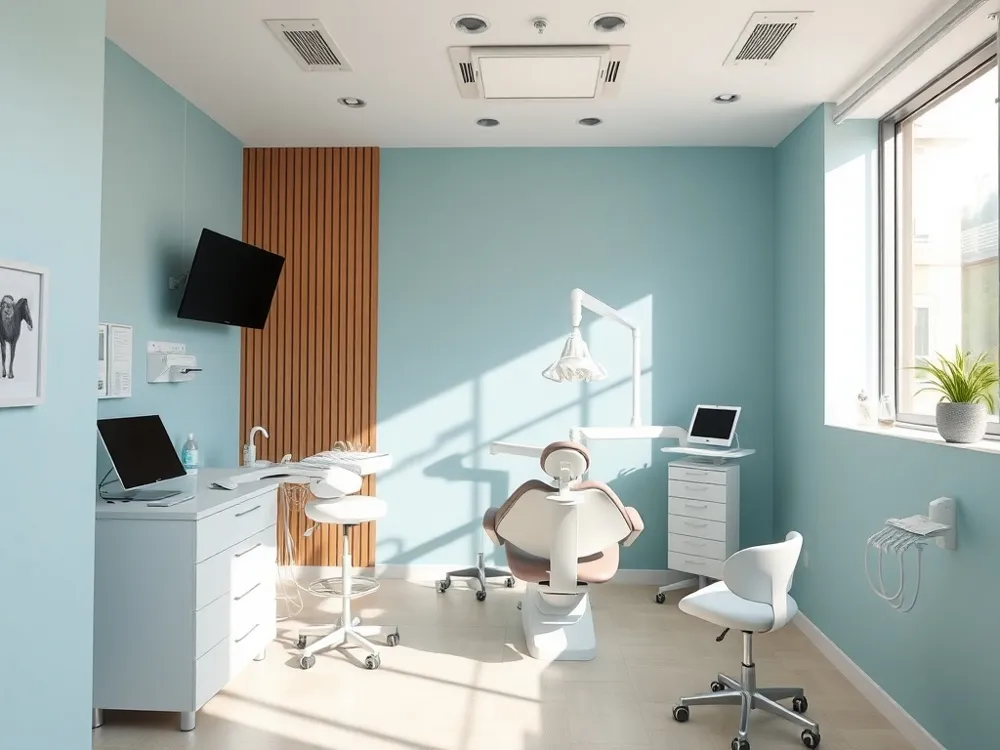 When choosing a dental crown, the material directly impacts your long-term health and smile aesthetics. For many families, a key priority is finding an option that is both durable and biocompatible.
What is the healthiest crown for a tooth?
Zirconia crowns are widely considered among the healthiest choices available. This high-strength ceramic is completely metal-free, making it highly biocompatible and non-allergenic. Zirconia also offers exceptional durability, resisting cracks and wear, and is suitable for both back and front teeth due to its natural white color. Another excellent metal-free option is all-ceramic lithium disilicate, which provides stunning aesthetics by mimicking the translucency of natural enamel.
What are the main alternatives to dental crowns?
Sometimes, a full crown may not be the first option. Several effective alternatives can preserve more natural tooth structure:
| Restoration Type | Best For | Key Advantage | Ideal For... |
|---|---|---|---|
| Inlay/Onlay | Moderate decay or damage | Conserves more healthy tooth than a full crown | Back teeth with less severe damage |
| Composite Bonding | Minor chips, cracks, or gaps | Quick, single-visit, and budget-friendly | Small cosmetic fixes or temporary repairs |
| Porcelain Veneer | Front-tooth discoloration or misshapen teeth | Highly aesthetic, minimally invasive surface repair | Cosmetic enhancement of front teeth |
| Dental Implant | A tooth that cannot be saved | Permanent replacement that prevents bone loss | Replacing a single missing tooth |
For families, the decision often balances the need for strength against aesthetic goals and budget. Metal-based crowns (like gold or PFM) offer unmatched durability for patients with heavy grinding forces but can cause allergic reactions or show a dark line at the gum. Discussing your specific tooth damage, bite forces, and schedule with your dentist will help match the ideal material and procedure to your unique needs.
Putting It All Together for Your Totowa Family
Choosing Between Convenience and Proven Strength
The decision between a CEREC and a traditional crown comes down to your priorities. CEREC offers unmatched convenience, a precise digital fit, and beautiful aesthetics in a single visit, while traditional crowns provide a broader material selection and proven durability—especially for heavy bite forces. The table below summarizes the core trade‑offs.
| Feature | CEREC Crown | Traditional Crown |
|---|---|---|
| Appointments | Single visit (≈2 hours) | Two or more visits (1–3 weeks) |
| Temporary Crown | Not needed | Required between visits |
| Materials | All‑ceramic (zirconia, e.max) | Metal, PFM, all‑ceramic, gold |
| Strength | Excellent for most teeth | Superior for high‑stress molars |
| Aesthetics | Natural translucency | Broader color layering options |
| Cost (per crown) | ~$800–$1,500 | ~$800–$1,700 (lab fees included) |
A Personalized Consultation at Best Choice Dental
Your dentist at Best Choice Dental will evaluate your tooth’s condition, aesthetic goals, and bite forces to recommend the ideal solution. With advanced CEREC training and strong lab partnerships, the team crafts a crown that fits your lifestyle—balancing time, budget, and durability.
Maximizing Crown Longevity
Regardless of the crown type, proper care is essential for a long‑lasting restoration. Maintain excellent oral hygiene, attend regular check‑ups, and discuss habits like teeth grinding or nail‑biting with your dentist. A custom nightguard and avoiding hard foods can help your crown last 10–15 years or longer.