Why Asking the Right Questions Matters
Questions to Ask About Qualifications and Experience
Not all dental practices are created equal. You want a dentist with a solid educational background and ongoing training. Dr. Sung-Gyu Choi at Best Choice Dental earned his DDS from New York University and stays current with continuing education. Ask about the dentist's experience with patients of all ages, from toddlers to seniors. A true family dentist should be comfortable treating young children while also handling complex adult procedures.
Look for board certifications and professional memberships. The American Dental Association (ADA) and Academy of General Dentistry (AGD) memberships indicate a commitment to high standards. Reviewing online profiles on Healthgrades or the Delta Dental directory can reveal DentaQual ratings, which measure best practices and treatment outcomes. Best Choice Dental, for example, holds a 4 out of 5 stars DentaQual rating.
Questions About Comprehensive Services Under One Roof
A family-oriented practice should offer a full spectrum of care. Ask if they provide preventive services like cleanings, exams, fluoride treatments, and dental sealants for children. Confirm if restorative options such as fillings, crowns, bridges, and root canals are available. Cosmetic treatments like teeth whitening and Invisalign for teens and adults add convenience.
Best Choice Dental in Totowa delivers general, restorative, and cosmetic dentistry for all ages. Their services include porcelain veneers, dental implants, and emergency care. Having these options in one location eliminates the hassle of referrals to multiple specialists, saving time and money for busy families.
Questions About Emergency Care and Scheduling
Dental emergencies happen without warning. Ask about same-day appointments for severe pain, knocked-out teeth, or abscesses. Find out if the office offers after-hours or weekend support. Best Choice Dental provides expedient urgent care for significant discomfort and operates with extended hours, including early morning, evening, and weekend slots to accommodate parents' schedules.
Confirm the practice's location and accessibility. Best Choice Dental sits at 418 Union Blvd, Totowa, NJ, with wheelchair access and public transit options. Flexible scheduling reduces stress and ensures consistent visits for the whole family.
Questions About Handling Dental Anxiety
Dental anxiety affects nearly 36% of the U.S. population, and another 12% experience extreme fear. Ask how the practice manages nervous patients, especially children. Look for sedation options like nitrous oxide, a calming environment, and staff trained in gentle communication.
Best Choice Dental emphasizes patient comfort with a warm, friendly atmosphere. The team listens to individual needs and adjusts treatment plans accordingly. Online reviews frequently mention the calming environment and the dentist's ability to put even the most anxious patients at ease.
Questions About Preventive Care Philosophy
Preventive care is the foundation of long-term oral health. Ask about the practice's approach to regular cleanings, check-ups, and risk assessments. Inquire about personalized recommendations like fluoride treatments for adults or sealants for children's molars.
A dentist who prioritizes education will teach proper brushing and flossing techniques, offer diet advice, and explain the purpose of each procedure. Best Choice Dental focuses on patient education, helping families understand their oral health and make informed decisions. This proactive approach minimizes the need for invasive treatments later.
Questions About Technology and Modern Techniques
Modern technology leads to more accurate diagnoses and comfortable treatments. Ask about digital X-rays, which reduce radiation exposure by four times compared to traditional methods. Inquire about intraoral cameras, 3D imaging for implants, and laser dentistry for minimally invasive procedures.
Best Choice Dental uses digital X-rays for high-resolution images with minimal radiation. Staying up-to-date with technology demonstrates a commitment to quality care and patient safety.
Questions About Insurance, Payment, and Reviews
Financial clarity prevents surprises. Verify that the practice accepts your dental insurance plan. Best Choice Dental works with Delta Dental PPO and Premier, MetLife, Cigna, and other major carriers. Ask about payment plans or membership programs for uninsured treatments.
Check online reviews on Google, Yelp, and Healthgrades. Look for consistent themes like staff friendliness, clean facilities, and positive experiences for both children and adults. Best Choice Dental boasts a 5.0-star rating across 89 reviews, with 88 being five-star accolades. Patients frequently praise Dr. Choi's amazing work and the attentive team.
| Question Area | Why It Matters | What to Look For |
|---|---|---|
| Qualifications and Experience | Ensures skilled, trustworthy care | Degrees, board certification, years in practice, ongoing education |
| Comprehensive Services | Saves time and eliminates referrals | Preventive, restorative, cosmetic, orthodontic, and emergency care |
| Emergency Care and Scheduling | Peace of mind for unexpected issues | Same-day appointments, after-hours, weekend hours, convenient location |
| Handling Dental Anxiety | Comfort for nervous patients and children | Sedation options, calming environment, gentle communication |
| Preventive Care Philosophy | Reduces need for invasive treatments | Regular exams, risk assessments, personalized hygiene instruction |
| Technology and Techniques | Faster, safer, more accurate treatment | Digital X-rays, intraoral cameras, laser dentistry, 3D imaging |
| Insurance, Payment, and Reviews | Affordability and trust in the practice | Insurance acceptance, payment plans, high patient ratings and testimonials |
Key Facts: Choosing a Family Dentist in Totowa, New Jersey
- Dental Arts of Totowa treats children as young as five while pediatric specialists focus on ages 2 to 12.
- A true family practice offers pediatric, orthodontic, and restorative care under one roof to save time and ensure consistent treatment.
- Approximately 36% of Americans experience dental anxiety, making a gentle, child-friendly approach with nitrous oxide or oral sedation crucial.
- Digital X-rays reduce radiation exposure by up to four times and intraoral cameras help explain diagnoses to anxious patients.
- Best Choice Dental provides early morning, evening, and weekend hours with free parking and wheelchair access.
- CareCredit and in-house payment plans make treatments affordable, and some practices offer membership programs for uninsured families.
- Sealants can prevent up to 80% of cavities in children's back teeth for years, and fluoride treatments strengthen enamel for all ages.
- The 3-3-3 dental rule involves taking 3 ibuprofen tablets every 3 hours for 3 days to manage acute pain temporarily.
- The American Association of Orthodontists recommends a child's first orthodontic evaluation by age seven to detect jaw or bite issues early.
- The Pareto Principle or 80-20 rule suggests 80% of revenue comes from 20% of loyal families, emphasizing the value of long-term relationships.
1. Does the Dentist Have Experience with All Age Groups, Including Very Young Children?
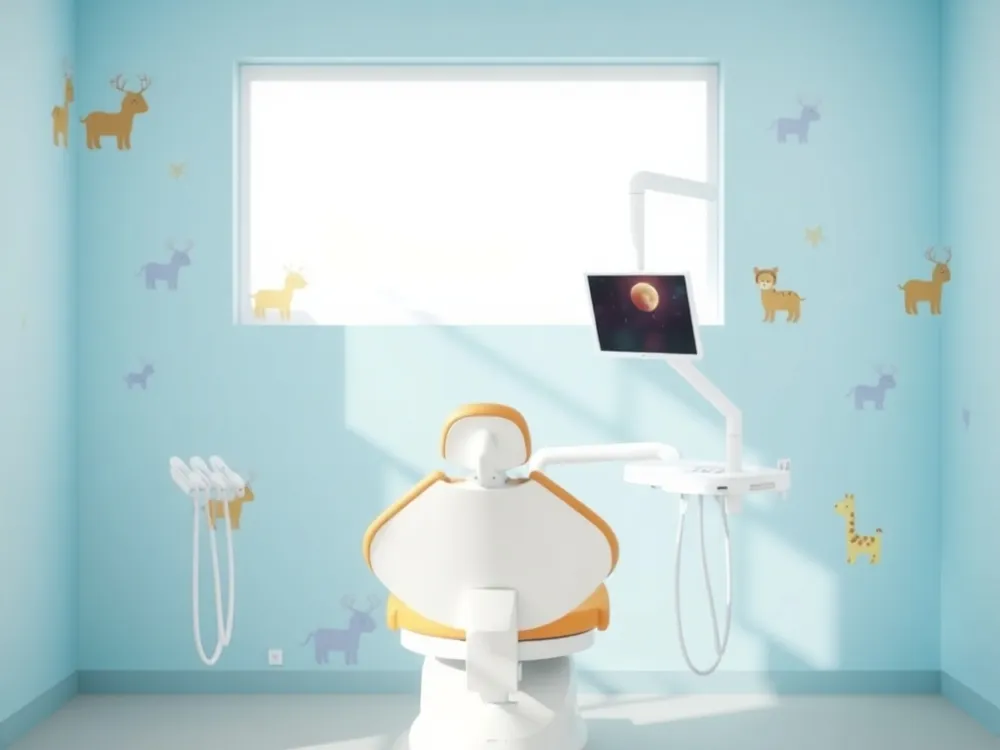 When searching for a family dentist in Totowa, the first question to ask is about the age range they treat. A true family dentist welcomes everyone from toddlers to grandparents, providing consistent care as your family grows.
Ask about their experience with young children
Not every general dentist treats very young kids. It is important to ask if they see children under five and if they have special training or a gentle approach for younger patients. For example, Dental Arts of Totowa treats children as young as five, while pediatric specialists like Helen Ann DeSimone focus specifically on ages 2 to 12. Knowing this upfront helps you choose a practice that fits your family’s needs from the start.
Look for multiple specialties under one roof
A strong family practice offers pediatric and orthodontic care in-house. This saves you trips across town and ensures consistent, coordinated care as your child grows. Many Totowa practices provide sealants, fluoride treatments, and Invisalign alongside routine cleanings, so your child can stay with the same team from baby teeth through their teenage years.
How does the practice handle children who often feel nervous about dental visits. Ask about the dentist’s approach to children with dental anxiety. Some practices offer sedation options like nitrous oxide while others create a calming environment with toys, games, and a friendly team. A dentist who can put both you and your child at ease is invaluable for building lifelong positive habits.
The benefit of seeing the same provider
When children grow up seeing the same dentist as their parents, dental care becomes a normal, low-stress part of staying healthy. Familiarity with the practice and staff helps kids feel reassured, reducing nervousness over time. This continuity also lets the dentist notice patterns and offer more connected guidance for your whole family.
What to look for in practice philosophy
Choose a practice where the team communicates clearly and takes time to answer your questions, and makes every family member feel heard. A strong patient focus means a warm, welcoming environment where the team knows your name and prioritizes comfort. This approach transforms each visit into a positive experience that keeps your family returning year after year.
| Question | What to Look For | Example in Totowa |
|---|---|---|
| Does the dentist treat children? | Ask the minimum age accepted and if the provider has pediatric training. | Dental Arts of Totowa treats children from age five, while specialists focus on ages 2–12 |
| Are multiple services available in one place? | In-house pediatric care and orthodontics (e.g., sealants, fluoride, Invisalign) reduce the need for referrals to other offices | Best Choice Dental and NÜVA Smile offer comprehensive care under one roof |
| How does the practice handle anxiety? | Options like nitrous oxide, a kid-friendly environment, and a gentle, patient-centered approach help children feel at ease | Parisi Dental and Distinctive Dentistry emphasize compassionate care for nervous patients |
| Is the dentist experienced with all ages? | Look for a provider who treats from toddlers through seniors to ensure consistent, long-term care | Many Totowa general dentists see all ages, while pediatric specialists handle complex child needs |
Practical factors that support family care
Beyond age range, consider office hours, location, location, and emergency availability. Evening and weekend appointments help busy families avoid missing work or school. A practice close to home or work makes routine visits easier to keep. Also, ask about same-day emergency care for tooth pain or injuries—a reliable response when accidents happen gives you peace of mind.
Final thought on choosing a family dentist
The right family dentist fits naturally into your life. They should offer a welcoming environment, a team that listens, and a clear plan for every stage of your children’s dental health. Asking these questions helps you find a place your whole family feels comfortable returning to year after year.
2. Is Your Practice Comprehensive? Can You Handle Everything Under One Roof?
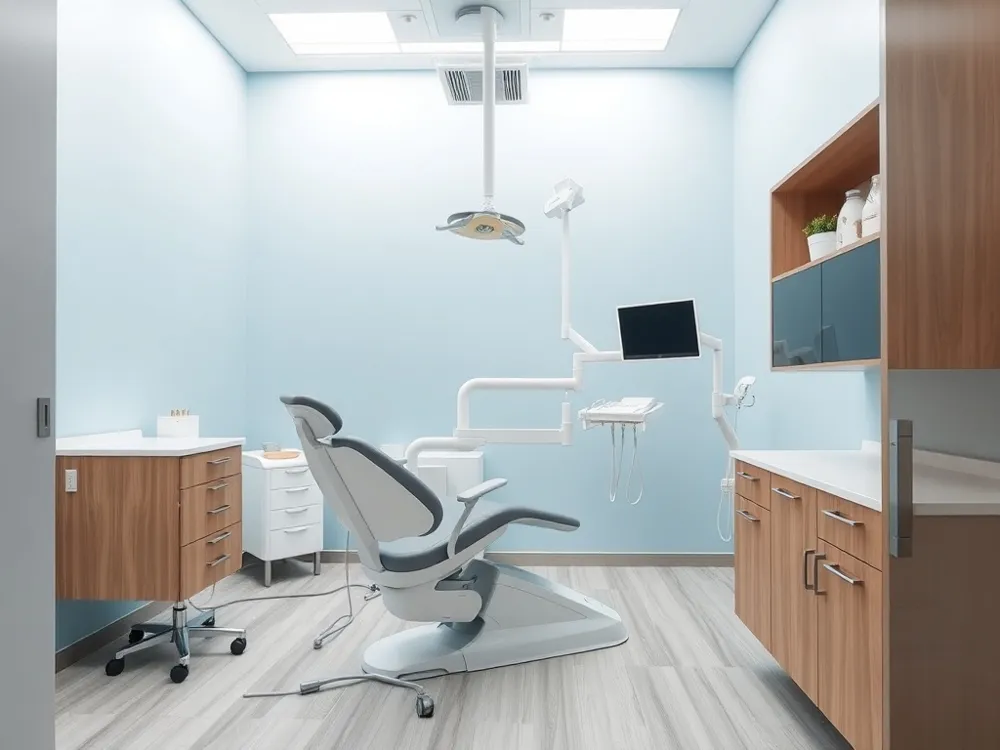 The convenience of a one-stop shop for your family's dental care cannot be overstated. A practice that offers a full spectrum of services saves you the hassle coordinating between multiple offices for different family members, ensuring continuity and consistency in care.
What to Ask About Restorative and General Care
Start by confirming the practice can manage common restorative needs. Ask if they perform root canals in-house or if they would need to refer you to a specialist, like an endodontist. Inquire about the placement of crowns and bridges, and whether they offer tooth-colored (composite) fillings for a natural look. Preventive services like dental sealants for children and fluoride treatments for all ages are also essential.
Practices like Best Choice Dental offer extensive restorative options. Similarly, 46 Dental provides services including crowns, bridges, and fillings, and Dr. David Martin at Distinctive Dentistry of North Jersey (also in Totowa) holds a Mastership from the Academy of General Dentistry, indicating a high level of expertise in complex procedures.
Cosmetic and Orthodontic Options for the Whole Family
A true family practice should also address aesthetic and alignment goals. Ask if they offer cosmetic treatments like porcelain veneers, professional teeth whitening, and cosmetic bonding, which are popular among teens and adults.
Orthodontic care is another critical area. Find out if the dentist provides Invisalign (clear aligners) or traditional braces. Several Totowa practices, including Best Choice Dental, Parisi Dental, and 46 Dental, offer Invisalign. If the practice does not provide orthodontics, ask if they can recommend a trusted orthodontist within their professional network to keep your care coordinated.
What to Look for in a Family Dentist Regarding Comprehensive Services
When evaluating a family dentist's comprehensiveness, look for a practice that can handle routine check-ups and cleanings for your toddler, a filling for your teenager, a crown for you, and cosmetic work like veneers or whitening for any family member. The goal is to find a provider that minimizes referrals and acts as a central hub for all your dental needs, from simple preventive care to more complex restorative and aesthetic procedures. This integrated approach saves time and fosters a deeper understanding of your family's dental history.
The following table summarizes key areas of comprehensive care to ask about:
| Service Category | Examples of Services | Why It Matters for Your Family |
|---|---|---|
| Preventive | Cleanings, exams, sealants, fluoride | Reduces future dental problems and costs |
| Restorative Care | Fillings, crowns, bridges, root canals | Handles common decay and damage in-house |
| Cosmetic Dentistry | Veneers, teeth whitening, bonding | Addresses aesthetic goals for teens and adults |
| Orthodontics | Invisalign, clear aligners | Corrects alignment issues for all ages |
| Emergencies | Same-day relief, broken tooth | Provides peace of mind for unexpected issues |
3. How Does the Office Handle Dental Anxiety and Create a Kid–Friendly Environment?
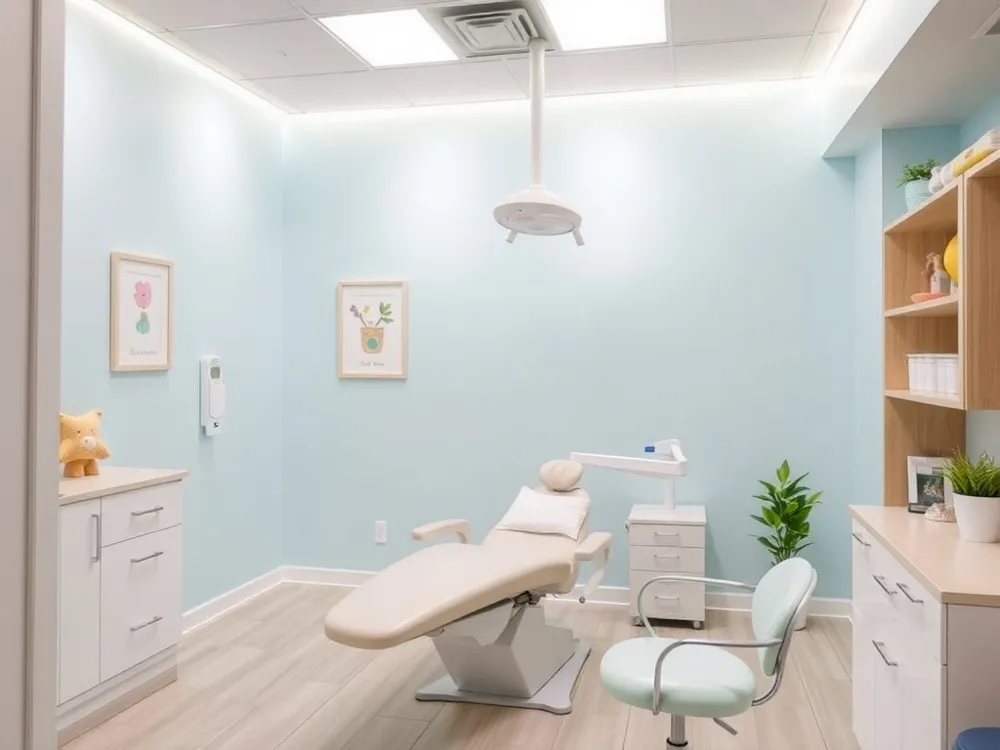
The impact of dental anxiety on families
With approximately 36% of Americans experiencing some level of dental fear, finding a practice that understands anxiety is crucial—especially for children. Early experiences at the dentist can shape a child’s attitude toward oral health for years. A family dentist who takes a gentle, patient approach helps prevent fear from becoming a barrier to regular care.
Questions to ask about sedation and comfort
Ask directly what options the practice offers for easing dental anxiety. Many family dentists provide nitrous oxide (laughing gas) or oral sedation for both children and adults. Inquire whether the staff is trained to communicate with nervous patients in a calm, judgment-free manner. Some Totowa practices like Parisi Dental individualize treatment to ensure comfort, with patients noting they have never felt so welcome and at ease at a dentist's office before.
Kid-friendly features that make a difference
Look for practices with child-sized equipment, a dedicated play area, or staff who use simple, reassuring language when explaining procedures. Reviews from Totowa parents praise practices like Parisi Dental for making children feel welcome, with one parent even remarked that their kids like going to the dentist. These small details build trust and reduce stress for both children and their parents.
How online reviews reveal a practice's true approach
Reading online reviews on platforms such as Google, Yelp, or Healthgrades can give you honest insight into how a practice treats anxious family members. Look for consistent themes like staff friendliness, a calm atmosphere, and patience with kids. One Best Choice Dental reviewer noted that the entire team is described as attentive and nice, while another patient said the staff was soothing and compassionate and did not mock my fear of the dentist. These real experiences help you gauge whether a practice genuinely prioritizes comfort.
What to look for in a family dentist for anxiety management and child-friendliness
When evaluating a family dentist, check if they offer sedation options, a calming environment, and staff trained in pediatric care. Look for reviews that mention kids feeling at ease and parents feeling heard. A practice like NÜVA Smile in Totowa emphasizes understanding each patient’s lifestyle and goals, with a focus on education and gentle care. Dental Arts of Totowa also highlights a gentle approach and a commitment to adjusting treatment plans to accommodate patient comfort levels.
Technology and techniques that reduce anxiety
Modern technology can make visits faster and less intimidating. Digital x-rays with reduced radiation reduce radiation exposure, while intraoral cameras help dentists explain issues in real time. Some Totowa practices use laser dentistry, which can minimize discomfort. Parisi Dental uses the WaterLase iPlus dental laser and iTero scanner, which eliminate the need for uncomfortable impressions. These advances help children and anxious patients feel more at ease during procedures.
Emergency care and its role in peace of mind
Knowing your family dentist can handle dental emergencies is another way to reduce anxiety. Ask if the practice offers same-day appointments, after-hours, or weekend support. Several Totowa practices, including Best Choice Dental, offer evening and weekend hours. NÜVA Smile provides a 24/7 answering service for after-hours emergencies. This peace of mind is especially valuable for parents of young children who may experience sudden tooth pain or injuries.
The role of patient education in easing fear
A good family dentist explains procedures in a way that both adults and children can understand. When patients know what to expect, they feel more in control and less anxious. At Parisi Dental, the dentist goes over procedures before, during, and after treatment, answering questions at each step. This transparent communication builds trust and makes future visits feel less daunting.
Summarizing what to ask a Totowa family dentist about anxiety and child-friendliness
| Question | What to Look For | Why It Matters |
|---|---|---|
| What sedation options are you accepting new patients? | A clear "yes" and a smooth registration process | Establishes availability for your family |
| What sedation options do you offer? | nitrous oxide, oral sedation, or other calming methods | Helps children and anxious adults tolerate treatment |
| Is the staff trained to handle nervous or special needs patients? | Pediatric experience, gentle communication style | Builds trust reduces stress for the entire family |
| Do you have kid-friendly features? | child-sized chairs, toys, books, or play areas | Makes dental visits enjoyable for young children |
| How do you explain procedures to anxious patients? | Clear, simple language; time for questions | Gives families confidence in their care plan |
| What are your hours for emergencies? | same-day slots, weekend availability | Peace of mind during unexpected situations |
| What do online reviews say about your care for anxious patients? | Consistent mentions of calm environment and staff kindness | Real-world insight into the practice's patient experience |
When you visit a potential family dentist, pay attention to how your child reacts to the environment and staff. A welcoming front desk, a clean and calm waiting area, and a dentist who kneels to speak at a child’s eye level are all positive signs. You want a practice where every interaction makes you feel heard, valued, and free to ask questions.
By asking these questions at Totowa-area practices like Best Choice Dental, Parisi Dental, NÜVA Smile, and Dental Arts of Totowa, you can find a family dentist who not only provides excellent clinical care but also creates a supportive atmosphere for every member of your household. Children who grow up seeing the same trusted provider as their parents learn that dental care is a normal, stress-free part of staying healthy.
4. What Modern Technology Do You Use to Make Care Safer and More Comfortable?
Modern technology can significantly improve the quality and comfort of your family's dental care. When evaluating family-oriented practices in the Totowa, NJ area, asking about the technology they invest in is a smart way to evaluate their commitment to providing safe, efficient, and gentle care.
Digital X-Rays: A Safer Way to See
One of the most common technologies to ask about is digital X-rays. Unlike traditional film X-rays, digital systems use significantly less radiation—often reducing exposure by up to four times. This is a major advantage for children, whose developing bodies are more sensitive to radiation. For example, some Totowa practices like Dental Arts of Totowa use digital X-rays that produce high-resolution images, allowing the dentist to detect cavities, bone loss, and other issues with exceptional clarity. The immediate availability of the images also mean less time in the chair.
Intraoral Cameras and Scanners: See What the Dentist Sees
Intraoral cameras are another valuable tool. These small, pen-like devices show you high-definition images of your teeth and gums on a screen. This is helpful for explaining diagnoses to children or anxious adults. Practices that use iTero or CEREC scanners create a precise 3D model of the mouth in minutes, eliminating messy traditional impressions. This technology is often used for Invisalign clear aligners, crowns, and other restorative work.
Less Invasive Treatments with Lasers
Laser dentistry is worth asking about. It can treat cavities, gum disease, and soft tissue procedures with less bleeding and discomfort. Some Totowa practices, like Parisi Dental, offer laser treatments that can make procedures nearly painless, which is especially comforting for children or those with dental anxiety.
A Commitment to Comfort and Efficiency
A practice that invests in modern technology demonstrates a commitment to long-term health, accuracy, and patient comfort. Tools like digital X-rays and laser dentistry help deliver more precise care with less downtime. When a dentist can see problems clearly and treat them less invasively, it builds trust and creates positive visits.
Questions to Guide Your Conversation
Ask these specific questions during your first visit:
| Technology | What to Ask | Why It Matters |
|---|---|---|
| Digital X‑Rays | Do you use digital X-rays? How does your system reduce radiation exposure? | Safer for children and peace of mind for parents. |
| Intraoral Cameras | Can you show me what you see on a screen during my exam? | Helps visualize issues, for all ages. |
| 3D Imaging / Scanners | Do you use iTero or other 3D scanners for crowns or aligners? | Eliminates goopy impressions and speeds up treatment planning. |
| Laser Dentistry | Do you offer laser treatments for cavities or gum issues? | Often less painful, less invasive, and quicker recovery. |
| Sedation Options | What options do you offer for anxious children or adults? | Ensures a comfortable, stress-free experience for the whole family. |
By focusing on these technologies, you can feel confident that your family will receive effective, gentle, and modern care. A practice that answers these questions clearly prioritizes your family’s comfort and safety.
5. Are Office Hours, Location, and Emergency Care Convenient for Your Family?
How can you fit dental visits into your family's busy schedule?
A family dental practice should practice dental fit into your real life, not add another layer of stress. Begin by asking about the office schedule. Does the practice offer early morning hours before school or work begins? Are there evening appointments to avoid missing responsibilities? Weekend slots can also be a game-changer for busy families.
In Totowa, many dentists provide these needs. Best Choice Dental, for instance, provides early morning, evening, and weekend hours, making it easier to book appointments without disrupting the week. Similarly, Perfect Smiles LLC offers extended evening and weekend availability.
A practice with flexible timing can help your family stay on track with routine cleanings and checkups, preventing small issues from becoming major problems.
Why does the physical location of the dental office matter?
Ask about the practice's location and accessibility. Is it near your home, your child's school, or your workplace? A conveniently located office reduces travel time and makes it easier to keep appointments consistently.
Many parents also consider parking availability and public transit access. Best Choice Dental, for example, is located at 418 Union Blvd in Totowa, has free parking, and is accessible via public transit. The office is also wheelchair-accessible and can accommodate patients with disabilities, ensuring that every family member can receive care without barriers.
A practice that is easy to reach and navigate encourages regular visits and reduces the logistical stress of scheduling care.
What emergency plan.
What emergency dental care options should you look for?
Dental emergencies can happen at any time. Ask the practice how they handle urgent situations. Do they offer same-day appointments for severe toothaches, knocked-out teeth, or abscesses? Knowing that your family can receive prompt care provides immense peace of mind.
Some practices, like NÜVA Smile in Totowa, have a 24/7 answering service for after-hours emergencies, ensuring that you can speak with someone even outside regular business hours. Others may reserve slots in their daily schedule for urgent cases.
When evaluating a practice, ask specifically about their protocol for dental emergencies and whether they can accommodate walk-ins or same-day visits. This information helps you choose a practice that can respond quickly and effectively to unexpected dental problems.
How can you confirm the practice's emergency care policies?
Before making your final decision, verify the office's emergency care policies directly. Call the practice and ask about their approach to urgent dental needs. Do they have a dedicated emergency phone line? Can they provide guidance over the phone for after-hours situations?
A reliable family dentist will communicate their emergency care plan clearly, so you know exactly what to do if a dental crisis arises. This transparency builds. This transparency trust and ensures your family receives timely, compassionate care when it matters most.
Putting it all together: what to ask before you book
To make an informed choice, compile a list of practical questions to ask during your consultation:
- What are your office hours? Are early morning, early evening, or weekend appointments available?
- Is the practice located near my home, school, or workplace? Is parking free and accessible?
- Do you accept public transit or have wheelchair access?
- How do you handle dental emergencies? Do you offer same-day appointments?
- Is there an after-hours emergency contact or hours emergency contact answering service?
Answering these questions will help you find a family dentist that fits seamlessly into your daily routine and provides the reassurance of reliable emergency care. A practice that prioritizes convenience and emergency preparedness supports your family's long-term oral health and well-being.
| Question to Ask | Why It Matters | What to Look For |
|---|---|---|
| What are the office hours? | Accommodates school and work schedules | Early morning, evening, or weekend availability |
| Where is the practice located nearby? | Reduces travel time travel and encourages consistency | Close to home, school, or workplace |
| Is parking and transit access available? | Removes logistical barriers | Free parking, wheelchair access, public transit routes |
| How are emergencies handled? | Ensures prompt care for urgent issues | Same-day appointments, after-hours support, 24/7 answering service |
6. Does the Practice Accept Your Insurance and Offer Transparent Payment Options?
Start with Your Insurance and Payment Plan
Confirming a practice accepts your dental insurance is a fundamental step before scheduling a first appointment. Many family-oriented practices in Totowa, such as Best Choice Dental, work with major plans including Delta Dental PPO and Delta Dental Premier. Others in the area accept Aetna, MetLife, Cigna, Sun Life Financial, and Connection Dental. To avoid surprises, call ahead and verify that your specific plan is in-network. You can also check the dentist's website or your insurance provider's online directory for confirmation.
Ask for Upfront Cost Estimates
A reliable family dentist will provide clear, written estimates for any recommended treatments before work begins. This transparency helps you plan financially and prevents unexpected bills. When discussing procedures—whether a routine cleaning, a filling, or a more complex treatment like a root canal or crown—ask the front office for an out-of-pocket cost estimate based on your insurance coverage. Practices that prioritize patient-centered care will be happy to explain what your plan covers and what your responsibility will be.
Explore Payment Plans and Financing Options
For treatments not fully covered by insurance, or for families without dental coverage, many Totowa practices offer flexible solutions. Third-party financing options like CareCredit allow you to spread the cost of care over time with low or no interest, making larger procedures more manageable. Some offices also offer in-house payment plans with bi-monthly or interest-free installments. Always ask about these options before committing to a treatment plan.
Consider Membership and Loyalty Programs
A growing number of family dental practices now offer membership or loyalty programs for patients without insurance. For instance, NÜVA Smile in Totowa has a membership club that bundles routine cleanings, exams, and X-rays, and also provides discounts on orthodontics and implants for both children and adults. Such programs can make preventive care predictable and affordable, especially for families who prefer a simple, subscription-style approach.
Ask About Discounts and Non-Covered Treatments
Inquire whether the practice offers discounts for treatments not covered by your plan, such as cosmetic procedures (teeth whitening, veneers) or advanced orthodontics (Invisalign). Some offices provide a percentage discount for paying in full at the time of service. Others may offer reduced rates for multiple family members receiving care during the same visit. Asking upfront about cost-saving opportunities helps you maximize your family's dental budget.
Understand Their Billing and Policies
Before selecting a dentist, ask about the practice's billing procedures and cancellation or no-show policy. A patient-friendly office will explain how they handle claims, copays, and deductibles. They should also provide a clear policy on appointment changes to avoid unexpected fees. Transparent communication about these logistics builds trust and helps your family feel confident in your choice.
Table: Key Insurance and Payment Questions to Ask
| Question | Why It Matters | What to Look For |
|---|---|---|
| Do you accept my specific dental insurance? | Ensures coverage and reduces out-of-pocket costs. | Confirmation that the practice is in-network with your plan (e.g., Delta Dental PPO, MetLife). |
| Can I get a written cost estimate before treatment? | Prevents financial surprises. | Willingness to provide a detailed, upfront breakdown of costs. |
| What financing options are available? | Makes larger treatments accessible. | Availability of CareCredit or in-house payment plans. |
| Do you offer a membership or program? | For families without insurance, makes preventive care affordable. | Bundled plans including cleanings, exams, and discounts on other services. |
| Are there discounts for multiple family members or for paying in full? | Additional savings. | Information family discounts or cash payment incentives. |
| What are your cancellation and billing policies? | Avoids unexpected fees and stress. | Clear, written policies on no-shows, cancellations, and billing procedures. |
7. How Does the Practice Prioritize Preventive Care and Patient Education?
A family dentist who emphasizes preventive care is focused on keeping your family's smiles healthy and avoiding more complex, costly, invasive treatments down the road. This proactive approach goes beyond treating problems as they arise.
Here are the specific preventive services you should ask about:
- Regular Check-Ups and Cleanings: Most families need professional cleanings and exams every six months. This allows the dentist to spot early signs of decay, gum disease, or other issues.
- Fluoride Treatments: These help strengthen tooth enamel and prevent cavities. Ask if the practice recommends fluoride for both children and adults.
- Dental Sealants: Sealants are a plastic coating applied to the chewing surfaces of back teeth (molars and premolars). They are especially effective for children, protecting vulnerable pits and fissures from bacteria and acid.
- Oral Cancer Screenings: A thorough exam should include a check for any unusual signs or symptoms.
- Individualized Risk Assessment: Some practices use risk assessment tools to determine how susceptible a patient is to dental disease, allowing the dentist to tailor prevention accordingly.
A practice committed to prevention views these services not as optional extras, but as the foundation of long-term oral health.
What role does patient education play at a quality pediatric or family practice?
The goal of a preventive-focused dentist is to empower your family to maintain healthy habits at home. A strong patient education will include:
- Personalized Hygiene Instruction: The dental team should show both you and your child the correct way to brush and floss, based on your specific needs.
- Diet and Lifestyle Guidance: Advice on limiting sugary snacks and drinks, stopping thumb-sucking or pacifier use at appropriate ages, and choosing orthodontically-correct pacifiers can prevent long-term problems.
- Age-Appropriate Communication: For children, the dentist should explain procedures in simple, non-scary language to build trust and reduce anxiety.
- Educational Resources: Some Totowa practices offer articles and guides on topics like sealants, fluoride, or the risks of transferring cavity-causing bacteria from parent to child (e.g., by sharing utensils or cleaning a pacifier with your mouth).
When a practice takes time to educate, it helps your family build good oral health habits for life.
What should I ask to confirm a practice's commitment to prevention?
Asking the right questions can reveal whether the practice truly prioritizes prevention. Here are some key questions for your next consultation:
| Question to Ask | Why It Matters | What to Listen For |
|---|---|---|
| "How do you tailor preventive care for different ages?" | A baby, a school-age child, a teen, and an adult have different needs and risk factors. | A thoughtful answer should mention sealants for children, fluoride for all ages, and gum disease management for adults. |
| "What does a typical first visit look like for my child?" | Early visits (by age 1 or when the first tooth appears) help catch issues early. | Look for a focus on gentle examination, cleaning, topical fluoride, and guidance on teething, brushing and diet. |
| "Do you offer sealants for children’s new molars?" | Sealants can prevent up to 80% of cavities in back teeth for years. | A YES along with an explanation of how they are applied and how long they last indicates strong prevention. |
| "How do you educate children and parents about home care?" | Knowing how to brush, floss, and avoid sugary drinks is crucial. | A good answer will mention demonstrating techniques and offering guidance on thumb-sucking, sippy cups, and dietary choices. |
| "How often do you recommend X-rays for children?" | X-rays help find hidden decay. | Expect bitewing X-rays once a year and a full series every 4-5 years, unless there are specific issues. |
What are the long-term benefits of choosing a preventive-focused family dentist?
Selecting a family dentist who prioritizes prevention and education offers lasting advantages:
- Fewer Surprises: Prevention helps catch problems like small cavities early, reducing the chance of needing root canals, extractions, or other urgent care.
- Healthier, More Confident Kids: Children who learn good habits early—and see the same dentist as their parents—are more likely to maintain a positive attitude and healthy smile into adulthood.
- Lower Long-Term Costs: Preventive care (cleanings, exams, fluoride, sealants) is significantly less expensive than restorative procedures (fillings, crowns, implants).
- A Partner in Your Family’s Health: A dentist who educates you empowers your family to manage oral health as a normal part of staying healthy.
Ultimately, the right family dentist will see themselves as a partner in your family’s wellness. By asking about their preventive care philosophy, you can choose a practice that supports long-term oral health, comfort, and confidence for every member of your family.
Is it safe for a 3 year old to get fillings?
Yes, tooth-colored composite or glass ionomer fillings are safe for toddlers. These materials are mercury-free and designed specifically for small, developing teeth, making them a reliable choice for treating decay in young children. Treating cavities early in toddlers is important to prevent pain, infection, and future spacing issues with adult teeth. A filling is a safe, effective way to protect your child's dental health. For optimal comfort, a pediatric dentist or family dentist experienced with children can offer mild sedation options like nitrous oxide (laughing gas) or a liquid sedative to keep your child relaxed during the procedure. A calm, child-friendly environment further helps reduce any anxiety, making the visit a positive experience. When choosing a dentist for your young child, it is wise to ask if they use these child-safe filling materials and have experience with childhood sedation, and if they have specific strategies for managing the dental anxiety of very young patients. A gentle, reassuring approach combined with modern pediatric techniques ensures your child remains comfortable and safe. Treating cavities in baby teeth preserves space for adult teeth and prevents infection from spreading, supporting a lifetime of healthy smiles. Building trust early with a family dentist helps your child feel at ease, making future visits routine rather than stressful.
What is the 7-4 rule in pediatric dentistry?
What is the 7-4 rule in pediatric dentistry?
The 7-4 rule is a simple guideline that helps parents estimate how many baby teeth their child should have based on age in months. At about 7 months old, a child typically gets their first tooth. From there, you can calculate the expected number of teeth by subtracting four from the child's age in months.
For example, at 11 months (11 – 4 = 7) a child would have about 7 teeth. By 24 months (24 – 4 = 20) they would have all 20 baby teeth. This rule serves as a useful tool for spotting potential developmental delays and encouraging early dental visits.
However, it is only a general guideline. Some variation is normal—teeth may erupt earlier or later without cause for concern. If you have questions about your child's tooth development, your family dentist can offer personalized guidance during routine checkups.
How to prepare your child for their first dental visit
The American Academy of Pediatric Dentistry recommends a child's first dental visit around their first birthday. A family dentist can help you know what to expect. Early visits allow the dentist to catch problems early, monitor jaw and tooth development, and provide parental guidance on brushing, diet, and habits like thumb sucking.
Before the appointment, talk positively about the dentist. Reading children's books about dental visits can help. Bring a favorite toy or comfort item. The goal is to make the child feel safe and curious, not anxious. Many family practices in Totowa, such as Best Choice Dental, create a warm, welcoming environment for young patients.
What services should a family dentist offer for children?
A good family dentist should offer comprehensive preventive care for children, including:
Preventive services
- Routine cleanings and exams
- Topical fluoride application to protect tooth enamel
- Dental sealants for molars when they emerge (ages 2-3)
- Diet advice to limit sugary snacks
- Guidance on pacifier use and thumb sucking cessation
Restorative services
- Fillings for cavities
- Crowns for damaged teeth
- Emergency care for tooth pain, fractures, or abscesses
Orthodontic evaluation
- Early screening for bite issues
- Referrals or in-house Invisalign for teens
Practices like Best Choice Dental (418 Union Blvd, Totowa, NJ) offer these services for patients of all ages, making it convenient for families to have everyone seen in one place.
How does a family dentist handle a child with dental anxiety?
About 36% of the U.S. population experiences dental anxiety, so addressing it is a priority for family practices. When choosing a dentist, ask how they handle nervous children. Look for these approaches:
- Kid-friendly office environment with toys, books, or games
- Staff trained in pediatric behavior management
- Clear, simple explanations during procedures
- Sedation options like nitrous oxide (laughing gas) for severe anxiety
- A calm, judgment-free atmosphere
A parent at Parisi Dental in Totowa noted, "My kids even like going to the dentist of all things!" This kind of experience comes from a team that prioritizes comfort and communication.
What questions should parents ask a prospective family dentist?
Before commitment, parents should prepare a list of questions. A consultation visit is an excellent opportunity to learn about the practice and see if it fits your family's needs.
| Question | Why It Matters |
|---|---|
| Are you accepting new patients? | Confirms availability |
| What age range do you treat? | Ensures the practice can see infants to teens |
| Do you offer emergency care? | Peace of mind for unexpected issues |
| What is your approach to preventive care? | Indicates focus on long-term health |
| How do you handle dental anxiety? | Important for kids or nervous adults |
| What insurance plans do you accept? | Avoids surprise costs |
| What technology do you use? | Modern equipment improves comfort and accuracy |
| Do you provide orthodontic services? | Saves referral trips |
| What are your office hours? | Must fit the family's schedule |
Families in Totowa benefit from practices offering extended hours—some open until 8 p.m. on weekdays—and weekend availability. For example, Best Choice Dental offers early morning, evening, and weekend slots.
Why choose a family dentist over a pediatric specialist?
Both options have merits. A pediatric dentist has extra training in child behavior and special needs care. A family dentist, however, offers continuity: children can see the same provider as their parents, which normalizes visits and reduces nervousness over time.
For many families, the convenience of one location, one care team, and coordinated appointments outweighs the need for separate specialists. General dentists are often highly experienced with children and take a thoughtful, age-appropriate approach. If a child has complex medical or developmental needs, a pediatric specialist may be the better choice. Your decision should fit your child's comfort and your family's practical needs.
What role does a family dentist play in long-term oral health?
The right family dentist guides all members through proper hygiene practices that build lifelong habits. They offer personalized treatment plans based on age, lifestyle, and risk assessment. Preventive measures like sealants, fluoride, and diet advice reduce the need for invasive treatments later.
Choosing a family dentist is about more than clean teeth—it's about building trust, comfort, and care that grows with your family. Practices like Best Choice Dental in Totowa, NJ, focus on creating a friendly, professional environment where every patient feels respected and understood.
To start, call the office, ask these questions, and schedule a visit. The team at Best Choice Dental welcomes new families and is committed to making each appointment a positive experience for parents and children alike.
| Covered Topic | Key Point |
|---|---|
| 7-4 rule | Estimates baby teeth: (age in months) – 4 |
| First visit | Recommended by age 1 for early prevention begins early |
| Services for children | Cleanings, sealants, fluoride, restorative care |
| Anxiety management | Kid-friendly environment, sedation options, calm staff |
| Key questions | Insurance, hours, emergency care approach, technology use |
| Family vs. pediatric | Family offers convenience and continuity pediatric for special needs |
| Long-term health | Preventive focus reduce future procedures maintain lifelong habits |
What is the 80-20 rule in dentistry?
The 80-20 rule, also known as the Pareto Principle, is a business and economic concept that can be surprisingly relevant to running a successful family dental practice like Best Choice Dental in Totowa, New Jersey. In simple terms, the principle suggests that roughly 80% of your practice's revenue comes from just 20% of your patients. This means that a small, loyal core of families contributes the majority of your income, while the larger number of occasional patients contributes a smaller share of the practice's revenue.
What does the 80-20 rule mean for a family dentist?
For a family-oriented practice, this principle is a powerful reminder to focus on building deep, lasting relationships with the families who form the heart of your patient base. Instead of spreading resources thinly to attract a high volume of new one-time patients, the Pareto Principle suggests that the most efficient path to stability and growth is to invest in the experience of your most loyal families. These high-value patients are more likely to return for regular check-ups, accept recommended treatment plans, and become enthusiastic advocates who refer their friends and neighbors.
How does the 80-20 rule apply to patient retention in Totowa?
In a community like Totowa, where families tend to settle and build roots, the 80-20 rule can be a particularly effective lens through which to view your practice. A small number of families who are extremely happy with their care will drive most of your referrals and long-term revenue. For example, when parents see that Dr. Mitelberg, Dr. Yagnik, or Dr. Choi at Best Choice Dental Arts of Totowa takes the time to explain a child's preventive care plan or offers a same-day appointment for an emergency, they are far more likely to become that core 20%. This level of personalized, comfortable care is what turns a routine visit into a lasting relationship.
Why building relationships with key families matters more than volume
It's a common trap to think that the path to a full schedule is simply to see as many new patients as possible. However, the 80-20 rule encourages a smarter approach. When a practice focuses on the 20% of families who are the most engaged, they naturally create a more stable, predictable flow of revenue. These families are also more forgiving of minor scheduling hiccups and are more open to accepting advanced, high-quality treatment options like Invisalign, dental implants, or cosmetic veneers, which require trust and a strong provider-patient bond. This focus on quality over quantity aligns perfectly with the practice's motto of "Creating Beautiful Smiles" through a caring, gentle environment.
Putting the 80-20 rule to work for your family
Here’s how understanding the 80-20 rule can help you, as a parent, choose the right family dentist and build a long-term partnership:
- Look for a practice that prioritizes communication. A dentist who listens to your family's unique goals and explains treatment options clearly is investing in a long-term relationship.
- Check for consistent staff and providers. When you see the same faces year after year, it signals a practice that values retention and loyalty that benefits your family.
- Ask about their approach to children with anxiety. A practice that takes the time to make a nervous child feel comfortable is signaling that they value that patient for the long haul.
- See if they offer a full range of services. A practice that can handle everything from a child's first sealant to an adult's implant restoration is set up to be your family's one-stop shop for decades.
A table summarizing the impact of the 80-20 rule on your family's dental care choices:
| Aspect | Patient Base (80%) | Core Family Base (20%) | Impact on Your Family |
|---|---|---|---|
| Revenue Contribution | 20% of practice revenue | 80% of practice revenue | High-value families get priority attention and care |
| Visit Frequency | Occasional or one-time visits | Regular, scheduled check-ups | Consistent preventive care and a stable care relationship |
| Referral Likelihood | Low | High (friends and family) | You benefit from a trusted network of other local families |
| Treatment Acceptance | Less likely to accept complex plans | Very likely to follow dentist's recommendations | Better long-term oral health outcomes for your whole family |
| Practice Focus | Broad marketing for new patients | Personalized service and retention | A quieter, more comfortable, and patient-focused experience |
Understanding the 80-20 rule in dentistry reveals that the most successful family practices are those that don't just see patients, but build communities of loyal families. When you choose a practice that embraces this principle, you are choosing a partner who is committed to your family's oral health journey for the long term, providing the modern, personalized, and comfortable care that keeps your whole family smiling for years to come.
What is the 3-3-3 dental rule?
What is the 3-3-3 dental rule?
The 3-3-3 dental rule is a specific guideline for using ibuprofen to manage acute dental pain. It involves taking 3 tablets of ibuprofen (200 mg each) every 3 hours, for a maximum of 3 days. This approach is designed to control inflammation, which is the primary cause of most dental pain. The goal is to reduce swelling and discomfort until you can see a dentist for a definitive diagnosis and treatment.
How does the 3-3-3 rule work?
The 3-3-3 rule is based on the anti-inflammatory properties of ibuprofen. Dental pain, such as that from an infected tooth, a cracked filling, or gum disease, is largely driven by inflammation in the pulp or surrounding tissues. By taking a consistent dose of ibuprofen over a short, defined period, the rule aims to break the cycle of inflammation and provide significant pain relief. This is not a cure but a temporary bridge to help you manage discomfort before a professional dental visit.
Important safety considerations
It is crucial to follow the 3-3-3 rule exactly as described: 3 tablets every 3 hours, for no longer than 3 days. Exceeding this dosage or duration can lead to serious side effects, including stomach ulcers, kidney problems, and increased risk of heart attack or stroke. Before using the 3-3-3 rule, you should consult with a healthcare professional, especially if you have any pre-existing conditions such as:
- Stomach ulcers or bleeding disorders
- High blood pressure or heart disease
- Kidney or liver disease
- Asthma
- Are pregnant or breastfeeding
- Are taking other medications, especially blood thinners
When to use the 3-3-3 rule
The 3-3-3 rule is intended for short-term management of acute dental pain while you arrange a professional appointment. It is not a substitute for proper dental care. If you are experiencing severe pain, swelling, fever, or signs of infection (such as a pimple on the gum), you should contact your dentist or an emergency dental service immediately. The rule is most appropriate for situations like:
- Waiting for a scheduled dental appointment for a known issue.
- Managing pain after a dental procedure, as directed by your dentist's specific instructions.
- Controlling temporary discomfort from a cracked or broken tooth.
When to seek immediate dental care
If you are using the 3-3-3 rule but still experiencing severe pain, or if you develop any of the following symptoms, seek professional help right away:
- Swelling in your face or redness around the face, neck, or eye
- Difficulty breathing or swallowing
- High fever
- Pus discharge from the tooth or gum
- A toothache that lasts longer than 3 days
- Uncontrolled bleeding
These could be signs of a serious infection or other dental emergency that requires prompt intervention.
Other methods for managing dental pain
In addition to the 3-3-3 rule, you can also consider:
- Cold compress: Apply an ice pack wrapped in a towel to the outside of your cheek for 20 minutes on, 20 minutes off.
- Salt water rinse: Gently rinse your mouth with a warm salt water solution (1/2 teaspoon salt in 8 ounces of water) several times a day.
- Over-the-counter pain relievers: Acetaminophen (Tylenol) is another option, especially if ibuprofen is not suitable for you.
Important: The 3-3-3 rule is a specific ibuprofen regimen. You should not combine it with other ibuprofen products. Always read labels carefully. Always speak to your pharmacist or doctor before starting any new medication regimen.
Table: Key facts about the 3-3-3 dental rule
| Aspect | Detail | Considerations |
|---|---|---|
| Purpose | Temporary pain relief and inflammation control for acute dental issues | Bridge management until dentist visit, not a cure |
| Dosage | Ibuprofen (200 mg each) | Do not exceed 1200 mg in a day |
| Timing | Every 3 hours | Set a timer to avoid missing or doubling doses |
| Duration | Maximum of 3 days | If pain persists beyond 3 days, see a dentist |
| Risks | Stomach upset, bleeding, kidney issues, cardiovascular risk | Consult doctor if you have health conditions or take other meds |
| Alternatives | Acetaminophen, cold compress, salt water rinses | Not a substitute for professional dental care |
| Emergency indicators | Severe pain, facial swelling, fever, difficulty breathing | Immediate dental or medical attention required |
What is the rule of 7 in dentistry?
Many parents are surprised to learn that the American Association of Orthodontists recommends a child's first orthodontic evaluation by age seven. This guideline often called the 'rule of seven.' This does not mean your child will need braces immediately. Instead, this early check-up allows a dentist or orthodontist to assess how your child's jaw and permanent teeth are developing.
Understanding the rule of seven in dentistry
The 'rule of 7' refers to the recommendation that children have their first orthodontic screening around age seven. At this age, most children have a mix of baby teeth and permanent teeth, including their first permanent molars and incisors. This stage gives dental professionals a valuable opportunity to spot developing issues that may be easier to correct with early intervention.
Why an evaluation at age 7 matters
An early orthodontic evaluation is not about starting treatment immediately. It is a proactive step to identify potential problems. For example, a dentist can detect issues like crowding, crossbites, open bites, deep bites, or problems with jaw growth. Catching these conditions early can sometimes prevent more complex treatments later. Another key reason for the age 7 guideline is to check if the jaw has enough room for incoming permanent teeth. Sometimes, early intervention—such as a simple expander—can create space and guide proper growth.
What happens during an early orthodontic evaluation
If you visit a family dentist like Best Choice Dental for your child's routine check-up, the dentist may perform a simple visual screening. They look at your child's bite, jaw alignment, and the relationship between the upper and lower teeth. If a potential issue is noted, your dentist may recommend monitoring the situation or refer your child to an orthodontist for a more detailed assessment. Early evaluations often involve taking a panoramic X-ray to see all the teeth and developing structures. This imaging helps the dentist understand if any teeth are missing, extra, or impacted.
Not all children need early treatment
It is important to know that not every seven-year-old needs braces or appliances. Most children will simply be monitored and will begin orthodontic treatment closer to age 12 or 13, when all permanent teeth have come in. The rule of 7 is a guideline to ensure that those who do need early care get it at the best time. At Best Choice Dental, we follow this guideline as part of our commitment to comprehensive, preventive care for patients of all ages.
Benefits of early orthodontic screening for your family
| Benefit | Why It Matters | How Best Choice Dental Supports This |
|---|---|---|
| Early detection of jaw issues | Guides facial growth before problems become severe | We screen children during routine visits around age 7 |
| Preventing future complications | May reduce need for tooth extractions or jaw surgery later | We can recommend timely referrals to trusted orthodontists |
| Creating space for teeth | Interceptive treatments like expanders can align bites earlier | Our team discusses options and coordinates care |
| Shorter overall treatment time | Early intervention can make later braces faster and simpler | We monitor development and adjust treatment plans as needed |
Questions to ask your family dentist about the rule of 7
When you bring your child for a check-up, it is helpful to ask: "What is the rule of 7 in dentistry and why is my child being screened?" A good family dentist will explain the process clearly. You can also ask about signs of alignment issues, how to care for your child's emerging permanent teeth, and what to expect during the next few years of dental development. At Best Choice Dental, we believe that informed parents make the best decisions for their children's oral health.
How Best Choice Dental supports your family's orthodontic journey
Our practice in Totowa, NJ, offers a range of services for children, teens, and adults. We focus on preventive care and early detection. We also provide orthodontic options like Invisalign for older children and adults. By evaluating your child around age 7, we can create a personalized roadmap for their dental future. For families seeking a dentist for kids in Totowa, our team provides a comfortable, friendly environment where children feel at ease.
| Topic Covered | Key Takeaway |
|---|---|
| Rule of 7 | First orthodontic evaluation recommended by age 7 |
| Purpose of early evaluation | Identify jaw growth or bite issues early |
| Types of issues detected | Crowding, crossbites, open bites, jaw misalignment |
| Treatment timing | Most children do not need treatment at 7; monitoring is common |
| Practice approach | Best Choice Dental provides screenings, guidance, and referrals |
What to look for in a family dentist? (Summary)
Finding the right family dentist is about more than just cleanings and fillings; it is about establishing trust and comfort for every member of your household for years to come. The ideal practice combines clinical expertise with genuine warmth, ensuring both parents and children feel at ease from the very first visit.
Does the dentist treat patients of all ages?
A true family dentist is a general dentist trained to handle the full spectrum of life stages, from toddlers taking their first stepsWhat services should the practice offer?
A strong family practice provides comprehensive care under one minimizing the need for multiple referrals. Essential services include routine cleanings and exams, preventive treatments like sealants and fluoride restorative fillings and crowns data, and emergency care for sudden pain or injuries. Many family dentists also offer orthodontics, including clear aligners like Invisalign, as well as cosmetic options likeHow does the practice handle technology and comfort?
Modern dental technology can significantly improveCan you coordinate family appointments and flexible hours?
Busy families benefit from a practice that simplifies scheMany Totowa dentists offer early morning, evening, and weekend hours accommodateOnline reviews on platforms like Google, Yelp, and Healthgrades provide honest into | What do reviews and insurance policies reveal?
A strong family from patients of all ages modern technology flexible scheduling and payment options------
| Table: |
Making the Right Choice for Your Family
Start with Credentials and Experience
A dentist’s qualifications directly impact the quality of care your family receives. Ask about their education, years in practice, and any advanced certifications or fellowships. Board certification in areas like pediatric dentistry or membership in professional organizations such as the American Dental Association (ADA) or Academy of General Dentistry (AGD) signals a commitment to high standards. For example, some Totowa practitioners hold Masterships from the AGD, representing fewer than 60 dentists statewide. Inquire about ongoing continuing education, as dentistry evolves with new techniques and materials. Finally, ask how many years they have treated patients across all age groups, including children, teens, and adults, ensuring the entire family can be seen by the same provider.
Confirm Comprehensive Services Under One Roof
A true family practice should handle everything from routine cleanings to more complex procedures. Ask whether the dentist offers restorative care like fillings, crowns, and bridges, as well as cosmetic treatments such as veneers or teeth whitening. Check if they provide orthodontic options like clear aligner systems (e.g., Invisalign) or can refer you to an in-network specialist. Inquire about preventive services including dental sealants for children’s molars and fluoride treatments for all ages. Root canals, implant restorations, and emergency care (such as same-day appointments for knocked-out or abscessed teeth) are also important to confirm. Having comprehensive care in one location saves time, reduces referrals, and ensures consistent communication about your family’s oral health history.
Evaluate Technology and Comfort Features
Modern technology enhances diagnostic accuracy and patient comfort. Digital X-rays reduce radiation exposure by up to four times compared to traditional film, while intraoral cameras and 3D imaging allow precise diagnosis for treatments like implants or orthodontics. Ask if the office uses scanners like iTero or CEREC that eliminate messy impressions. Laser dentistry can make procedures less invasive and more comfortable. Beyond equipment, observe the office atmosphere. Is it clean, calm, and welcoming? Are there amenities like warm blankets, refreshments, or televisions to ease anxiety? A practice that invests in both advanced tools and a soothing environment demonstrates a patient-centered approach.
Understand their Approach to Pediatric Care and Anxiety
Children have unique dental needs and may feel nervous about visits. Ask how the practice handles young patients, from toddlers to teens. Do they use child-friendly language, offer distractions like toys or games, or have staff trained in pediatric behavior management? Find out the minimum age they treat—some family dentists see children as young as five, while pediatric-focused offices accept infants starting at one year. For anxious family members of any age, inquire about sedation options such as nitrous oxide (laughing gas) or oral sedation. A dentist who takes time to explain procedures and addresses fears with empathy helps build lifelong positive attitudes toward dental care.
Check Scheduling, Emergency Availability, and Insurance
Practical logistics determine whether a practice fits your family’s routine. Ask about office hours: many Totowa dentists offer early morning, evening, or weekend slots to accommodate work and school schedules. Inquire about emergency services—do they provide same-day appointments or after-hours support for sudden pain, fractures, or abscesses? Confirm which insurance plans they accept, including PPO and Premier networks. If you lack coverage, ask about in-house membership plans, payment installments, or third-party financing like CareCredit. Transparent billing and flexible payment prevent financial stress from delaying necessary care.
Assess Communication and Patient Involvement
A great family dentist listens and involves you in treatment decisions. During a consultation, note whether the dentist explains conditions, treatment options, and preventive advice in clear, understandable language. Do they encourage questions about oral hygiene, products, or lifestyle habits like diet and thumb-sucking? Look for a practice that provides personalized guidance based on each family member’s risk assessment for cavities, gum disease, or other issues. Patient testimonials often highlight whether staff members are friendly, attentive, and respectful. Reading reviews on Google, Yelp, or Healthgrades can reveal consistent themes about communication, comfort, and the overall patient experience.
Look for Long-Term Fit and Location Convenience
The ideal family dentist is one you feel comfortable returning to year after year. Consider the office’s proximity to your home, work, or your child’s school, as convenience supports regular attendance. Reliable parking, public transit access, and wheelchair-accessible facilities are practical factors for families with mobility needs. Before committing, schedule a consultation or even a first cleaning and checkup to experience the environment firsthand. Subtle red flags include rushed interactions, difficulty getting direct answers, or a lack of warmth from the front desk to the dentist. Trust your instincts—if the practice feels inviting and professional, it’ it is likely the right choice for your family’s long-term oral health.
Key Questions to Ask When Choosing a Family Dentist
| Question Category | What to Ask | Why It Matters |
|---|---|---|
| Credentials | What degrees, certifications, and continuing education do you have? | Ensures the dentist is qualified and up-to-date with modern techniques. |
| Services | Do you offer sealants, root canals, Invisalign, emergency care, and treatment for all ages? | Comprehensive care avoids referrals and keeps your family’s care convenient. |
| Technology | Do you use digital X-rays, intraoral scanners, or laser dentistry? | Modern tools improve diagnosis, comfort, and treatment outcomes. |
| Pediatric Care | How do you handle anxious children? At what age do you start seeing kids? | Child-friendly approaches reduce fear and create positive dental habits. |
| Scheduling & Emergencies | What are your hours? Do you offer same-day or after-hours emergency appointments? | Flexible scheduling and emergency support fit busy family lives. |
| Insurance & Payment | Do you accept my insurance? Are payment plans or membership options available? | Transparent billing makes care affordable and accessible. |
| Patient Comfort | How do you help anxious patients? Is the atmosphere calming and welcoming? | A comfortable environment encourages regular visits and builds trust. |