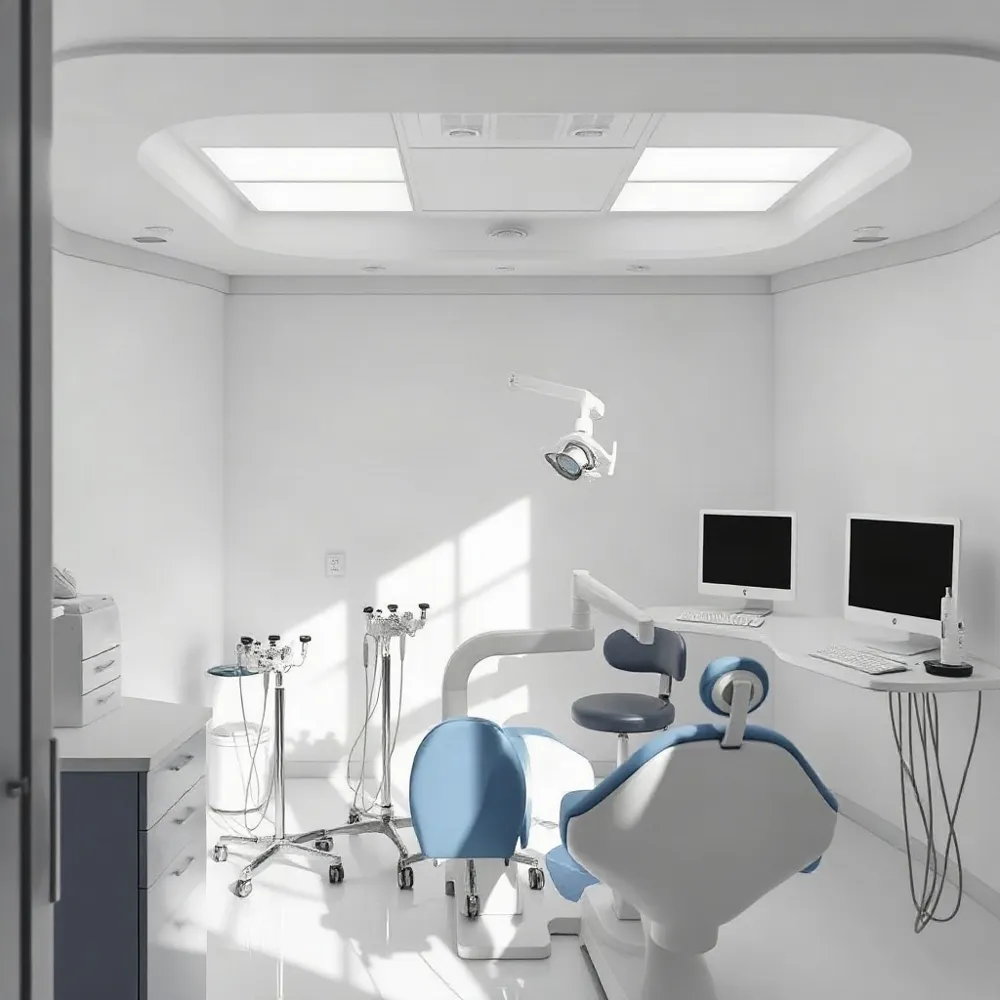
Restorative Dentistry: Restoring Health and Confidence
Definition and Goals of Restorative Dentistry
Restorative dentistry focuses on repairing or replacing damaged, decayed, or missing teeth to restore oral health, function, and aesthetics. This specialized branch of dental care uses treatments such as dental fillings, crowns, bridges, implants, dentures, and root canal therapy to address issues caused by trauma, decay, or disease. The primary goal is to regain proper chewing ability, enhance the appearance of your smile, and protect the natural structure of your teeth. Restorative procedures not only improve the shape, size, and strength of teeth but also prevent further deterioration by sealing and reinforcing vulnerable areas.
Importance of Restorative Treatments for Oral Health and Overall Well-Being
Treating dental damage or missing teeth promptly is essential for maintaining good oral health and overall well-being. Untreated dental problems can lead to infections, pain, difficulty chewing, and further tooth loss, which may affect nutrition and increase the risk of systemic conditions like heart disease, stroke, and diabetes. Restorative treatments relieve discomfort, restore chewing function, and reduce sensitivity to hot or cold. Additionally, they help maintain proper jawbone health, prevent teeth from shifting, and support facial structure, improving confidence and quality of life. By restoring both function and appearance, restorative dentistry supports your ability to speak, eat, and smile naturally and comfortably.
Common Restorative Dentistry Treatments Explained

What Are the Different Types of Restorative Dentistry Treatments?
Restorative dentistry offers a variety of treatments designed to repair or replace teeth affected by decay, trauma, or loss. Here's an overview:
- Fillings: Used to repair cavities caused by tooth decay or minor trauma. Teeth are cleaned of decay and filled with materials such as composite resin, which matches natural tooth color, or metal amalgam.
- Crowns: These are custom-made caps that cover a damaged or weakened tooth fully, restoring its shape, strength, and appearance. Crowns can be made from porcelain, all-ceramic, metal alloys, or porcelain-fused-to-metal (PFM).
- Bridges: Fixed restorations that replace one or more missing teeth by anchoring artificial teeth to adjacent natural teeth or implants, preventing shifting and restoring function.
- Dentures: Removable prosthetic devices for replacing multiple or all missing teeth, available as partial or full dentures. Implant-supported dentures provide improved stability.
- Dental Implants: Titanium posts surgically placed into the jawbone acting as artificial roots, topped with crowns, bridges, or dentures for a natural, durable replacement. This involves the osseointegration process in dental implants.
- Inlays and Onlays: Custom restorations for moderate damage too extensive for fillings but insufficient for crowns; they fit into or onto the tooth and are typically made from porcelain or composite resin. See also Inlays and Onlays dental restorations.
- Root Canal Therapy: Treatment of infected or damaged tooth pulp involving removal of pulp tissue, cleaning, sealing the canal, often followed by placement of a crown to protect the tooth.
What Materials Are Used in Restorative Treatments and What Are Their Benefits?
Restorative materials are selected based on durability, aesthetics, and biocompatibility:
- Composite Resin: Tooth-colored, blends naturally, ideal for fillings and bonding; less sensitive and minimally invasive.
- Porcelain and All-Ceramic: Highly aesthetic, used for crowns, bridges, inlays, and onlays; mimic natural tooth translucency.
- Metal Alloys and Gold: Extremely durable, often used in crowns and bridges especially for back teeth where strength is essential.
- Titanium: Biocompatible metal used for dental implants due to its ability to fuse with jawbone (osseointegration).
- CAD/CAM Technology in Restorative Dentistry: Advanced digital technology allows precise and efficient fabrication of restorations such as crowns, inlays, and onlays.
When Are These Treatments Recommended?
Treatment choice depends on the extent of tooth damage or loss:
| Treatment | Indication | Purpose |
|---|---|---|
| Fillings | Small cavities or minor tooth fractures | Stop decay progression and restore tooth |
| Crowns | Large decay, cracked or weakened teeth | Protect and restore tooth strength |
| Bridges | One or more missing adjacent teeth | Fill gaps and prevent teeth shifting |
| Dentures | Multiple missing teeth or complete edentulism | Restore chewing and speech function |
| Dental Implants | Single or multiple missing teeth, jawbone sufficient | Permanent tooth replacement |
| Inlays/Onlays | Moderate damage too extensive for fillings | Preserve tooth structure with durable restoration |
| Root Canal Therapy | Infection or decay reaching tooth pulp | Save tooth from extraction and relieve pain |
Restorative dentistry treatments not only restore oral health and functionality but also improve the smile's natural appearance, enhancing confidence and overall well-being.
Choosing the Right Restorative Treatment for Your Needs

Factors Influencing Treatment Choice: Extent of Damage, Number of Missing Teeth, Oral Health Status, Patient Preferences
Selecting the appropriate restorative dentistry overview treatment depends on various factors. The extent of tooth damage—whether minor cavities, cracks, or large areas of decay—guides whether fillings for cavity repair, Inlays and Onlays dental restorations, dental crowns explained, or more extensive options like dental implants overview are suitable. The number of missing teeth is critical; single missing teeth might be treated with dental implants or dental bridges for missing teeth, while multiple missing teeth could require dentures in restorative dentistry or full mouth rehabilitation. Additionally, the overall oral health status, including gum and bone health, influences treatment feasibility and longevity. Patient preferences regarding materials used in fillings, aesthetics, comfort, and budget also play a significant role in decision-making.
Consultation and Personalized Treatment Planning
A thorough consultation with a dental professional is essential to determine the best course of action. Dentists perform comprehensive evaluations using diagnostic tools and discuss patient goals and concerns. This approach ensures a customized treatment plan tailored to individual needs, medical history, and lifestyle. Personalized planning helps restore optimal oral function and appearance while minimizing risks and enhancing long-term success.
Role of Advanced Dental Technology in Treatment Decisions
Modern restorative dentistry benefits from cutting-edge technologies such as digital X-rays, intraoral cameras, 3D imaging, CAD/CAM technology in restorative dentistry, laser treatments, and precise treatment planning software. These tools improve diagnostic accuracy, allow precise treatment planning, and facilitate minimally invasive procedures. Advanced technology enhances patient comfort, shortens recovery times, and supports the fabrication of custom restorations that blend naturally with existing teeth. This technological integration empowers dentists to recommend treatments that are both effective and tailored to each patient’s unique oral health situation, as described in the Advancing Oral Health overview.
Benefits and Risks of Restorative Dental Procedures

How Do Restorative Dental Treatments Improve Oral Health?
Restorative dentistry plays a vital role in repairing damage caused by decay, trauma, or disease. Treatments like fillings, crowns, bridges, and dental implants not only stop the progression of dental infections but also strengthen weakened teeth. By filling cavities and replacing missing teeth, restorative care reduces sensitivity, prevents further decay, and helps maintain the structural integrity of the mouth, supporting long-term oral stability.
What Are the Functional Benefits of Restorative Procedures?
Restorative treatments significantly improve chewing and speaking abilities by restoring the natural function of teeth. For example, crowns and implants provide protection and durability to damaged or missing teeth, enabling efficient biting and chewing. Root canal therapy alleviates pain caused by infected pulp, while dentures and bridges help with speech clarity and overall comfort. These improvements contribute to better nutrition and quality of life.
How Does Restorative Dentistry Enhance Aesthetics?
Many restorative options are designed to closely match the natural color and shape of teeth. Materials such as tooth-colored composite fillings, all-ceramic crowns, and porcelain bridges help restore a natural, healthy smile. These aesthetic improvements provide emotional benefits by boosting confidence and self-esteem, facilitating improved social interactions.
What Are the Possible Risks and Complications?
While restorative treatments are generally safe and effective, some patient risks include temporary sensitivity and discomfort, particularly after procedures like fillings or root canals. There is a small chance of infection or allergic reactions to materials used in restorations. Occasionally, restorations such as crowns or bridges may chip or loosen, necessitating repair or replacement. Proper aftercare and regular dental visits are essential to minimize complications.
By understanding the benefits and risks, patients can feel confident choosing restorative dental care tailored to their individual needs, aiming for lasting oral health and an enhanced smile.
Recovery and Maintenance After Restorative Dentistry

Typical Recovery Times for Common Procedures
Recovery after restorative dental procedures varies depending on the treatment's complexity. Simple interventions such as dental fillings usually allow patients to resume normal activities immediately. Procedures like crowns or root canal therapy may involve a few days of mild sensitivity or discomfort. More extensive treatments like dental implants might require several days to a week of recovery as the surgical site heals.
Importance of Oral Hygiene and Regular Dental Visits
Maintaining excellent oral hygiene is essential for the longevity and success of restorative treatments. Brushing twice daily, flossing, and using antiseptic mouthwash help prevent infection and decay around restorations. Regular dental visits enable early detection of potential issues and professional cleaning to preserve oral health and restoration integrity. Learn more about benefits of restorative dentistry.
Managing Post-Procedure Discomfort and Complications
Minor sensitivity and mild discomfort are common following restorative treatments. Over-the-counter pain relievers and cold compresses can alleviate symptoms. Patients should closely follow their dentist's aftercare instructions. Promptly reporting persistent pain, swelling, signs of infection, or if a crown or filling feels loose can prevent complications and ensure timely care.
Longevity Expectations for Different Restorations
Restorative materials vary in durability. Composite resin fillings typically last around 10 years, while dental crowns may endure from 10 to 30 years depending on the material. Dental implants are designed as a long-term solution and can last several decades or even a lifetime with proper maintenance. Regular care significantly extends restoration lifespan and supports overall oral health.
Innovations and Future Trends in Restorative Dentistry
What are the modern technologies used in restorative dentistry?
Restorative dentistry has embraced cutting-edge technologies to enhance treatment precision, efficiency, and patient comfort. CAD/CAM technology in restorative dentistry allows dentists to design and fabricate same-day crowns, reducing the need for multiple visits and temporary restorations. 3D printing is increasingly used to produce highly accurate dental models, crowns, bridges, and dentures with personalized fit and fine detail.
Laser dentistry offers a minimally invasive approach to treating gum disease and preparing teeth, promoting faster healing and less discomfort. These technologies streamline procedures by enabling chairside fabrication and quicker restoration placement.
What emerging treatments are shaping the future of restorative care?
Advanced regenerative dentistry techniques using stem cells aim to stimulate natural tooth and tissue repair, potentially reducing the need for prosthetic restorations. Nano-technology in dentistry is being developed to create stronger and more wear-resistant dental materials, improving restoration durability.
Virtual dentistry, incorporating AI-assisted diagnostics and treatment planning, offers more personalized and precise care paths. Eco-friendly materials and genetically personalized treatments are also emerging, signaling a future where restorations are safer, more effective, and environmentally responsible.
How do these advances impact treatment outcomes and patient experience?
The integration of digital manufacturing and laser technology has significantly improved patient comfort by minimizing invasive procedures and shortening recovery times. Same-day restorations reduce the inconvenience of multiple dental visits and temporary appliances.
Enhanced materials developed through nano-technology increase the lifespan and resilience of restorations, leading to fewer replacements and better oral health outcomes. Regenerative approaches may one day allow patients to retain more of their natural tissues.
Overall, these innovations contribute to more predictable results, natural aesthetics, and tailored treatments that enhance oral function and patient satisfaction.
Making Informed Decisions for a Healthy Smile
Consulting Your Dental Professional
Making informed decisions about restorative dentistry starts with consulting your dental professional. These experts assess your individual oral health needs, discuss potential treatment options, and help you understand what to expect.
Personalized Treatment Plans
Every smile is unique, which is why tailored treatment plans are essential. Dentists consider factors such as the extent of tooth damage, your overall health, and personal goals to recommend the most suitable procedures—be it fillings, crowns, implants, or dentures.
Enhancing Quality of Life
Restorative dentistry doesn't just improve the appearance of your smile; it restores critical functions like chewing and speaking, alleviates pain, and supports long-term oral health. These improvements boost self-confidence and contribute positively to your overall well-being.