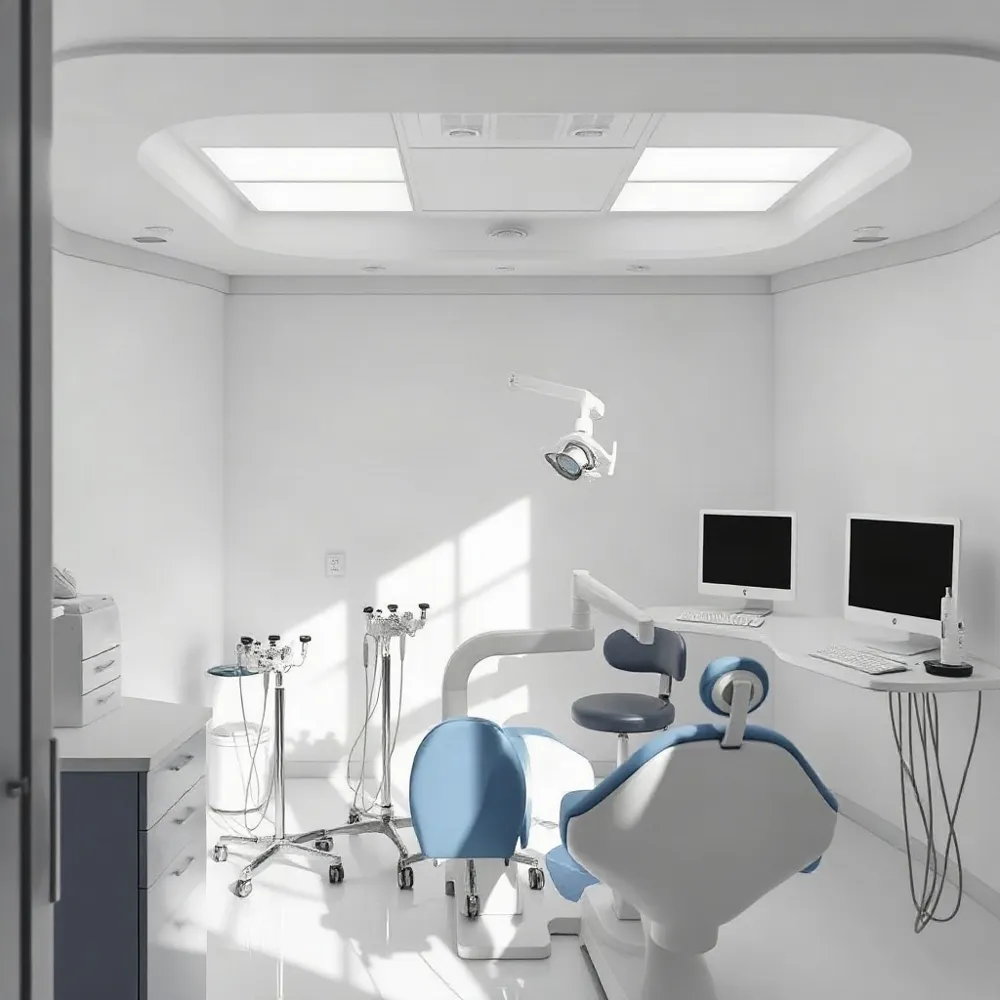
Understanding Dental Anxiety and Its Impact on Oral Health
What is Dental Anxiety?
Dental anxiety is a common condition where patients feel nervous or fearful about dental visits. This fear can stem from past painful experiences, feeling out of control, or the unfamiliar dental environment. Experts explain that dental anxiety is a natural biological reaction, similar to a fight or flight response, triggered by stimuli in the dental setting.
Symptoms and Physical Reactions
People experiencing dental anxiety may notice rapid heartbeat, shaking, shortness of breath, or feeling lightheaded. These symptoms are part of the body’s stress response, which releases hormones and causes physical sensations to prepare for perceived danger.
Why Managing Dental Anxiety Matters
Ignoring dental anxiety can lead to skipped appointments, worsening oral health, and the need for more complicated treatments. Addressing anxiety early helps maintain regular check-ups, prevents dental disease, and supports overall health. Dental professionals use communication, relaxation techniques, and in some cases sedation, to help patients feel comfortable and supported during care.
Key Causes and Symptoms of Dental Anxiety
What causes dental anxiety?
Dental anxiety often arises from a mix of psychological and emotional factors. Many people develop this fear due to past negative or painful experiences during dental visits, which leave a lasting impression. Some may also learn to feel anxious by observing others who are fearful or by hearing unsettling stories about dental procedures. Personality traits, particularly those inclined toward anxiety or fearfulness, can increase vulnerability. Early childhood experiences are significant; uncomfortable or frightening visits at a young age can shape long-term dental fears. Essentially, Dental anxiety management results from a complex interplay of past experiences, emotional responses, and individual factors, all influencing a patient's willingness to receive dental care.
What are the common symptoms of dental anxiety?
People experiencing dental anxiety may face a variety of physical and emotional symptoms that can make dental visits challenging. These include rapid heartbeat, sweating, trembling, nausea, stomach discomfort, and changes in blood pressure. Emotionally, patients often feel intense fear, panic, or dread before or during dental treatments. To manage these symptoms, patients can use Breathing exercises for dental calmness like deep breathing, listening to music, visualization, or distraction techniques. In cases of severe anxiety, Sedation Dentistry Options such as nitrous oxide (laughing gas) offer safe, effective relief without lingering effects, helping patients stay calm while awake during procedures. At Comfort at Beaver Dental Care, personalized care and sedation options are available to ensure each patient feels comfortable and supported throughout their visit.
Creating a Comfortable and Calming Dental Environment
How can design elements reduce dental anxiety?
Creating a calming atmosphere starts the moment patients enter the welcoming dental office design. Colors such as light blues, neutral tones, and whites are shown to lower anxiety by inducing calmness. Natural lighting and views of outdoor greenery further enhance this soothing effect, helping patients feel more relaxed before their appointment.
Comfortable seating in waiting areas is equally important. Options like armchairs, sofas, and even bean bags provide physical ease, while soft furnishings encourage patients to unwind. Incorporating plants, artworks, and personal touches adds warmth and makes the space inviting rather than clinical.
What amenities and sensory stimuli improve the waiting experience?
To keep patients at ease, waiting areas now often provide various amenities such as free Wi-Fi, charging stations, snacks, and beverages. Playing gentle, soothing music helps create a tranquil environment, distracting from any nervousness.
Some offices also feature teeth-brushing stations or bookshelves to engage patients positively while waiting. Clear signage and an organized layout reduce confusion and stress, facilitating a smoother visit from start to finish.
How does ergonomic design of dental chairs aid patient comfort during procedures?
Dental chairs designed with ergonomics in mind play a vital role in reducing discomfort. Adjustable positioning allows patients to remain comfortable during treatments of varying lengths. Soft cushioning supports the body, while accessories like warm blankets and neck pillows can be offered to soothe nerves and enhance relaxation.
These thoughtful touches contribute to a more pleasant procedure, helping patients feel cared for on both physical and emotional levels.
How can technology be used to ease anxiety during dental visits?
Cutting-edge technology offers distraction methods that can significantly alleviate anxiety. Virtual reality goggles or digital visualizations immerse patients in calming environments, diverting attention away from procedures.
Additionally, dentists often encourage patients to listen to calming music or watch screens during treatments, which helps manage stress and creates a more comfortable experience.
| Aspect | Details | Patient Benefit |
|---|---|---|
| Colors & Lighting | Light blues, neutrals, natural light | Reduced anxiety, calming atmosphere |
| Seating & Amenities | Sofas, armchairs, music, Wi-Fi, snacks | Physical comfort, enhanced waiting experience |
| Ergonomic Chairs | Adjustable, cushioned, blankets, pillows | Comfort during procedures |
| Technology | Virtual reality, digital distraction, music | Anxiety relief, distraction during treatment |
For more on creating a comfortable dental experience and reducing dental anxiety, explore these resources.
Communication Strategies and Patient Engagement to Reduce Anxiety
Why is effective patient communication important in dentistry?
Effective communication plays a crucial role in dentistry by building trust and reducing patient anxiety. When dental professionals communicate clearly and empathetically, patients feel more at ease and confident in their treatment plans. This open interaction fosters collaboration, helping patients understand their oral health and the procedures they undergo — which ultimately leads to better outcomes.
Clear communication also creates a supportive environment where concerns can be openly discussed. This reduces fear and uncertainty, making dental visits more comfortable. Additionally, well-established communication reduces misunderstandings and conflicts, minimizing risks like complaints or dissatisfaction. For more on the importance of Communication with Dental Professionals and communication in dental care, see these resources.
Building trust and fostering collaboration
Trust develops when patients perceive their dental team as compassionate and attentive. Listening actively to patients’ fears and questions helps dental professionals validate feelings and tailor care accordingly. Patients who trust their providers are more likely to engage in ongoing care and maintain regular dental visits.
Encouraging patients to ask questions and express concerns empowers them. Collaborative care decisions result in a positive dental experience and help break the cycle of anxiety and avoidance common in dental phobia. Learn more about Dental anxiety management and Strategies for dental anxiety.
Patient education and explaining procedures
Explaining each step of dental procedures in simple, jargon-free language demystifies treatments and alleviates fear of the unknown. Visual aids, demonstrations, and repeated reassurances can help patients feel more comfortable and informed.
Providing details about pain management options, sedation techniques, and expected sensations during procedures eases apprehension. Educated patients tend to have less anxiety and greater cooperation during appointments. This includes information on Sedation options for dental anxiety, Sedation Dentistry Options, and numbing gels and low-pain injections.
Communication skills essential for dental hygienists
Dental hygienists need to excel in active listening to recognize patient concerns promptly. They should communicate oral care instructions clearly and compassionately, making complex information easy to understand.
Empathy and patience are vital for building a trusting rapport, especially with anxious patients. Hygienists must also coordinate with dentists and other staff efficiently to ensure seamless, comprehensive care.
By mastering these communication strategies, dental hygienists contribute significantly to reducing patient anxiety and improving overall dental experiences. For detailed strategies on Dental anxiety management and communication signals with dentists, consult these expert sources.
Techniques and Sedation Options for Managing Dental Anxiety
How can dental anxiety be managed effectively?
Managing Dental anxiety effectively combines psychological techniques and open communication. Relaxation methods such as Deep breathing exercises, especially diaphragmatic (belly) breathing, and Visualization for Anxiety Reduction can help calm nerves during dental visits. Distraction techniques like Listening to Calming Music also divert focus from dental procedures, reducing fear.
Open Communication with Dental Professionals is vital. Patients should feel comfortable expressing their concerns and using agreed-upon signals to pause treatment if anxiety overwhelms them. This encourages a sense of control and trust.
For individuals with more severe anxiety or dental phobia, Sedation Dentistry Options become important. These may include Nitrous Oxide Sedation, Oral Sedatives at Beaver Dental, or IV Sedation Services, which help patients stay relaxed and comfortable without losing consciousness. Regular dental check-ups remain crucial to prevent worsening oral health, which can intensify anxiety over time.
What types of medications are used to relieve dental anxiety?
Dentists may prescribe short-acting anti-anxiety medications taken before appointments to ease nerves. These pharmacological options for dental anxiety must be used under professional supervision to ensure safety and effectiveness. Additionally, some patients turn to natural supplements like magnesium and valerian root, which promote relaxation prior to dental visits, albeit with varying results.
What is nitrous oxide, and how is it used for dental anxiety?
Nitrous oxide, commonly known as laughing gas, is a mild, fast-acting sedative inhaled through a mask. It is widely used to reduce anxiety and promote relaxation during dental procedures. The effects start quickly and wear off soon after the mask is removed, allowing patients to recover swiftly.
Aside from lowering dental stress, nitrous oxide can alleviate mild pain and discomfort, making it an effective option for patients who may otherwise avoid care due to fear. Its safe and controlled use helps many patients undergo necessary treatments comfortably.
| Technique / Option | Purpose | Benefits |
|---|---|---|
| Deep breathing exercises | Calming nervous system | Reduces tension, promotes relaxation |
| Visualization / guided imagery | Mental distraction | Diverts attention from dental anxiety |
| Listening to music | Distraction | Creates a soothing environment |
| Nitrous oxide (laughing gas) | Sedation and mild pain control | Quick effect, safe, fast recovery |
| Oral sedatives | Pharmacological anxiety relief | Helps severely anxious patients |
| Intravenous sedation | Deeper sedation for severe cases | Keeps patients relaxed without unconsciousness |
Comprehensive Approaches: Assessment, Early Intervention, and Psychological Support
What is the Dental Anxiety Scale and Modified Dental Anxiety Scale?
The Dental Anxiety Scale (DAS) and Modified Dental Anxiety Scale (MDAS) are simple yet effective questionnaires designed to identify a patient's level of fear and anxiety about dental visits. The DAS features four questions focusing on how a patient feels before and during appointments, while the MDAS expands on this with five questions for a more detailed evaluation. Both use a scoring system to classify anxiety from mild to severe, guiding dentists in recognizing patients who need special care.
These tools enable dental professionals to personalize treatment plans, ensuring that anxious patients receive comfortable, supportive care. Early detection of high anxiety helps prevent dental avoidance, encouraging patients to maintain regular check-ups and protect their oral health.
How can patients who are scared of the dentist but need treatment overcome their fear?
Open communication with your dental team is essential. Sharing fears and concerns allows dentists to offer tailored strategies such as the use of numbing gels and low-pain injections, painless injection techniques, and distraction methods like listening to calming music during appointments. Relaxation exercises—including deep breathing exercises, visualization, and mindfulness—can significantly help reduce nerves before and during dental care.
For patients with severe anxiety, sedation dentistry provides safe options to remain calm and relaxed. Techniques like inhalation sedation (nitrous oxide) and intravenous sedation keep patients awake but comfortable, reducing stress and pain.
Building trust with a compassionate dental team, choosing regular visits, and using behavioral and cognitive therapies for dental anxiety – such as guided imagery and controlled exposure – support overcoming dental fears. Early and continuous engagement with dental care fosters positive dental experiences and healthier smiles throughout life.
The importance of early and regular dental visits
Scheduling dental visits early in childhood, ideally by age seven, helps familiarize patients with dental environments and procedures, preventing fear from developing. Regular visits enable early detection and treatment of dental issues, reducing the likelihood of complex procedures that may increase anxiety. This proactive approach promotes a positive cycle of care and oral health maintenance.
Integration of psychological support in dental care
Dental practices increasingly collaborate with psychologists to provide behavioral therapies like cognitive behavioral therapy (CBT) targeting dental anxiety. Such support restructures negative thoughts and helps patients build coping skills. Combining psychological therapies with modern sedation techniques ensures comprehensive care for those with intense fear or phobias.
Impact of untreated dental anxiety on oral health
Avoidance of dental visits due to anxiety can result in worsening oral health, including more cavities, gum disease, and the need for complex treatments. This often heightens future dental fear, creating a harmful cycle. Addressing dental anxiety early enables better health outcomes, less invasive treatments, and greater patient satisfaction.
| Aspect | Description | Benefit for Patients |
|---|---|---|
| Dental Anxiety Scales (DAS/MDAS) | Questionnaires measuring dental fear levels | Enables tailored anxiety management |
| Behavioral & Cognitive Therapies | Techniques like CBT and relaxation exercises | Reduces anxiety and builds coping skills |
| Early Dental Visits | Visits starting around age seven | Prevents fear, encourages positive habits |
| Psychological Support | Collaboration with mental health professionals | Comprehensive care for severe anxiety |
| Impact of Untreated Anxiety | Leads to avoidance and worsening dental health | Highlights need for early intervention |
Promoting Lasting Comfort and Confidence in Dental Care
Creating a Comforting Dental Experience
A welcoming dental environment uses calming colors, comfortable seating, and soothing music to reduce anxiety. Personalized care and clear communication about procedures help patients feel in control. Techniques like deep breathing, visualization, and calming music during appointments further ease stress. Sedation options are also available for those with severe anxiety, ensuring a relaxed state throughout treatment.
Encouraging Supportive Dental Care
Open communication with friendly, compassionate dental professionals is vital. Patients are encouraged to share their fears and use agreed-upon signals during visits. Familiarizing oneself with the dental office beforehand can also help reduce nervousness.
Long-Term Benefits of Overcoming Anxiety
Managing dental anxiety leads to regular check-ups, preventing serious dental problems and reducing the need for complex treatments. Comfort during visits improves patient satisfaction and confidence, promoting healthier smiles that last a lifetime.