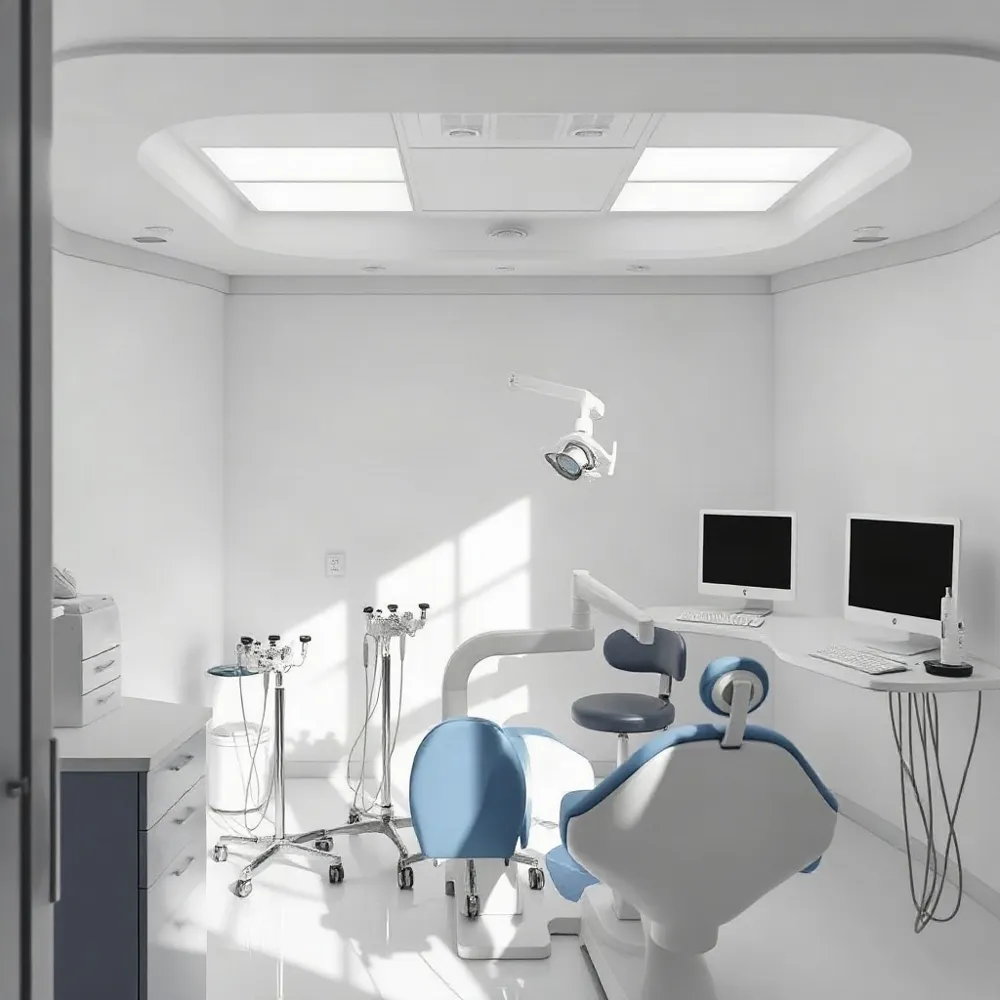
Understanding Dental Anxiety and Its Impact
What is Dental Anxiety?
Dental anxiety is a common fear or stress related to visiting the dentist. It affects a large portion of the population, with studies showing that between 50% and 80% of adults experience some level of dental anxiety. Severe forms, sometimes called dentophobia, affect about 9 to 15% of people and can lead them to avoid dental care altogether.
Causes of Dental Anxiety
This anxiety can stem from both biological and psychological factors. Biologically, the dental environment can trigger the body's natural 'fight or flight' response, causing physical symptoms like increased heart rate and sweating. Psychologically, negative past experiences, fear of pain, feelings of helplessness or loss of control, and even fear of the unknown can contribute to anxiety.
Why Addressing Dental Anxiety Matters
Ignoring dental visits because of anxiety often leads to worsening oral health, including cavities, gum disease, and even tooth loss. More serious dental problems may develop, requiring complicated and invasive procedures later on. By recognizing and managing dental anxiety, patients can maintain regular dental care, which is essential for healthy teeth and gums.
Understanding your dental anxiety is the first step towards overcoming it. Open communication with your dentist, relaxation techniques, and modern dental treatments designed for patient comfort can all help make your dental visits easier and more comfortable.
Recognizing Triggers and Physical Signs of Dental Anxiety
What causes dental anxiety and how does it affect patients?
Dental anxiety arises from a combination of biological, psychological, and experiential factors. Common triggers include fear of pain, painful or negative past dental experiences, the sensation of losing control during procedures, and feelings of embarrassment or helplessness. Additionally, mental health conditions and fear of invasive personal space contribute to anxiety in dental settings.
Common triggers such as fear of pain, past experiences, loss of control
Many patients report that fear of pain and needles sparks their anxiety. Past traumatic experiences with dental treatment or healthcare can establish deep-rooted fears. The dental environment itself, with its close personal contact and unfamiliar instruments, can amplify feelings of vulnerability and loss of control.
Signs and symptoms including rapid heartbeat, sweating, fainting, panic
Dental anxiety often manifests physically. Symptoms include an increased heart rate, sweating, shaking, rapid breathing, lightheadedness, nausea, and in extreme cases, fainting or panic attacks. Some patients might try to mask their fear through humor or withdrawal, making it harder to detect.
How dental anxiety manifests in both adults and children
While dental anxiety affects all ages, children may express it through crying, resistance, or clinginess. Early positive dental experiences can help children develop trust (Overcoming Child's Fear of the Dentist). Adults often have enduring anxiety, sometimes caused by prior negative experiences, leading to avoidance of dental care, which can worsen oral health.
Addressing these triggers and recognizing symptoms is vital for dental professionals to provide personalized, compassionate care and help patients feel safe and supported during their visits.
Effective Communication and Building Trust with Your Dentist
Why is open communication about your fears essential?
Openly discussing your dental fears with your dentist is a crucial step in management of dental anxiety. It allows the dental team to understand your specific concerns and fears, so they can provide clear explanations and reassurance. This dialogue helps create a tailored approach, making the visit more comfortable and less intimidating.
How can using signals during treatment reduce anxiety?
Establishing simple signals with your dentist—such as raising a hand to pause the procedure—gives you a sense of control and helps reduce fear of the unknown or unexpected discomfort. This form of communication fosters trust and empowers you throughout your dental experience.
Why should you ask questions about your dental procedures?
Asking questions about what to expect during dental treatments helps demystify the process and alleviates anxiety caused by uncertainty. Understanding each step prepares you mentally and reduces stress, ultimately leading to a more positive visit.
What role does choosing a compassionate dental practice play?
Selecting a dental practice known for its friendly staff, positive patient reviews, and a calming environment significantly influences your comfort level. Compassionate care providers prioritize your emotional well-being, use advanced, less invasive techniques, and offer personalized support, all of which contribute to easing dental anxiety.
How does communication with the dental team help manage anxiety?
Open communication allows patients to express their fears and needs, enabling dentists to provide explanations, reassurance, and tailor strategies such as taking breaks or using sedation. Trust building through friendliness, good reviews, and a calming environment helps patients feel more comfortable and reduces anxiety.
Together, these communication strategies build a foundation of trust and empowerment, transforming dental visits into more relaxed and positive experiences.
Practical Strategies to Alleviate Dental Anxiety During Visits
What techniques can help patients relax during dental visits?
Dental anxiety is common, but there are many effective strategies to help patients feel more relaxed and comfortable during their appointments. One key approach involves relaxation techniques for dental anxiety. The 3-4-5 breathing technique, which focuses on slow inhales, holds, and exhales, activates the parasympathetic nervous system and promotes calmness. Mindfulness practices for dental visits and progressive muscle relaxation also reduce stress responses.
Distraction techniques during dental visits is another helpful method. Listening to music during dental visits, audiobooks, or podcasts through headphones can divert attention away from dental procedures. Watching videos or engaging in light conversation during treatments can ease nervousness and make the time pass more quickly.
Scheduling appointments at times when stress levels are naturally lower—such as early mornings or quieter parts of the day—can help patients feel more prepared and less rushed.
Comfortable clothing for dental visits contribute greatly to relaxation. Wearing cozy, loose clothing like joggers and bringing a pillow can improve physical ease while waiting or reclining. Using favorite scents or essential oils can have a calming effect, helping patients refocus and feel more at ease in the dental environment.
Together, these strategies create a more patient-centered dental approach by addressing both physical comfort and psychological needs to reduce dental anxiety effectively.
Sedation Options and Professional Support for Severe Dental Anxiety
What sedation options are available for severe dental anxiety?
For patients experiencing severe dental anxiety, several sedation methods can help make dental visits manageable and comfortable. Common sedation techniques include:
- Nitrous Oxide (Laughing Gas): A mild sedative inhaled through a mask that promotes relaxation while allowing the patient to remain awake and communicative.
- Oral Sedation: Medication taken by mouth before the appointment to induce calmness and reduce anxiety.
- Intravenous (IV) Sedation: Delivered directly into the bloodstream, IV sedation offers a deeper level of relaxation and helps patients feel drowsy or semi-conscious.
- General Anesthesia: Used in rare or complex cases, this induces a controlled state of unconsciousness during the procedure.
When is sedation appropriate?
Sedation is typically recommended for patients whose anxiety prevents them from receiving necessary dental care, those undergoing extensive or invasive procedures, or when other anxiety management techniques are insufficient. Dentists assess each patient's medical history and anxiety level to determine the safest and most effective sedation option. For more on this, see Sedation Options for Dental Anxiety.
What role do mental health professionals and specialized interventions play?
In cases of severe anxiety or dental phobia, collaboration with mental health professionals may be needed. Psychological therapies, such as cognitive-behavioral therapy (CBT) for dental anxiety, guided imagery, and relaxation techniques, can complement sedation by addressing the root causes of anxiety. This multidisciplinary approach fosters long-term management and better outcomes. Detailed information is available on Psychotherapeutic Interventions for Dental Anxiety.
Why is preoperative assessment and patient safety important?
Before sedation, thorough evaluation of health status and potential risks is essential. Dental teams ensure that sedation is administered safely by trained professionals with appropriate monitoring and emergency protocols. This careful planning protects patient well-being while delivering comfortable, effective care. Learn more about Preoperative Assessment for Sedation.
The Importance of Regular Dental Visits and Preventative Care
Why is overcoming dental anxiety vital for oral health?
Avoiding dental visits due to anxiety can lead to worsening oral conditions such as cavities, gum disease, and even tooth loss. These issues often require more invasive and complex treatments that could have been prevented with timely dental care. Regular dental check-ups allow early detection and management of problems, making procedures simpler and less stressful.
Risks of avoiding dental care due to anxiety
dental anxiety] often causes patients to skip visits, which may result in poor oral health and more complicated dental issues. Ignoring routine care can lead to severe infections, painful treatments, and longer recovery times. This cycle of avoidance can increase fear and discomfort around dental visits.
How consistent visits prevent complex treatments
Consistent dental appointments enable proactive prevention, helping to identify and treat dental concerns early. This minimizes the need for invasive procedures and promotes better overall oral health. Regular cleanings and exams foster familiarity with the dental team, reducing anxiety over time.
Building positive dental experiences over time
Communicating openly with your dentist about any fears or discomfort supports personalized care and trust. Positive experiences, supported by gentle techniques and patient-centered environments, help reduce anxiety gradually. For children and families, early and routine visits create comfort and familiarity, making dental care a positive part of their health routine.
Special considerations for children and families
Early dental visits starting by a child’s first birthday help establish a ‘dental home.’ Pediatric dentists use child-friendly distraction and positive reinforcement methods in pediatric dentistry to ease fears. A supportive family environment and consistent dental care set the foundation for lifelong oral health and comfort. For more information, see "Overcoming Child's Fear of the Dentist".
Taking the First Step Toward a Comfortable Dental Experience
Managing dental anxiety effectively involves open communication with your dentist about fears and discomfort. Sharing your concerns allows the dental team to tailor care, possibly using relaxation techniques, distraction methods, or sedation options to ensure comfort.
Bringing a trusted friend or family member for support and practicing simple breathing exercises can also help ease anxiety before and during visits.
Overcoming fear of the dentist improves oral health, prevents complex treatments, and contributes positively to your overall wellness and confidence in maintaining a healthy smile.