Introduction to Restorative Dentistry and Its Importance
What Is Restorative Dentistry?
Restorative dentistry focuses on repairing or replacing damaged and missing teeth to restore oral health, function, and appearance. Its main goal is to help patients regain comfortable chewing, clear speaking, and an attractive smile.
Common Treatments in Restorative Dentistry
Typical procedures include dental fillings for cavities, crowns to cover damaged teeth, bridges to replace one or more missing teeth, dental implants as long-lasting tooth root substitutes, dentures for multiple tooth replacement, inlays and onlays for moderate damage, and root canal therapy to save infected teeth.
Why Restoration Matters
By restoring damaged or missing teeth, restorative dentistry prevents further oral health issues such as shifting teeth, jawbone loss, and pain. It enhances chewing ability, speech clarity, and overall confidence, supporting overall wellbeing and preventing more complex complications.
Common Restorative Dentistry Treatments and Their Functions
What Are Fillings, Crowns, Bridges, Implants, Dentures, Inlays, Onlays, and Root Canal Therapy?
[Restorative dentistry overview] treats damaged or missing teeth through various procedures:
- [Dental fillings for cavities] repair small cavities by removing decay and sealing the tooth with composite resin or amalgam. They prevent further decay and typically last 7–15 years.
- [Dental crowns] are caps that cover large cavities or broken teeth, restoring strength and shape. Made from porcelain, ceramic, metal alloys, or zirconia, crowns can last 5–15 years.
- [Dental Bridges replace missing teeth by anchoring artificial teeth between crowns fitted to adjacent natural teeth. Bridges maintain proper bite and speech.
- Dental implants] involve surgically placing titanium posts into the jawbone that support a crown or bridge. Implants act like natural roots and are a long-lasting, stable tooth replacement, often lasting 15–20 years.
- Dentures and implant-supported dentures] are removable devices replacing some or all missing teeth. Implant-supported dentures offer enhanced stability compared to traditional ones.
- Inlays and Onlays are custom restorations for moderate damage—larger than fillings but smaller than crowns—designed to fit inside or over the tooth’s cusps.
- Root Canal Therapy Process] treats infected or damaged pulp inside a tooth. The canals are cleaned, disinfected, filled with gutta-percha, and usually covered with a crown afterward to reinforce the tooth.
How Do These Treatments Address Specific Dental Issues?
Each procedure targets particular problems:
- Fillings halt cavity progression.
- Crowns restore severely weakened or cracked teeth.
- Bridges prevent teeth shifting after tooth loss.
- Implants replace missing roots, preserve jawbone, and maintain facial structure.
- Dentures restore chewing and speech when multiple teeth are missing.
- Inlays and onlays conserve more tooth structure than crowns while repairing decayed areas.
- Root canals save teeth that would otherwise require extraction due to infection.
What Materials Are Used and How Long Do Restorations Last?
Materials vary based on function and aesthetics:
| Restoration | Common Materials | Expected Longevity |
|---|---|---|
| Fillings | Composite resin, amalgam | 7–15 years |
| Crowns | Porcelain, ceramic, metal alloy, zirconia | 5–15 years |
| Bridges | Porcelain fused to metal, ceramic | 10–15 years |
| Implants | Titanium posts with porcelain crowns | 15–20 years or more |
| Dentures | Acrylic resin, sometimes implant-supported | 5–10 years |
| Inlays/Onlays | Porcelain, composite resin | Varies; often 10+ years |
| Root Canal Covers | Porcelain, ceramic, metal | 5–15 years |
Proper dental hygiene and regular checkups are essential to maximize the lifespan of these restorations.
What Are Common Dental Services Offered by Modern Family-Oriented Practices?
Modern family-oriented dental practices provide comprehensive care including preventive services like cleanings and exams, restorative treatments such as [Restorative dental procedures], Dental crowns restoration], bonding, and Root Canal Therapy Process], as well as orthodontics and cosmetic dentistry. Personalized care focuses on patient comfort and education, ensuring oral health needs across all ages are met effectively.
The Life-Changing Benefits of Restorative Dental Treatments
How does comprehensive dental care benefit patients of all ages?
Comprehensive dental care is essential for people at every stage of life, offering tailored services to meet unique oral health needs. For children, early care supports proper tooth development and helps prevent or correct issues like cavities and misaligned teeth. Adults benefit from preventive and Restorative Dentistry Overview treatments that maintain healthy teeth and gums, addressing problems such as decay or wear. Seniors receive specialized care to manage challenges like denture use and oral infections. This holistic approach enhances overall wellness, boosts confidence, and helps avoid more costly and complex dental procedures later on.
How does restorative dentistry improve chewing, speech, and overall oral function?
Restorative Dentistry Benefits, including fillings, crowns, bridges, implants, and dentures, restore damaged or missing teeth to full function. This allows patients to chew food effectively, promoting better nutrition, and speak clearly without impediments. Restoring proper bite alignment also reduces jaw discomfort and prevents further dental wear or damage, supporting long-term oral health.
How do restorative treatments enhance aesthetics and boost confidence?
Modern restorative materials closely mimic natural tooth color and texture, providing seamless repairs that improve the appearance of teeth. Treatments can correct gaps, discoloration, chips, or misalignment, enhancing the overall smile. This aesthetic improvement significantly boosts patients' self-esteem and mental well-being by allowing them to smile confidently.
How do restorative procedures help prevent further dental complications?
By repairing cavities, cracks, or missing teeth promptly, Restorative Dentistry Procedures prevents progression of decay, infection, and tooth loss. Strong, properly restored teeth resist fractures and further damage. Additionally, preventing teeth from shifting maintains jaw alignment and reduces the risk of gum disease. These interventions protect oral health and reduce future dental problems.
What is the role of dental implants in maintaining jawbone health?
Dental Implants replace missing tooth roots with titanium posts surgically embedded into the jawbone. This stimulates bone growth and prevents bone loss that typically follows tooth extraction. Maintaining jawbone density preserves facial structure, prevents shifting of adjacent teeth, and ensures a stable foundation for prosthetic teeth, making implants the gold standard for tooth replacement.
Restorative dentistry not only restores function and beauty but also plays a crucial role in preventing systemic health issues linked to poor oral health, such as heart disease and diabetes. Through personalized treatment plans and ongoing care, patients can enjoy improved oral health and overall quality of life.
Technological Advances Elevating Restorative Dentistry
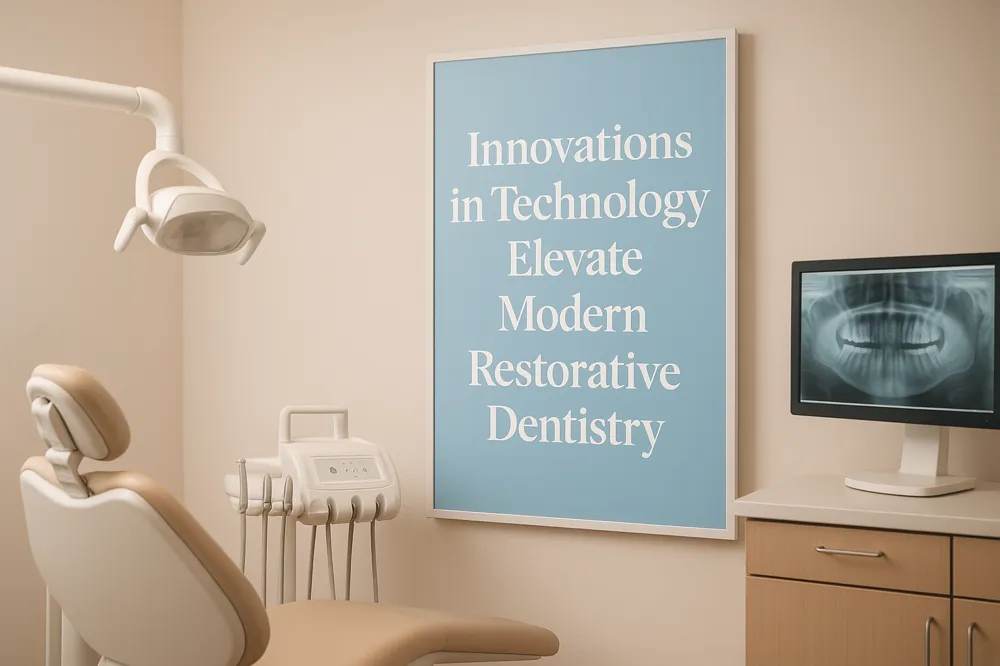
What modern technologies are commonly used in dental practices today?
Modern dental practices are equipped with a variety of advanced technologies that greatly enhance Restorative Dentistry. Digital X-rays and 3D imaging tools provide highly accurate diagnostics with much lower radiation exposure than traditional methods. These imaging advances enable dentists to detect issues earlier and plan treatments more precisely.
Intraoral cameras offer detailed visuals of the mouth, improving communication between dentist and patient and allowing for better treatment customization. Laser dentistry represents a minimally invasive option for procedures, causing less discomfort and swelling. This technology often reduces the need for anesthesia and speeds up healing times.
CAD/CAM (computer-aided design and manufacturing) technology has revolutionized restorations by enabling the creation of same-day crowns and bridges. This convenience means patients receive high-quality, durable restorations quickly without multiple visits.
Emerging technologies like Telehealth dental visits increase accessibility by allowing remote consultations, while 3D printing dental appliances streamlines the production of dental appliances tailored to individual needs. Together, these advancements contribute to more efficient, comfortable, and effective Restorative Dentistry.
The Role of Family-Oriented Dental Practices in Restorative Care
Why is choosing a family-oriented dental practice beneficial for dental care continuity?
Choosing a family-oriented dental practice offers a host of benefits that promote continuity and quality in dental care. These practices build a strong relationship with each family member by becoming familiar with their unique oral health history. This allows the dental team to develop personalized and consistent treatment plans tailored to each patient's individual needs.
Benefits of continuity in care for families
Continuity in care at a family dental practice means patients receive comprehensive services spanning from preventive checkups to advanced Restorative Dentistry Procedures. Families can visit one trusted office for regular cleanings, Dental Fillings, Dental Crowns Explained, Dental Bridges for Missing Teeth, Dental Implants as Tooth Replacement, and more. This reduces the need to visit multiple specialists and ensures early detection and timely intervention, which is crucial for preventing more serious dental problems.
Personalized and consistent treatment plans
Familiarity with the family's dental and medical background enables dentists to create highly customized Benefits of Restorative Dentistry. For example, they can monitor growth patterns in children, manage chronic conditions in adults, and adjust treatments to meet each patient’s comfort and cosmetic goals.
Building lifelong oral health habits and reducing dental anxiety
Regular visits to the same family dentist help instill good oral hygiene habits from childhood through adulthood. Familiar surroundings and trusted care providers reduce dental anxiety, especially in children, making it easier to maintain ongoing dental care without fear.
Comprehensive care spanning preventive to restorative services
Family-oriented dental practices typically offer a wide range of services in one location. This includes preventive care like Dental sealants for cavity prevention, alongside restorative treatments such as Dental Crowns, Dentures and Implant-Supported Dentures, Root Canal Therapy Process, and Dental Implants for Tooth Replacement. This holistic approach ensures patients can maintain optimal oral health and quickly address any dental issues that arise, improving both oral and overall health.
Choosing a family-oriented dental practice supports not only strong dental health but also overall well-being, since consistent oral care helps reduce risks for systemic diseases linked to poor oral hygiene, like heart disease and diabetes.
Maintenance and Best Practices for Long-Term Oral Health

What are the best practices to maintain oral health between dental visits?
Maintaining excellent oral health between dental visits revolves around a consistent, thorough daily routine and mindful lifestyle choices. Brushing your teeth at least twice daily with fluoride toothpaste for a full two minutes is vital. It helps remove plaque and prevent cavities. Complement brushing with daily flossing or interdental cleaning to eliminate food particles and plaque build-up between teeth, places your toothbrush can't reach. Cleaning your tongue can also help reduce bacteria and freshen breath.
How do diet and lifestyle impact oral health?
What you eat and drink profoundly affects your teeth and gums. A balanced diet low in sugary and acidic foods helps prevent tooth decay and enamel erosion. Drinking plenty of water supports saliva production that naturally washes away particles and neutralizes acids. Avoiding tobacco products and limiting alcohol consumption are crucial steps. These habits reduce risks of gum disease, oral cancers, and other dental complications.
Why are regular dental visits and professional cleanings important?
Professional dental checkups every six months allow early detection of issues like cavities, gum disease, or wear on restorative work. Cleanings remove tartar that brushing alone cannot eliminate, preventing disease progression. During visits, dentists and hygienists provide personalized advice tailored to your oral health needs.
How can patients protect their restorative dental work?
Restorative treatments like crowns, bridges, implants, and fillings require special attention. Avoid using teeth as tools or chewing very hard foods, which can chip or loosen restorations. Wearing a mouthguard during sports or if you grind your teeth (bruxism) protects your dental work and natural teeth. Following your dentist's care instructions helps maintain restoration longevity.
What role does patient education and follow-up care play?
Understanding the importance of maintaining oral health after restorative treatments empowers patients to take control of their care. Dentists provide guidance on hygiene techniques and lifestyle modifications specific to your situation. Scheduling follow-up visits ensures that restorations remain in good condition and that any issues are addressed promptly.
By adopting these best practices, you safeguard your oral health, extend the life of restorative treatments, and enhance your overall well-being. For further tips tailored to your dental care, search for "Oral health maintenance tips after restorative dental treatments".
Conclusion: Embracing Restorative Dentistry for Lasting Oral Wellness
Embracing Restorative Dentistry for Long-Term Benefits
Restorative dentistry plays a vital role in repairing and replacing damaged or missing teeth, restoring both function and appearance. These treatments improve chewing, speech, and oral health, while boosting confidence and quality of life.
Early intervention is crucial for preventing further damage and more complex issues down the line. Regular dental check-ups and good oral hygiene help maintain restorations and ensure lasting success.
By choosing personalized restorative care tailored to individual needs, patients can enjoy improved oral wellness and smile aesthetics for years to come, supporting overall health and well-being.