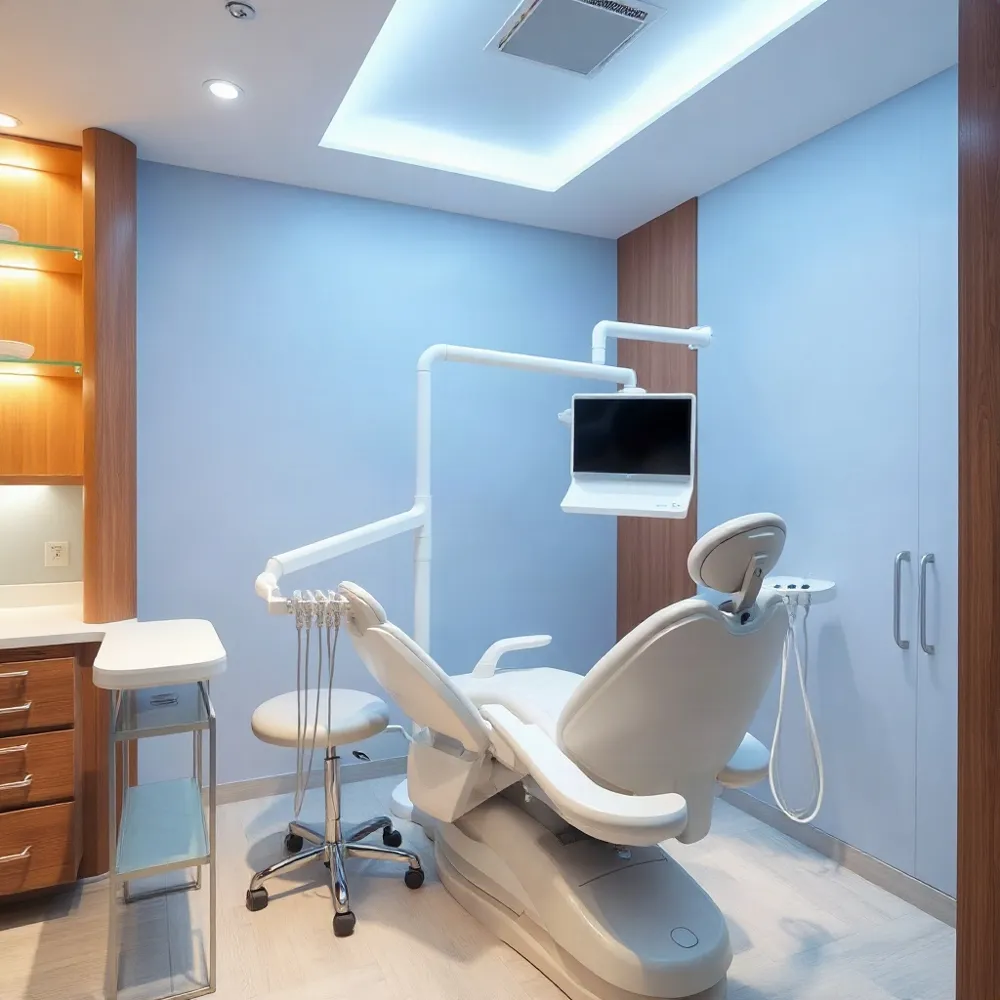
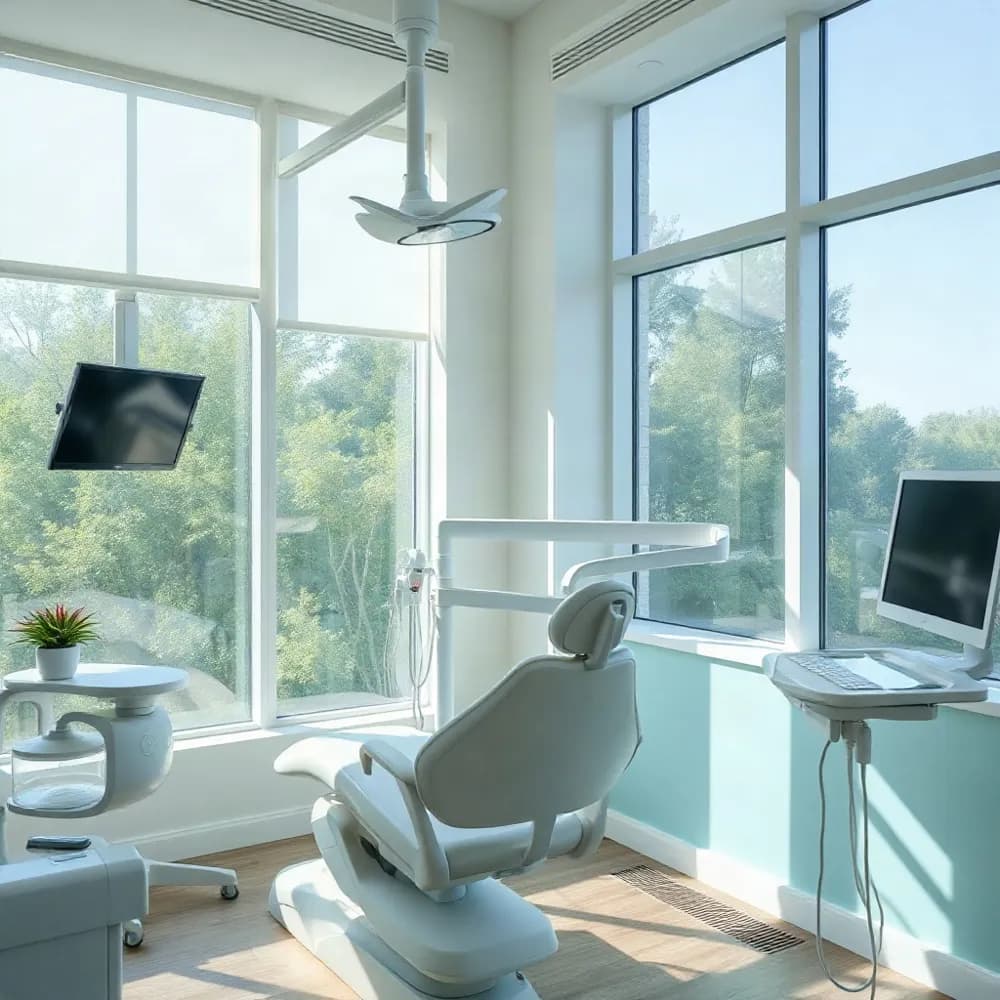
Understanding Restorative Dentistry and Its Role in Oral Health
What Is Restorative Dentistry?
Restorative dentistry focuses on repairing or replacing damaged, decayed, or missing teeth to restore both function and appearance. Its main goals include helping patients regain normal biting, chewing, and speaking abilities while preventing further oral health problems.
Common Dental Issues Addressed
Restorative treatments are used to fix a range of dental concerns such as:
- Cavities and tooth decay
- Broken or cracked teeth
- Missing teeth
- Infections affecting the tooth pulp
Common procedures include fillings, crowns, bridges, dental implants, root canal therapy, and dentures.
Benefits Beyond Looks
While improving smile aesthetics is an important aspect, restorative dentistry offers many additional benefits:
- Enhances chewing and speaking functions
- Eliminates pain caused by decay or damaged teeth
- Prevents shifting of neighboring teeth to maintain proper alignment
- Helps maintain jawbone health, especially through implants
- Boosts confidence and overall quality of life
By addressing these issues promptly with personalized care, patients experience long-term oral health improvements and a more comfortable bite.
Exploring Common Restorative Procedures: Fillings, Crowns, and Bridges
What Types of Dental Fillings Are Commonly Used and What Materials Are They Made From?
Dental fillings repair cavities and minor tooth damage to restore function and prevent further decay. There are two main types of fillings:
- Direct Fillings: These include composite resin, amalgam, and glass ionomer. Direct fillings are placed in one appointment after numbing and cleaning the tooth.
- Indirect Fillings: Comprising inlays and onlays, these are custom-made in a laboratory and usually require two visits, though advanced CAD/CAM technology may enable same-day placement.
Materials vary:
- Composite Resin: Tooth-colored and popular for aesthetic reasons.
- Amalgam: Durable, silver-colored, and safe for most patients, though some groups are advised caution.
- Glass Ionomer: Releases fluoride, beneficial for certain patients including children.
When Are Crowns Used and Why?
Crowns or caps, cover and protect teeth that are severely damaged by decay, fractures, or after root canal therapy. They restore the tooth’s shape, strength, and appearance by fitting over the natural tooth after some enamel is removed.
Crowns can be made from materials such as porcelain, ceramic, gold, or zirconia, selected for durability and cosmetic match. They help:
- Protect weakened teeth from further damage
- Restore chewing function
- Enhance smile aesthetics
What Is the Purpose and Function of Dental Bridges?
Dental bridges replace one or more missing teeth by anchoring artificial teeth to adjacent natural teeth or implants. This helps:
- Maintain proper bite alignment
- Prevent neighboring teeth from shifting
- Restore the ability to chew and speak properly
- Improve facial aesthetics by filling gaps
Bridges typically involve placing crowns on the supporting teeth with false teeth suspended between them, creating a stable restoration.
At Best Choice Dental, patients of all ages benefit from personalized restorative treatments including fillings, crowns, and bridges designed to restore oral health and boost confidence while preserving natural function.
Dental Implants: The Gold Standard for Tooth Replacement

What Are Dental Implants and Their Benefits?
Dental implants are titanium devices surgically placed into the jawbone to serve as artificial tooth roots. They offer a stable and durable foundation for replacement teeth such as crowns or implant-supported bridges. Unlike dentures that rest on the gums, implants integrate with the bone through a process called osseointegration, which helps preserve jawbone health by stimulating new bone growth and preventing deterioration after tooth loss.
The benefits of dental implants include restoring natural chewing function and speech, enhancing smile aesthetics, and improving overall oral health. They maintain the alignment of surrounding teeth by filling the gap left by missing teeth and distribute bite forces evenly, reducing jaw pain and discomfort. Implants also provide higher stability and longevity compared to removable dental appliances.
Step-by-Step Dental Implant Process
The Dental Implant Process Timeline involves several carefully timed stages over several months:
- Consultation and Evaluation: The dentist assesses oral health, jawbone density, and suitability for implants.
- Tooth Extraction and Healing: If necessary, damaged teeth are extracted, followed by a healing period.
- Bone Grafting (if needed): In cases of insufficient jawbone, grafting materials support new bone growth, adding a healing period of 3 to 9 months.
- Implant Placement: A titanium screw is surgically inserted into the jawbone.
- Osseointegration: Over 2 to 6 months, the implant fuses with the bone.
- Abutment Placement: A minor surgery attaches an abutment to connect the implant with the future crown.
- Crown Fitting: A custom-made crown matching the natural tooth is placed, restoring appearance and function.
Comparing Dental Implants, Dentures, and Implant-Supported Options
Traditional dentures are removable appliances that may suffer from less stability, relying on the gums and jawbone for support. Implant-supported dentures improve this by anchoring a full arch of teeth to several implants, offering greater stability and comfort.
While dentures can be removed for cleaning, implants provide a permanent, natural-feeling solution that enhances biting force and reduces bone loss. Implant-supported bridges similarly replace missing teeth by anchoring to implants rather than natural teeth, preserving adjacent teeth and providing durability.
For individuals seeking a long-term and aesthetically pleasing solution to tooth loss, dental implants remain the gold standard in restorative dentistry. They balance function and appearance, supporting patients’ confidence and quality of life.
Inlays, Onlays, and Root Canals: Intermediate Restorative Solutions
When are Inlays and Onlays Used?
Inlays and Onlays Usage are ideal for teeth with damage or decay that is too extensive for a simple filling but not severe enough to require a full crown. These restorations fit precisely within the contours of the tooth, restoring strength and functionality while preserving more natural tooth structure compared to crowns. They are often custom-made in a dental lab and then bonded to the tooth, sometimes requiring two visits, though advances in CAD/CAM can reduce this to one.
Role of Root Canal Therapy in Restorative Dentistry
Root Canal Therapy Explained becomes necessary when decay extends deep into the tooth, reaching the pulp where nerves and blood vessels reside. This treatment removes infected tissue, relieves pain, and prevents the spread of infection. After root canal therapy, a crown is commonly placed to protect the weakened tooth, restoring its shape, strength, and function.
Materials and Longevity of These Treatments
Materials used in dental crowns Inlays and onlays are typically crafted from durable materials such as porcelain, composite resin, or gold, with lifespans of up to 30 years depending on care and material choice. Root canal treated teeth are usually restored with crowns made from porcelain or zirconia, ensuring a natural look and long-lasting protection. Proper oral hygiene and regular dental check-ups are essential to maintain these restorations, helping patients enjoy improved chewing, aesthetics, and long-term oral health.
Technology and Personalized Care in Restorative Dentistry at Family Practices
How do CAD/CAM, 3D printing, and digital x-rays enhance restorative dentistry?
Modern family dental practices in Totowa and nearby areas incorporate cutting-edge technology such as CAD/CAM technology in dentistry, 3D printing, and High-Resolution Digital X-Rays to improve the diagnosis, design, and fabrication of dental restorations. CAD/CAM allows dentists to design crowns, inlays, and onlays with high precision for a perfect fit, often completing restorations in fewer visits. 3D printing supports creating customized models and dental appliances efficiently. Digital x-rays reduce radiation exposure significantly compared to traditional methods while providing detailed images for accurate diagnosis.
Why is personalized treatment planning essential in restorative dentistry?
Each patient’s dental needs are unique, requiring tailored restorative plans that consider oral health status, aesthetics, function, and lifestyle. Family-oriented dental clinics emphasize thorough consultations, utilizing comprehensive diagnostics and listening closely to patient concerns. This personalized approach ensures treatments like crowns, implants, and bridges address individual requirements effectively, boosting treatment success and patient satisfaction.
What impact do technology and personalized care have on patient comfort and outcomes?
The integration of advanced technology reduces discomfort by enabling minimally invasive procedures and speeding up treatments. Digital impressions and imaging eliminate the need for uncomfortable traditional molds. Personalized care fosters patient trust and engagement, resulting in better adherence to treatment plans and follow-up care. Altogether, these factors enhance the reliability, durability, and natural appearance of restorations while contributing to an overall comfortable and positive patient experience.
Maintaining Your Restored Smile: Post-Treatment Care and Prevention
Importance of Regular Dental Check-ups
Regular dental visits are essential after Restorative Dentistry Overview to monitor the health and stability of your restored teeth. Dentists use advanced diagnostic tools such as High-Resolution Digital X-Rays and 3D imaging to detect any early signs of wear, damage, or infection. Timely check-ups help prevent potential complications and ensure the longevity of your restorations.
Proper Oral Hygiene After Restorative Treatments
Maintaining excellent oral hygiene is crucial following procedures like Dental fillings overview, Dental Crowns Explained, Dental Bridges Explained, and Dental Implant Process Timeline. Patients should brush twice daily with fluoride toothpaste, floss carefully around restorations, and consider additional tools like interdental brushes for hard-to-reach areas. These practices reduce plaque buildup, prevent decay around restorations, and support gum health.
Long-term Benefits of Maintenance and Early Intervention
Consistent care preserves chewing and speaking function, prevents further tooth damage, and helps maintain a confident smile. Early intervention at the sign of sensitivity or discomfort can address minor issues such as chipped crowns or loosened fillings before they become more serious problems. Overall, diligent maintenance enhances oral health and quality of life, making your Benefits of a restored smile last for many years.
Investing in Your Smile Through Effective Restorative Dentistry
Understanding Restorative Dentistry Options and Their Benefits
Restorative dentistry offers a range of treatments to repair and replace damaged or missing teeth, improving both oral function and aesthetics. Common procedures include fillings to treat cavities, crowns to protect and restore strength to damaged teeth, bridges to replace missing teeth by anchoring to adjacent teeth, and dental implants that simulate natural teeth by embedding titanium posts into the jawbone. Dentures provide removable or implant-supported options for replacing multiple teeth. These treatments not only restore chewing and speaking capabilities but also enhance smile appearance and boost confidence.
The Importance of Timely Treatment and Consistent Care
Timely dental care is crucial for preventing further complications such as infection or tooth loss. Early intervention through fillings or crown placement can avoid more invasive procedures. After treatment, regular dental check-ups and diligent oral hygiene are essential for maintaining restorations and overall oral health. This ongoing care helps sustain the longevity of dental work and preserves the natural beauty and function of your teeth.
Family-Oriented Practices Promote Lifelong Oral Health
Choosing a family-focused dental practice ensures comprehensive care tailored to every age. Practices in Totowa and surrounding areas provide personalized treatment plans, leveraging advanced technologies such as digital X-rays and 3D scanning to enhance precision and comfort. Their compassionate approach supports patients through all stages of life, fostering long-term dental wellness for individuals and families alike.
Investing in restorative dentistry is an investment in your health and quality of life, leading to a confident smile that lasts.