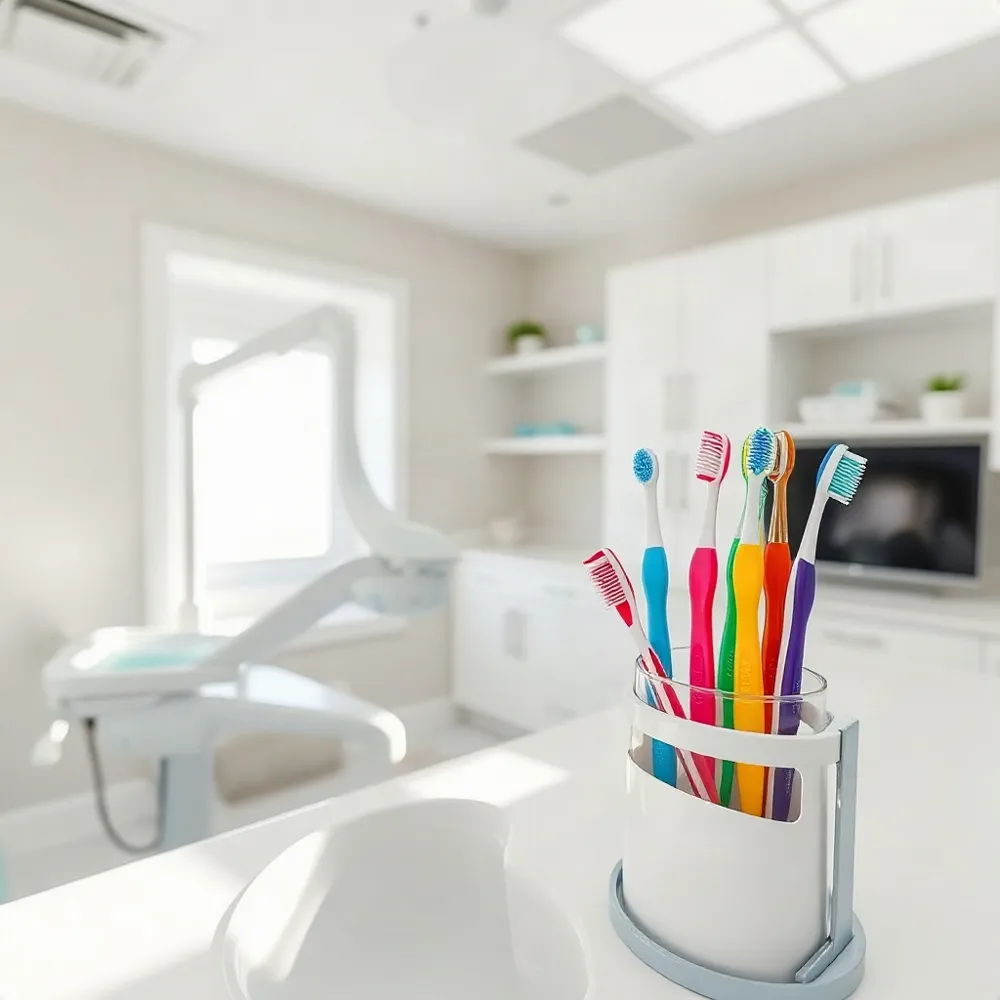
Why Prioritizing Family Oral Health Matters for Busy Parents
Oral health is essential for every family member, supporting overall well-being and preventing painful issues like cavities and gum disease.
Busy parents often face challenges keeping up with daily dental routines due to hectic schedules and multiple responsibilities. Summer activities, traveling, and back-to-school preparations can disrupt regular brushing and flossing habits.
Maintaining consistent oral care routines, including brushing twice daily with fluoride toothpaste and flossing, helps prevent dental problems. Using portable oral care kits on the go and scheduling family dental visits early ensure healthy smiles year-round.
By prioritizing dental hygiene, parents protect their children’s teeth from decay and injuries while modeling lifelong habits. Strong oral health fosters confidence, comfort, and overall health for the entire family.
Establishing Effective Oral Hygiene Routines for Kids
Starting Oral Care Before the First Tooth Eruption
Oral hygiene should begin early by gently wiping a baby's gums twice daily with a soft cloth. This simple step helps remove bacteria and sugars, setting a foundation for healthy teeth. For more information, see Oral Health Resources for Families.
Using Fluoride Toothpaste Appropriately for Different Child Ages
Once the first tooth appears, start brushing with a small, soft-bristled toothbrush using plain water or a smear of fluoride toothpaste for children under 3. For kids aged 3 to 6, a pea-sized amount of fluoride toothpaste is recommended to strengthen enamel and prevent cavities. Refer to Start dental visits early for detailed guidance.
Supervising Brushing Until Children Can Brush and Floss Reliably
Children usually need parental supervision when brushing until about age 6 to 8, ensuring proper technique and effective cleaning. At this age, they can also begin to rinse and spit reliably. Learn more at oral health tips for children.
Introducing Flossing When Teeth Touch
Flossing should begin as soon as two teeth touch to clean areas where a toothbrush cannot reach, helping prevent cavities between teeth. Guidance is available in oral health tips for children.
Importance of Early Dental Visits by First Birthday
Parents should schedule their child’s first dental visit by age one to establish a dental home, allow for early detection of potential issues, and introduce children to a positive dental experience. See Infants' first dental visit guidelines.
Preventing Baby Bottle Tooth Decay and Promoting Healthy Snacking
Avoid putting babies to bed with bottles containing sugary liquids as it can cause baby bottle tooth decay. Encourage drinking from a cup by age one and promote smile-friendly snacks such as cheese, fruits, yogurt, and whole grains to support dental health. Visit Family Dentistry Tips for more about healthy foods for dental health.
Regular oral hygiene routines combined with early dental care help children maintain healthy smiles and prevent early tooth decay. For comprehensive oral hygiene guidance, see Proper Oral Hygiene Techniques.
Smart Oral Care Tips to Manage Busy Schedules
Using Portable Oral Care Kits for Travel and Outdoor Activities
Busy families often find themselves on the go, especially during summer travel, camping, or sports activities. A well-prepared portable oral care kits for travel and sports—which includes a travel toothbrush, toothpaste, floss picks, and water for rinsing—helps maintain oral hygiene anytime and anywhere. This simple tool ensures that brushing and flossing routines during summer don't get skipped, even when away from home.
Tying Brushing Routines to Daily Activities
Integrating oral care into daily habits makes it easier for busy parents and kids to remember brushing. For example, brushing could be done after applying sunscreen or following breakfast. Linking these activities creates consistent cues that support maintaining oral health tips for busy parents and healthy teeth and gums amidst a hectic schedule.
Scheduling Dental Appointments Early, Especially Before School Year
Planning dental checkups early, particularly before the back-to-school dental appointment scheduling season, can help families avoid the fall rush. Early scheduling ensures timely checkups and cleanings, keeping dental health on track without conflicts from school or extracurricular activities.
Handling Dental Anxiety in Children Through Calm, Fun Approaches
Dental anxiety can be common among children, but addressing it calmly and positively is key. Parents can introduce dental visits in a fun, gentle way, choosing kid-friendly environments or sedation options if needed. Using summer, when schedules are more flexible, is an ideal time to acclimate children to managing dental anxiety in children with less stress.
Parents Maintaining Their Own Dental Health for Confidence and Well-Being
Parents should not overlook their own oral health, as maintaining routine checkups and addressing cosmetic concerns like whitening or fixing chipped teeth promotes confidence. Healthy smiles support overall well-being and set a positive example for children, highlighting the family's commitment to parents’ own dental health maintenance and lifelong dental care.
Protecting Active Kids: Mouthguards and Healthy Snack Choices
Why Should Kids Wear Mouthguards During Summer Sports?
Active children participating in summer sports like soccer, baseball, biking, or skateboarding face a higher risk of dental injuries. Custom mouthguards for kids' summer sports provide a comfortable, secure fit that protects teeth, gums, and braces from potential impacts. These mouthguards are especially important for kids with braces or newly erupting teeth as they offer tailored protection. Ensuring your child wears a mouthguard can prevent painful injuries and costly dental treatments.
What Are Smile-Friendly Snacks?
Choosing the right snacks supports both energy levels and dental health. Healthy smile-friendly snacks include cheese, fruits, yogurt, and whole grains. These snacks are nutritious and help neutralize acids in the mouth that can harm tooth enamel. Cheese, for example, contains calcium that strengthens teeth, while fruits and yogurt provide essential vitamins and probiotics for gum health. Drinking water alongside these snacks further aids in rinsing away food particles.
Which Snacks Should Be Avoided to Protect Teeth?
Sugary and acidic snacks contribute to tooth decay by fostering cavity-causing bacteria and eroding enamel. Frequent consumption of candies, soda, sports drinks, and sticky sweets increases the risk of cavities and enamel wear. Limiting these foods, especially during summer activities, helps maintain a healthier smile and prevents painful dental problems down the line.
The Role of Regular Dental Visits and Preventive Care Across All Ages
Why Are Regular Dental Checkups Crucial for Both Children and Adults?
Regular dental visits are essential for maintaining healthy smiles at every stage of life. For children, early dental visits—ideally by their first birthday—help detect emerging issues like cavities in children and developmental concerns. Adults benefit from routine dental checkups that enable the early identification of potential problems such as gum disease, tooth decay, and oral cancer. Scheduling appointments regularly also allows dentists to provide personalized guidance on daily oral hygiene routines and diet.
How Do Fluoride Treatments and Dental Sealants Prevent Cavities?
Fluoride varnish applications and dental sealants offer effective protection against cavities across ages. Fluoride strengthens tooth enamel, reducing decay caused by acid-producing bacteria. It is especially important for children’s primary teeth but also benefits adults. Dental sealants, thin protective coatings applied to the chewing surfaces of back teeth, prevent about 80% of cavities by blocking food and bacteria from grooves and pits, making them a proactive defense against decay.
How Does Early Detection Aid in Managing Oral Health Issues?
Routine exams enable dentists to identify concerns such as gum disease and oral cancer early, when treatment is most effective. Early detection of gum disease, which starts with plaque build-up causing infection and tissue damage, can prevent tooth loss and other complications. Oral cancer screenings are critical, particularly for adults and seniors, as risk increases with age and tobacco or alcohol use.
What Are Common Adult Oral Health Concerns Related to Chronic Diseases and Aging?
Adults face increased risks of oral problems due to chronic conditions like diabetes, arthritis, and heart disease. These diseases can exacerbate gum disease and tooth loss. Aging also brings challenges such as reduced saliva, gum recession, and limited manual dexterity, which can hinder thorough oral hygiene. Managing these factors carefully with dental and medical guidance supports better overall health.
What Tailored Oral Care Strategies Help Older Adults, Particularly Those With Dry Mouth?
Older adults benefit from customized oral hygiene plans that consider physical limitations and dry mouth symptoms often caused by medications. Practical aids include electric toothbrushes, floss holders, and hydration strategies. Using saliva substitutes and avoiding irritants helps manage dry mouth, which can otherwise increase risk for decay and infection. Regular professional cleanings and dental advice help seniors maintain oral health and function comfortably.
| Age Group | Preventive Measure | Purpose/Benefit |
|---|---|---|
| Children | Fluoride varnish, sealants | Strengthen enamel, prevent cavities |
| Adults | Annual checkups, screenings | Early detection of gum disease and oral cancer |
| Older Adults | Tailored hygiene, saliva care | Manage dry mouth, maintain oral function |
Linking Oral Health to Overall Family Wellness
How is Oral Health Connected to Systemic Diseases?
Good oral health and overall health plays a vital role in overall family wellness because it is closely linked to systemic conditions. Research shows that gum disease and other oral infections can increase the risk of heart disease, diabetes complications, and adverse pregnancy outcomes. For example, periodontitis, a serious gum infection, is known to contribute to inflammation that can affect heart health and blood sugar control.
How Can Good Oral Hygiene Reduce Risk of Serious Health Conditions?
Maintaining consistent oral hygiene practices such as brushing teeth twice a day with using fluoride toothpaste, flossing once daily, and regular dental checkups helps prevent plaque buildup and gum infections. This reduces inflammation that could otherwise worsen chronic conditions. Good oral care can help control blood sugar levels in diabetics and lower the risk of complications linked to poor oral health.
What Role Do Tobacco and Alcohol Play in Oral Cancer Risk?
Avoiding tobacco products and limiting alcohol intake are crucial steps to reduce the risk of oral cancer risks and prevention. Tobacco is a leading cause of both, and excessive alcohol intake further increases this risk. Families adopting tobacco-free lifestyles contribute not only to better oral health but also reduce serious health risks broadly.
How to Manage Oral Health Alongside Chronic Conditions?
Managing systemic diseases such as diabetes, arthritis, and heart conditions in tandem with oral health is essential. Regular communication with dental and medical professionals ensures tailored oral care strategies. For seniors or those with limited mobility, using electric toothbrushes for limited mobility or floss holders can maintain effective oral hygiene despite physical challenges.
How Can Families Encourage Healthy Habits for Long-Term Benefits?
Promoting daily brushing and flossing tips at home, choosing healthy smile-friendly snacks, and scheduling regular dental visits and preventive care for all family members foster lifelong healthy habits. Using custom-fitted mouthguards for summer sports during sports prevents injuries, while parents’ own dental health maintenance sets a positive example. Together, these habits support a foundation of wellness for the entire family.
Taking Charge: Practical Steps for Family Dental Health Success
Family Dental Care Tips for Busy Parents
Busy families can maintain strong dental health by establishing consistent routines like brushing twice daily with fluoride toothpaste and flossing, even during hectic times like summer.
Incorporating oral care into daily activities—such as brushing after breakfast or sunscreen application—and using portable oral care kits while traveling ensures consistent hygiene.
Choosing healthy snacks like fruits, cheese, and yogurt reduces cavity risks, while custom-fitted mouthguards protect children during sports.
Integrating Oral Health into Family Routines
Make dental care an enjoyable part of everyday life by engaging children with fun brushing techniques and maintaining calm during dental visits. Parents should also prioritize their own oral health to set a positive example.
Importance of Professional Dental Guidance
Early and regular dental visits for all family members allow for expert monitoring, preventive care like sealants and fluoride varnish, and timely treatment. Scheduling appointments ahead, especially before back-to-school periods, helps avoid crowded clinics and keeps smiles healthy year-round.