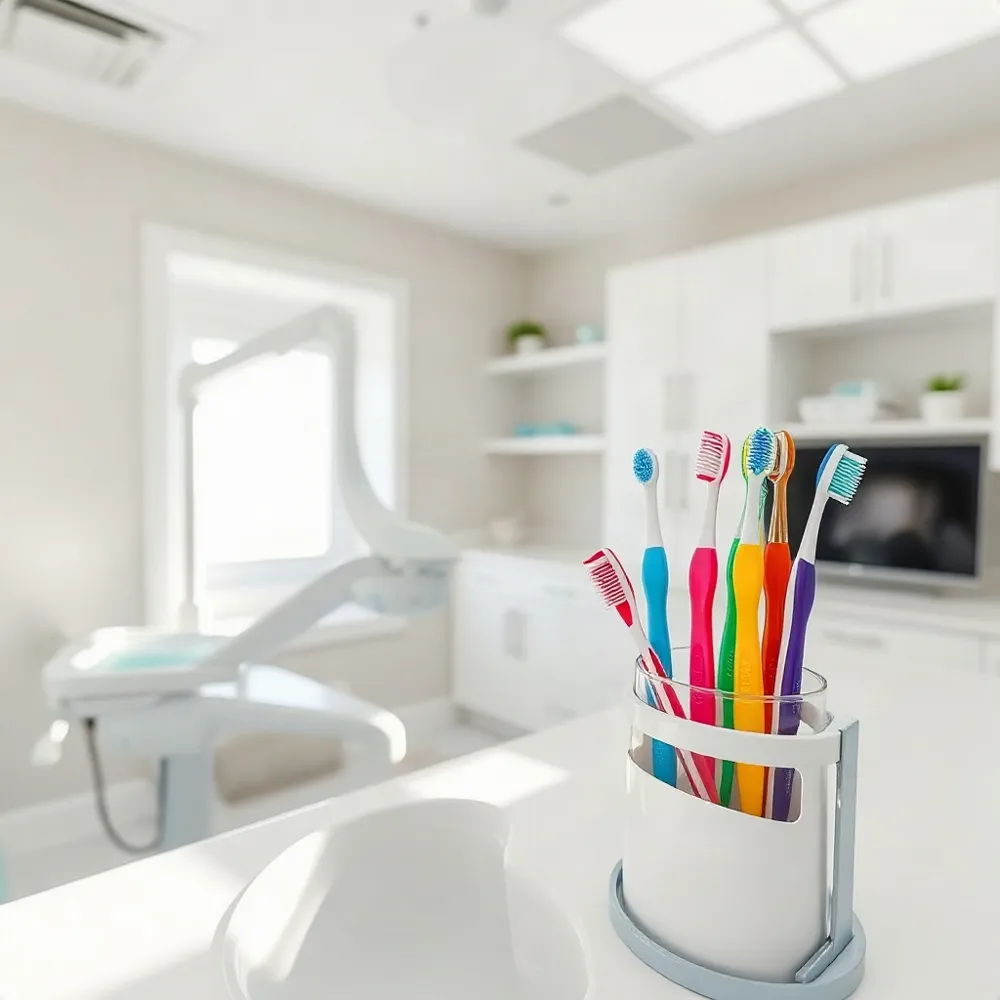
Why Family Dental Care Matters
Importance of Early Dental Care
Starting dental visits by a child's first birthday creates a foundation for lifelong oral health. Early dental care helps identify concerns like cavities, enamel defects, or jaw misalignments before they worsen. It familiarizes children with dental environments to reduce anxiety and promotes good oral hygiene habits from the outset.
Role of Family Dental Practices in Oral Health
Family dental practices offer care tailored to all ages, from infants to seniors. These practices provide comprehensive services including routine exams, professional cleanings, fluoride treatments, and preventive measures like sealants. The use of modern technology such as digital radiography in family dentistry enhances early diagnosis and effective treatment planning.
Benefits of Lifelong Oral Hygiene Habits
Consistent brushing twice daily with fluoride toothpaste, daily flossing, and regular dental visits prevent cavities, gum disease, and other oral problems. Early education fosters lifelong habits that reduce the need for costly and invasive treatments. Moreover, maintaining oral health contributes to overall wellbeing, reducing risks linked to systemic diseases.
Good family dental care promotes healthy smiles across generations by integrating prevention, education, and personalized care in a supportive, accessible environment.
Comprehensive Services for Every Family Member
What oral healthcare services does a family-oriented dental practice typically offer?
Family dental practices provide a wide range of services tailored to the unique needs of each family member, from infants to seniors. For children, care focuses on preventive measures like fluoride treatments, dental sealants, and regular cleanings to promote healthy development and prevent cavities.
Adults benefit from routine exams, professional cleanings, and restorative treatments such as fillings, crowns, and root canals to address decay and maintain oral health. Cosmetic options including teeth whitening and veneers are often available to enhance smile appearance.
Senior dental care is specialized to manage age-related concerns like gum disease, tooth loss, and dry mouth. Services for older adults include denture fittings, dental implants, and periodontal therapy to support chewing function and comfort.
Beyond treatments, family dentistry emphasizes patient education on brushing, flossing, diet, and lifestyle, alongside creating a welcoming environment to reduce anxiety and foster positive dental habits that last a lifetime.
A Modern, Comprehensive Approach to Oral Healthcare

Why is it important to choose a dental practice that offers comprehensive and modern oral healthcare?
Choosing a dental practice with comprehensive and modern oral healthcare is vital for a holistic and effective approach to your oral health. Such practices provide a full spectrum of services from Family Preventive Dentistry and diagnostics to advanced restorative and cosmetic treatments—all coordinated to maintain and enhance your smile.
Modern dental technology, including Digital Radiography in Dentistry and 3D imaging, allows dentists to detect issues like decay, infections, and bone loss early, reducing discomfort and treatment times. These tools minimize radiation exposure and provide instant, detailed images that improve diagnostic accuracy.
Integration of various dental disciplines ensures personalized care tailored to your unique needs. Whether it's managing gum disease, restoring damaged teeth, or cosmetic enhancements, comprehensive care addresses your oral health in a balanced manner.
Patient-centered care emphasizes education and comfort, empowering you with knowledge about your Proper oral hygiene techniques and treatment options. Friendly communication and accessible scheduling foster trust and consistent dental visits.
This approach leads to better oral health outcomes and benefits overall well-being, as Oral Health and Overall Health reduces risks associated with systemic diseases such as heart disease and diabetes. Ultimately, a modern, comprehensive dental practice supports Lifelong Healthy Oral Care with advanced technology and compassionate care.
Tailored Care for All Life Stages
Oral health needs at different life stages
Oral health requirements change as we progress through life. Infants and young children need gentle care to develop healthy teeth and prevent early decay. Teenagers often require orthodontic assessments to manage alignment issues. Adults must maintain habits like Brushing twice daily and flossing to prevent cavities, gum disease, and oral cancers. Seniors face challenges such as dry mouth and increased risk of gum disease or tooth loss, requiring tailored care.
Pediatric dental care importance and habits
Pediatric dentistry focuses on early dental visits, typically by age one, to monitor baby teeth development and establish healthy habits. Fluoride toothpaste and dental sealants protect children against cavities. Parents play a crucial role by supervising brushing and flossing routines and encouraging balanced nutrition.
Adult dental concerns and preventive practices
Adults benefit from routine dental checkups that screen for cavities, gum issues, and oral cancer. Preventive care includes professional dental cleanings, fluoride treatments, and managing risk factors like tobacco use. Pregnant women should maintain extra vigilance as hormonal changes influence oral health.
Senior oral health management and treatments
Seniors require specialized care addressing dry mouth, receding gums, and denture maintenance. Regular dental visits help detect oral cancers early and manage tooth replacement options such as implants or dentures to maintain function and comfort.
How do dental practices cater to patients of all ages?
Dental practices provide comprehensive dental services customized to each age group’s needs. From infancy to senior years, they combine prevention, education, and tailored treatments. This includes family-friendly dental environment, flexible scheduling, and continuity of care, empowering patients to embrace Family Preventive Dentistry.
Foundations of Healthy Oral Hygiene Habits at Home
Brushing and flossing techniques
Brushing teeth at least twice daily with fluoride toothpaste benefits is vital for removing plaque and preventing cavities. Use a soft-bristled toothbrush angled at 45 degrees towards the gum line, brushing gently in circular motions for about two minutes. Daily flossing benefits is equally important to clean between teeth and along the gumline, areas a toothbrush can't reach. For children, assist and supervise brushing and flossing until they develop adequate dexterity, generally around age 7 or 8. Use age-appropriate tools like floss picks to make flossing easier for young ones.
Role of nutrition and hydration in dental health
A Balanced Diet for Healthy Teeth rich in fruits, vegetables, dairy, whole grains, and lean proteins supports strong teeth and healthy gums. Limiting sugary snacks and drinks reduces the risk of cavities by minimizing acid attacks on enamel. Drinking Plenty of Water throughout the day helps wash away food particles and bacteria, supports saliva production, and contributes to natural enamel remineralization. fluoridated tap water advantages provides additional protection, strengthening teeth against decay.
Importance of fluoride and sealants
Using fluoride toothpaste for young children, found in toothpaste and community water supplies, helps repair early tooth decay by strengthening enamel. Dental sealants are protective coatings applied mainly on children’s molars to prevent cavity formation on chewing surfaces, potentially reducing decay by up to 80%. Fluoride varnish benefits may be applied during dental visits every 3 to 6 months to offer extra cavity prevention, especially in young children.
Making oral care engaging for children
Incorporate fun elements such as songs, games, and reward systems to encourage children’s participation in oral hygiene routines. Starting dental visits by their Dental visit by age 1 familiarizes children with the dental environment, easing future appointments. Parents acting as role models by demonstrating Good oral hygiene habits help reinforce these positive behaviors. Positive reinforcement and consistent routines help children develop Lifelong Healthy Oral Care.
The Critical Role of Routine Dental Visits and Early Intervention
What Are the Benefits of Regular Dental Check-ups?
Regular Routine Dental Checkups are essential for every age group to maintain optimal oral health. These visits allow dentists to monitor the condition of your teeth and gums, clean areas that brushing and flossing might miss, and provide guidance on maintaining healthy habits. Routine Dental Checkups include assessments for oral cancer screenings and evaluations of gum health, ensuring comprehensive care well beyond just cleaning.
How Does Early Detection Improve Dental Health?
Early intervention through Routine Dental Checkups can catch problems such as cavities, gum inflammation, enamel defects, and jaw misalignment before they worsen. Detecting issues early often means treatments are simpler, less invasive, and more effective. For children, Early dental care can address habits like thumb-sucking and identify developmental concerns, setting the stage for lifelong dental wellness.
What Advances in Diagnostics Support Prevention?
Modern dental practices use Digital Radiography in Dentistry, a technology that delivers clear, detailed images with minimal radiation exposure. This allows for precise identification of hidden decay, infections, and bone loss. The immediate availability of these images enables timely treatment planning and a proactive approach to dental care.
Can Preventive Care Lower Treatment Costs?
Investing in Preventive Dental Care Benefits significantly reduces the likelihood of needing costly procedures such as crowns, root canals, or tooth extractions later on. Regular Professional Dental Cleanings and check-ups help avoid emergency dental visits, making appointments less painful and more affordable over time. Establishing preventive habits with your dental provider can protect your smile and your wallet in the long term.
Commit to Lifelong Healthy Smiles as a Family
Essential Family Dental Care Tips
Begin oral care early by cleaning your child's gums even before teeth appear and schedule their first dental visit by age one to establish a foundation for lifelong care.
Encourage Consistent Habits
Instill twice-daily brushing with fluoride toothpaste and daily flossing for everyone, using age-appropriate tools for children and modeling good habits as parents.
Regular Dental Visits
Routine check-ups and professional cleanings help detect issues early, reduce the need for invasive treatments, and include screenings for gum disease and oral cancer across all ages.
Long-Term Benefits
Proactive oral health management lowers costs by preventing complex treatments, supports overall wellness by reducing systemic risks, and preserves confident, healthy smiles throughout life.