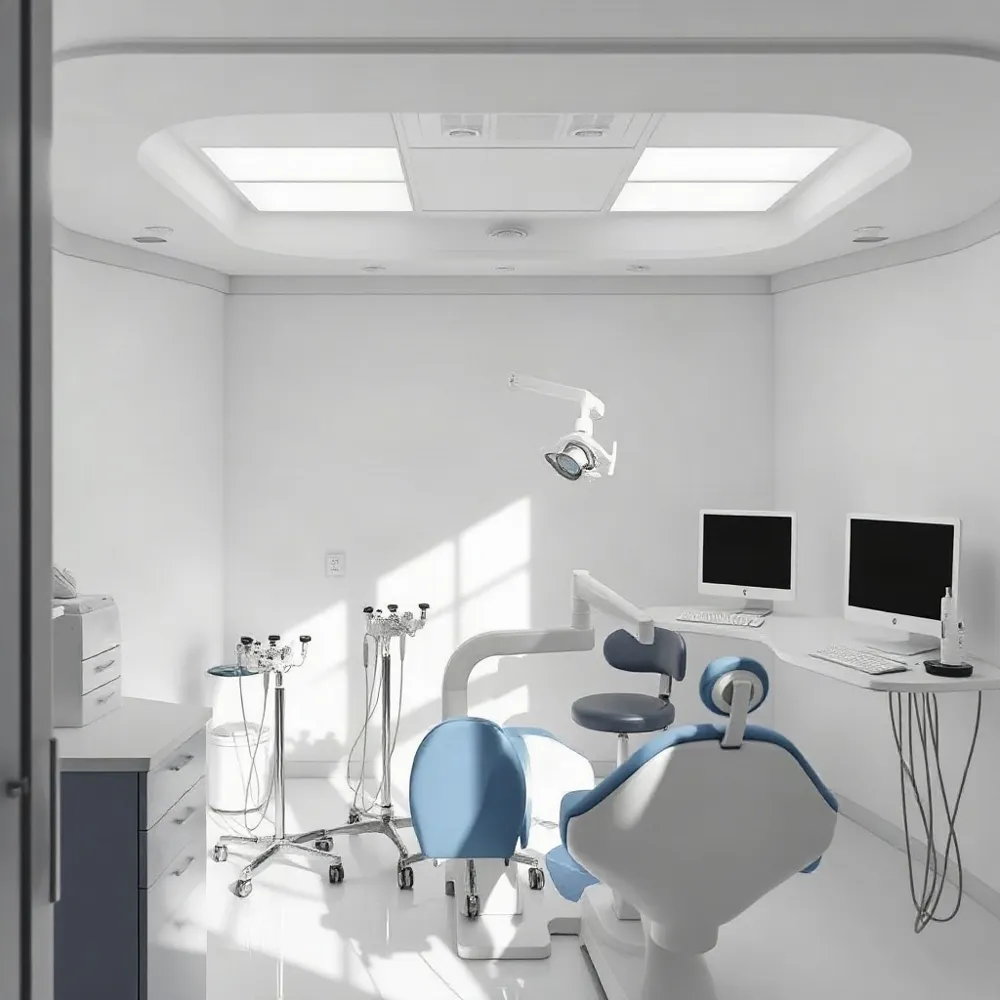
Understanding Dental Anxiety: Causes and Common Symptoms
What Is Dental Anxiety?
Dental anxiety is a common, natural response where the body triggers its fight or flight reaction in a dental setting. This can range from mild nervousness to intense fear, often making dental visits stressful or even unbearable.
What Causes Dental Anxiety?
Triggers include past painful dental experiences, fear of pain or needles, the sounds and smells associated with the dental office, and feelings of losing control or embarrassment. For some, mental health conditions like generalized anxiety disorder can increase sensitivity.
Recognizing Symptoms
People with dental anxiety may experience rapid heartbeat, sweating, trembling, dry mouth, difficulty breathing, nausea, or trouble sleeping before appointments. Emotionally, feelings of distress, irritability, or avoidance are common.
How Dental Anxiety Affects Oral Health
Avoiding dental visits due to anxiety can lead to worsening oral health problems such as tooth decay and gum disease. This may result in more complex and invasive treatments later, which can further heighten anxiety.
Understanding these aspects helps in seeking proper support and personalized care to manage dental anxiety effectively.
Triggers and Symptoms of Dental Anxiety: Recognizing the Signs
What triggers dental anxiety?
Dental anxiety often arises from a fear of pain or needles and the unsettling sounds and sensations produced by dental equipment. Previous traumatic dental experiences, such as painful treatments or feelings of helplessness, contribute significantly to anxiety. For many, the dental environment can feel invasive and intimidating, triggering their body's natural fight or flight response. For more information on Dental anxiety overview, see this resource.
Additional triggers include a perceived lack of control during dental visits, negative stories heard about dental care, and even media portrayals that emphasize fear. Biological factors and personality traits may also play roles in heightening sensitivity to these triggers. Recognizing these causes of dental anxiety helps patients communicate their concerns and seek personalized care, including sedation options that improve comfort.
What are common symptoms of dental anxiety?
Symptoms of dental anxiety can manifest physically and emotionally. Physical signs include increased heart rate, sweating, trembling, nausea, and dizziness. In severe cases, patients might feel faint or have difficulty breathing. Emotionally, anxious patients often feel nervousness, distress, or an overwhelming urge to avoid appointments. Learn more about Signs of dental anxiety and Managing dental anxiety.
Some individuals might hide their anxiety with humor or aggression, while others become withdrawn or panic during treatment. Common fears involve pain, needles, blood, and feeling out of control. Awareness of these signs is crucial, allowing dental teams to provide appropriate support through techniques like deep breathing, distraction methods, and sedation dentistry to help alleviate anxiety and maintain oral health.
Effective Communication and Personalized Care for Anxious Patients

Importance of Open Communication with Dentists
Open communication between patients and dentists is crucial for managing dental anxiety effectively. Patients are encouraged to share their fears with your dentist openly, which allows dentists to tailor the care process accordingly. This transparency helps identify specific triggers and develop customized strategies to ease anxiety.
How Dentists Create a Supportive Environment
Dentists often establish a calming atmosphere using soft music, comfortable seating, and gentle dental techniques designed to reduce fear. By explaining each step of the procedure in simple terms, patients feel more in control and less overwhelmed.
Use of Signals and Breaks During Treatment
To empower patients, dentists encourage the use of signals such as raising a hand to request a break. This collaborative approach helps patients regain composure and reduces feelings of helplessness, consistent with guidance on using signals for dental breaks.
Tailoring Care to Patient Fears
Dental teams recognize that anxiety stems from different fears, such as pain or loss of control. They customize care by offering distractions like listening to music for dental anxiety or video, practicing controlled breathing techniques, and, if necessary, providing sedation options for dental procedures ranging from nitrous oxide to oral sedatives.
Role of Dental Staff in Easing Anxiety
Supportive staff members play a vital role by offering reassurance, answering questions, and maintaining a non-judgmental attitude. Their compassionate approach helps build trust and fosters a welcoming environment, as found in managing patient anxiety in dentistry.
Trust Building and Patient Empowerment
Building trust through patience and personalized care empowers patients to feel safe and respected. This foundation encourages importance of regular dental check-ups, which in turn promotes better oral health outcomes.
How Do Dentists Handle Anxious Patients?
Dentists handle anxious patients by combining open communication, environmental adjustments, and patient-tailored strategies such as controlled breathing and sedation. They invite patients to communicate with your dentist during the procedure, use distraction techniques during dental procedures, and provide breaks to alleviate stress, creating a positive dental experience that supports overall health.
Practical Techniques to Manage Dental Anxiety During Visits
What methods can help manage dental anxiety?
Managing dental anxiety effectively involves several practical techniques. Relaxation and breathing exercises for anxiety, such as the 3-4-5 breathing technique for nerves, are highly beneficial. This technique helps activate the parasympathetic nervous system, calming nerves by promoting deep abdominal breathing method. Open communication with your dentist about fears and comfort levels allows for personalized care, including the use of sedation dentistry options or topical anesthetics when appropriate. Alternative therapies like meditation and guided imagery also offer valuable anxiety relief.
How can patients calm down before a dental visit?
Before the appointment, patients can practice deep breathing techniques for dental anxiety and listening to music to reduce anxiety or podcasts to reduce feelings of stress. Scheduling appointments during less busy times or at moments that best suit the patient's routine can help make visits less stressful. Discussing fears openly with dental staff enables them to offer reassurance and tailor the experience with strategies like using signals for dental breaks if anxiety builds up.
What distraction methods can help during dental procedures?
Distraction techniques during dental procedures such as music, videos, and podcasts can divert attention from anxiety-inducing sights and sounds in the dental office. Many practices provide noise-cancelling headphones or screens, creating an immersive experience that makes appointments more tolerable and often enjoyable.
How does creating a calming dental environment help?
A calming environment featuring comfortable seating, soothing music, and a welcoming atmosphere eases apprehension. Dentists trained in gentle techniques strive to make visits as pleasant as possible, often incorporating amenities like warm neck wraps or memory foam chairs to increase comfort.
What is the role of a support person during appointments?
Having a trusted support person accompany patients can provide emotional reassurance and reduce anxiety. Their presence offers comfort and helps patients feel more in control throughout the dental procedure.
| Technique | Description | Benefit |
|---|---|---|
| 3-4-5 Breathing | Deep belly breathing in a 3-4-5 rhythm | Calms nervous system |
| Distraction (music/videos) | Use of headphones or screens during procedures | Diverts attention from fear |
| Scheduling strategies | Choosing less busy times or preferred appointment hours | Reduces stress and waiting time |
| Signals to pause | Agreed signals to stop treatment temporarily | Gives patient control |
| Calming environment | Soothing music, comfortable furnishings | Enhances relaxation |
| Support person presence | Trusted companion during visits | Emotional reassurance |
Sedation Dentistry: Medication Options for Severe Anxiety
What types of medications are used to manage dental anxiety?
Managing severe dental anxiety often involves the use of sedation dentistry options. Common medication options include Nitrous oxide (laughing gas), oral sedatives, and intravenous (IV) sedation.
Nitrous oxide, also known as laughing gas, is inhaled during the procedure. It quickly calms patients without causing deep sedation, allowing for a faster recovery and enabling patients to drive themselves home.
Oral sedatives, such as benzodiazepines like Valium, Xanax, or triazolam, are taken roughly an hour before the appointment. They gently induce drowsiness or a mild sleep state, helping patients tolerate longer or more complicated treatments comfortably.
IV sedation provides a deeper level of conscious sedation, often leading to partial or total amnesia about the procedure. This method requires careful monitoring by the dental team throughout the treatment.
How do these medications work to reduce anxiety?
Sedation medications act on the central nervous system to decrease anxiety and promote relaxation. Nitrous oxide modifies brain activity to reduce fear and discomfort quickly. Oral and IV sedatives enhance the effect of neurotransmitters that calm nerve activity, helping patients feel sleepy and less aware of the environment.
How is the appropriate sedation type selected?
The choice of sedation depends on the patient’s anxiety level, overall health, and the type and duration of dental treatment. Dentists evaluate medical history, anxiety severity, and patient preferences to recommend the safest and most effective option, as noted in resources about sedation techniques in dentistry.
What are the benefits and considerations of sedation?
Benefits include enhanced comfort, reduced anxiety and pain perception, and improved cooperation during treatment. However, sedation requires safety measures such as monitoring vital signs and sometimes arranging transportation home. Sedation is not suitable for all patients, especially those with certain health conditions.
Are sedation methods safe and widely available?
Sedation dentistry is widely available in dental practices across the U.S., delivered by trained professionals. Modern sedation methods are generally safe when administered properly, with protocols to monitor patient safety closely.
Selecting sedation dentistry is a personalized approach to help patients with severe dental anxiety receive the care they need comfortably and calmly.
Maintaining Oral Health to Prevent Anxiety and Promote Comfort
Why Are Regular Dental Visits Important?
Following the 2-2-2 rule is a simple yet effective way to maintain oral health. This means brushing your teeth twice daily for two minutes and visiting the dentist twice a year. Importance of regular dental check-ups.
How Does Routine Care Reduce Fear?
Frequent dental visits make the experience familiar and less intimidating. When patients understand the procedures through Communication with your dentist, the fear of the unknown decreases. This builds trust between patient and dentist, making visits more relaxed.
What Gentle Techniques and Pain Control Are Used?
Modern dentistry emphasizes gentle techniques and effective pain control. Using technologies like numbing gels and sedation dentistry options—such as nitrous oxide or oral sedation—helps minimize discomfort. Listening to music for dental anxiety and Breathing techniques for dental anxiety also ease anxiety and pain.
Why Is Early Detection Beneficial?
Detecting dental issues early through routine care prevents complex problems and painful treatments. This not only preserves your oral health but also Prevent dental health issues.
How Can Positive Experiences Help Overcome Anxiety?
Creating a comforting environment with empathetic dental teams encourages positive experiences. Handling Dental Anxiety at Herndon Family Dental make visits more comfortable, helping to break the cycle of dental anxiety and ensuring long-term oral health.
Empowering Patients for Confident, Anxiety-Free Dental Visits
Understanding and Managing Dental Anxiety
Dental anxiety is a common and natural response that can be addressed effectively through various strategies. Patients are encouraged to openly share their fears with dental professionals, fostering trust and enabling tailored care approaches.
Communication and Personalized Care
Open dialogue with your dentist allows for customized comfort plans, including clear explanations, signals for breaks, and incorporating relaxation techniques like deep breathing or distraction methods such as music or videos.
Sedation Options for Severe Anxiety
For patients with heightened anxiety, sedation dentistry offers safe options like nitrous oxide or oral sedation to ensure a comfortable treatment experience, helping patients overcome fear and receive necessary care.
The Importance of Regular Check-Ups
Maintaining routine dental visits helps prevent complex dental issues, reduces anxiety by creating familiarity, and promotes lasting oral health. Partnering with your dental team paves the way for confident, stress-free visits and a healthier smile.