A Modern Solution for Missing Teeth
Implant‑supported restorations replace missing teeth by anchoring a titanium post directly into the jawbone, where it fuses through osseointegration to act like a natural tooth root. A custom crown, bridge or full‑arch prosthesis is then attached, providing stable, bone‑preserving function without altering neighboring teeth. Traditional bridges, by contrast, rely on crowns placed on adjacent healthy teeth as abutments; this requires shaving down those teeth and does not stimulate the bone, often leading to gradual bone loss and the need for future repairs.
Choosing between the two options depends on several key factors: the amount and density of jawbone (implants need sufficient bone or a graft), overall health and habits such as smoking or uncontrolled diabetes, the number of missing teeth, budget considerations, and the patient’s preference for a surgical versus non‑surgical solution. At Best Choice Dental in Totowa, NJ, we combine digital imaging, 3D‑printed prosthetics and a compassionate, family‑oriented approach to evaluate each patient’s unique situation and recommend the most functional, aesthetic, and long‑lasting restoration.
Understanding Implant‑Supported Restorations
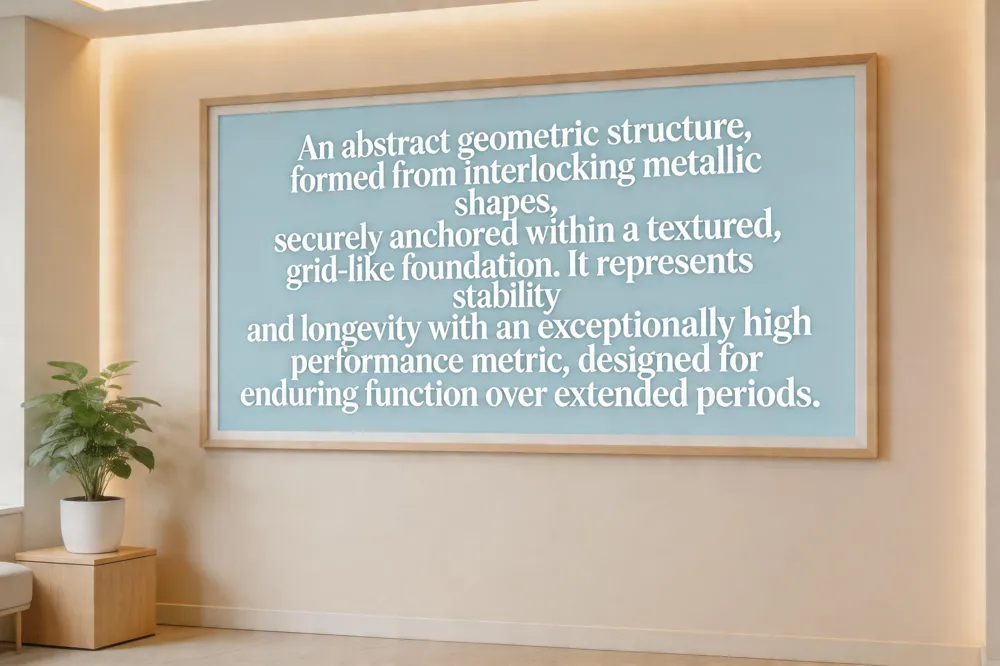 Implant‑supported restorations begin with a surgical placement of a titanium post into the jawbone. Over the next 2‑6 months the post undergoes osseointegration – a natural process where bone cells grow around the implant, creating a direct, stable bond that mimics a natural tooth root. This biological anchorage gives implants a 95‑98% ten‑year survival rate and, with proper oral hygiene, a functional lifespan that can exceed 20 years or even a lifetime.
Because the implant stimulates the surrounding bone, it helps preserve the alveolar ridge and maintains facial structure, preventing the “sunken‑cheek” appearance that often follows tooth loss. Traditional bridges, by contrast, provide no bone stimulation and may allow gradual bone resorption.
A typical workflow at Best Choice Dental in Totowa, NJ starts with a comprehensive digital exam (3‑D CBCT imaging scans intra‑oral scanning) to assess bone density and plan the exact implant position. If bone volume is insufficient, a bone graft is performed before the implant is placed. After the surgical placement, a healing period of several months allows osseointegration. Once the implant is fully integrated, an abutment is attached and a custom‑fabricated bridge or crown—designed using CAD/CAM technology for a perfect fit—is secured. Throughout the process, the team emphasizes comfort, personalized care, and meticulous oral‑hygiene instructions to ensure long‑term success.
When Implants Outshine Traditional Bridges
 Implant‑supported restorations excel especially in the front‑tooth zone, where aesthetics and long‑term stability are paramount. A dental implant replaces the missing tooth root with a titanium post that fuses to the jawbone, preserving bone height and eliminating any need to cut down adjacent healthy teeth. This means the surrounding teeth stay strong, the gum line remains natural, and the prosthetic can be custom‑shaped to match the color and translucency of your smile. For multiple‑tooth gaps or full‑arch loss, implants allow a bridge to be anchored to the bone itself—think All‑On‑Four or segmental implant‑supported bridges—so you can replace three, four, or even an entire arch without sacrificing any neighboring teeth. The result is a more even bite distribution, better chewing efficiency, and a facial structure that ages gracefully.
In contrast, a traditional bridge relies on crowns placed on the teeth next to the gap. While this option can be completed in a couple of visits and often carries a lower upfront price, it requires reshaping of those healthy teeth, which can weaken them and increase the risk of future decay or fracture. Bridges also do not stimulate the underlying bone, so the ridge may resorb over time, potentially altering your smile’s appearance.
At Best Choice Dental in Newton, NJ, we use digital imaging, 3D‑printed models and guided surgery to place implants with pinpoint accuracy, ensuring a passive fit and optimal esthetics. Our team will evaluate your bone density, overall health, and budget to recommend the most suitable solution—whether it’s a single‑tooth implant or an implant‑supported bridge for several missing teeth, or a traditional bridge when surgery isn’t an option. Both options restore function and look natural, but implants provide superior durability, bone preservation, and protection of adjacent teeth, making them the preferred choice for front‑tooth and multi‑tooth restorations when conditions allow.
Cost Considerations and Financing Options
 Choosing the right tooth‑replacement solution involves understanding both the short‑term expense and the long‑term value.
Full‑arch implant‑supported dentures replace an entire jaw using four to six titanium posts. The hardware alone (four to six implants) typically costs $6,000‑$15,000, while the final prosthesis adds another $9,000‑$15,000, resulting in a total of $15,000‑$30,000 per arch ($30,000‑$50,000 for both jaws). Prices rise with premium materials, same‑day workflows, or adjunct procedures such as bone grafts or sinus lifts.
Snap‑in denture implants are a less invasive option that uses a few strategically placed posts to secure a removable denture. Expect $1,500‑$3,000 per implant, plus $5,000‑$10,000 for the complete denture set. Bone grafting ($400‑$3,000 per site) or sinus augmentation ($1,500‑$5,000) may be required, influencing the final figure.
Traditional bridge vs. implant‑supported bridge costs differ markedly. A conventional three‑unit bridge runs $2,000‑$5,000 (about $500‑$1,200 per unit). An implant‑supported bridge, however, includes surgery, an abutment and a crown, averaging $3,000‑$5,500 per tooth; a three‑unit implant bridge can reach $9,000‑$16,500.
Insurance and financing: Dental insurance most often covers a portion of traditional bridges (≈50 % after deductible) but rarely the surgical component of implants. Many New Jersey practices—including Best Choice Dental in Totowa and Cozy Family Dental in Wayne—offer in‑house payment plans, CareCredit, and HSA/FSA options to spread costs. Financing makes the higher upfront price of implants more manageable, especially when considering their 15‑year‑plus longevity and bone‑preserving benefits.
In summary, a single‑tooth bridge costs $1,500‑$3,000, while a comparable implant ranges $3,000‑$6,000. Full‑arch implant dentures run $15,000‑$30,000 per jaw, and snap‑in denture implants fall $5,000‑$10,000 for a complete set. Discuss your specific case with a board‑certified dentist to receive a personalized treatment plan and explore financing that fits your budget.
Treatment Options for Partial and Full Dentures
 At Best Choice Dental we offer a full spectrum of denture solutions that blend advanced technology with personalized, comfortable care.
Implant‑supported complete dentures are full‑arch prostheses anchored to 2‑4 titanium implants, providing the stability of natural teeth and eliminating the movement and discomfort of conventional removable dentures. Ideal candidates have sufficient bone density (or are willing to undergo bone grafting) and commit to diligent oral hygiene.
Fixed implant‑supported dentures are permanently attached to implants, creating a tooth‑like, non‑removable bridge that offers stable chewing, clear speech, and a natural‑looking smile. After a 3‑D imaging evaluation and any necessary grafting, the implants osseointegrate over 3‑6 months before the custom denture is secured. Maintenance is simple—brush and use floss threaders or interproximal brushes under the prosthesis.
Are implant‑supported dentures removable?** Yes. Many designs—overdentures and snap‑on dentures—attach to implants with clips or magnetic attachments, allowing patients to remove them for cleaning without adhesives. Fixed hybrid options (e.g., All‑on‑4) remain permanently affixed and require professional removal only.
Implant‑supported partial dentures replace a few missing teeth using one or two strategically placed implants, eliminating visible metal clasps and preserving adjacent teeth. This removable solution offers superior stability and aesthetics, making it ideal when traditional partials lack adequate support.
Our team combines digital workflow, 3‑D‑ and expertise to ensure a precise fit and long‑term confidence for every patient.
Patient Experience: Pain, Healing, and Maintenance
 Implant placement is a surgical procedure, so patients usually feel moderate soreness, swelling, and bruising for a few days, while a traditional bridge involves only tooth preparation and cementing, resulting in mild sensitivity and minimal pain. Healing after an implant requires 2–6 months of osseointegration before the final bridge is attached; a bridge can be completed in two visits within weeks. Daily oral hygiene for both includes brushing, flossing, and using floss threaders or water flossers under the pontic, but implants also demand careful monitoring of the surgical site. Long‑term, implants preserve bone, protect neighboring teeth, and can last a lifetime, whereas bridges are quicker, less expensive up‑front, but may need replacement every 5‑15 years and can compromise adjacent teeth. At Best Choice Dental in Totowa, NJ, we combine digital imaging, 3D‑printed prosthetics, and personalized care to make either option as comfortable and durable as possible.
Making the Right Choice for Your Smile
Implant‑supported bridges give you the most natural‑feeling, long‑lasting solution. They anchor to titanium posts that fuse with the jawbone, preserving bone density, protecting adjacent teeth, and often lasting 15 years or more (some implants last a lifetime) when proper care is maintained.
Traditional bridges still have a place when surgery isn’t an option, when bone volume is insufficient, or when a quick, non‑invasive restoration is needed. They can be completed in a few weeks, cost less upfront, and are often covered more fully by insurance.
At Best Choice Dental in Totowa, NJ, our team performs a comprehensive, personalized evaluation—reviewing your bone health, adjacent‑tooth condition, medical history, budget, and aesthetic goals—so together we can select the restoration that best fits your unique situation. Whether you opt for a cutting‑edge implant‑supported bridge or a well‑crafted traditional bridge, we use digital imaging, 3D‑printed prosthetics, and a compassionate, family‑oriented approach to ensure comfort and lasting results.