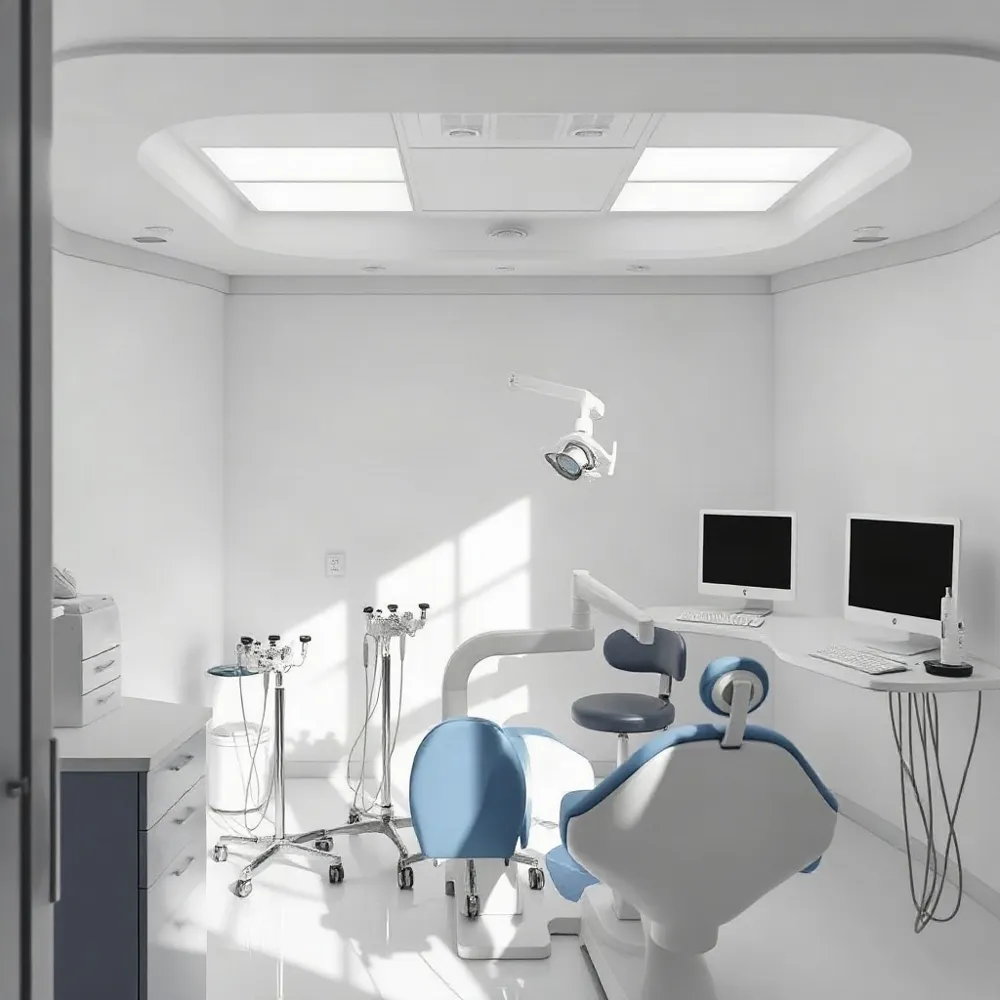
Understanding Dental Anxiety and Its Impact
Definition of Dental Anxiety and Phobia
Dental anxiety refers to feelings of worry, nervousness, or fear related to dental visits. When these fears become extreme or irrational, it is classified as dental phobia. Both conditions can lead to significant distress, impacting the willingness to seek necessary dental care.
Prevalence and Symptoms
Dental anxiety affects a large portion of the population; studies suggest that about 36% experience some level of anxiety, with 12% suffering from severe dental phobia. Symptoms include physical signs such as sweating, racing heartbeat, fainting, visible distress, or even crying. Some may mask their anxiety with humor or aggression.
Effects of Avoidance on Dental Health
Avoiding dental visits due to anxiety often results in worsening oral health. Delayed treatment can lead to more complex dental problems requiring intensive procedures. Early signs of serious conditions, like mouth cancer, may be missed without regular check-ups.
Importance of Regular Dental Visits
Routine dental appointments play a crucial role in preventing dental diseases and detecting issues early. Regular visits help patients become more comfortable with dental care, gradually reducing anxiety over time.
Anxiety Across All Age Groups
Dental anxiety can affect people of all ages, including children and adults. Early positive experiences and open communication with dental professionals are essential for managing fear and promoting lifelong oral health.
Recognizing and Managing Symptoms of Dental Anxiety

What is Dental anxiety and how does it manifest physically and behaviorally?
Dental anxiety is a common emotional response where patients feel significant fear or worry about visiting the dentist. This anxiety can manifest physically with symptoms such as sweating, a racing heartbeat, fainting, and visible distress during dental visits, which are recognized as Physical symptoms of dental anxiety.
Behaviorally, individuals often show signs of avoidance by postponing or completely skipping dental appointments. They may also express their fear through crying or sometimes use humor or even aggression to conceal their true feelings.
Why is early recognition of dental anxiety important?
Recognizing Dental anxiety early is crucial because Effects of avoiding dental visits can lead to worsening oral health. Delay in treatment increases the risk of dental disease, resulting in more complex procedures later on.
Moreover, anxiety may mask symptoms of dental problems, making early detection of issues like tooth decay or mouth cancer more difficult. Timely recognition allows dental teams to implement effective management strategies to support the patient.
Behavioral signs and how anxiety can impact dental health
Patients showing visible distress, such as restless movements or nervous behaviors, often have underlying anxiety that needs attention. This distress can escalate, leading to complete avoidance, which in turn exacerbates dental problems.
Managing Dental anxiety ensures Importance of regular dental check-ups and treatments, helping maintain good oral health and preventing the cycle of worsening conditions triggered by fear.
Psychological Strategies to Cope with Dental Anxiety

What psychological techniques can help manage dental anxiety?
Managing dental anxiety effectively often involves several psychological strategies that patients can use before and during dental visits. Deep breathing and relaxation techniques help reduce muscle tension and promote calmness, making the dental experience less stressful. Meditation and guided imagery encourage patients to focus their minds away from fear by envisioning peaceful scenes, which can ease anxiety symptoms.
Distraction methods like listening to soothing music or visualizing a relaxing place serve to divert attention from dental procedures and reduce unease. These simple tools can significantly improve patient comfort during treatment. More on distraction techniques for dental anxiety.
For those dealing with more intense fears, therapeutic approaches such as cognitive-behavioral therapy (CBT) offer structured support. CBT helps patients identify and change negative thought patterns related to dental visits, fostering long-term coping skills and reducing phobic reactions as described in cognitive-behavioral therapy for dental phobia.
An essential aspect of managing anxiety is open communication with dental providers. Patients are encouraged to share their fears and discuss any concerns openly. This dialogue allows dentists and their teams to tailor care approaches—like setting signals to pause treatment or adjusting appointment pacing—creating a more supportive and understanding environment. See talking about anxiety with your dental team.
Combining these psychological methods with the dental team's compassionate care can greatly enhance patient comfort and promote regular dental visits, crucial for maintaining oral health. For comprehensive strategies, visit overcoming dental anxiety with gentle and compassionate dental care.
Medical and Sedation Options for Severe Dental Anxiety
What medical management options are available for severe dental anxiety?
Severe dental anxiety can make dental visits very challenging, but several medical management options exist to help patients undergo treatments comfortably. Sedation dentistry offers different techniques tailored to the intensity of anxiety and individual medical needs.
Sedation Dentistry Methods
- Nitrous Oxide (Inhalation Sedation): Commonly known as "happy gas," nitrous oxide is inhaled through a mask, creating a calming effect while allowing patients to remain awake and responsive. It's quick-acting with minimal side effects. See more on Nitrous oxide for dental anxiety.
- Oral Anxiolytics: These are medications taken before a dental appointment to reduce anxiety and promote relaxation.
Conscious and Intravenous Sedation
- Conscious Sedation: This involves medication that helps patients relax while remaining awake. It can be administered orally or intravenously. Learn about conscious sedation in dentistry.
- Intravenous (IV) Sedation: Delivered directly into the bloodstream, IV sedation provides deeper relaxation, making it suitable for patients with moderate to severe anxiety. Details on intravenous midazolam sedation and IV sedation in dentistry are available.
General Anesthesia for Extreme Cases
In rare situations where anxiety is extreme and other methods are insufficient, general anesthesia may be used. This involves putting the patient completely to sleep and is carefully managed in specialized settings. Referral for general anesthesia is reserved for patients who cannot undergo dental treatment with less invasive sedation methods. For more information, see general anesthesia referrals for dental anxiety and general anaesthesia in dental treatment.
Referral to Sedation Clinics
Patients with severe dental phobia can be referred to sedation clinics for dental anxiety where specialized care is provided. These clinics offer advanced sedation options and expert monitoring, ensuring dental procedures are as stress-free and safe as possible.
Criteria for Selecting Sedation Types
Sedation choices depend on multiple factors including the patient's anxiety level, medical history, the complexity of the dental procedure, and personal preferences. The dentist conducts a thorough assessment, discussing options to select the most appropriate sedation method.
These medical strategies, combined with psychological techniques and open communication with dental professionals, empower patients to receive essential dental care comfortably. For more on medical management of severe dental anxiety and psychological coping techniques for dental anxiety, consult available resources.
Role of Dental Teams and Communication in Anxiety Management

How does communication with dental staff help patients manage anxiety?
Open and honest communication between patients and the dental team plays a crucial role in Managing dental anxiety. When patients share their fears and concerns, dentists can adjust treatment techniques to minimize discomfort and use tailored strategies to create a calming experience.
Dental practices often encourage patients to establish a signal, such as raising a hand, to indicate if they feel pain or need a break during procedures. This empowers patients to feel in control, reducing feelings of helplessness.
Dental staff trained for nervous patients receive special training to support anxious patients with compassionate care and newly refined techniques aimed at reducing stress and pain. This commitment helps build strong trust between patient and provider.
Creating a welcoming, family-friendly environment with soothing colors, music, and friendly staff further eases nerves. This supportive atmosphere helps both adults and children feel more comfortable and relaxed during visits.
Through clear communication, sensitive care, and a comforting environment, dental teams help transform dental visits from stress-filled experiences into ones of confidence and safety.
Best Choice Dental’s Approach to Family Dental Care and Anxiety Support
What types of dental services does Best Choice Dental offer for families?
Best Choice Dental offers a comprehensive range of services designed to meet the needs of the whole family. Their services include routine cleanings, thorough examinations, and preventive care to maintain oral health. For patients requiring restorative treatments, options like fillings, crowns, and bridges are available. Cosmetic procedures such as teeth whitening are also offered to enhance smiles.
Specialized pediatric dentistry is a focus at Best Choice Dental, with care tailored specifically for children. The team creates a welcoming and friendly atmosphere to ease any fears and encourage positive dental experiences from a young age. This approach helps families build trust and comfort with the dental care process.
How does Best Choice Dental ensure modern dental care for its patients?
Best Choice Dental embraces the latest dental technology to enhance comfort and treatment outcomes. Digital X-Rays and Precision Tools minimize discomfort and improve diagnostic accuracy. Advanced treatments like digital impressions and Invisalign aligners offer modern, minimally invasive solutions.
The practice also provides same-day crowns for faster restoration procedures, reducing the need for multiple visits. Continuous staff training ensures that the team stays updated on current dental practices, emphasizing sterilization and patient safety.
Creating positive, comfortable experiences for patients of all ages
Patient-centered, compassionate care is at the heart of Best Choice Dental. From soothing office environments with calming colors and friendly staff to offering Sedation Dentistry Options, every effort is made to reduce Dental anxiety and anxiety. Techniques such as guided imagery, music, and open communication help patients feel more relaxed.
This holistic approach supports dental health and encourages Importance of regular dental check-ups, which are essential for preventing dental problems before they become complex.
Summary of Best Choice Dental’s family dental care approach:
| Aspect | Focus Area | Description |
|---|---|---|
| Services Offered | Comprehensive care | Preventive, restorative, cosmetic, pediatric |
| Pediatric Dentistry | Child-friendly care | Specialized, reassuring environment |
| Technology Use | Modern tools | Digital X-rays, precision instruments |
| Patient Comfort | Anxiety management | Sedation options, relaxation techniques |
| Care Philosophy | Compassionate, patient-focused | Personalized care for all ages |
Lifestyle Factors and Their Role in Dental Anxiety and Oral Health
How do lifestyle factors influence dental health and anxiety?
Lifestyle choices such as smoking and dental disease, high alcohol consumption and dental health, and excessive sugar intake significantly impact dental health. These habits increase the risk of developing dental diseases like tooth decay and gum disease, which can lead to discomfort, pain, and more complex dental procedures.
Poor oral health resulting from these factors often raises dental anxiety, as patients may fear painful treatments or worsening conditions. This anxiety can cause effects of avoiding dental visits, creating a cycle that further deteriorates oral health.
Education about the lifestyle factors affecting dental health, combined with supportive care from dental professionals, is essential. By encouraging healthier habits, dentists help reduce the progression of dental disease, lessen the severity of treatments required, and alleviate the anxiety associated with dental care.
Understanding the connection between lifestyle and oral health empowers patients in Dental care in Totowa, New Jersey, and elsewhere to take proactive steps. This approach fosters better overall health and a more comfortable dental experience through prevention and early intervention.
Creating Calm Dental Experiences: Environment and Preparation Tips
Designing a Soothing Dental Office Environment
Creating a calm and welcoming atmosphere is essential in reducing Dental anxiety. Practices like Cozy Family Dental in Wayne, NJ, use soothing colors, soft music, and friendly staff to make patients feel relaxed from the moment they arrive. A Comforting Dental Environment helps ease nervousness and promotes a positive experience.
Advanced Technology to Minimize Pain and Discomfort
Modern dental technology plays a crucial role in making visits less stressful. Digital X-rays reduce exposure and time, while precision tools allow for minimally invasive treatments. Pain management is enhanced through the use of Numbing gels and refined injections, reducing discomfort for anxious patients.
Pre-Appointment Strategies Such as Scheduling and Communication
Scheduling dental appointments at convenient times and booking in advance can help patients mentally prepare for their visit. Open communication with the dental team about fears or concerns is encouraged to tailor care to individual needs. Patients can also establish signals, such as raising a hand, to communicate during treatment if they feel discomfort, a method supported by Using signals to manage discomfort during dental care.
Role of Mindfulness and Preparation in Reducing Stress
Mindfulness techniques like deep breathing, guided imagery, and muscle relaxation can help reduce tension before and during dental visits. Listening to music or visualizing a relaxing place serves as effective distraction methods. These approaches empower patients to manage Physical symptoms of dental anxiety.
Parental Guidance for Managing Children’s Anxiety
For children, gentle explanations, exploring the dental chair, and positive reinforcement make visits less intimidating. Parents are advised to maintain a calm demeanor and avoid expressing their own dental anxieties to help children feel safe and supported, following Parent tips for children's dental anxiety.
Together, these strategies create a dental experience that prioritizes patient comfort and reduces fear, encouraging regular visits and promoting better oral health through Importance of regular dental check-ups.
Embracing Support and Resources to Manage Dental Anxiety Successfully
Psychological and Medical Management Options
Dental anxiety affects many but can be effectively managed using various techniques. Psychological methods like deep breathing, guided imagery, meditation, and distraction help calm nerves. For more severe cases, medical options such as nitrous oxide ('laughing gas'), oral sedation, intravenous sedation, or general anesthesia are available to ensure comfort during treatment.
Importance of Regular Visits and Open Communication
Regular dental check-ups play a vital role in preventing disease and reducing anxiety over time. Sharing your fears openly with your dental team allows for tailored care, including setting signals to pause treatment and adjusting procedures to your needs. Honest communication builds trust and helps create a relaxed environment.
Encouragement to Utilize Family-Oriented Dental Practices
Family-friendly practices in New Jersey, like Cozy Family Dental and Cedar Grove Dental Group, focus on patient comfort with soothing surroundings, modern technology, compassionate staff, and specialized care for children. These environments provide extra support to those with anxiety, making visits less daunting for patients of all ages.
Empowerment Through Knowledge and Coping Strategies
Understanding dental anxiety and learning coping strategies empower patients to take control of their oral health. Techniques such as mindfulness, music, and controlled breathing, combined with support from experienced dentists and psychologists, help transform dental visits into positive experiences.
Embracing these resources and strategies leads to better health outcomes and a more comfortable connection with dental care.