Understanding Dental Anxiety
Dental anxiety often shows up as a racing heart, shallow breathing, sweaty palms, or a tight jaw (physical symptoms), along with worry, dread, or a sense of helplessness (emotional symptoms) and avoidance of appointments or fidgeting in the chair (behavioral symptoms). Many patients trace these reactions to past painful procedures, a loss of control during previous visits, or even dramatized portrayals of dentistry in movies and TV. Recognizing and addressing anxiety early is crucial: untreated fear leads to missed cleanings, delayed treatment of cavities, and more invasive work later, which can further damage oral health and quality of life. At Best Choice Dental in Totowa, NJ, we combine modern technology—quiet digital scanners, gentle laser dentistry, and comfortable ergonomics—with personalized strategies such as guided breathing, mindfulness, and open communication to help patients feel safe, stay on schedule, and preserve their smiles.
Recognizing Dental Anxiety Symptoms and Triggers
 Dental anxiety often shows up with physical signs such as rapid heartbeat, sweating, trembling, shortness of breath, an upset stomach, or even a drop in blood pressure that can lead to fainting. Emotional reactions may include intense dread, panic, crying, or a feeling of being on edge that can be noticeable to others. Cognitive symptoms include racing thoughts, difficulty concentrating, and an overwhelming fear of pain or loss of control. Behaviorally, many patients avoid appointments, use humor or aggression to mask fear, or withdraw from discussion about treatment.
The root of this fear is usually the body’s natural fight‑or‑flight response, which makes the mouth—a highly sensitive and vulnerable area—feel threatening when a dentist works inside it. Past painful or traumatic dental experiences, especially in childhood, cement this fear and lead to avoidance. Media portrayals, stories from friends, and specific worries about needles, drills, loss of control, or embarrassment further amplify anxiety. Personal traits, a general anxiety disorder, or a family history of dental phobia can also predispose individuals.
At Best Choice Dental in Totowa, NJ, we combine these compassionate communication with state‑of‑the‑art technology, gentle sedation options, and personalized comfort measures—such as guided breathing, music, and a simple hand‑signal—to help patients break the cycle and maintain optimal oral health.
Effective Breathing Techniques to Calm Your Nerves
 Dental visits can trigger a fight‑or‑flight response, but simple breathwork can switch your body into a calm state. The 4‑7‑8 method (inhale 4 sec, hold 7 sec, exhale 8 sec) quickly activates the parasympathetic nervous system and lowers heart rate. Box (square) breathing – inhale 4 sec, hold 4 sec, exhale 4 sec, hold 4 sec – provides a rhythmic anchor that steadies anxiety spikes during lengthy procedures. Diaphragmatic (belly) breathing expands the abdomen on the inhale, delivering more oxygen and reducing muscle tension; a hand on the belly helps ensure proper technique. The 3‑4‑5 paced breathing (inhale 3 sec, hold 4 sec, exhale 5 sec) is another easy pattern that can be practiced in the waiting room or while seated in the chair.
How to calm down before the dentist – Arrive early, sit comfortably, and repeat a 4‑7‑8 cycle for 5–8 breaths. Pair it with a calming mantra, gentle music through headphones, or a brief guided‑visualization of a peaceful place. Share your concerns with the team at Best Choice Dental in Totowa, NJ; they can set a stop signal, explain the procedure, and offer nitrous‑oxide or mild oral sedation if needed.
What is the 3‑3‑3 rule for teeth? – Brush for 3 minutes, twice a day, and wait at least 3 hours after meals before brushing again. This routine ensures thorough cleaning of all surfaces while protecting softened enamel, supporting the practice’s preventive care program.
By integrating these breathing patterns with open communication and the family‑oriented, technology‑rich environment at Best Choice Dental in Totowa, NJ, patients of all ages can experience a more relaxed, confident dental visit.
Mindfulness, Visualization, and Distraction Tools
 Guided imagery and body‑scan meditation are simple, evidence‑based tools that shift attention away from the drill. You can picture a soothing beach or silently notice sensations from your toes to your head, activating the parasympathetic nervous system and lowering heart rate. Progressive muscle relaxation works hand‑in‑hand with this by tensing each muscle group for a few seconds and then releasing, melting tension in the jaw, shoulders, and hands.
Listening to music, podcasts, or audiobooks through noise‑canceling headphones creates a pleasant auditory buffer that masks the sounds of suction and drilling. Many patients also find tactile distractions helpful—stress balls, fidget toys, or a handheld game keep the hands busy and the mind focused elsewhere.
A clear "stop‑signal" agreed on with the dentist (a word, a raised hand, or a squeeze of a soft ball) gives you immediate control, allowing the team to pause if anxiety spikes.
Dental anxiety dentist – At Best Choice Dental in Totowa, NJ, the whole staff is trained to combine gentle communication, a calming family‑friendly atmosphere, and modern technology (digital X‑rays, intra‑oral cameras) to reduce treatment time and increase transparency. Options such as nitrous‑oxide, oral sedation, or IV sedation are offered, and a therapist can be consulted for cognitive‑behavioral therapy when needed.
How to handle extreme dental anxiety – Begin with a no‑treatment consultation to discuss fears openly. Practice deep‑breathing, mindfulness, or Progressive muscle relaxation before and during the visit. Use a pre‑arranged stop‑signal, bring a trusted support person, and wear headphones for music or a podcast. If anxiety remains high, consider nitrous‑oxide, oral medication, or a mild IV sedative, and explore CBT with a qualified therapist for long‑term relief.
Medication and Sedation Options for Dental Visits
 Dental anxiety can be managed with a range of safe, evidence‑based medication and sedation options that are tailored to each patient’s needs.
Prescription benzodiazepines such as diazepam (Valium) or lorazepam (Ativan) are taken 30–60 minutes before the appointment for moderate‑to‑severe anxiety. They work quickly to calm the nervous system and are monitored by the dentist for safety.
Over‑the‑counter antihistamines (e.g., diphenhydramine/Benadryl) and natural calming agents like valerian root provide milder, short‑acting relaxation for patients with only mild nervousness. While less potent than prescription benzodiazepines, they are easy to obtain and have few side effects when used as directed.
Nitrous‑oxide (laughing gas) is inhaled through a small mask and produces rapid, short‑lasting anxiolysis that wears off within minutes after the mask is removed. Many patients combine nitrous‑oxide with a calming mantra or music for added comfort.
Oral sedation pills (e.g., a low dose of diazepam or a proprietary sedation tablet) are taken before the visit and provide a gentle, drowsy state while the patient remains conscious.
Intravenous (IV) sedation (midazolam, propofol, or ketamine) is reserved for severe anxiety, extensive procedures, or needle phobia. Delivered by the dental team under continuous monitoring, IV sedation produces a deeper, controllable sleep‑like state that allows the dentist to work efficiently.
When to discuss medication: Bring up any anxiety concerns during your initial consultation. The team at Best Choice Dental will review your medical history, discuss the best option for your comfort level, and schedule a brief pre‑appointment briefing to explain timing, dosage, and post‑procedure care.
What can I take for anxiety before dental work? Prescription benzodiazepines (diazepam or lorazepam) are effective for moderate‑to‑severe anxiety, while OTC antihistamines (Benadryl) or natural agents (valerian root) suit milder nervousness. Nitrous‑oxide, oral sedation pills, and IV agents (midazolam, propofol, ketamine) are also available under professional supervision.
Scared to go to the dentist because of bad teeth? At Best Choice Dental we provide a judgment‑free, family‑focused environment. The team listens, explains every step in plain language, and offers gentle treatment plans, painless cleaning, and tailored sedation so you can receive care without embarrassment.
Scared to go to the dentist after 10 years? A decade without a check‑up can feel daunting, but modern practices like ours use soothing lighting, calming music, and optional nitrous‑oxide or oral sedation to make the first visit comfortable. Begin with a low‑pressure consultation and cleaning; early detection keeps future treatment quick and less invasive.
Creating a Family‑Friendly, Supportive Dental Environment
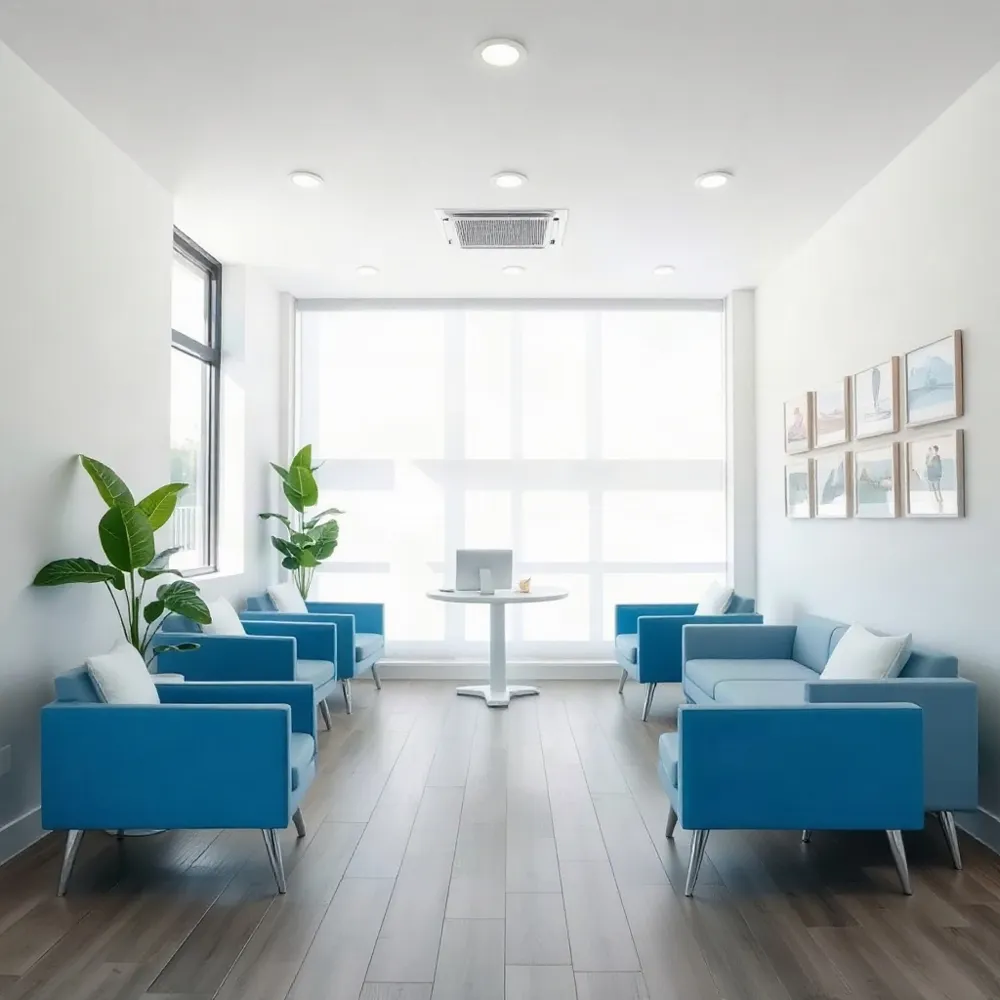
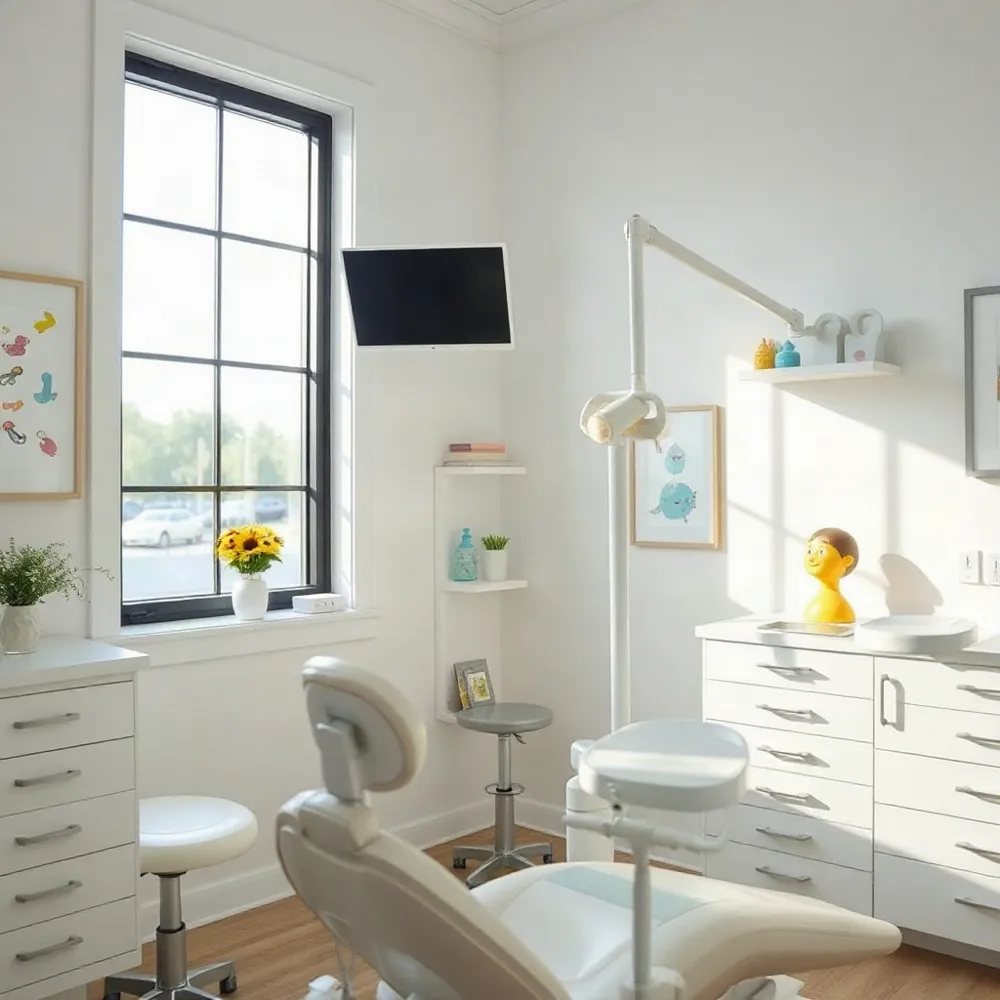
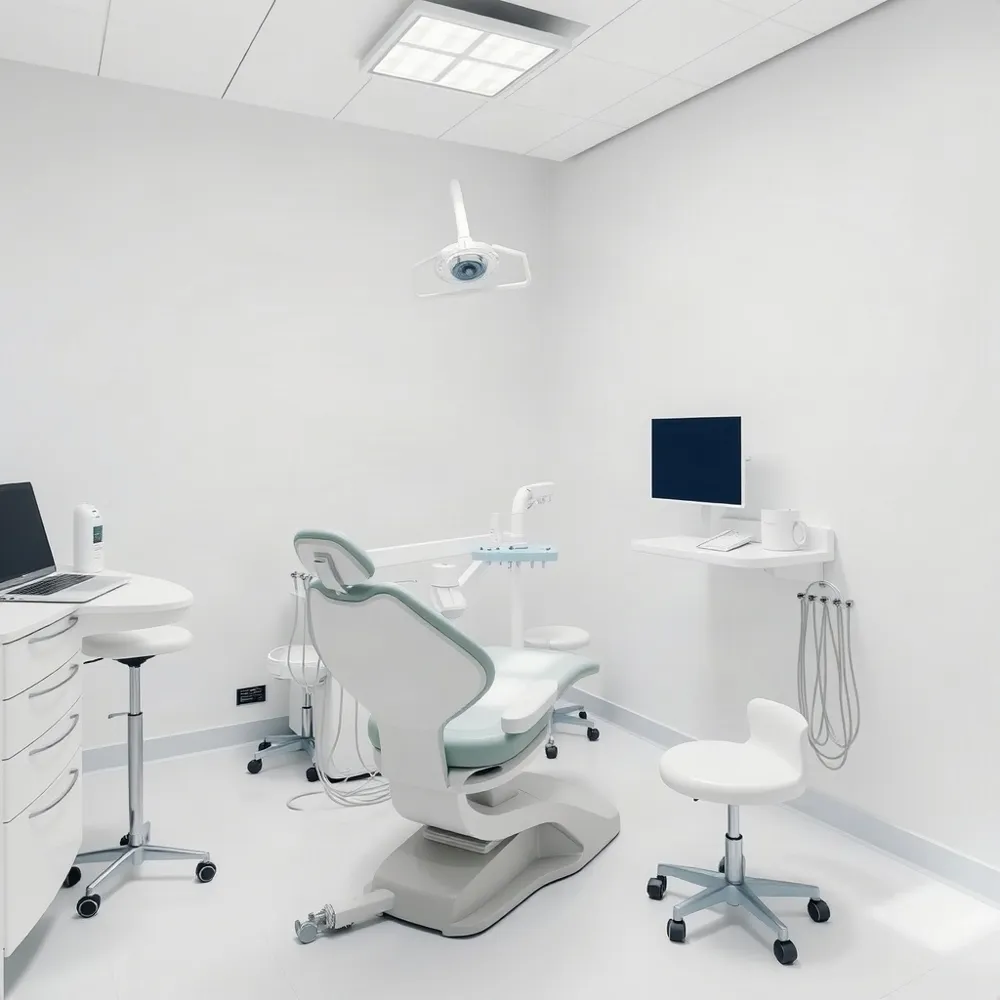
 Best Choice Dental in Totowa, NJ builds its reputation on a community‑first philosophy that welcomes families of all ages. The waiting‑room is designed for calm: soft, adjustable lighting, gentle aromatherapy, and ceiling‑mounted monitors that stream soothing nature scenes or patient‑selected videos. Modern digital scanners, computer‑controlled anesthetic delivery and laser dentistry streamline procedures, often cutting chair‑time in half and reducing the exposure to noisy drills that trigger anxiety. Every team member receives training in empathetic communication, explaining each step in plain language and using a clear hand‑signal protocol so patients can pause treatment whenever they feel uneasy. By encouraging regular preventive check‑ups, the practice helps break the cycle of fear‑driven avoidance, allowing early detection of problems and keeping appointments short and comfortable. Together, these elements create a nurturing, low‑stress environment where families feel safe, heard, and confident in maintaining optimal oral health.
Take the First Breath, Take the First Step
A quick review of the most effective tools: slow diaphragmatic or 4‑7‑8 breathing, box (square) breathing, and simple visualizations such as a calming white light or a peaceful beach can quickly activate the parasympathetic nervous system and lower heart rate. Pair these breathing patterns with a favorite playlist, a stress ball, or a soothing mantra to keep the mind centered during the visit. Open communication is equally vital—let the dentist know your triggers, ask for a clear stop signal, and discuss any comfort options, including nitrous oxide or oral sedation. At Best Choice Dental in Totowa, NJ, our family‑oriented team uses state‑of‑the‑art technology and a gentle, personalized approach to make every appointment stress‑free. Call today to schedule a low‑stress consultation and experience calm, confident care.