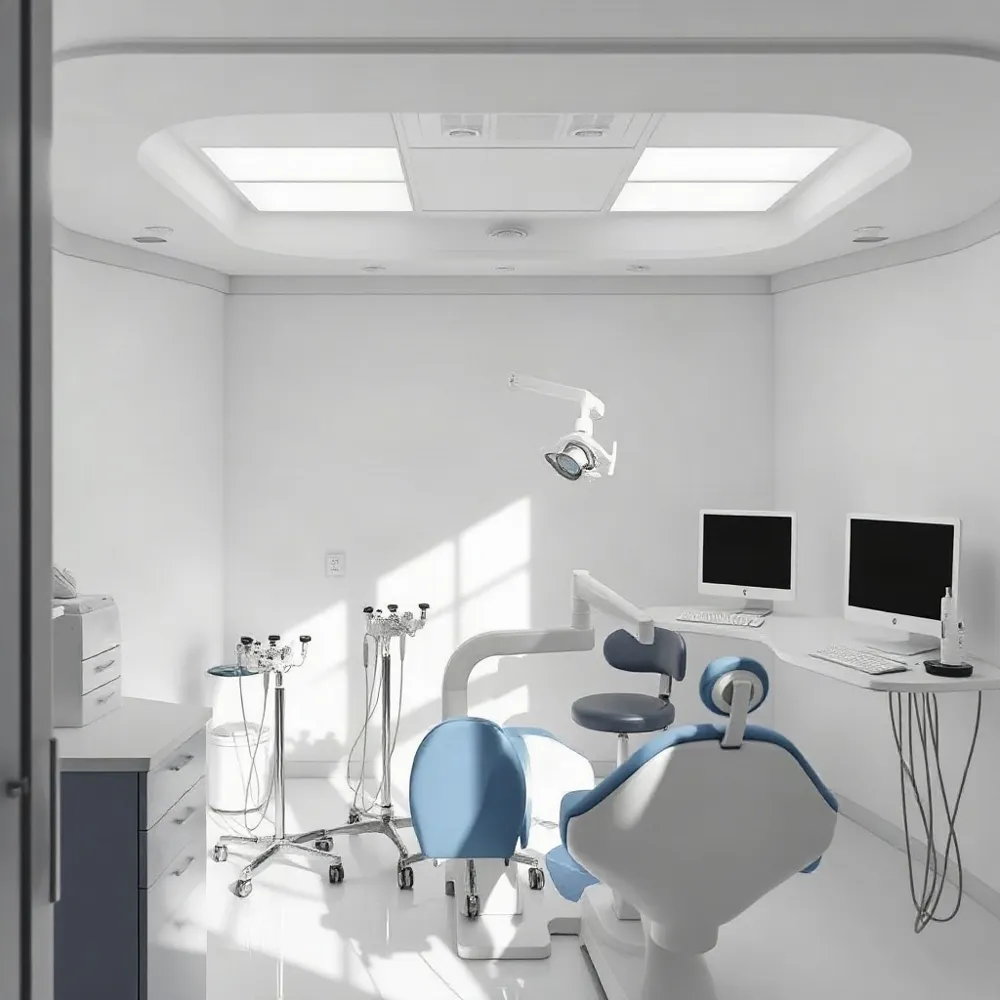
Understanding Dental Anxiety and Its Impact
Prevalence of Dental Anxiety
Dental anxiety affects up to 20% of adults, making it a common concern that spans various age groups. Many individuals experience it as mild nervousness, while others face severe fear or phobia, which can significantly disrupt their oral health routines.
Common Triggers and Physical Symptoms
Triggers for dental anxiety include past traumatic dental experiences, fear of pain, sensory sensitivities to sounds or smells, concerns around losing control, and embarrassment. Physically, this anxiety often manifests as rapid heartbeat, sweating, shaking, difficulty breathing, dry mouth, and feelings of lightheadedness. These symptoms echo the body's natural fight-or-flight response, escalating stress around dental visits.
Consequences of Avoiding Dental Care
Avoidance of dental appointments due to anxiety can worsen oral health, especially periodontal disease, leading to gum deterioration, tooth loss, and increased risks of systemic health conditions like heart disease and diabetes. Missing regular care results in more complex, invasive treatments later on, which can further heighten dental fear. Maintaining routine dental visits is crucial for preventing these complications and preserving overall well-being.
Communicating Openly for Personalized Comfort and Trust

Why Discussing Your Fears with Your Dentist Matters
Open communication about your dental fears is essential for creating a personalized care plan. When you share your concerns, your dentist can adjust the treatment approach to fit your comfort level, reducing anxiety and improving trust. For more on sharing fears with your dentist and Communicating Your Dental Fears, see these resources.
Using Signals to Stay in Control During Treatment
Establishing simple signals like raising a hand or tapping the chair gives you control during procedures. This approach empowers you to pause if you feel overwhelmed, making the experience less stressful. Learn more about Using signals during dental treatment and using stop signals during treatment.
The Role of a Compassionate Dental Team
A caring and understanding dental team plays a crucial role in easing anxiety. Compassionate staff listen patiently, offer clear explanations, and create a welcoming environment that helps patients feel supported throughout their visit. For strategies on Effective Communication in Dental Care and creating a calm dental environment, see these helpful articles.
Scheduling to Reduce Stress
Choosing appointment times that align with your comfort—often in the morning or during less busy clinic hours—can lessen anticipatory anxiety. Scheduling with your dentist in advance and discussing your needs helps ensure a calm, unrushed experience. Check out Best appointment times for dental care and scheduling stress-free dental appointments.
How Best Choice Dental Supports Families
Best Choice Dental fosters a family-friendly atmosphere where patients of every age feel relaxed and cared for. By listening to individual needs and adapting care plans, they help reduce stress and anxiety. Friendly staff and availability for urgent appointments further ensure patient comfort and trust. For tips on stress-free family dental visit tips and family-friendly dentist approaches, see these resources.
Relaxation and Distraction Techniques to Ease Anxiety
Breathing exercises like deep breathing and the 'three-four-five' technique
Breathing exercises are effective tools to calm dental anxiety by activating the parasympathetic nervous system. Deep breathing involves slow, controlled breaths that reduce heart rate and promote relaxation. The simpler 'three-four-five breathing method' is especially helpful: inhale through the nose for 3 seconds, hold for 4 seconds, then exhale slowly through pursed lips for 5 seconds. Practicing these can ease nerves before and during dental visits, helping patients feel more in control and calm.
Using music, audiobooks, or headphones as distractions
Distraction methods during dental procedures are widely recommended to divert attention away from dental procedures. Listening to calming music, audiobooks, or podcasts through headphones creates a soothing environment that can reduce sensory overload. Many dental offices support the use of personal devices to help patients relax, making the visit more comfortable and less stressful.
Progressive muscle relaxation and mindfulness
Progressive muscle relaxation involves tensing and then releasing different muscle groups to reduce tension and anxiety. Combining this with mindfulness—focusing on the present moment without judgement—can significantly lower stress levels. These relaxation techniques for dental visits prepare patients mentally and physically for appointments and help maintain calm during treatment.
Visualization and guided imagery
Visualizing peaceful and positive scenes helps shift focus away from dental fears. Guided imagery, led by dental staff or through self-practice, encourages patients to mentally escape to a calming place, reducing anxiety symptoms. Employing these methods before and during visits supports a more relaxed dental experience.
Employing a combination of these relaxation and distraction techniques can empower patients to manage dental anxiety effectively, fostering a more comfortable and positive dental care experience.
Utilizing Sedation Dentistry and Modern Technologies for Comfort
What Sedation Options Are Available for Managing Dental Anxiety?
Sedation dentistry options plays a crucial role in helping patients with dental anxiety receive necessary care comfortably. Common sedation methods include nitrous oxide for anxiety (laughing gas), oral sedation pills, and intravenous (IV) sedation. These options are tailored to the severity of anxiety and the complexity of the procedure, allowing patients to remain calm or even lightly asleep during treatment.
How Does Sedation Help in Severe Anxiety Cases?
For patients experiencing intense dental anxiety or phobia, sedation dentistry ensures that dental visits become manageable. Nitrous oxide provides quick relief with minimal side effects and allows patients to remain responsive. Oral sedation offers stronger calming effects orally administered before treatment. IV sedation delivers a deeper sedation level quickly under professional monitoring, providing a stress-free experience.
What Modern Dental Technologies Are Used to Minimize Discomfort?
Modern dental practices like Best Choice Dental integrate advanced technologies that minimize discomfort and speed healing. Digital X-rays reduce radiation exposure while improving diagnostic accuracy. Intraoral cameras help dentists see detailed images inside the mouth for precise treatment planning. These tools make procedures less invasive and more comfortable for patients.
How Do Laser Dentistry and Same-Day Crowns Enhance Patient Experience?
Laser dentistry, such as the Solea laser system, offers virtually painless treatments with less bleeding and faster recovery times. This technology reduces the need for anesthesia and the anxiety associated with drills. Additionally, CEREC same-day crowns enable dentists to design, fabricate, and place crowns in a single appointment using digital impressions. This innovation eliminates multiple visits and reduces overall treatment time, enhancing convenience and patient comfort.
By combining sedation dentistry with cutting-edge digital and laser technologies, dental practices provide a personalized, comfortable, and efficient care experience that helps patients overcome fears and maintain optimal oral health.
Building a Routine: The Importance of Regular Dental Care for All Ages
Why is regular dental care important for all age groups?
Regular dental care plays a vital role in maintaining oral health throughout every stage of life. It helps prevent common issues such as tooth decay and gum disease, while also enabling early detection and treatment of dental problems. For adults and seniors, routine visits address age-related challenges like dry mouth and root caries. Tailoring care to individual needs supports overall health, improves quality of life, and reduces the risk of complications from untreated dental conditions. Learn more about the Benefits of Regular Periodontal Care and why consistent visits are essential.
Benefits of routine check-ups and preventive care
Routine dental appointments include thorough cleanings, examinations, and preventive treatments like fluoride applications and sealants. These help keep teeth strong and gums healthy, lowering the chance of cavities and periodontal disease. Preventive care encourages good oral hygiene habits, which are especially important in managing anxiety by avoiding complex procedures later. Understanding the Importance of Routine Dental Care and Avoiding Dental Visits Consequences can make a big difference.
Managing age-related oral health issues
As patients age, they may face specific concerns such as dry mouth, increased sensitivity, and gum recession. Regular dental visits allow dentists to monitor these conditions closely and provide customized solutions. This proactive approach enhances comfort and helps patients maintain natural teeth longer. For more insights, explore Dental Anxiety and Gum Disease and effective Strategies for Dental Anxiety Management.
How regular visits reduce anxiety over time
Frequent visits help patients become familiar with dental procedures and build trusting relationships with their providers. This familiarity reduces fear of the unknown and creates a more positive experience. Dentists can also implement calming strategies and sedation options when needed, ensuring personalized, comfortable care. Discover Techniques to Calm Dental Anxiety, Sedation Dentistry Options, and Communicating with your dentist about fears for helpful advice.
Comprehensive dental services at Best Choice Dental
Best Choice Dental offers an extensive range of services for the entire family. From routine cleanings and preventive treatments to restorative procedures like fillings, crowns, and implants, their skilled team addresses all dental needs. Pediatric dentistry and cosmetic options are also available, making it a one-stop practice focused on compassionate, patient-centered care that promotes lifelong oral health. Check out Arizona Periodontal Group Care Approach for a model of comprehensive dental care.
Creating a Positive Dental Experience: Environment and Patient Support
How does a calming office atmosphere help dental anxiety?
A welcoming dental environment greatly reduces patient anxiety by introducing soothing elements like gentle music and comfortable seating. This approach helps patients relax before and during their visit, creating a more pleasant experience. Many dental practices incorporate soft lighting and welcoming décor to put patients at ease. For more details, see Calming Elements like Music and Comfortable Seating and Creating a calming dental environment.
How is care tailored to patients with sensory sensitivities?
Patients who are sensitive to sights, sounds, or smells in a dental office may find visits overwhelming. Adjustments such as dimmed lighting, noise-canceling headphones, and minimizing strong odors can make a big difference. These personalized accommodations show respect for individual needs and help reduce sensory-triggered anxiety. Learn more about Sensory Sensitivities in Dentistry and Managing Dental Anxiety.
What technology is used to reduce patient stress?
Modern dental offices use cutting-edge technology like laser treatments to minimize discomfort and speed healing. Laser Periodontal Treatments are an example of this. Sedation dentistry options—such as nitrous oxide, oral sedation, and IV sedation—also play a vital role in managing anxiety and pain, allowing patients to relax and feel safe during procedures. For more information, see Sedation Dentistry Options, Sedation dentistry options, and Nitrous oxide for anxiety.
How do rewards and gradual exposure encourage patients?
Positive reinforcement, such as rewarding patients after visits, helps build a positive association with dental care and reduces future anxiety. For especially anxious patients, dentists may recommend starting with simple, non-invasive procedures first, gradually building confidence and decreasing fear over time. Read about Relaxation Techniques for Dental Visits, Rewarding yourself after dental visits, and Gradual Approach to Dental Procedures.
Creating a patient-centered dental environment that blends calming atmosphere, personalized care, advanced technology, and positive encouragement supports a stress-free dental visit and promotes long-term oral health. For comprehensive guidance, visit Overcoming Dental Anxiety.
Empower Your Smile: Steps to Overcome Dental Anxiety
Effective Strategies to Manage Dental Anxiety
Managing dental anxiety involves several practical steps. Open communication with your dental care team helps tailor treatments to your needs and comfort. Relaxation techniques such as deep breathing, mindfulness, and distractions like music can significantly reduce stress during visits.
Engage with Your Dental Care Providers
Don't hesitate to share your fears and concerns. Trustworthy dentists understand anxiety and offer supportive options like sedation dentistry and personalized care plans to help you feel safe and in control.
Benefits of Regular Dental Visits
Routine dental appointments not only prevent complex dental problems but also gradually reduce anxiety by familiarizing you with the process. Consistent care helps maintain oral health, contributing to overall well-being and making visits more comfortable over time.
Choose Supportive Practices Like Best Choice Dental
Opt for dental providers committed to creating calming and patient-focused environments. Best Choice Dental prioritizes personalized care and uses advanced techniques to ensure your visits are as stress-free and comfortable as possible, empowering you to achieve a healthier, confident smile.