Understanding Dental Anxiety: The First Step to a Stress-Free Visit
What Is Dental Anxiety?
Dental anxiety is a common experience worldwide, affecting many individuals. It involves fear or stress related to dental care, which can range from mild nervousness to severe phobia. This reaction activates the body's natural fight, flight, or freeze response during dental visits.
Signs to Watch For
People with dental anxiety may show physical signs such as a rapid heartbeat, sweating, shaking, difficulty breathing, dry mouth, or feeling lightheaded. Emotional responses include irritability, trouble sleeping before appointments, or feeling overwhelmed at the thought of dental treatment.
Why Does Dental Anxiety Happen?
Several factors can trigger anxiety in dental settings. These include past traumatic dental experiences, fear of pain or injections, loss of control, or discomfort with personal space invasion. Mental health conditions like PTSD or phobias can also play a role. Recognizing these causes helps patients and dentists work together toward a more comfortable dental experience.
Practical Techniques to Manage and Overcome Dental Anxiety
Breathing and relaxation exercises
Deep breathing techniques, such as the 3-4-5 breathing technique or diaphragmatic breathing, activate the body's parasympathetic nervous system to calm nerves. Patients are encouraged to focus on slow, deep breaths to reduce fight or flight response in dentistry.
Distraction methods including music and visuals
Listening to calming music or watching videos during treatment helps divert attention from anxiety triggers. Music distraction during dental visits and visual distractions as well as comfort items like headphones or stress balls can improve overall relaxation.
Communication strategies with your dentist
Open dialogue with your dentist about fears and concerns is essential. Dentists can answer questions, explain procedures, and tailor the treatment pace to patient comfort. This communication with your dentist partnership helps build trust and reduce worry.
Use of patient signals during procedures
Agreeing on simple hand signals allows patients to communicate discomfort or the need for a break without interrupting the procedure. This signaling during dental procedures control can ease feelings of helplessness.
What makes Best Choice Dental modern in its approach to dental care?
Best Choice Dental integrates advanced technologies including Digital Imaging for Patient Comfort, digital X-rays, intraoral cameras, and laser dentistry to enhance diagnostic accuracy and treatment outcomes. They focus on patient comfort with sedation options for dental anxiety and advanced anesthesia, use digital tools for patient education, and maintain rigorous evidence-based sterilization practices. This innovative, patient-centered dental care model ensures a comfortable and caring dental experience.
The Role of Sedation in Providing a Comfortable Dental Experience
What types of sedation are available for dental anxiety?
Dental practices commonly offer several sedation options for dental anxiety to ensure patient comfort during procedures. These include:
- Nitrous oxide sedation (laughing gas): Inhaled sedation that promotes relaxation while allowing patients to remain awake.
- Oral sedation: Medications taken by mouth to reduce anxiety and produce a calm state.
- IV sedation benefits: Delivered through the bloodstream for moderate to deep sedation.
- General anesthesia: Used in rare, severe anxiety cases where patients are fully unconscious.
When is sedation recommended?
Sedation is particularly beneficial for patients with severe dental anxiety treatments or phobia that prevents them from tolerating dental visits. It helps manage intense fear, physical reactions, or inability to stay still during treatment.
How should patients prepare and what aftercare is needed?
Patients should discuss their medical history and preferences with their dentist to personalize sedation plans. Prior to sedation, fasting may be required, and arranging transportation home is essential since sedation effects can last several hours.
Post-procedure care includes rest and avoiding activities requiring full alertness until the sedation wears off completely.
What safety measures are involved?
Dentists follow strict medical protocols, personalize sedation based on each patient's health, and monitor vital signs throughout the procedure. This approach ensures sedation is both safe and effective.
Comprehensive dental practices like Best Choice Dental provide tailored sedation options for dental anxiety integrated with advanced dental services, supporting patients with dental anxiety to receive necessary care comfortably and confidently.
Family-Focused Care: Supporting Children and Adults with Dental Anxiety
Importance of family-oriented dental practices
Family-oriented dental practices recognize that dental anxiety affects both children and adults. These practices create welcoming environments designed to ease fears and promote comfort for the whole family. Such settings prioritize personalized care that respects the unique emotional needs of each patient.
Strategies to reduce children's dental fear
Helping children overcome dental anxiety starts with a calm, supportive approach. Techniques include keeping a soothing atmosphere, using child-friendly language, and encouraging positive associations with dental visits. Parents are advised to remain calm themselves, avoid alarming phrases, and emphasize the importance of dental hygiene. Guided distractions, like music or videos, and allowing children to meet the dental team beforehand also help build trust.
How Best Choice Dental caters to families and children
Best Choice Dental is committed to serving families by offering a comprehensive range of dental services tailored to all ages. The practice provides Preventive Dental Care aimed at protecting children's teeth early on and educates families about oral health. With staff trained to handle Managing dental anxiety compassionately, the office environment supports a stress-free experience.
Building trust through patient-centered care
A cornerstone of Best Choice Dental's approach is open communication. Dentists take time to listen to patients' fears and preferences, working together to develop comfort strategies, such as relaxation techniques for dental visits and distraction methods during dental appointments. This Patient-centered dental care fosters trust, helping both children and adults feel safe and cared for during every visit.
Is Best Choice Dental suitable for families with children? Yes, Best Choice Dental is highly suitable for families with children. As a family-oriented dental practice in Totowa, it provides a welcoming and comfortable environment for all ages, offers dental services tailored to children's needs including preventive care and education, and has staff experienced in managing dental anxiety to ensure positive experiences for kids and their families.
Consequences of Avoiding Dental Care and the Importance of Regular Visits
How does dental anxiety lead to avoidance and what are the impacts?
Dental anxiety affects many individuals and can cause them to avoid visiting the dentist entirely. This avoidance often stems from fear of pain, previous traumatic experiences, or feelings of helplessness during dental procedures. However, skipping dental visits due to anxiety can have severe consequences on oral health.
What risks arise from worsening oral health and delayed treatments?
Avoiding dental care allows minor oral issues like cavities, gum inflammation, or plaque buildup to progress unchecked. Over time, this can lead to more serious conditions such as tooth decay, infections, or periodontal disease, which may require complex and emergency treatments that are more invasive and costly.
Why are regular check-ups and good oral hygiene essential?
Maintaining regular dental check-ups enables early detection and prevention of dental diseases. Good oral hygiene practices, combined with professional cleanings, prevent the development of oral problems that contribute to anxiety and complicated treatments. Early care supports overall oral health and helps reduce anxiety by creating more positive dental experiences.
Why is seeking support and professional care important?
Individuals with dental anxiety should communicate openly with their dental providers to receive tailored support. Dental offices are equipped with strategies such as relaxation techniques for dental visits, sedation options for dental anxiety, and empathetic care to make visits more comfortable. Seeking professional help can break the cycle of avoidance, improve oral health outcomes, and lead to a healthier, more confident smile.
Creating a Relaxing Dental Environment: What Patients Should Expect
Modern dental office amenities and technology
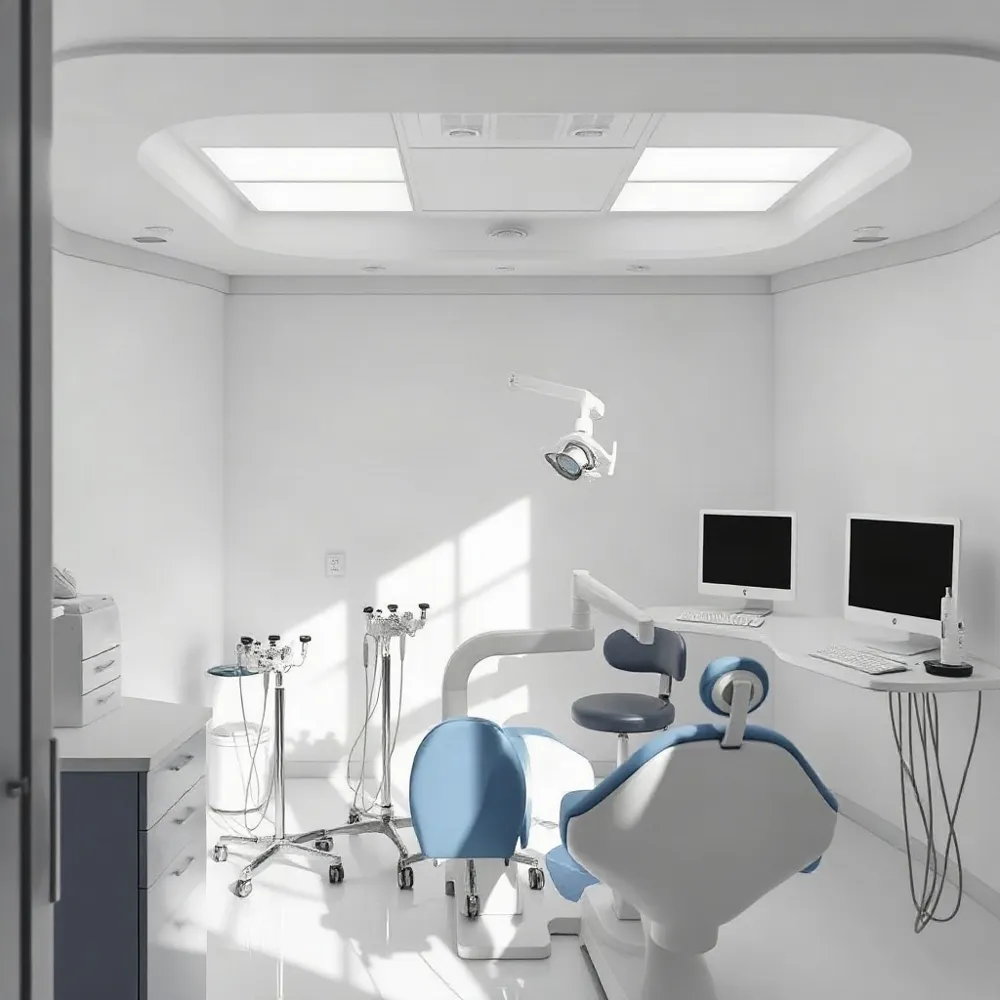
Modern dental offices are designed to create a calming atmosphere using advanced technology that enhances patient comfort. Digital Imaging for Patient Comfort and diagnostics reduce treatment time and discomfort, while Painless Dental Treatments like laser beams offer quieter, less intimidating alternatives to traditional drills.
Communication and personalized care approach
Dentists prioritize open communication to build trust and ease anxiety. They encourage patients to Share Your Dental Fears and preferences, tailoring care plans to each individual's needs. This Collaborative Approach to Dental Visits helps patients feel in control and respected throughout their visit.
Comfort measures like music, numbing gels, and pain-free injections
To further enhance relaxation, many dentists offer comfort tools such as Listening to Music During Dental Care through headphones and use Numbing Gels and Pain-Free Injections alongside pain-free injection techniques. These measures minimize pain and distraction during procedures, contributing to a soothing experience.
Patient empowerment by involving them in treatment decisions
Patients are invited to participate in their treatment decisions at every stage. Using Signaling During Dental Procedures lets patients communicate during procedures, helping them feel safe and empowered. This involvement reduces fear and fosters a sense of partnership with the dental team.