Why Early Oral Health Matters
Cavities affect more than half of U.S. children aged 6‑8 and over 50 % of adolescents, making tooth decay the nation’s most common chronic childhood disease (CDC). Untreated decay can cause pain, infections, difficulty eating, speaking, playing, and learning, leading to missed school days and lower academic performance. Early, preventive care—daily brushing with fluoride toothpaste, flossing, a balanced diet, and water with fluoride—significantly reduces this risk. Professional services such as fluoride varnish, dental sealants, and regular check‑ups (starting by the first birthday) are proven to prevent up to 80 % of cavities in molars and 33 % in primary teeth. At Columbus Children’s Dentistry, our pediatric‑trained team uses gentle techniques, advanced technology, and personalized education to keep every child’s smile healthy and pain‑free.
Foundations & Trusted Resources for Parents
 Cavities affect more than half of U.S. children ages 6‑8 and adolescents ages 12‑19, making oral‑health prevention essential (CDC, 2024). The CDC offers a free PDF, Oral Health Topics: Children, covering nutrition, fluoride, brushing, and flossing (https://www.cdc.gov/oralhealth/pdf/child-dental-health.pdf). A companion Children’s Oral Health Activity Book provides coloring pages, word searches, and a brushing‑timer worksheet for ages 3‑8 (https://stacks.cdc.gov/view/cdc/134360/cdc_134360_DS1.pdf). February is celebrated as Children’s Dental Health Month, promoting awareness through school events and free screenings. To reinforce daily habits, a kid‑friendly poster showing a two‑minute brush, floss, and tooth‑friendly foods can be displayed in clinics or homes; bright cartoon characters make the message memorable for ages 5‑8. Before teeth erupt, parents should wipe infants’ gums twice daily with a clean, damp cloth after each feeding, avoid sharing utensils, and limit sugary liquids. Once the first tooth appears, switch to a rice‑grain‑sized fluoride toothpaste and a soft infant toothbrush, and schedule the first dental visit by the child’s first birthday for early preventive care.
Daily Oral‑Hygiene Routines for Kids
 Proper brushing and flossing – Use a soft‑bristled brush at a 45° angle, small gentle circular motions on every surface, and floss daily once two teeth touch. Parents should supervise until the child can brush effectively (usually age 7‑8) and use a pea‑size amount of fluoride toothpaste for children 3‑6 (a rice‑grain smear for younger). Parents should help children floss until at least age eight; floss picks are an acceptable alternative for younger kids.
Age‑appropriate tools – Soft, small‑bristled infant toothbrushes, fluoride toothpaste, floss picks, and alcohol‑free rinses keep the routine safe and effective.
Fun, hands‑on activities – Set a two‑minute timer to a favorite song, use plaque‑disclosing rinse for a visual “bug‑hunt,” or try a marshmallow‑flossing craft. Sticker charts, tooth‑brushing relay races, and storybooks about the Tooth Fairy turn daily care into play.
Our pediatric office (e.g., Columbus Children’s Dentistry) offers advanced fluoride varnish, sealant applications, and the child‑friendly environment that reinforces these habits, ensuring every visit is comfortable, personalized, and focused on lifelong smiles.
Professional Preventive Care & Treatment Options
 At our child‑friendly practice we focus on evidence‑based prevention and gentle, effective treatment. Fluoride varnish, applied early, can stop about one‑third of cavities in baby teeth, while dental sealants protect the deep pits of permanent molars from up to 80 % of decay. For a 7‑year‑old with early tooth decay, we begin with a thorough cleaning, apply Fluoride varnish or silver‑diamine fluoride to remineralize the lesion, and place a minimally invasive composite filling or Hall‑technique crown if needed; larger cavities may require traditional fillings or crowns.
Our aesthetic guidance follows the 50‑40‑30 rule: 50 % of the central incisor’s height is in contact with its neighbour, 40 % between central and lateral incisors, and 30 % between lateral incisor and canine, creating a natural smile progression.
Developmental milestones are tracked with the rule of 7 (first dental visit by age 7 and loss of all primary teeth) and the rule of 4 (approximately four primary teeth erupt every four months after the first tooth).
We also provide a colorful PowerPoint for families that covers proper brushing with a pea‑size fluoride toothpaste, flossing, nutrition, and parental supervision tips. Our team uses the latest technology and a comforting environment to keep every child’s oral health on the right track.
Family‑Centric Programs & Community Education
 At Best Choice Dental in Totowa, NJ, our child‑care oral‑health program is built around daily supervised brushing, nutritious snack guidance, and on‑site preventive dental services. Each child participates in a twice‑daily supervised tooth‑brushing routine using a soft, small‑bristled brush and a pea‑sized amount of fluoride toothpaste, which removes plaque and strengthens enamel. The program also includes regular on‑site screenings—exams, cleanings, fluoride varnish applications, digital X‑rays, and needed fillings—so cavities are caught early and treated promptly.
Parents are invited to monthly workshops that cover proper brushing technique, the importance of limiting sugary foods and drinks, and how to schedule timely dental visits. These sessions are interactive, using visual aids and hands‑on demonstrations to empower families to maintain healthy habits at home.
We partner with local childcare centers to integrate supervised brushing into their daily routine, providing training for staff and supplying child‑friendly toothbrushes and fluoride toothpaste. Our team also connects families with community resources such as the American Academy of Pediatric Dentistry’s locator tool, school‑based oral‑health programs, and nutrition assistance services.
By combining hands‑on care, evidence‑based education, and easy access to professional services, we create a supportive environment that helps every child achieve a bright, healthy smile.
Career Pathways: Pediatric Dental Hygienist Salary Insights
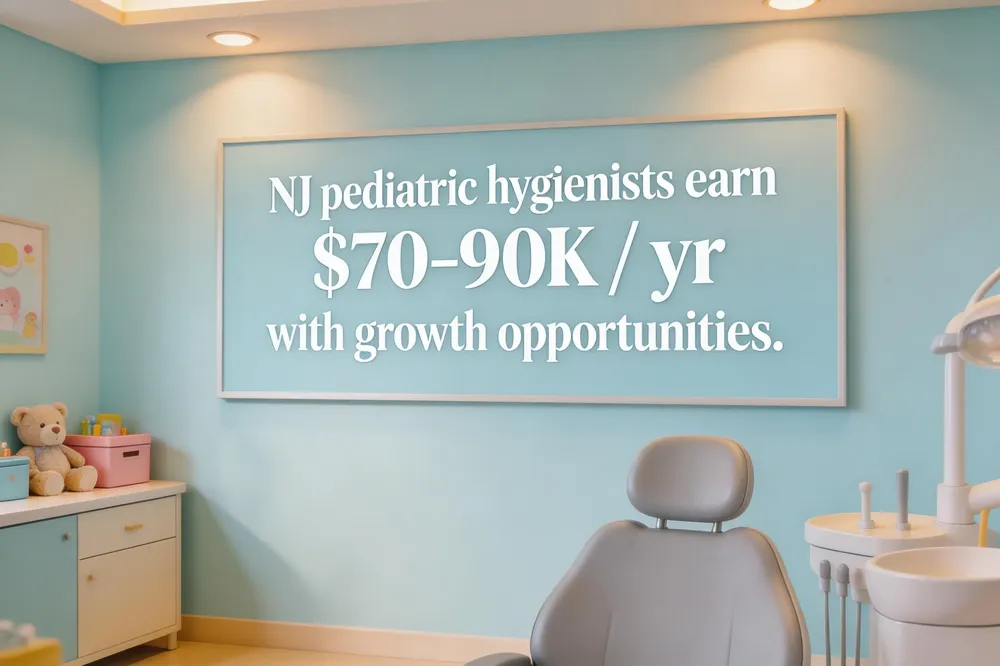 New Jersey regional pay trends: New Jersey offers slightly higher pay, typically between $70,000 and $90,000 annually, depending on experience and location. Hourly rates vary from $27.75 to $40.72, with a median of $35.31.
Factors influencing earnings: Certifications, years of service, and working in high‑demand areas boost salaries. Additional qualifications such as sedation training or expertise in preventive services (e.g., fluoride varnish, sealants) can also raise earnings.
Career opportunities in family‑oriented practices: Practices like Columbus Children’s Dentistry and other child‑focused offices value personalized, comfortable care, often offering competitive compensation packages, supportive team environments, and opportunities for professional growth. Joining such practices can provide a rewarding blend of stable income and the satisfaction of helping children achieve lifelong oral health.
Putting It All Together for a Lifetime of Healthy Smiles
Building a lifetime of healthy smiles starts with simple, consistent daily habits. Children should brush twice a day with a soft‑bristled brush and age‑appropriate fluoride toothpaste— a grain of rice for under three, a pea‑size amount from three to six—while parents supervise until the child can brush effectively. Flossing begins when two teeth touch, and water‑rich snacks replace sugary drinks. Regular professional check‑ups every six months allow dentists to apply fluoride varnish, sealants, and catch early decay. Trusted resources such as the CDC, American Academy of Pediatrics, and local pediatric practices provide up‑to‑date guidelines. Community programs, school‑based oral‑health lessons, and parent‑focused workshops reinforce education, making preventive care a shared responsibility that supports every child’s bright, confident future for life today.