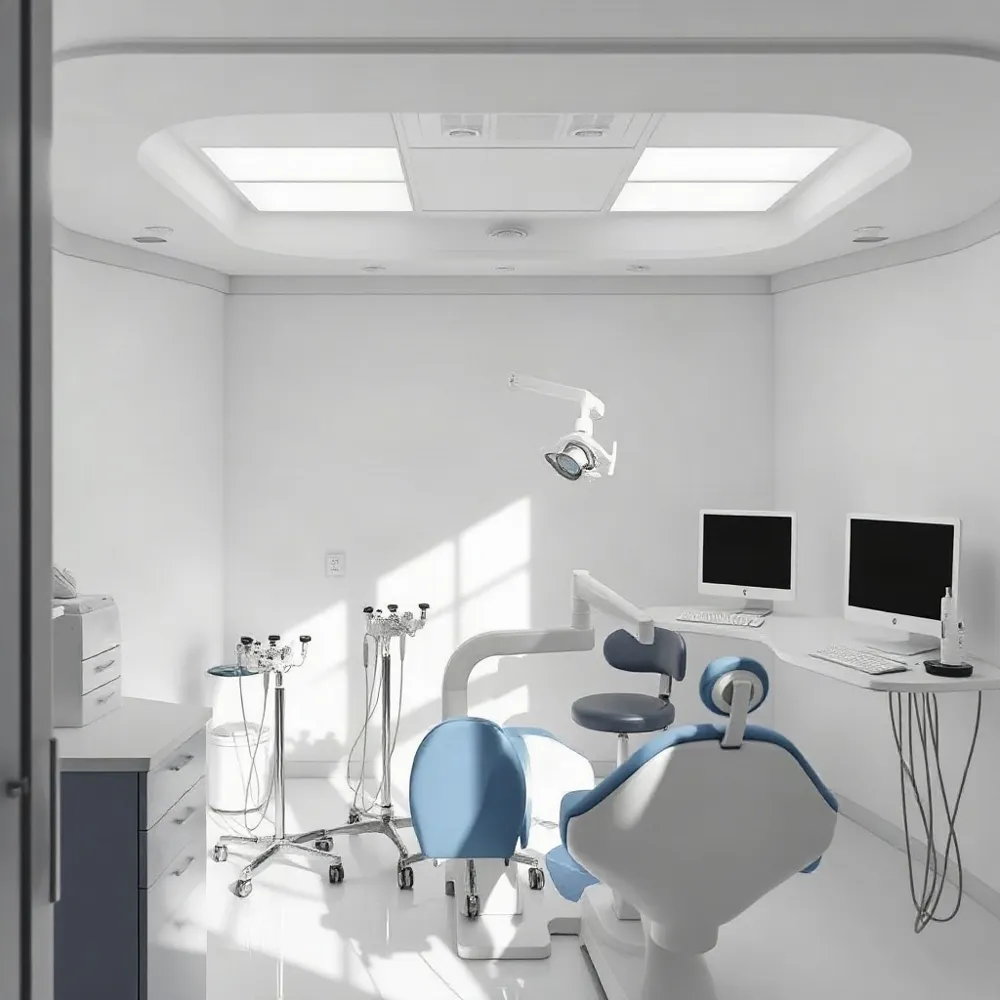
Understanding Restorative Dentistry and Its Importance
What is Restorative Dentistry?
Restorative dentistry focuses on repairing or replacing teeth that are damaged, decayed, or missing. Its main goal is to restore the natural function, health, and appearance of your teeth, helping you enjoy comfortable chewing, clear speech, and a confident smile.
Benefits of Restorative Treatments
By addressing dental problems early and effectively, restorative procedures can eliminate pain and sensitivity, improve your ability to eat and speak, and enhance the overall look of your smile. These treatments also support your jaw's health by properly distributing bite forces, which can reduce discomfort and prevent future issues.
Common Dental Issues Treated
Restorative dentistry addresses a wide range of dental concerns, including:
- Cavities and tooth decay
- Broken, chipped, or cracked teeth
- Missing teeth due to injury or decay
- Infected or damaged tooth pulp requiring root canal therapy
- Teeth weakened by wear or large restorations
With tailored solutions like fillings, crowns, bridges, implants, and dentures, restorative dentistry helps maintain your oral health and improves your quality of life.
Common Restorative Procedures: From Fillings to Full Mouth Reconstruction

An Overview of Common Restorative Dental Treatments
Restorative dentistry overview aims to repair damaged teeth and replace missing ones to restore function, appearance, and oral health. Common procedures include Dental fillings for cavities, Dental crowns for tooth repair, Dental bridges for missing teeth, How dental implants work, and Dentures and implant-supported dentures. Each treatment is tailored to meet specific dental needs, from minor cavity repair to complex tooth replacement.
Fillings: Repairing Cavities
Dental fillings for cavity repair treat cavities by filling the decayed area with materials such as tooth-colored composite resins or amalgam. They restore the tooth's structure and function and typically last 10 to 15 years with good care.
Crowns: Protecting and Strengthening Teeth
Dental crowns are custom-made caps that cover and protect weakened or broken teeth. They restore shape, strength, and appearance and are commonly used after Root canal therapy process or for teeth with large cavities. Crowns can be made from porcelain, gold, or ceramic materials.
Bridges: Replacing Missing Teeth
Dental bridges for missing teeth fill gaps left by one or more missing teeth by anchoring artificial teeth to adjacent natural teeth or implants. They restore chewing ability, speech, and facial structure and can last over a decade with proper care.
Dental Implants: Durable Tooth Replacement
How dental implants work are titanium posts surgically placed into the jawbone to replace tooth roots. After healing, a crown is attached, resulting in a natural-looking and functioning tooth. Implants help preserve bone and are considered a long-term solution with potential lifespans over 20 years.
Dentures: Replacing Multiple Teeth
Dentures and implant-supported dentures are removable or fixed prosthetics that replace several or all missing teeth in an arch. implant-supported dentures offer enhanced stability and comfort compared to traditional removable options.
Complex Restorations: Full Mouth Reconstruction and Bone Grafting
Full mouth reconstruction integrates multiple procedures such as Dental crowns for tooth repair, Dental bridges for missing teeth, How dental implants work, veneers, and sometimes orthodontics to restore complete dental function and aesthetics for patients with extensive damage or tooth loss. Bone Grafting Procedure for Implants and sinus lift procedures may be necessary to rebuild sufficient jawbone to support implants. Healing times can vary from several months to over a year depending on complexity.
The choice among these restorative options depends on individual dental conditions, function needs, aesthetic goals, and overall oral health. Consulting with a dental professional ensures a personalized treatment plan that enhances oral health and confidence.
Dental Crowns, Bridges, and Fillings: Essential Tools for Tooth Repair

How Crowns Protect and Repair Damaged Teeth
Crowns are custom-made caps that fit snugly over damaged or weakened teeth to restore their shape, strength, and appearance. By covering the entire visible portion of a tooth after some enamel removal, Dental crowns for tooth repair shield it from further decay or fracture. They are often recommended for large cavities, broken teeth, or following Root canal therapy process to reinforce the tooth's structure. Materials used include tooth-colored ceramics, porcelain, gold, or metal alloys, chosen based on durability and aesthetic preferences.
Bridges as a Solution for Missing Teeth
Bridges replace one or more missing teeth by anchoring an artificial tooth (or teeth) to adjacent natural teeth that are reshaped to support the prosthetic. This restoration not only fills gaps but also restores proper chewing and speaking functions and helps maintain facial structure. Dental bridges for missing teeth offer enhanced stability by securing the bridge to dental implants rather than natural teeth.
Advantages of Composite and Amalgam Fillings
Fillings repair cavities caused by tooth decay and come primarily in two types: composite resin and amalgam. Dental fillings for cavities are tooth-colored and provide an aesthetically pleasing finish, blending seamlessly with natural teeth; they are ideal for visible areas. Amalgam fillings, made from durable metal alloys, are often preferred for back teeth where strength is paramount. Both types can last many years with proper care.
Procedural Details and Materials Used
- Dental Crowns: Typically require two visits; the first involves taking impressions and preparing the tooth, often followed by placement of a temporary crown. The permanent crown is fitted during the second visit for a precise and comfortable fit.
- Dental bridges explained: Preparation involves reshaping adjacent teeth and taking molds to fabricate the bridge, usually completed over two visits.
- Dental fillings for cavities: Can often be completed in a single visit by cleaning out decay and filling the space with the chosen material, followed by curing and polishing.
The combination of these restorative tools effectively repairs damage, replaces missing teeth, and enhances oral health and aesthetics, ensuring patients regain confidence and function in their smiles.
Dental Implants and Advanced Technologies: The Modern Gold Standard

What Are the Components and Steps Involved in Dental Implant Procedures?
Dental implants consist of three main components: a titanium screw that acts as the artificial tooth root, an abutment connecting the screw to the tooth restoration, and the crown that mimics a natural tooth. The procedure typically begins with the surgical placement of the titanium post into the jawbone, followed by a healing period to allow osseointegration—the process where the bone fuses with the implant. Afterward, an abutment is attached, and a custom-made crown is placed to restore function and aesthetics. Learn more about the Dental implant procedure steps.
Why Are Bone Grafting and Sinus Lifts Important for Implant Success?
Successful implant placement depends on having sufficient bone volume and density. In cases where the jawbone is too thin or has deteriorated, Bone Grafting Procedure for Implants is performed to regenerate and strengthen the bone. Sinus Lift Procedure are utilized when the upper jawbone is too short, involving raising the sinus membrane and placing bone grafts to create adequate support. These preparatory treatments are vital for implant stability and longevity. Additional details can be found under Bone Grafting Procedure for Implants and Sinus Lift Procedure.
How Do Modern Technologies Support Implant Planning and Placement?
Advanced imaging technologies like CBCT imaging technology provide 3D scans of the jaw for precise assessment of bone structure, ensuring accurate implant positioning. Computer-Aided Design and Computer-Aided Manufacturing (CAD/CAM technology in dental restorations) software assist in designing and fabricating exact-fit crowns and implant components. Together, these technologies enhance surgical precision, reduce treatment time, and improve patient outcomes. Learn more about Advanced Imaging and CBCT Scans and Digital dental impressions.
What Influences the Longevity and Care of Dental Implants?
Dental implants are designed to last 15 to 25 years or more with proper care. Maintaining good oral hygiene by regular brushing and flossing, avoiding hard or sticky foods, and attending routine dental checkups are essential. Patients should also use protective devices like mouthguards if at risk of trauma. When cared for appropriately, implants offer a durable, natural-feeling tooth replacement option that preserves bone health and overall oral function. For tips on Proper dental implant care and Oral hygiene for implants, see related resources.
Affordable and Accessible Restorative Dentistry: Options for Every Patient

What Affordable Restorative Treatments Are Available?
Affordable restorative treatments help repair damaged or broken teeth while prioritizing patient comfort and accessibility. Dental bonding is among the most cost-effective options. This procedure involves applying a tooth-colored composite resin directly onto a chipped or cracked tooth, then hardening it with ultraviolet light and polishing to blend seamlessly with surrounding teeth. It is ideal for minor repairs and can often be completed in a single visit.
How Do Teaching Clinics and Financing Options Support Patient Care?
Many teaching clinics, such as Dentists at Penn Dental Medicine, offer expert restorative care at reduced costs. These clinics not only provide comprehensive treatments like Dental crowns, Dental implants, and dentures but also accept most insurance plans and provide financing options to make dental care more accessible. The teaching environment typically ensures close supervision by experienced dentists, assuring high-quality treatment.
Why Are Regular Dental Visits Important After Restorations?
Post-treatment maintenance is crucial to prolong the lifespan of dental restorations. Regular Importance of dental check-ups after restorations allow professionals to monitor restorations for wear, detect early issues like sensitivity or loosening, and perform necessary adjustments. Prompt attention to any discomfort or changes ensures restorations remain functional and comfortable.
How Does Insurance Coverage Affect Restorative Dentistry?
Insurance coverage for restorative procedures varies widely depending on the plan. Basic treatments such as fillings and crowns are generally covered. More complex or cosmetic procedures might require additional coverage or out-of-pocket costs. Patients are encouraged to verify their insurance benefits and explore financing options prior to treatment to make informed decisions.
Committing to both affordable solutions and consistent dental visits empowers patients to maintain strong oral health while managing costs effectively.
Patient Experience and Benefits: Functional and Aesthetic Restoration

How Does Restorative dentistry overview Improve Chewing, Speaking, and Appearance?
Restorative dentistry overview plays a vital role in enhancing everyday functions such as chewing and speaking. By repairing damaged or missing teeth through Dental crowns for tooth repair, Dental bridges for missing teeth, How dental implants work, Dentures and implant-supported dentures, or full-mouth reconstructions, patients regain proper bite force and oral function. This helps in clear speech and efficient chewing, reducing jaw pain caused by imbalanced bite forces. Additionally, restoring teeth often improves smile aesthetics, contributing to a healthier, more youthful appearance.
What Psychological Benefits Can Patients Expect?
Beyond the physical improvements, restorative treatments significantly boost patient confidence and self-esteem. A repaired smile can alleviate feelings of embarrassment or self-consciousness tied to missing or damaged teeth. Patients often experience a renewed sense of social comfort and well-being after treatment, which positively impacts personal and professional interactions.
How Is Discomfort Managed and What Are Typical Recovery Times?
Discomfort during and after restorative procedures is typically minimal due to advances in anesthetics and sedation options like nitrous oxide or oral sedation. Sensitivity or mild discomfort may occur after treatments such as Root canal therapy process or implants but usually resolve within a few days to weeks. Recovery time for dental procedures vary by procedure; simple fillings or Dental crowns often allow immediate return to daily activities, while implant placement or bone grafting may require longer healing.
Why Are Customized Treatment Plans and Patient Comfort Important?
Individualized treatment plans ensure restorative dentistry meets each patient's unique functional needs and cosmetic goals. Dentists assess oral health thoroughly using advanced imaging to tailor treatments. Patient comfort is prioritized through gentle care techniques, sedation options, and clear communication. This personalized approach fosters trust and promotes successful restorative outcomes for each patient.
Restorative dentistry overview not only revitalizes dental health but also supports overall quality of life with thoughtful, patient-centered care.
Maintaining Restorations for Long-Term Oral Health
Proper Care After Restorative Treatments
Maintaining your dental restorations starts with excellent oral hygiene. Brush twice daily with fluoride toothpaste and floss regularly to prevent plaque buildup around restorations and natural teeth. This helps avoid decay and gum disease, which can threaten the longevity of your dental work.
Watch for Signs of Issues
Pay close attention to any changes such as sensitivity, discomfort, loosened crowns, or chipped restorations. These signs indicate you should visit your dentist promptly to address potential problems before they worsen.
Importance of Regular Check-Ups
Scheduled dental visits allow your dentist to monitor the condition of restorations through professional exams and digital X-rays. Early detection of wear or damage helps extend the life of your dental treatments.
Preventive Measures for Sustained Health
Preventive care, including sealants and avoiding foods that weaken enamel, supports both natural teeth and restorations. Following your dentist’s advice on diet and hygiene ensures optimal oral health and function over time.