The Quest for a Radiant Smile
A bright, white smile is often the first thing people notice. It boosts self‑confidence and signals good oral health. For many patients at Best Choice Dental, achieving that confident smile is a top priority.
This article compares professional in‑office whitening offered at family practices like Best Choice Dental with the many store‑bought options on the market. You will learn what each method can realistically deliver, how long results last, and which approach fits your budget and lifestyle.
Safe and effective whitening starts with understanding your options. Whether you choose professional treatment under a dentist’s supervision or a carefully selected at‑home kit, this guide equips you with the facts to make an informed decision.
Professional Options from Your Family Dentist
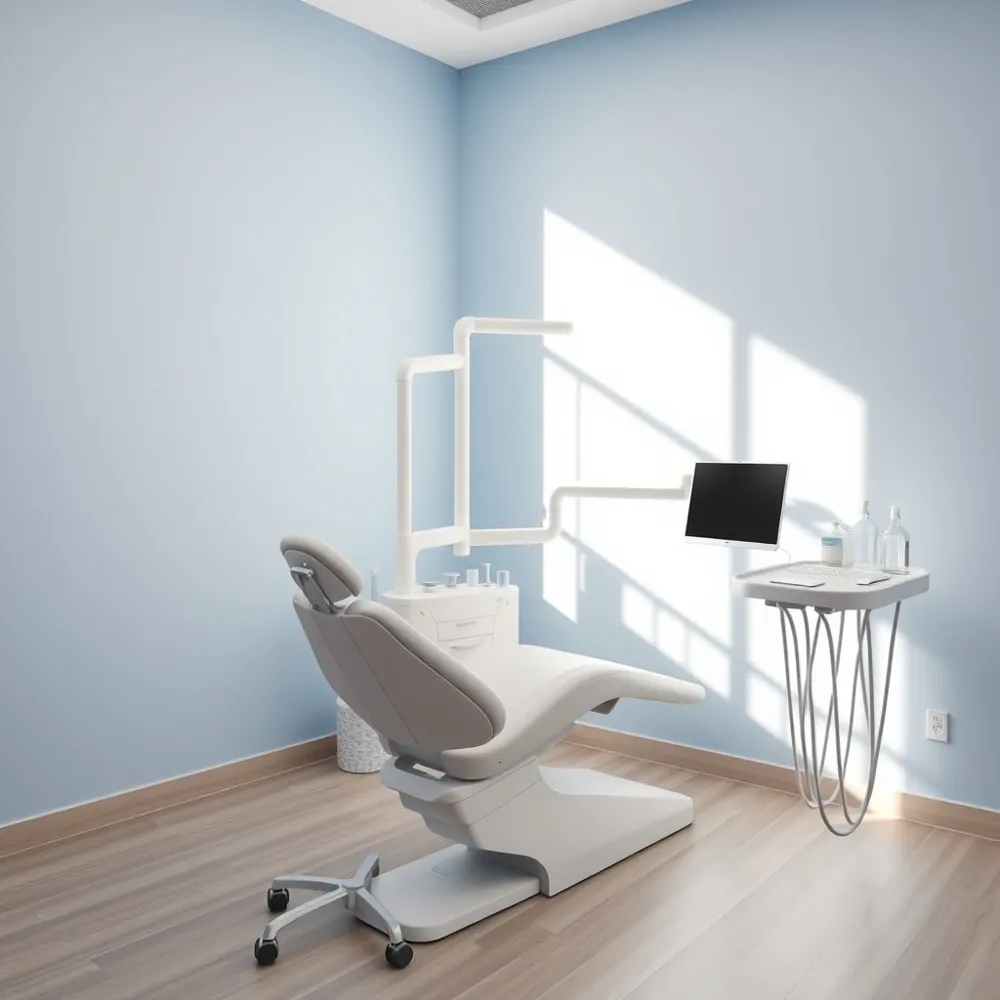 When you visit your family dentist for a brighter smile, the most immediate option is in-office whitening. The dentist applies a high-concentration peroxide gel — often 25% to 40% hydrogen peroxide per a PMC review — and may use a light or laser to accelerate the process. The entire appointment typically takes about 90 minutes and can lift teeth several shades in a single session, with professional supervision protecting gums and enamel throughout.
For those who prefer whitening at home, dentists offer custom take-home trays made from impressions of your teeth. These trays fit precisely, keeping the bleaching gel in steady contact with every tooth surface and preventing irritation to gums. You wear them for one to three hours daily (or overnight) over 10 to 14 days, using a lower-concentration gel than in-office products. Some practices also provide more affordable one-size-fits-all trays that can still lighten teeth effectively when used as directed.
At Best Choice Dental in Totowa, New Jersey, patients can choose between fast in-office whitening and custom take-home kits tailored to their schedule and sensitivity needs. Whichever route fits your lifestyle, having your dentist oversee the process means stronger results, fewer side effects, and peace of mind that over-the-counter products simply cannot match.
Comparing Whitening Gels: Professional vs. Store-Bought
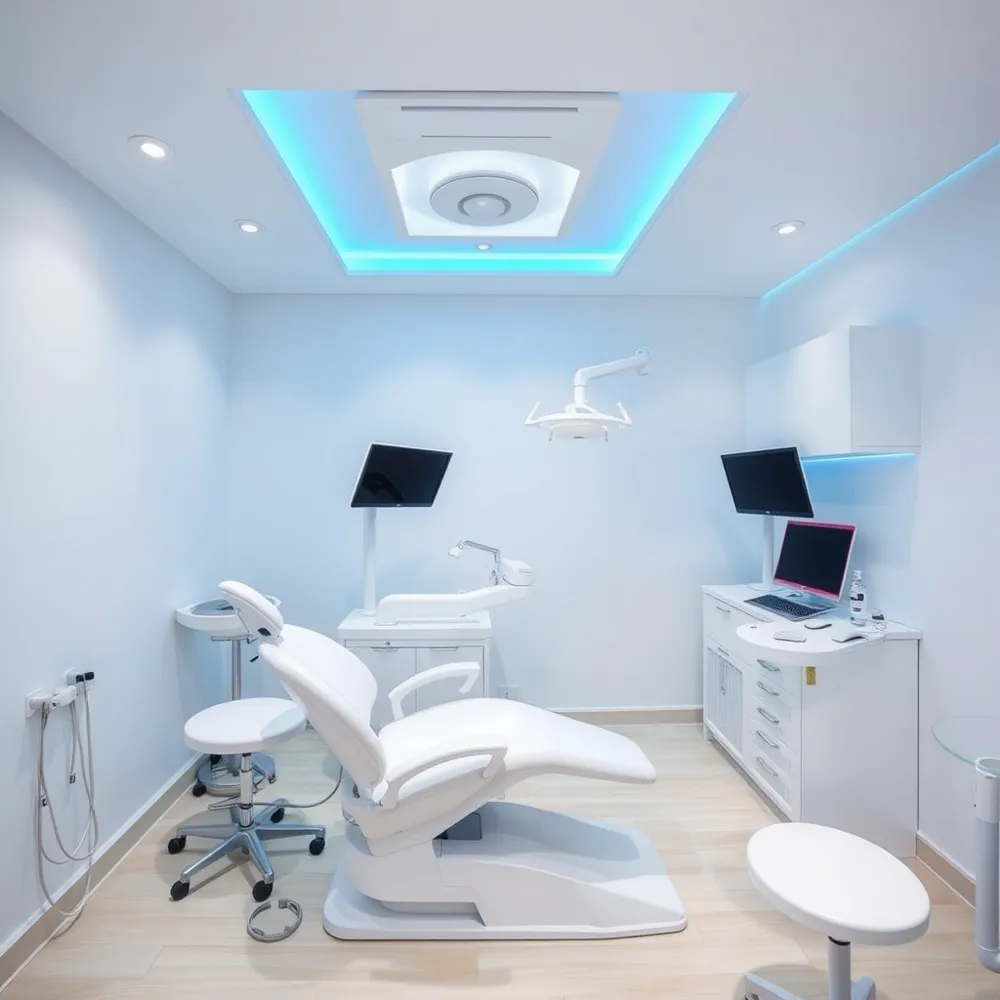 The most significant difference between professional and store-bought whitening comes down to the strength of the active ingredients. Professional whitening gels contain much higher concentrations of hydrogen peroxide or carbamide peroxide than over-the-counter products, allowing them to penetrate deeper and break apart stubborn stains that have built up over years. A dentist-supervised treatment can use gels with up to 40% hydrogen peroxide, while most OTC products are limited to around 3–10% hydrogen peroxide or 10–22% carbamide peroxide.
That higher concentration is only safe because a dentist controls the entire process. Before any gel touches your teeth at Best Choice Dental, your dentist examines your mouth for cavities, gum disease, or exposed roots—conditions that make whitening painful or risky. The dentist applies a protective barrier to shield your gums and can adjust the gel strength or application time to minimize sensitivity. Store-bought products offer no such customization; their one-size-fits-all trays and strips can lead to uneven whitening and gum irritation if the gel leaks onto soft tissue.
Over-the-counter kits often lack transparency about their active ingredient levels. Many list "carbamide peroxide" on the label without revealing the exact percentage, making it difficult for consumers to gauge effectiveness or compare products. A typical store-bought whitening strip may lighten teeth by one to two shades after two weeks of daily use, according to a review of studies published in the Journal of Evidence-Based Dental Practice. In contrast, an in-office professional treatment can improve whiteness by up to eight shades in a single visit.
Safest At-Home Whitening Methods
 A consistent oral hygiene routine is the foundation of a brighter smile. Brushing twice daily and flossing once a day remove plaque, which attracts stains from food and drinks. For an added whitening boost, switch to a whitening toothpaste that contains blue covarine (which creates an optical whitening effect) or low levels of hydrogen peroxide to lift surface discoloration gently.
For more noticeable results, consider over-the-counter (OTC) whitening strips with carbamide peroxide. Most home whitening products can lighten teeth by one to two shades when used as directed, according to a 2014 review in the Journal of Evidence-Based Dental Practice. These strips keep the bleaching agent in contact with enamel longer than toothpaste or rinses do, making them one of the most effective store-bought options.
Gentle Natural Alternatives
If you prefer gentle home remedies, a baking soda paste applied once or twice a week can safely polish away surface stains without damaging enamel. Coconut oil pulling for 10–20 minutes daily may also reduce plaque and gradually lift discoloration through its non-abrasive action.
'Natural' Trends to Avoid
Research on tooth whitening safety warns against harsh DIY trends like scrubbing with charcoal, lemon juice, or vinegar. These overly abrasive or acidic substances can erode enamel and increase tooth sensitivity over time. The safest approach is always to follow product directions carefully and consult a dental professional before starting any new whitening regimen.
Fastest Ways to Whiten Teeth at Home
Baking Soda and Hydrogen Peroxide Paste
For a safe, dentist-approved natural method, mix baking soda with hydrogen peroxide to form a paste. Brush with this mixture for 1–2 minutes twice daily for one week. Baking soda gently polishes away surface stains, while hydrogen peroxide acts as a mild bleach to lift discoloration. This combination can effectively brighten teeth without the harshness of stronger chemicals.
OTC Whitening Strips with Higher Peroxide
Over-the-counter whitening strips remain one of the most popular fast-acting options. Products contain 3–10% hydrogen peroxide or up to 35% carbamide peroxide, and when used as directed, they can lighten teeth by one to two shades within 10–14 days. Selecting strips with higher concentrations within legal OTC limits accelerates the process.
LED Light Kits
LED light kits pair a blue LED mouthpiece with a peroxide-based gel. The light is thought to accelerate the breakdown of stain molecules, and some systems show noticeable results in as little as one week when used daily for short sessions.
Recommended Whitening Toothpastes
Whitening toothpaste is the easiest daily step for brighter teeth, but not all formulas are equal. Dentists recommend products that pair proven whitening agents with safety, ideally backed by the ADA Seal of Acceptance.
Colgate Optic White Renewal contains 3% hydrogen peroxide, an active bleaching ingredient typically found in professional treatments. For patients who prefer a multi-step process, Crest 3D White Brilliance uses a two-step brightening system: a pre-rinse prepares the enamel and a serum with peroxide whitens.
For patients with sensitive teeth, Sensodyne Extra Whitening offers gentle stain removal while building daily protection against sensitivity — a smart choice given that temporary tooth sensitivity is the most common side effect of peroxide-based whiteners.
The ADA Seal of Acceptance is the clearest marker of safety and efficacy for at-home whiteners. At Best Choice Dental in Totowa, we help you match the right toothpaste to your needs and offer in-office treatments for deeper, more dramatic results beyond what toothpaste alone can achieve.
How Long Do Whitening Results Last?
The longevity of your whitening results largely depends on the method you choose and how well you maintain your smile. Professional in-office treatments, such as those provided at Best Choice Dental, typically deliver results that last from six months to three years. This durability comes from using higher concentration whitening agents applied under a dentist's supervision, ensuring optimal contact with enamel while protecting gums.
At-home kits, including strips and gels available over the counter, generally produce results that fade much sooner — often within a few weeks to a few months. A clinical review found that home-based products like 10% carbamide peroxide trays lighten teeth by one to two shades, but their effects are less persistent because lower peroxide concentrations are used and application is less precise (Tooth Whitening: What We Now Know - PMC). With proper oral hygiene and avoiding stain-causing foods and drinks, you can extend the life of any whitening treatment.
Factors That Shorten Whitening Longevity
Diet. Coffee, tea, red wine, berries, and dark sauces contain pigments that bind to enamel. Research shows that cola can stain freshly whitened teeth even more than coffee, so limiting these or rinsing afterward helps preserve brightness (Tooth Whitening at Home - Consumer Reports).
Smoking. Tobacco use introduces tar and nicotine that yellow teeth quickly after whitening. Quitting or reducing smoking is one of the most effective ways to maintain results.
Oral Hygiene. Brushing twice daily with a whitening toothpaste and flossing remove plaque before it hardens into stain-attracting tartar. Routine dental cleanings also help sustain whiteness over time.
Cost of Whitening and Insurance Coverage
The cost of professional teeth whitening typically ranges from $300 to $1,000 per session, depending on the method you choose. In-office treatments using high-concentration peroxides and advanced light technology tend to be more expensive than dentist-supervised take-home kits with custom-fitted trays. According to a review in the PMC, professional-grade products often contain higher concentrations of active agents than any over-the-counter alternative, which helps explain the price difference.
Most dental insurance plans classify whitening as an elective cosmetic procedure and do not cover it. You will likely pay out of pocket whether you select an in-office visit or a take-home kit from your dentist. A Consumer Reports article notes that home kits cost a fraction of professional services but may work just as well for certain surface stains, though stronger in-office formulas can sometimes reach deeper discoloration.
Flexible payment options and membership plans can make the investment more manageable. At Best Choice Dental in Totowa, we discuss all costs clearly before treatment begins. Our team will help you compare in-office bleaching with custom-tray alternatives so you can choose a path that fits both your budget and your smile goals. Contact our office for personalized pricing based on your specific needs.
Are OTC Kits Like Auraglow Safe and Effective?
Over-the-counter (OTC) whitening kits, including popular brands like Auraglow and Smile Bright, are readily available and can be effective for lightening surface stains from coffee, tea, or tobacco. Clinical studies show that when used as directed, these products can whiten teeth by one to two shades on a typical bleaching scale.
Safety depends almost entirely on proper use. OTC products contain lower peroxide concentrations than professional treatments — typically 3% to 10% hydrogen peroxide — but improper application still carries risks. Common side effects include temporary tooth sensitivity and gum irritation if the gel contacts soft tissues. Using kits more often or longer than recommended increases these risks without improving results.
A critical step before starting any whitening regimen is to consult your dentist. Whitening with an unfilled cavity, exposed dentin, or gum disease can cause significant discomfort and worsen oral health problems. Restorations such as fillings, crowns, or veneers will not lighten, which can lead to uneven coloration.
Professional in-office whitening offers customized care that delivers faster and more dramatic results with minimized risks. At Best Choice Dental, we use stronger agents safely by protecting your gums and tailoring the treatment to your specific needs — something no generic kit can match.
Achieve Your Brightest Smile Safely
Professional in-office whitening remains the gold standard for achieving fast, dramatic results under a dentist's supervision. The concentrated bleaching agents used in a dental office can lighten teeth by several shades in a single visit, and the results often last 6 to 12 months or longer with proper care.
At-home whitening methods — strips, gels, LED kits — are a convenient supplement for maintaining your smile between professional treatments. However, they lack the potency and precision of dentist-supervised care, and overuse of strong OTC products can lead to enamel softening and increased tooth sensitivity.
For a personalized plan that balances safety, effectiveness, and long-lasting confidence, schedule a consultation with Best Choice Dental in Totowa. Your dentist can recommend the right combination of in-office treatment and home maintenance to achieve your brightest smile without compromising oral health.