Why Restorative Dentistry Matters
Restorative dentistry is a specialized area of care that repairs or replaces damaged, decayed, or missing teeth. The primary goal is to restore essential functions, such as biting, chewing, and speaking, while also improving a patient's overall quality of life. This approach goes beyond simple fillings to address the full scope of oral health needs.
The Scope of Restorative Procedures
A wide range of procedures falls under restorative dentistry. Common treatments include dental fillings for cavities, crowns to strengthen weakened teeth, bridges and dentures to replace missing teeth, and dental implants that act as permanent artificial roots. These treatments can be combined into a comprehensive plan, such as a full mouth reconstruction, to resolve complex, long-standing issues in a single, coordinated effort.
Functional and Cosmetic Outcomes
While the primary focus is restoring function, restorative treatments also deliver significant cosmetic benefits. Modern materials like porcelain and zirconia are engineered to mimic the natural translucency and color of teeth. This ensures that restorations not only allow patients to eat comfortably and speak clearly but also provide a natural, attractive smile that boosts self-esteem and social confidence.
Patient-Centered Care at Best Choice Dental
At Best Choice Dental, every restorative treatment begins with a thorough examination and a clear treatment plan. The team prioritizes patient education, explaining each step to reduce anxiety and ensure informed decisions. By using advanced technology and collaborating with specialists when needed, they deliver personalized, long-lasting solutions in a comfortable, family-oriented setting.
What Teeth Restoration Really Means
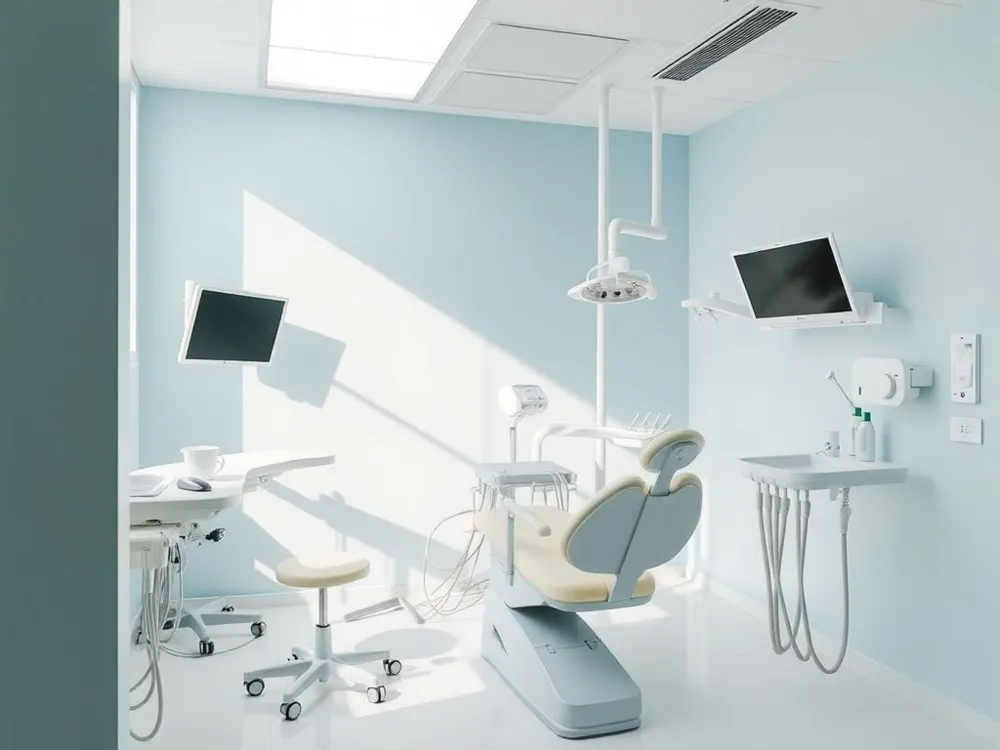
What does "teeth restoration" mean?
Teeth restoration, also known as restorative dentistry, is the branch of dental care focused on repairing or replacing damaged or missing teeth. The primary goal is to restore essential oral functions like chewing, biting, and speaking comfortably, while also safeguarding your overall oral health.
Common restorative procedures
Restorative dentistry includes a wide range of treatments tailored to different needs. Here are some of the most common procedures:
- Fillings: Used to repair cavities by sealing the decayed area and preventing further damage.
- Crowns: Custom-made caps that fully encase a weakened or broken tooth to restore its strength and shape.
- Bridges: Fixed prosthetics that replace one or more missing teeth by anchoring to adjacent healthy teeth.
- Implants: Artificial tooth roots placed into the jawbone to support crowns, bridges, or dentures, offering a permanent solution.
- Inlays and Onlays: Indirect restorations for moderate tooth damage that are larger than a filling but do not require a full crown.
Direct vs. indirect techniques
Restorative treatments are often categorized by their fabrication method:
- Direct restorations (e.g., fillings, bonding) are created and placed directly in the mouth during a single visit.
- Indirect restorations (e.g., crowns, bridges, inlays, onlays) are custom-made in a dental lab from precise impressions of your teeth, typically requiring two appointments.
Functional and aesthetic benefits
While the primary focus is on restoring function, modern restorative materials—such as tooth-colored composites and ceramics—also provide excellent aesthetic results. This allows patients to enjoy a healthy, fully functional bite without sacrificing the natural look of their smile.
Best Choice Dental’s comprehensive services
At Best Choice Dental in Totowa, NJ, we offer a complete spectrum of restorative care, from simple fillings to full-mouth reconstructions. Our family-oriented practice provides advanced technology and personalized treatment plans to restore both the function and appearance of your smile for patients of all ages.
| Procedure | Description | Common Use | Restoration Type |
|---|---|---|---|
| Fillings | Seals decayed area | Cavities | Direct |
| Crowns | Cap over weakened tooth | Severely damaged tooth | Indirect |
| Bridges | Replaces missing teeth | One or more missing teeth | Indirect |
| Implants | Artificial tooth root | Single or multiple missing teeth | Indirect |
| Inlays/Onlays | Restore moderate damage | Damaged cusps or larger cavities | Indirect |
How Long Do Restorations Last?

What is the life expectancy of a tooth restoration?
The lifespan of a tooth restoration is not one-size-fits-all. It varies significantly based on the material used, your oral hygiene habits, and how well you maintain regular dental visits.
Modern dental materials are designed for both strength and aesthetics. Composite fillings, for example, are an excellent choice for repairing cavities and minor damage. With proper care, these tooth-colored fillings typically last 5–7 years. However, with excellent oral hygiene, some patients may enjoy them for over a decade.
Stainless steel crowns are commonly used to protect primary (baby) teeth in children. They are a time-tested, durable option that generally lasts 5–10 years, or until the tooth naturally falls out. They provide full coverage and strength to withstand the forces of chewing.
For adults needing a long-term solution, zirconia crowns represent a significant advancement in restorative dentistry. Known for their remarkable strength and natural translucency, zirconia restorations are the most durable option. They typically last 10–15 years or more, and many patients find their crowns last well beyond 20 years with consistent care.
| Restoration Material | Typical Lifespan Range | Key Factors for Longevity |
|---|---|---|
| Composite Fillings | 5–7 years (can exceed 10 years) | Excellent oral hygiene, avoiding hard or sticky foods |
| Stainless Steel Crowns | 5–10 years (until tooth is naturally lost) | Used primarily for children’s primary teeth |
| Zirconia Crowns | 10–15+ years (often 20+ years) | Superior durability, biocompatibility, and aesthetics |
To extend the life of any restoration, consistent oral hygiene is essential. Brushing twice daily and flossing prevent plaque buildup that can compromise the edges of a restoration. Attending regular check-ups allows your dentist to monitor the restoration for early signs of wear or damage. Avoiding harmful habits—such as using teeth to open packages or grinding your teeth—will also help protect your investment in your smile. If you grind your teeth, a custom nightguard can be a simple and effective way to protect your restorations from premature wear.
The Price Tag of a Full‑Mouth Makeover
How much does a full mouth reconstruction typically cost?
Full‑mouth reconstruction costs in the United States typically range from $15,000 to over $80,000, depending on the complexity of the case, the number of teeth involved, and the materials chosen. For moderate reconstructions involving crowns and some implants, patients can expect to pay between $15,000 and $40,000, while extensive restorations requiring multiple procedures often run from $45,000 to $80,000.
What drives the price: number of teeth, materials, bone grafts, surgeries
Several factors determine the final cost. The total is influenced by:
| Factor | Description | Example Cost Impact |
|---|---|---|
| Number of teeth | More teeth needing restoration means more units of crowns, implants, or bridges. | Each implant crown $3,000–$6,000 |
| Materials | Porcelain, zirconia, or metal alloys have different durability and aesthetic levels. | Zirconia crowns can be 20-30 % more than porcelain |
| Bone grafts | Rebuilding lost jawbone to support implants adds significant surgical costs. | $500–$3,000 per graft site |
| Additional surgeries | Sinus lifts or gum grafting are sometimes necessary for successful restoration. | $1,000–$5,000 per procedure |
What about financial planning and insurance?
Your specific treatment plan—whether it includes implants, bridges, or dentures—will determine the final price. Requesting an itemized treatment plan from your dentist is the best way to get an accurate estimate for your unique needs. While dental insurance often covers some restorative procedures (like crowns and root canals), it rarely covers the full cost of comprehensive reconstruction. Many practices offer flexible payment plans or financing options to help manage the investment. Understanding these factors helps you make an informed choice for a healthier, more confident smile.
Designing a Balanced Smile: The 50‑40‑30 Rule
What is the 50‑40‑30 rule in dentistry?
The 50‑40‑30 rule is a proportion guideline used in cosmetic and restorative dentistry to create a naturally harmonious smile. When viewing the upper front teeth from the front, this rule dictates that the two central incisors should ideally occupy about 50% of the visible width, the lateral incisors about 40%, and the canines about 30%.
How does the rule guide veneer and orthodontic planning?
Dentists use the 50‑40‑30 rule as a blueprint when planning smile makeovers, including procedures like porcelain veneers, crowns, or orthodontic treatment. By measuring the existing tooth widths, a dentist can determine how much reshaping, addition, or movement is needed to achieve these ideal proportions.
What is its real-world application in smile makeovers?
For patients undergoing full mouth rehabilitation or a smile makeover, this rule ensures that each tooth looks proportionate to its neighbors. For instance, if a patient's lateral incisors are too narrow, a dentist can design veneers to widen them, aligning closer to the 40% target.
How does the rule impact aesthetic harmony?
Adhering to the 50‑40‑30 rule results in a balanced, symmetrical smile that appears both attractive and natural. It helps avoid an unnatural “all same size” look and creates a pleasing visual flow across the smile.
| Component | Width Proportion Target | Common Application | Aesthetic Goal |
|---|---|---|---|
| Central Incisors | ~50% | Veneers, crowns, orthodontic expansion | Dominant, balanced focal point |
| Lateral Incisors | ~40% | Veneer widening, bonding correction | Gradual transition in size |
| Canines | ~30% | Minimal reshaping, orthodontic alignment | Strong corner anchor for the smile |
Managing Post‑Procedure Discomfort: The 3‑3‑4 Rule
What is the 3‑3‑4 rule in dentistry?
After extensive dental work, some discomfort is normal. The 3‑3‑4 rule is a simple, evidence‑informed protocol for managing this pain. It advises taking three 200‑mg tablets of ibuprofen every three hours, for a maximum of three days.
Inflammation control after dental work
The rule targets inflammation, which is the primary cause of most dental pain. By proactively managing inflammation, patients often require fewer narcotics and experience a smoother, more comfortable recovery.
Ibuprofen dosing protocol
| Dose & Timing | Pain Relief | Duration |
|---|---|---|
| Three 200‑mg tablets (600mg total) | Excellent | Maximum of 3 days |
| Every three hours | Controls discomfort | For better sleep |
| Extended release (if preferred) | Consistent pain control | Follow dentist guidance |
When to seek professional help
Contact your dentist if pain persists beyond three days, worsens, or is accompanied by significant swelling, fever, or discharge. These signs may indicate an infection or other complication requiring prompt evaluation.
Our team can also provide a custom mouthguard should bruxism be a concern, protecting your new restorations and ensuring your comfort.
Full‑Mouth Reconstruction: Three Life‑Changing Journeys
How did Nancy’s full‑mouth reconstruction resolve severe bruxism?
Nancy suffered from severe bruxism, a condition that had cracked and worn down her natural teeth. To fully restore her oral health, she underwent an extensive full‑mouth reconstruction involving 28 crowns and 28 root canals. Using high‑quality porcelain crowns that mimic the look and feel of natural teeth, the treatment not only eliminated her chronic pain but also allowed her to bite, chew, and speak normally again. Most importantly, Nancy regained her confidence, able to smile freely without embarrassment.
How did bite correction eliminate Magnolia’s chronic migraines?
Magnolia’s chronic migraine headaches were traced back to a misaligned bite and broken ceramic restorations. A comprehensive full‑mouth reconstruction corrected her bite alignment, which directly resolved her headaches. The procedure also repaired the damaged restorations and addressed underlying dental disease. The result was a functional, aesthetic smile that greatly improved her daily comfort and quality of life.
How did an implant‑supported restoration recreate a smile after trauma?
A young adult patient lost multiple teeth in a traumatic accident. The treatment began with implants and a temporary denture, followed by a full‑mouth reconstruction using custom models and wax‑ups. The goal was to faithfully recreate his pre‑injury smile, and the patient was involved in approving the final design. The outcome was a seamless, natural‑looking smile that restored his confidence and ability to interact socially without self‑consciousness.
What does the confidence‑boost statistic reveal?
The Walnut Creek Dental blog cites a remarkable statistic: “Individuals undergoing full mouth reconstruction report a remarkable 85 % increase in confidence levels after completing their dental journey.” This data underscores that the benefits of comprehensive dental care extend far beyond oral function—they profoundly improve emotional well‑being and social engagement.
How does Walnut Creek Dental ensure a comfortable experience?
The practice emphasizes a thorough, patient‑centered process. Before any treatment begins, there is a detailed examination, bite analysis, and clear patient education. Staged communication ensures that the individual understands each step, reducing anxiety. Advanced techniques are used throughout extensive procedures—such as multiple crowns and root canals—to minimize pain, making the journey as comfortable as possible.
Why is collaboration with prosthodontists essential?
A key factor in the success of these complex cases is close collaboration with specialists, particularly prosthodontists. This partnership ensures precise bite positioning and optimal aesthetic outcomes. By working with experts who focus on restoring and replacing teeth, the dental team can achieve both long‑lasting function and a beautiful, natural look for each patient. | Patient | Primary Issue | Key Procedures | Transformative Outcome | | --- | --- | --- | --- | | Nancy | Severe bruxism (cracked/worn teeth) | 28 crowns & 28 root canals | Pain‑free eating, speaking, and confidence | | Magnolia | Chronic migraines from misaligned bite | Bite correction, restoration repair | Headache elimination, functional smile | | Trauma Patient | Multiple tooth loss from accident | Implants, temporary denture, custom wax‑ups | Recreation of pre‑injury smile, renewed confidence |
Beyond the Chair: How Restorative Dentistry Impacts Overall Health

What is the Link Between Oral Health and Systemic Diseases?
Poor oral health doesn't just affect your mouth; it can impact your entire body. Research indicates that untreated gum disease creates a breeding ground for harmful bacteria. This bacteria can enter the bloodstream and contribute to serious conditions. For example, a study from the University of North Carolina School of Dentistry found that individuals with gum disease are twice as likely to die from a heart attack and three times as likely to experience a stroke. Additionally, infections originating in the teeth can be aspirated into the lungs, causing pneumonia, especially in elderly patients. There is also a bidirectional link with diabetes: gum disease can cause blood-sugar spikes, and diabetes increases the risk of developing gum disease. By treating decay and gum disease through restorative work, you reduce the risk of these systemic issues.
What Are the Success Rates and Health Benefits of Dental Implants?
Dental implants are a highly reliable and health-promoting solution. According to the American Academy of Implant Dentistry, they boast a success rate of 95-98%. A 10-year study in the Journal of Oral Implantology found that 96% of implant patients would choose the procedure again. Beyond their high success rate, implants play a crucial role in preserving jawbone health. When a tooth is lost, the jawbone can deteriorate due to lack of stimulation. Implants embed titanium posts into the jawbone, preventing this bone resorption and maintaining facial structure, which avoids the sunken appearance often seen with missing teeth.
How Can Restoring Your Chewing Ability Improve Your Nutrition?
Restorative dentistry is essential for proper nutrition. Missing teeth or ill-fitting dentures can make it difficult to eat a varied diet, often leading to a preference for soft, less nutritious foods. Procedures like dental implants, bridges, and crowns restore the ability to bite and chew comfortably. Patients who undergo full‑mouth reconstruction or receive implant‑supported bridges can eat a wider variety of foods, including crunchy vegetables and firm proteins. This ability to enjoy a balanced diet is a key factor in maintaining overall health and well-being.
What Mental Health Gains Come from an Attractive Smile?
The impact of restorative dentistry on mental well-being is significant. A restored, attractive smile delivers powerful psychological benefits, including higher self-esteem and reduced anxiety in social and professional settings. Patients in our case studies consistently report that they feel more confident and are more willing to smile. One patient, Nikki, who suffered from bruxism and low self-esteem, saw her confidence dramatically boosted after treatment. A statistic from a patient blog noted that “individuals undergoing full mouth reconstruction report a remarkable 85% increase in confidence levels.” This shows that aesthetic improvements are directly linked to improved quality of life and mental health.
How Do All-on-4 Implants, Gum Grafts, and Full-Arch Restorations Help?
Advanced restorative techniques can transform lives. All-on-4 implants provide a full arch of permanent, stable teeth supported by just four implants, eliminating the need for removable dentures. Patient Terron chose this method over traditional dentures for its stability, which boosted his confidence in everyday activities. Gum grafts rebuild tissue that has receded, often necessary before placing crowns to achieve a natural tooth length. In one case, a processed dermal graft successfully rebuilt gum tissue, leading to a beautiful smile. Full-arch restorations involve rebuilding an entire arch of teeth, as seen in cases where zirconia crowns and bridges were used to restore function and reduce grinding for patients with severe wear.
What Do Patients Say About Their Quality of Life?
Patient testimonials highlight the real-world impact of restorative dentistry. Many report a dramatically improved quality of life, as they can now eat, speak, and socialize without pain or embarrassment.
| Patient | Procedure | Key Quality-of-Life Improvement |
|---|---|---|
| Melissa | All-on-4 Implants | Eliminated chronic pain and gave a |
Your Turn to Rewrite Your Story
A Path to a Better Quality of Life
As the stories shared throughout this article show, restorative dentistry does far more than fix teeth. It restores the ability to bite, chew, and speak comfortably. It alleviates chronic pain and eliminates headaches caused by bite problems. Perhaps most importantly, it rebuilds confidence, allowing patients to smile freely and engage in social and professional life without self-consciousness. The result is a genuine improvement in overall well-being.
Explore Your Options Today
If you are living with damaged, missing, or uncomfortable teeth, a full mouth reconstruction could be your path to a healthier, brighter future. Modern restorative procedures—from crowns and implants to full-arch replacements—are designed to be durable, natural-looking, and life-changing.
Begin Your Journey at Best Choice Dental
Take the first step by scheduling a free consultation at Best Choice Dental. Our team will listen to your concerns, perform a thorough evaluation, and explain every option in a clear, supportive manner. You deserve a smile that works for you. Let us help you rewrite your story. | Service | Key Benefit | Patient Outcome | | --- | --- | --- | | Full Mouth Reconstruction | Restores bite, eliminates pain | Improved eating, speaking, and confidence | | Dental Implants | Permanent tooth replacement | Natural function, preserves jawbone | | Porcelain Crowns & Veneers | Repairs damage, enhances aesthetics | Natural-looking smile, boosted self-esteem | | All-on-4 Implants | Full-arch fixed solution | Stable, comfortable, confident smile |