Getting Started with Dental Preparedness
A family dental emergency kit is a simple, lifesaving collection of supplies that lets you manage pain, bleeding, or a knocked‑out tooth until a dentist can be seen. Preparing early reduces anxiety, speeds care care, and can protect a tooth’s survival, especially when a professional isn’t immediately available. Before you shop, talk with your dentist to get personalized recommendations and write down their emergency contact information. Then, create a checklist, pick a portable airtight container, and decide where the kit will live—home, car, or travel bag—so every family member knows exactly where to find it when a crisis occurs.
Core Dental Supplies for Everyday Emergencies
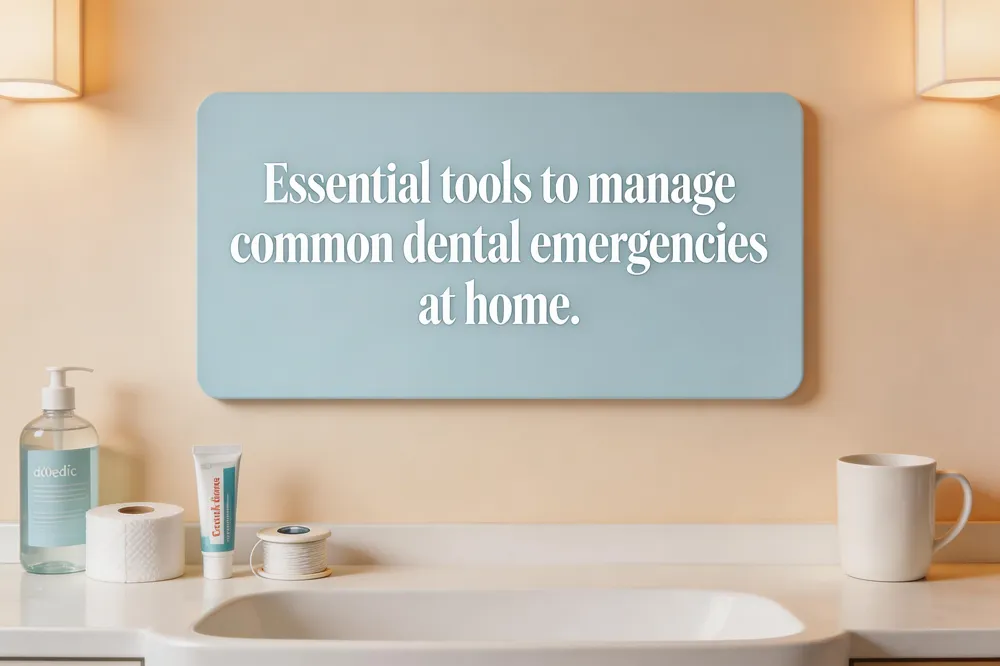 A well‑stocked home dental emergency kit gives families confidence while waiting for professional care.
Basic oral hygiene tools – Pack a spare toothbrush, toothpaste, dental floss, interdental brushes, a small dental mirror, and a flashlight. Sterile gauze pads, cotton rolls, and cotton pellets help control bleeding, while disposable gloves and alcohol wipes keep the area clean.
Pain management – Include fast‑acting OTC pain relievers such as ibuprofen or acetaminophen and a topical anesthetic gel (benzocaine) for immediate numbing. A cold compress or ice pack reduces swelling.
Temporary repair materials – Keep a temporary filling material or dental wax, dental cement with an applicator, and a small container to hold a loose tooth. These items seal lost fillings or crowns and protect exposed dentin until a dentist can treat the problem.
Tooth preservation methods – Store a sealed container with milk, saliva, or a balanced salt solution for an avulsed tooth; a tea bag can also soothe inflammation.
Answer to common questions –
- What should be included in a best dental emergency kit for families at home? A fast‑acting pain reliever (ibuprofen/acetaminophen), benzocaine gel, temporary filling material, dental cement, sterile gauze, cotton rolls, a mirror, floss, antiseptic rinse, gloves, emergency contact list, tea bag, and flashlight.
- What are the essential dental supplies used most frequently in a dental practice? Core operatory equipment (chair, lighting, high/low‑speed handpieces), intra‑oral camera, autoclave, ultrasonic cleaner, disposable gloves, masks, protective eyewear, suction tips, cotton rolls, gauze, mouth mirrors, composite resin, bonding agents, dental cement, fluoride varnish, sealants, and digital X‑ray imaging.
Having these supplies at hand reduces stress, controls pain, and preserves teeth until Best Choice Dental’s skilled team in Totowa, NJ, can provide personalized, comfortable care.
Safety and Compliance in the Dental Office
 At Best Choice Dental we prioritize both patient comfort and safety, and our emergency preparedness follows OSHA standards and ADA recommendations. OSHA requirements state that every dental office must keep a readily accessible first‑aid kit meeting § 1910.266 App A – gauze pads, bandages, adhesive tape, scissors, blankets, tweezers, latex gloves, a resuscitation mask or bag, elastic wraps, a splint, and clear emergency‑assistance directions. The practice also maintains an emergency‑action plan, provides eye‑wash or drenching stations when chemicals are used, logs all kit contents, and trains staff annually on proper use. Typical kit contents include the seven ADA‑approved medications (epinephrine auto‑injector, albuterol inhaler, diphenhydramine injection, aspirin, glucose tablets, nitroglycerin, and ammonia inhalation aid) plus naloxone if opioids are administered. Basic supplies such as sterile gauze, bandages, antiseptic wipes, a cold compress, dental mirror, tweezers, cotton rolls, oral benzocaine gel, temporary dental cement, an AED, and a printed emergency contact list ensure rapid, effective response to any oral or medical emergency. Regular checks keep the kit current, reinforcing our commitment to safe, personalized care.
Managing a Broken Tooth and Pain Control
 A broken tooth can be frightening, but a well‑stocked emergency kit lets you act quickly while you arrange professional care. Your kit should contain a fast‑acting temporary filling material or dental cement (e.g., zinc‑oxide‑eugenol or Cavit) to seal exposed dentin, a small pair of dental pliers or tweezers, a dental mirror and an interdental brush or pick for repositioning fragments and removing debris. Add sterile gauze pads, cotton rolls, and a bottle of saline or antiseptic mouth rinse for bleeding control and thorough cleaning. Over‑the‑counter pain relievers (ibuprofen or acetaminophen) and a topical anesthetic gel or clove oil provide immediate comfort, and disposable nitrile gloves maintain hygiene. Keep written instructions and your dentist’s emergency contact number handy. For tooth infection pain, the 3‑3‑3 rule offers short‑term relief: take three 200‑mg ibuprofen tablets (600 mg total) every three hours, or three 500‑mg acetaminophen tablets (1 g total) every three hours, alternating if both are used, and never exceed the daily maximum. This regimen is limited to three days; a dental appointment is essential for definitive treatment.
Over‑the‑Counter Dental Repair Kits: What to Expect
 Over‑the‑counter (OTC) dental repair kits are marketed as a quick fix for minor chips, lost fillings, or small cavities. They typically contain zinc‑oxide/eugenol or calcium‑based compounds that can temporarily seal a hole and reduce sensitivity, providing short‑term relief until you can see a dentist. However, these kits do not remove decay, restore the tooth’s proper anatomy, or guarantee a lasting bond. Incorrect application can trap bacteria, leading to infection, and the temporary seal may weaken quickly, altering your bite or causing further damage. Because they are intended only as a stop‑gap measure, OTC kits should be used solely to manage pain and protect the tooth while you arrange a professional evaluation. At Best Choice Dental in Totowa, NJ, our team offers comprehensive urgent‑care appointments, advanced restorative technology, and personalized treatment plans to ensure a permanent, comfortable solution—far beyond what a temporary kit can provide.
Maintaining an Up‑to‑Date Emergency Kit
 A well‑stocked dental emergency kit is only useful when its contents are fresh and organized. Refresh schedule for kit supplies – Check the kit at least once every three months. Replace any used gauze, gloves, or tools immediately after an incident and swap out short‑term items such as ibuprofen, benzocaine gel, and temporary filling material before their expiration dates, typically every six to twelve months. A full inventory audit should be performed annually to confirm that every essential component is present and sterile.
Record‑keeping and inventory practices – Keep a simple log inside the kit: note the date of each refill, the lot numbers of medications, and the expiration dates. Use a checklist (often provided by practices like Best Choice Dental in Totowa) to verify that the dentist’s emergency contact card is current and that any personalized instructions from Dr. Barajas are included. Updating the kit regularly ensures that families can rely on it for immediate relief while waiting for professional, technology‑driven care at our office.
Keeping Your Kit Ready for the Unexpected
A dental emergency kit is only as good as its upkeep. First, perform a quick inventory check at least once a month: verify that gauze, gloves, pain relievers, and any prescription items have not expired, and replace anything that’s been used or is past its date. Second, keep your dentist’s emergency contact details current—write down the office phone, after‑hours line, and any specific instructions Dr. Barajas or the team at Best Choice Dental have given you, and store the card in the same container as the supplies. Finally, store the kit where everyone can reach it fast— a bathroom cabinet, a travel bag, or a car glove compartment—protected in a waterproof, airtight pouch to keep items clean and dry. Regularly reviewing these three steps means you’ll be prepared, and our practice will be ready to provide the personalized, comfortable care you deserve when an unexpected dental event occurs.