Why the ‘once‑a‑year’ myth belongs in the past
The domino effect of early detection
A small cavity does not remain a small cavity. Left unchecked, the decay spreads deeper into the tooth, eventually reaching the pulp where a simple filling turns into a root canal and crown. The same principle applies to gum disease. Gingivitis—the earliest, reversible stage—causes mild bleeding. Ignored, it progresses to periodontitis, which destroys the bone supporting your teeth and is the leading cause of adult tooth loss.
This domino effect is why regular exams matter. A dentist can spot a tiny demineralized spot on an X‑ray or see the first signs of gum inflammation during a visual check. Intervening at that point means a quick, inexpensive treatment instead of an invasive, costly procedure later. The evidence backs this up: a long‑term study from New Zealand found that people who attended routine dental check‑ups had significantly fewer missing teeth and less decay than those who only visited when something hurt.
ADA‑backed preventive standards
The American Dental Association recommends a dental exam and cleaning every six months for most people. This biannual schedule is not a random number—it matches the average time it takes for early decay or gum problems to become noticeable. However, the ADA and leading researchers agree that the ideal frequency should be personalized.
Patients at higher risk—those with a history of gum disease, diabetes, a weakened immune system, or habits like smoking—may need visits every three to four months. Conversely, someone with excellent oral hygiene and no risk factors might be fine with annual exams. The core principle is that a professional evaluation is essential to determine your specific recall interval.
Financial realities of modern dentistry
Preventive care is dramatically cheaper than restorative work. Most dental insurance plans cover two exams and cleanings per year at 100 %. A routine visit typically costs between $100 and $200. Compare that to the price of a root canal ($1,000+) or a single implant ($3,000–$5,000), and the financial logic becomes clear.
Skipping regular visits does not save money—it defers costs and makes them larger. What could have been a simple filling becomes a crown; what could have been a gingivitis treatment becomes periodontal surgery. For families, maintaining biannual exams for everyone is one of the most cost‑effective health decisions you can make.
What makes Best Choice Dental a true ‘dental home’
Best Choice Dental in Totowa, New Jersey, led by Dr. Sung Choi, DDS, is designed to be a “dental home” for the whole family. This means continuity of care: the same team tracks your oral health year after year, noticing subtle changes that a new provider might miss.
The practice combines comprehensive services—general, cosmetic, pediatric dentistry, and oral surgery—with advanced technology. Digital X‑rays and intraoral cameras allow precise diagnostics with minimal radiation. For anxious patients, sedation options are available, making routine visits comfortable for everyone from young children to seniors.
Patients consistently rate the practice 5 stars, praising the “amazing” staff and personalized attention. A “dental home” is not just about treatment; it is about trust. When you feel comfortable discussing your concerns, you are more likely to follow preventive recommendations and keep your smile healthy.
| Service Category | Examples Offered at Best Choice Dental | Why It Matters for Your Annual Exam |
|---|---|---|
| Preventive Care | Exams, cleanings, sealants, fluoride | Catches problems early; builds baseline data |
| Restorative Care | Fillings, crowns, bridges, implants | Repairs damage found during exams |
| Cosmetic Services | Whitening, veneers, tooth‑colored fillings | Boosts confidence after cleaning |
| Specialty Care | Pediatric dentistry, oral surgery, sedation | Serves all ages and needs |
Practical steps for making the most of every exam
To maximize the value of each visit, come prepared. Write down any concerns—sensitivity, bleeding, bad breath—and bring a list of your current medications and health changes. Be honest about your diet, flossing habits, and tobacco use. This information allows the dentist to tailor advice specifically to you.
During the appointment, ask questions. A good dentist will explain what they see on your X‑rays and in your mouth. After the cleaning, follow the personalized instructions regarding brushing technique, interdental cleaning, or product recommendations. Children benefit especially from these teachable moments, building lifelong healthy habits.
Finally, schedule your next appointment before leaving. Consistency is the key to preventing the domino effect from ever starting.
1. The hidden power of the annual exam – early detection that saves lives

Oral‑cancer and lymphoma screening
A dental exam is far more than a simple cavity check. During the comprehensive visual inspection, Dr. Sung Choi’s team screens for oral‑cancer lesions, palpates neck nodes, and looks for ulcerations that may signal early‑stage lymphoma. Because many of these conditions are painless in their early stages, the systematic, bi‑annual exam is the only reliable way to catch them. Early discovery dramatically improves treatment outcomes and survival rates.
Gum disease as a systemic warning sign
Untreated gingivitis can evolve into periodontitis, a proven risk factor for heart disease and diabetes complications. The assessment of gum health during your exam is not just about protecting teeth; it's a crucial check for inflammation that can impact your entire body.
How a routine visit can flag diabetes, heart disease, and respiratory risk
A routine visit can flag early signs of systemic health issues. Identifying problems early allows for minimally invasive treatment, preserving both teeth and overall well-being.
| Hidden Condition | How It’s Detected During an Exam | Why Early Detection Matters |
|---|---|---|
| Oral cancer | Visual inspection for lesions; palpation of neck & oral tissues | Dramatically improves survival rates and treatment success |
| Gum disease (periodontitis) | Gum pocket measurements; assessment of inflammation & bleeding | Prevents tooth loss & links to lower heart disease and diabetes risk |
| Diabetes & heart disease | Signs of gum inflammation; dry mouth; delayed healing | Enables early medical referral to manage systemic conditions |
2. What the ADA tells us – the science behind floss, paste and X‑rays
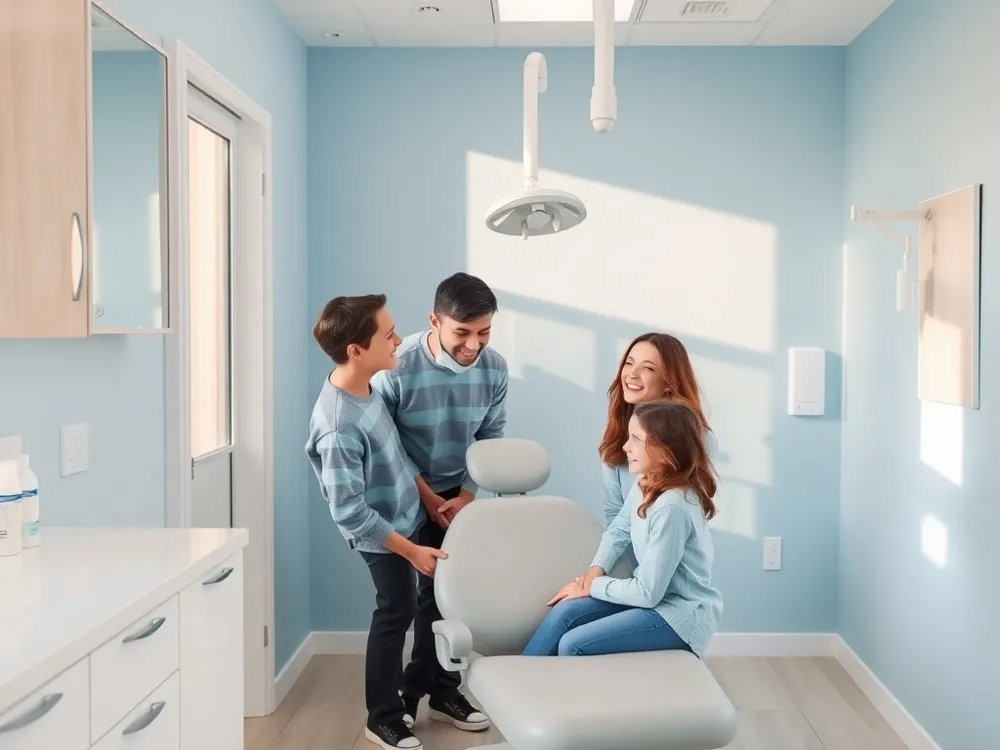
What are the key American Dental Association recommendations on flossing, toothpaste, and X‑rays?
The ADA’s core preventive message is daily flossing to disrupt plaque that brushing cannot reach. For toothpaste, look for the ADA Seal of Acceptance – a guarantee that the product contains fluoride (1,000–1,500 ppm for over‑the‑counter, 5,000 ppm for prescription) and meets safety and efficacy standards. Regarding X‑rays, the ADA recommends frequency be driven by individual risk. Low‑risk patients typically need them every 1–2 years, while those with a history of decay or periodontal disease may need them more often. All imaging follows the “as low as reasonably achievable” principle, delivering diagnostic benefit with minimal radiation.
How often does the American Dental Association (ADA) recommend dental exams and cleanings?
The ADA’s baseline recommendation is an exam and professional cleaning every six months for the average patient. However, the interval should be personalized. Low‑risk adults may stretch to an annual visit, whereas high‑risk groups – such as smokers, diabetics, or those with a history of disease – often benefit from visits every three to four months. Most dental insurance plans cover two preventive appointments per year, reinforcing the six‑month rhythm as a cost‑effective preventive habit.
What is the difference between routine and basic dental care?
Routine care is preventive – regular exams, cleanings, and diagnostic X‑rays designed to keep the mouth healthy and catch disease before it starts. Basic care is restorative – fillings, simple extractions, or root canals that treat damage already done. Insurance generally reimburses routine services at a higher percentage because they lower long‑term costs, while basic procedures often involve larger out‑of‑pocket shares. Both are essential: routine care blocks problems from becoming basic care, and basic care restores function when problems arise.
| Recommendation | Routine Care | Basic Care |
|---|---|---|
| Purpose | Preventive (exam, cleaning, X‑ray) | Restorative (filling, extraction) |
| Frequency | Every 6 months (variable by risk) | As needed after diagnosis |
| Insurance Coverage | Typically 80–100% | Typically 50–80% |
| Goal | Keep mouth healthy before problems | Treat damage after it occurs |
3. Money matters – what insurance really covers and how diabetics can find help
 Dental insurance typically splits costs into three tiers. Preventive care, including exams, cleanings, fluoride, and sealants, is often covered at 80–100% with no deductible. This means your annual check-up is usually a low or no-cost visit. Basic restorations like fillings are covered at 50–80%, while major work such as crowns, bridges, or implants falls to 30–50%.
What is covered under dental insurance, and does it apply to restorative care?
Most plans also impose a frequency limit, generally covering two preventive cleanings per year. However, if you have a history of gum disease or high decay risk, your dentist can often request additional visits, which your plan may cover with a medical necessity letter. The financial lesson is clear: catching a tiny cavity during a preventive exam keeps the claim in that high-coverage bracket, saving you hundreds compared to a later crown.
Can diabetics get help with dental treatment costs?
For patients managing diabetes, costs can be a barrier. While Medicare does not cover routine dental care, some Medicare Advantage plans do offer dental benefits. State Medicaid programs vary but may provide limited adult dental coverage. Federally Qualified Health Centers (FQHCs) offer sliding-scale fees based on income, making care accessible. Diabetics should contact their state health department or use the HRSA provider search to find local low-cost options. Always verify your specific insurance and ask the office staff at Best Choice Dental about payment plans or discount programs. A small investment in an annual exam is significantly cheaper than managing an advanced infection that can spike blood sugar levels.
4. Best Choice Dental’s toolkit – why a Totowa family practice feels like a dental home
What advanced technology does Best Choice Dental use to make cleanings pain‑free and effective? The Airflow Prophylaxis Master with Guided Biofilm Therapy (GBT) is a state‑of‑the‑art, pain‑free cleaning system. Over 96% of patients prefer it to traditional scaling. The GBT system includes specialized attachments for natural teeth and dental implants, providing safe and efficient periodontal care. Certified for four years, this technology removes plaque and tartar that daily brushing misses, reducing the risk of cavities and gum disease while leaving teeth feeling smooth and bright. The practice’s commitment to the latest diagnostic tools – digital X‑rays, intra‑oral cameras and 3‑D imaging – helps catch hidden decay, gum disease or jawbone loss early, allowing for less invasive treatment plans. Modern sensors deliver lower radiation exposure than traditional film X‑rays, making them safe for all ages. This technology, combined with a comprehensive oral exam, oral‑cancer screening, and evaluation of existing restorations, means every annual visit is both comfortable and thorough.
How does the practice personalize care for each family member? Personalized oral‑health coaching is at the heart of every visit. During the exam, the dentist reviews your home‑care routine, diet, and lifestyle habits, then offers tailored advice on brushing technique, flossing, fluoride use, and recommended oral‑hygiene products. Patients leave with a clear understanding of how to maintain a healthy smile between appointments. For children, the team takes time to teach good habits in a positive, patient‑centered environment, reducing dental anxiety and building lifelong oral‑health skills.
How does Best Choice Dental make annual visits easy and stress‑free? The practice offers flexible scheduling, including early mornings, evenings, and lunch‑hour slots, to fit busy family routines. For anxious patients, sedation options are available, ensuring a calm, comfortable experience. The warm, friendly atmosphere – reflected in a perfect 5‑star rating on Birdeye from 89 reviews – helps build a trusting dentist‑patient relationship. Reviews describe the staff as “amazing” and “attentive,” highlighting the personalized, judgment‑free care that makes patients feel at home. By serving all ages from toddlers to seniors, Best Choice Dental creates a dental home where continuity of care and preventive education join to keep your family’s smiles healthy for years to come.
| Technology / Service | What It Does | Why It Matters for Your Family |
|---|---|---|
| Airflow Prophylaxis Master (GBT) | Pain‑free, guided biofilm removal; specialized tips for teeth and implants | Over 96% patient preference, effective plaque/tartar removal, reduces cavity & gum‑disease risk |
| Digital X‑rays | Low‑radiation imaging for hidden decay, bone loss, abscesses | Safer for children & pregnant patients; enables early, less‑invasive treatment |
| Intra‑oral cameras & 3‑D imaging | High‑resolution visuals for detailed diagnosis | Reveals issues invisible to naked eye; supports precise treatment planning |
| Personalized oral‑health coaching | Tailored brushing, flossing, diet & product advice | Empowers each family member to maintain optimal home care |
| Family‑friendly scheduling | Early morning, evening & lunch‑hour appointments | Fits busy Totowa families, reducing missed visits |
| Sedation options | Nitrous oxide & calming techniques | Relieves dental anxiety for children & adults |
| Patient reviews | 5‑star rating (Birdeye, 89 reviews) | Reflects high trust, satisfaction & continuity of care |
5. Making the most of your yearly visit – a simple checklist for every family
Pre‑appointment prep (medication list, questions, diet notes)
A little preparation can turn a routine dental visit into a highly productive health check. Before you arrive, write down any concerns such as tooth sensitivity, bleeding gums, or cosmetic goals. Bring an up‑to‑date list of all medications and supplements, as these can affect oral health. Jot down any changes in your diet, particularly an increase in sugary snacks or acidic drinks, which the dentist can address in your personalized plan.
What to expect: cleaning, exam, X‑ray, oral‑cancer screen
A typical yearly visit follows a clear, efficient sequence:
- Professional cleaning: A hygienist uses advanced tools to remove plaque and hardened tartar, especially along the gum line, then polishes teeth to reduce surface stains.
- Comprehensive examination: The dentist checks each tooth for decay, assesses gum health by measuring pocket depths, and evaluates existing fillings, crowns, or implants.
- Digital X‑rays: Taken when needed, these low‑radiation images reveal hidden decay, bone loss, or other issues beneath the surface.
- Oral‑cancer screening: The dentist carefully examines your lips, tongue, throat, and soft tissues for any abnormal lesions or discolorations.
How the team translates findings into a personalized plan
After the exam, the dentist explains every finding in plain language and works with you to create a tailored care plan. This may include specific recommendations for at‑home brushing and flossing techniques, dietary adjustments, fluoride treatments, or sealants for vulnerable teeth. The goal is to address issues while they are still small and easy to treat.
Setting the next recall based on risk and insurance
Your next recall interval is not a one‑size‑fits-all date. The dentist considers your personal risk factors—such as history of gum disease, diabetes, smoking, or rapid tartar buildup—to recommend a return visit in three, six, or twelve months. This schedule aligns with what your dental insurance plan typically covers (most plans fully cover two preventive visits per year), helping you maximize benefits while staying on track.
| Preparation Step | What to Bring or Do | Why It Helps |
|---|---|---|
| Medication list | Names, doses, and any new prescriptions | Avoids drug interactions; highlights oral side effects |
| Questions | Write down concerns about sensitivity, pain, or cosmetics | Ensures all needs are addressed during the visit |
| Diet notes | Recent changes in sugar or acid intake | Helps identify decay risk factors |
| Insurance card | Check coverage for cleanings and X‑rays | Maximizes benefits and reduces out‑of‑pocket costs |
By following this simple checklist, your family can turn every yearly exam into a proactive step toward long‑term oral health.