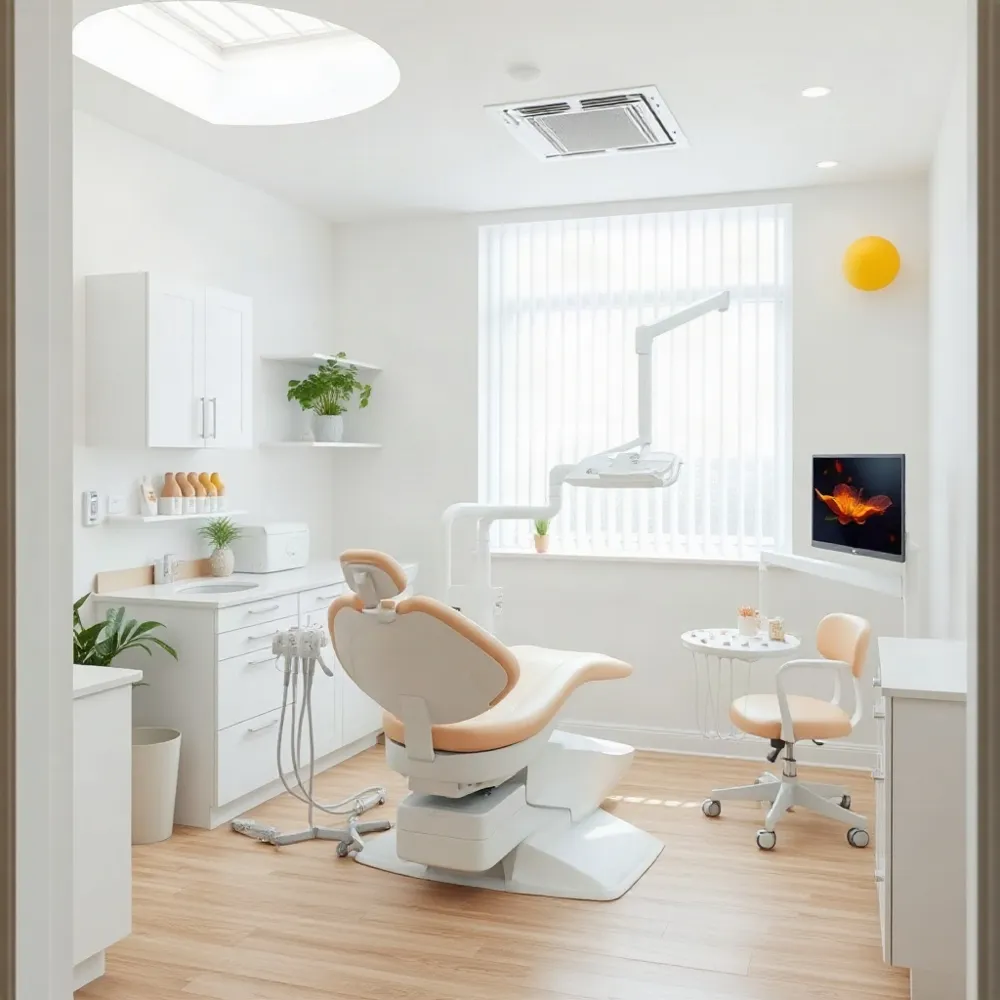
A Preventive Approach to Oral Wellness
Regular dental check‑ups are the cornerstone of a healthy smile. By visiting the dentist every six to twelve months, tiny cavities and early gum inflammation can be spotted before they become painful or costly. Professional cleanings remove plaque and tartar that brushing alone misses, while digital X‑rays give a clear view of hidden decay and bone loss. Early treatment of gingivitis prevents progression to periodontitis, a condition linked to heart disease, stroke and diabetes complications.
Oral health does not exist in isolation. Bacterial infection in the gums can enter the bloodstream, contributing to inflammation in the heart, blood vessels and the placenta during pregnancy. Studies show that people with gum disease have a higher risk of cardiovascular problems, poor glycemic control and respiratory infections. Regular visits therefore act as a health‑screening hub, allowing dentists to flag systemic concerns such as high blood pressure or diabetes‑related mouth changes.
Best Choice Dental in Totowa, NJ, offers preventive care. From pediatric sealants and fluoride varnish to adult orthodontic assessments, the practice uses gentle digital imaging, ultrasonic scaling and education to keep every patient comfortable and confident. Insurance coverage makes these services accessible for family.
Understanding Dental Insurance Coverage
Dental insurance is typically organized into three coverage tiers. Preventive services—routine exams, cleanings, diagnostic X‑rays, fluoride treatments, and sealants—are usually reimbursed at 100 % with little or no deductible, and they often do not count toward the annual maximum. Basic restorative care such as fillings, simple extractions, and periodontal cleanings is generally covered at 70‑80 % after any deductible is met. Major procedures like crowns, bridges, dentures, implants, and sometimes orthodontic treatment receive lower reimbursement (often 50‑60 %) and may be subject to waiting periods or annual limits.
What is covered under dental insurance? Insurance breaks coverage into the three tiers described above, with percentages varying by plan and in‑network status.
What is considered preventive care for dental insurance? It includes oral exams, diagnostic X‑rays, professional cleanings, fluoride applications, sealants on permanent molars, and preventive counseling on hygiene, nutrition, and tobacco cessation—all typically paid at 100 % and excluded from the yearly maximum.
Cleaning Frequency and Insurance Choices
How often should I schedule a dental cleaning? Most patients are advised to have a professional dental cleaning every six months, as this interval helps prevent plaque buildup, cavities, and gum disease. However, the ideal frequency can vary—people with good oral‑hygiene habits and no risk factors may be fine with an annual cleaning, while those with diabetes, heart disease, a history of decay, braces, dentures, or who smoke may need cleanings more often, sometimes every three to four months. Your dentist will evaluate factors such as your brushing and flossing routine, diet, fluoride exposure, and any existing dental issues to determine the best schedule for you. Regular cleanings also allow early detection of problems, oral cancer screening, and timely preventive care. At Best Choice Dental, we’ll create a personalized cleaning plan that keeps your smile healthy and fits your lifestyle.
What is the difference between comprehensive and preventive dental insurance? Comprehensive dental insurance includes coverage for preventive, basic and major services, so it pays for routine exams, cleanings, X‑rays as well as fillings, crowns, root canals and even dentures or implants. Preventive‑only plans limit coverage to the preventive category—typically exams, cleanings, fluoride treatments, sealants and X‑rays—often at 100 % of the cost. Because comprehensive plans also cover basic and major work, they usually provide a higher annual maximum but require higher premiums and cost‑sharing (e.g., 70‑80 % for basic, 50 % for major). Preventive plans are cheaper and focus on early‑stage care, helping you avoid the larger expenses that comprehensive plans would address later. Choosing between them depends on whether you want lower upfront costs and only routine care, or broader protection for more extensive dental procedures.
Daily Habits for a Healthy Mouth
Maintaining a bright, healthy smile starts with simple at‑home habits that complement the professional care you receive at Best Choice Dental in Totowa, NJ. Brush twice a day for two minutes using a soft‑bristle brush and fluoride toothpaste, employing gentle circular motions that reach the gum line and tongue. Floss or use interdental brushes daily to dislodge plaque that a toothbrush can’t reach, and finish with an antimicrobial or fluoride mouthwash for extra protection against decay and gum disease.
A balanced diet rich in calcium‑bearing foods (dairy, leafy greens) and vitamin D strengthens enamel, while limiting sugary and acidic snacks reduces the fuel for cavity‑causing bacteria. Stay well‑hydrated—water between meals helps wash away food particles and stimulates saliva, the mouth’s natural defender.
For natural adjuncts, consider a short oil‑pulling session with coconut oil or a sugar‑free chewing gum to boost saliva flow. Replace your toothbrush every three to four months and schedule a routine dental check‑up at least once a year.
During these visits, our team uses digital X‑rays, professional cleanings, and personalized oral‑hygiene counseling to catch problems early, keep your oral health on track, and support your overall well‑being.
Special Health Considerations
Regular dental check‑ups are a cornerstone of overall health, especially for patients with chronic conditions. For individuals with diabetes, high blood‑sugar levels increase the risk of gum inflammation and periodontitis, which can make blood‑sugar control harder. Our team uses digital X‑rays and periodontal probing to catch early signs of disease, and we provide personalized oral‑hygiene coaching, fluoride treatments, and sealant placement to protect vulnerable teeth. Pregnant patients receive gentle, low‑radiation examinations and professional cleanings that reduce the likelihood of gum disease, which is linked to premature birth and low‑birth‑weight infants. Research shows that oral infections can contribute to systemic illnesses such as heart disease, stroke, and respiratory infections; by removing plaque and tartar and screening for oral cancers, we help keep the bacterial load that could otherwise enter the bloodstream low. A thorough routine exam also includes an oral‑cancer screen that can reveal early signs of lymphoma—painless swelling, ulcerations, or enlarged lymph nodes are evaluated and, when needed, patients are promptly referred for biopsy. Do diabetics qualify for free dental treatment? Diabetics are not automatically entitled to free dental care in the United States; coverage depends on individual insurance, Medicaid eligibility, or employer‑provided benefits. In the UK, the NHS may offer free care to low‑income diabetics with a medical exemption certificate, but eligibility must be confirmed via the NHS checker. Can a routine dental check‑up detect lymphoma? Yes. A diligent exam can uncover oral lesions, swelling, or painless enlarged lymph nodes that suggest lymphoma, allowing early referral and treatment. Our practice combines advanced imaging, a comfortable environment, and individualized care to address these special health considerations for patients of all ages.
Fluoride, Sealants, and Pain Management
Fluoride is a cornerstone of preventive dentistry. By strengthening enamel and promoting remineralization, it makes teeth far more resistant to the acid attacks that cause cavities. Professional fluoride varnish or gel applied during a routine cleaning provides an extra boost of protection, especially useful for high‑risk patients and children whose enamel is still developing. Sealants work hand‑in‑hand with fluoride to shield vulnerable chewing surfaces. Thin, durable plastic coatings are applied to the pits and fissures of permanent molars, preventing up to 80 % of cavities in kids and teens. Our office uses state‑of‑the‑art digital imaging to pinpoint exactly where sealants are needed, ensuring a precise, painless application that fits comfortably into a busy family schedule. After any procedure—whether a simple filling, deep cleaning, or orthodontic adjustment—we prioritize effective pain control. In addition to the 3‑3‑3 rule (three 200 mg ibuprofen tablets every three hours for up to three days), we offer customized post‑procedure plans that may include prescription analgesics, targeted laser therapy, or soothing oral rinses. This comprehensive approach—fluoride, sealants, and compassionate pain management—reflects our commitment to personalized, comfortable care that keeps smiles healthy and patients feeling their best.
Why Regular Check‑Ups Matter
Regular dental check‑ups are the cornerstone of a healthy smile and a healthy body. By seeing a dentist at least twice a year, cavities, gum disease and oral cancer can be spotted when they are smallest and easiest to treat. Early detection means less invasive care, lower costs, and a higher chance that insurance will cover the visit at 100 %.
Oral health is tightly linked to systemic health. Inflammation from untreated gum disease can enter the bloodstream and increase the risk of heart disease, stroke, diabetes complications and even adverse pregnancy outcomes. A routine exam that includes a professional cleaning, digital X‑rays, and an oral cancer screening protects not only your teeth but also your overall well‑being.
Beyond health, a clean, healthy mouth boosts confidence and quality of life. You can eat, speak, and smile without pain or self‑consciousness, and you know your family’s oral health is in caring hands.
Answering common questions:
- Why are regular dental check‑ups important? They catch problems early, prevent costly procedures, reduce systemic disease risk, and keep your smile bright and confident.
- What is the 3‑3‑3 rule in dentistry? It is a post‑procedure pain‑management guideline recommending three 200 mg ibuprofen tablets every three hours, for a maximum of three days, to control inflammation and discomfort.
Your Path to Lifelong Oral Health
Maintaining a healthy smile for a lifetime starts with a commitment: schedule a dental check‑up at least twice a year. Bi‑annual visits give clinicians the chance to spot cavities, gum inflammation, early oral‑cancer signs, or bite problems before they become painful or costly. Because many insurance plans cover preventive cleanings and exams at 100 % cost, patients can take full advantage of these essential services without worrying about out‑of‑pocket expenses. At Best Choice Dental in Totowa, NJ, we make that benefit easy to use – our front‑office team verifies coverage before you arrive, and we accept most major dental plans, Medicaid, and flexible‑spending accounts.
Choosing a family‑oriented practice means every member—from toddlers to grandparents—receives comfortable care in a welcoming environment. Our office features digital X‑rays that deliver detailed images with minimal radiation, ultrasonic scalers that remove tartar, and fluoride or sealant applications that protect teeth at every stage of life. Whether you need a routine cleaning, orthodontic screening, or guidance on managing dry mouth during pregnancy, our clinicians tailor each visit to your health needs. By partnering with Best Choice Dental, you create an oral‑health roadmap that supports wellness and reduces treatment costs.