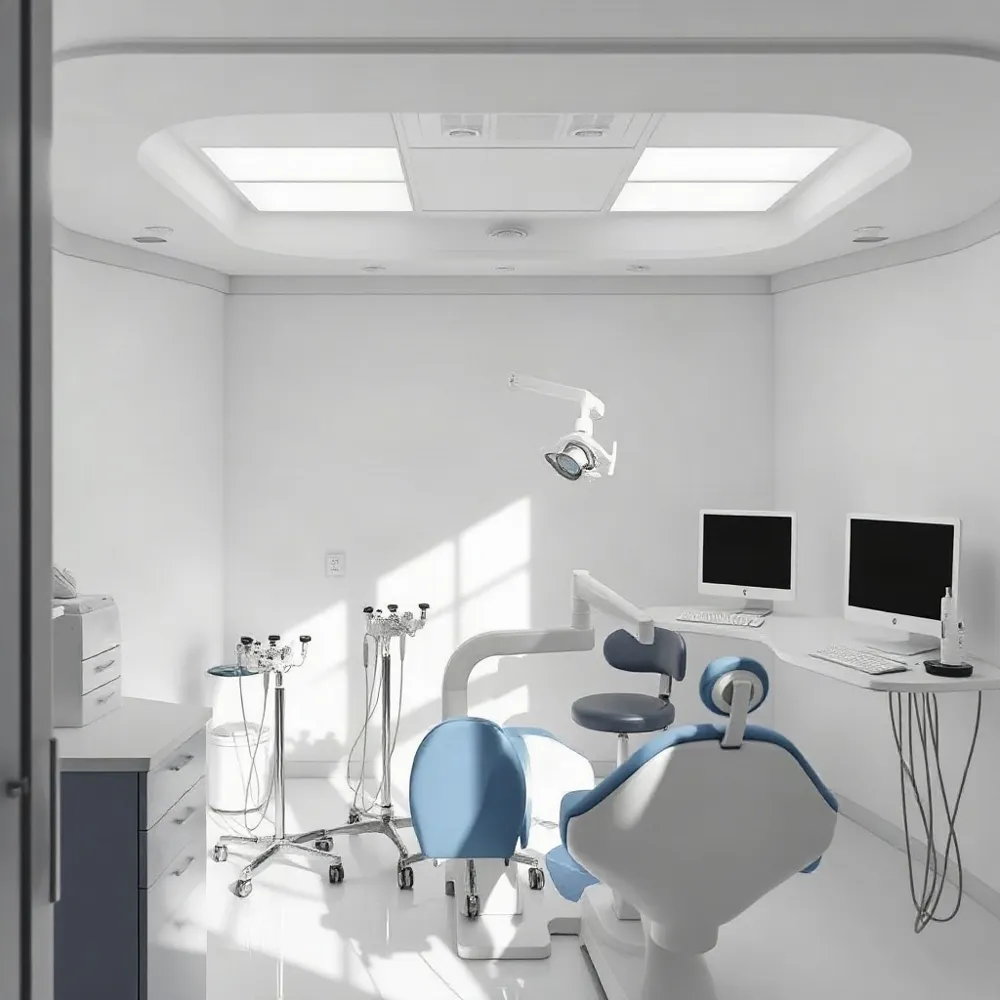
Understanding the Vital Role of Routine Dental Check-Ups
The Importance of Regular Dental Visits
Regular dental visits are essential for maintaining healthy teeth and gums throughout life. They help detect problems early, even before symptoms appear. Early identification of issues like cavities, gum disease, and oral cancer means treatment can be more effective and less invasive.
Early Detection of Dental Issues
During routine check-ups, dentists use advanced tools such as digital X-rays and thorough oral exams to spot hidden problems like decay or impacted teeth. This early detection can prevent the progression of serious dental diseases and reduce the need for complex procedures like extractions or root canals.
Overall Family Health Benefits
Routine dental care supports the health of the whole family. For children, regular visits monitor growth and development, identify orthodontic needs, and promote lifelong good habits. Adults benefit from prevention and management of conditions linked to systemic health, such as heart disease and diabetes. Dental practices in Totowa offer family-friendly environments with personalized care, making visits comfortable and convenient for all ages. This comprehensive approach fosters not just oral health, but overall wellbeing and confidence.
Early Detection and Prevention: Safeguarding Your Family’s Oral Health
Why are regular dental check-ups important for early detection of oral health issues?
Importance of routine dental visits are vital because they allow dentists to spot early signs of cavities, gum disease, and oral cancer before these problems worsen. Dentists conduct thorough visual examinations and use advanced diagnostic tools such as Dental X-rays to detect hidden issues like decay between teeth or impacted teeth that are not visible to the naked eye. Early identification enables prompt treatment, preventing progression to more severe conditions and costly procedures.
Professional cleanings and plaque removal
During check-ups, dental hygienists perform professional cleanings that remove plaque and tartar buildup. Plaque hardens into tartar, which can cause gum inflammation, cavities, and periodontal disease if left untreated. Professional dental cleanings benefits reduce these risks by keeping teeth and gums healthy, aiding in the prevention of decay and gum infections.
Use of X-rays for hidden issues
Dental X-rays are an essential part of preventive care. They provide dentists with detailed images of teeth, roots, and jawbone, revealing hidden decay, infections, or developmental problems early on. X-rays help tailor effective treatment plans and monitor growth in children, increasing the success of dental care.
Preventive care for all ages
Benefits of Preventive Dental Care — from toddlers through seniors. Early dental visits support cavity prevention and monitor growth and alignment in children. Adults benefit from regular cleanings and advice to maintain long-term oral health. For seniors, regular check-ups help manage challenges such as dry mouth or gum recession. Prevention lowers risks linked to poor oral health, including systemic conditions linked to oral health like heart disease and diabetes.
Family dental practices often provide a welcoming, familiar environment that encourages consistent care and personalized dental advice, fostering a lifetime of healthy smiles.
Comprehensive Family Dental Care: Convenience and Continuity
How do family dental practices benefit oral health maintenance for all ages?
Family dental practices create a comfortable, familiar setting where patients of all ages—from children to seniors—receive continuous, personalized dental advice. This continuity allows dentists to monitor the growth and development of younger patients closely, identifying early orthodontic needs and preventing future complications.
For adults and seniors, family dentists tailor treatments to manage unique oral health challenges such as gum disease, enamel erosion, dry mouth, and maintaining dental restorations. The long-term relationships built within family practices also provide reassurance to patients experiencing dental anxiety, making dental visits more manageable and encouraging importance of regular dental check-ups.
Modern technologies play a crucial role in enhancing care within family practices. Advanced Digital x-rays with reduced radiation and imaging reduce radiation exposure and increase diagnostic accuracy, while dental lasers support minimally invasive treatments. These technologies contribute to more comfortable, efficient, and effective dental visits for all family members.
By combining personalized attention, age-specific care, anxiety management, and state-of-the-art tools, family dental practices support lifelong oral health and foster positive dental experiences for the whole family.
Insurance Insights: Navigating Dental Coverage in New Jersey
Does NJ FamilyCare Cover Dental Services?
NJ FamilyCare provides extensive dental coverage for eligible New Jersey residents. This includes preventive services such as exams, cleanings, and fluoride treatments, as well as diagnostic X-rays. Restorative care like fillings, crowns, root canals, periodontal treatment, tooth extractions, and dentures are also covered. Emphasizing early intervention and preventive care, NJ FamilyCare also offers emergency dental services to address urgent needs promptly.
What Dental Services Does Medicaid Cover for Adults in New Jersey?
Medicaid in New Jersey ensures that eligible adults have access to comprehensive dental care. Covered services include routine dental evaluations, professional cleanings, diagnostic X-rays, fillings, crowns, root canal therapy, tooth extractions, periodontal treatments, and dentures. This broad range of services helps support oral health maintenance and treatment of dental conditions for those enrolled.
Does Medicare Cover Dental Care in New Jersey?
Traditional Medicare typically does not cover routine dental care such as cleanings, fillings, or crowns. However, some Medicare Advantage Plans may offer dental benefits, but these vary in scope and availability. It’s important for patients to review their specific plan details to understand covered dental services.
Affordable Care Options for Dental Coverage
Residents seeking dental care in New Jersey can explore a combination of NJ FamilyCare, Medicaid, and Medicare Advantage plans to find affordable coverage that fits their needs. Dental Arts of Totowa and nearby communities often accept these insurances and provide personalized dental advice. Patients are encouraged to verify insurance acceptance and coverage specifics when scheduling appointments to ensure comprehensive and cost-effective care.
Cost Considerations and the Value of Preventive Care
How much does a root canal cost without insurance in New Jersey?
A root canal treatment without insurance in New Jersey usually ranges from $700 to $1,500 per tooth. The price varies based on the complexity of the procedure and the specific location of the tooth.
Why are regular dental visits important to reduce costly treatments?
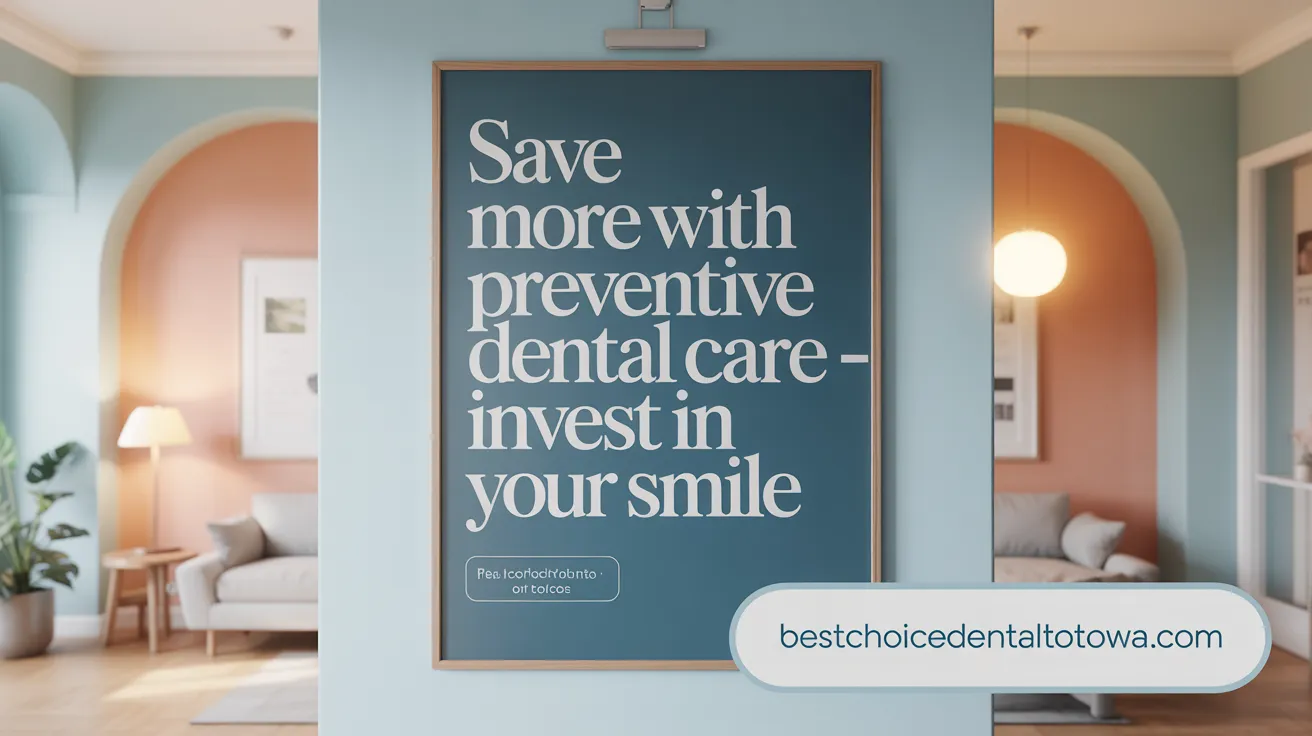
Frequent dental checkups and cleanings help detect issues like decay and gum disease early on. Early intervention can prevent these problems from progressing into conditions that require expensive treatments such as root canals, crowns, or extractions.
What are the financial benefits of preventive dental care?
Investing in regular preventive dental care not only maintains oral health but also saves money. Studies show that every dollar spent on preventive dental care services can save up to fifty dollars in future medical costs. Preventive dental care reduces the need for invasive procedures, lowers emergency dental visits, and promotes overall wellness, decreasing the risk of systemic conditions linked to oral health.
By maintaining routine dental appointments, patients avoid costly complications and enjoy better long-term oral and overall health.
The Connection Between Oral Health and Overall Well-Being

How Does Oral Health Affect Overall Health?
Oral health plays a critical role in overall well-being. The mouth is a primary entry point for nutrients and oxygen, but it also harbors bacteria that can influence other parts of the body. Research indicates that Impact of Oral Bacteria on Serious Health Conditions.
What Systemic Conditions Are Linked to Oral Diseases?
Periodontal disease, a common oral condition, is closely associated with systemic illnesses. For example, people with diabetes face a higher risk of gum disease, which in turn can worsen blood sugar control, creating a challenging cycle. Moreover, inflammation from oral infections has been linked to cardiovascular problems. Studies show that nearly half of adults have risk factors like smoking and poor diet that overlap between periodontal disease and heart disease (Periodontal disease and systemic health).
Why Are Regular Oral Hygiene and Check-Ups Important for General Health?
Maintaining consistent oral hygiene practices–such as daily brushing and flossing–and Regular dental visits are vital steps to prevent oral diseases. Routine dental appointments enable early detection of conditions like cavities, gum infections, and oral cancer, facilitating timely treatment. Preventive dental care can save medical costs, with studies showing that for every dollar spent on dental care, up to fifty dollars may be saved in medical expenses related to systemic diseases.
What Are the Psychological and Social Benefits of Good Oral Health?
Beyond physical health, good oral hygiene enhances confidence and social interactions by preventing unsightly dental problems such as decay or tooth loss. Healthy teeth and gums help maintain clear speech and an attractive smile, supporting emotional well-being and self-esteem. Regular dental care fosters a sense of security and comfort, enhancing quality of life across all age groups.
Commit to Regular Dental Visits for Lifelong Family Health
Embrace the Benefits of Regular Dental Checkups
Routine dental visits help detect cavities, gum disease, and oral cancer early, preventing complex treatments later. Professional cleanings remove harmful plaque and tartar, protecting your smile and overall health.
Establish Your Family’s Dental Home
Starting dental visits from an early age builds a trusting relationship with your dentist. This consistent care creates a comfortable environment where personalized treatment supports each family member’s unique needs.
Prioritize Preventive Care and Early Intervention
Preventive visits, including exams, digital X-rays, and cleanings, enable early detection of oral health issues. Timely treatment preserves teeth, reduces costs, and boosts confidence.
Access Convenient, Family-Oriented Care
Choose dental practices that offer comprehensive services for all ages, flexible scheduling, and a welcoming atmosphere. Accessible family dental care encourages consistent appointments, promoting lifelong oral wellness for everyone.