The Search for the Perfect Family Dentist Begins Here
Choosing the right family dentist is a crucial decision that impacts the oral health and comfort of every member of your household. A true family practice offers comprehensive care for all ages, from toddlers to seniors, under one roof. Asking the right questions helps you find a practice that meets your family's clinical, emotional, financial, and scheduling needs. This article provides 10 essential questions to guide you in selecting the perfect family dentist in Totowa, New Jersey.
What is the full scope of services offered?
A family dentist should be a one-stop solution for your family’s oral care. Ask if the practice provides comprehensive services, from routine check-ups and cleanings to more complex procedures like orthodontics, dental implants, cosmetic treatments, and emergency care. Look for a practice that can handle everything from a child’s first filling to a parent’s Invisalign or a grandparent’s implant-supported denture. The convenience of having all services in one place saves time and ensures continuity of care for every family member. Many Totowa practices offer this broad range, allowing you to build a long-term relationship with a single, trusted dental team.
Are the hours and location convenient for your family?
Consider the practical aspects of fitting dental visits into a busy schedule. Ask about the practice’s office hours to see if they include early morning, evening, or weekend appointments. Check the location is close to your home, work, or your children’s school, and that parking is easy and free. A practice with flexible hours and a convenient location helps reduce the stress of scheduling and makes it easier for everyone to keep their appointments. Many family dentists in the Totowa area offer extended hours and are located on major routes with ample parking.
How does the practice handle financials and insurance?
Understanding the cost of care before you commit is essential. Ask if the practice accepts your dental insurance plan and if they will file claims for you. Inquire about the fees for common procedures like exams, cleanings, and x-rays, and ask if they offer payment plans or financing options, such as CareCredit, for treatments not fully covered by insurance. Some practices also offer in-house membership plans for patients without insurance, providing discounts on routine care. Transparency about billing and payment helps you plan for your family’s dental health without unexpected financial stress.
What is the dentist’s experience and philosophy of care?
Research the dentist’s qualifications, including their education, years in practice, and any advanced certifications or memberships in professional organizations like the American Dental Association. It’s also important to understand their philosophy of care. Do they emphasize preventive dentistry, patient education, and building long-term relationships? A dentist who takes the time to explain procedures, answer questions, and involve you in treatment decisions is more likely to partner with you in maintaining your family’s oral health. Look for a practice that treats each patient as an individual, creating personalized treatment plans.
How does the practice manage dental anxiety for adults and children?
Dental anxiety is common, especially in children. Ask how the practice helps nervous patients feel comfortable. Options may include a calm, welcoming environment, gentle and empathetic staff, or the availability of sedation dentistry like nitrous oxide. A practice skilled in working with children will have a kid-friendly approach, using simple language and a playful tone to ease fears. A dentist who understands anxiety and takes steps to reduce it helps ensure every family member builds a positive, lifelong relationship with dental care. Positive early experiences can shape children’s attitudes for life.
When you visit a potential practice, also observe if the staff is friendly and if the office is clean and modern. Ultimately, you should feel confident, respected, and at ease, knowing your family’s dental health is in caring, capable hands.
Key Facts: How to Choose a Family Dentist in Totowa
- A true family dentist treats patients of all ages from toddlers to seniors under one roof.
- Comprehensive care includes preventive, restorative, and cosmetic services such as sealants, crowns, and Invisalign for every life stage.
- Convenience is key: look for a practice offering same-day booking for multiple family members and flexible hours (evenings and weekends).
- Modern technology like digital X-rays and intraoral cameras makes visits quicker, safer, and less intimidating for patients.
- Verify insurance acceptance directly with the office and ask about payment plans or in-house membership discounts for uninsured care.
- A root canal without insurance in New Jersey costs $700-$1,600, with molars being most expensive; a crown adds $1,000-$2,500 extra.
- The 3-3-3 dental rule recommends brushing three times daily, for three minutes each, and replacing your toothbrush every three months.
- The 80/20 rule in dentistry means 80% of revenue comes from 20% of loyal patients, emphasizing the value of a long-term, trust-based relationship.
- To check a dentist's background, verify their license via the state dental board and read recent patient reviews for consistent themes about care.
- Schedule an in-person consultation to assess the office atmosphere, staff friendliness, and personal fit for your entire family.
1. What Does Comprehensive Family Dentistry Really Mean?
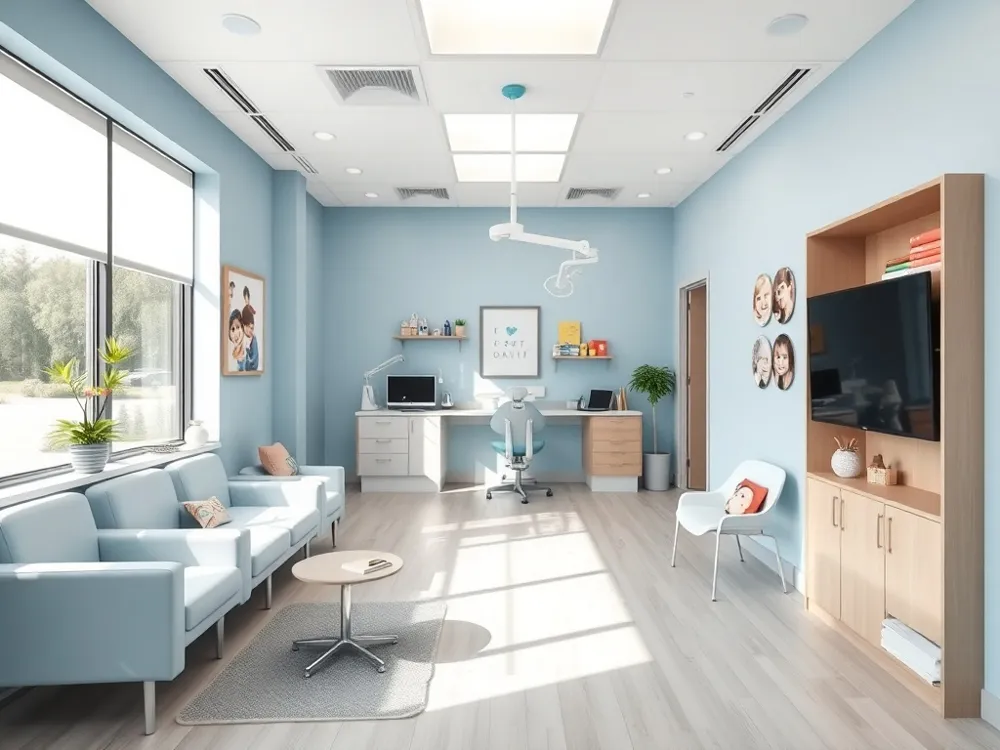
Ask if the practice treats patients of all ages—from young children with baby teeth to seniors needing complex restorative work.
Family dentistry is about more than just cleaning teeth. It means finding a dental home that can serve every member of your household, from a toddler experiencing their first check-up to a grandparent managing dentures or implants. A true family practice is equipped and trained to handle the broad spectrum of oral health needs that arise across a lifetime.
When evaluating a practice, a critical first question is whether the dentist is comfortable and experienced with patients of all ages. For young children, this means a gentle, patient approach that can turn a potentially scary first visit into a positive one. Pediatric dentists have advanced training, but many family dentists also specialize in caring for children, creating a friendly, fun atmosphere and using child-friendly language to prevent lifelong dental fears. For older adults, the practice should be able to manage more complex restorative work, periodontal disease, and the effects of aging on oral health. A dentist who sees the whole family can monitor and anticipate dental issues as they grow and change, intervening early to preserve health and self-esteem.
A true family dentist, like those at Best Choice Dental, offers preventive, restorative, and cosmetic services for every life stage.
Comprehensive care means having access to a wide range of services under one roof. A family dentist should provide more than just the basics. Preventive care, including regular cleanings, exams, fluoride treatments, and sealants, is the foundation. This is coupled with restorative treatments like fillings, crowns, and bridges to repair damage, and cosmetic options like teeth whitening and veneers to enhance your smile.
A practice that is truly family-oriented will have services tailored to each life stage. For children, this includes monitoring growth and development, offering early orthodontic evaluations, and providing guidance on habits like thumb-sucking. For teens and adults, services might include Invisalign or traditional braces, professional whitening, and treatment for issues like TMJ disorder. For seniors, the focus shifts to maintaining existing teeth, managing gum disease, and offering tooth replacement options like dental implants or implant-supported dentures. This comprehensive approach ensures that your family’s dental journey is seamless, with one trusted team guiding your care through every decade.
Look for a practice that can handle routine cleanings, pediatric care, orthodontics, and adult treatments all in one location.
One of the greatest conveniences a family dentist offers is the ability to handle a wide variety of treatments on-site. This eliminates the need to travel to different offices for different family members or for different types of care. Imagine scheduling your cleaning, your teen’s orthodontic adjustment, and your child’s first filling all in one day, at one location.
Consider the specific services that are important for your family. Do they offer pediatric dentistry, including sealants and stainless steel crowns for primary teeth? Do they provide orthodontic solutions like Invisalign or braces for older children and adults? Can they handle restorative needs like crowns, bridges, and root canals? A practice that offers general, restorative, and cosmetic dentistry under one roof simplifies your life, builds a deeper relationship with your dental team, and ensures that treatment is coordinated and consistent.
This ensures continuity of care and reduces the need for multiple referrals to different specialists.
While some advanced procedures, such as complex oral surgery or the surgical phase of dental implants, may require a specialist, a good family dentist can handle the vast majority of your family's needs. When you build a relationship with one primary dental practice, your records, history, and treatment plans are all connected. The dentist understands your family’s unique dental history—what conditions are common, what treatments have worked in the past, and what future risks might be present.
This continuity of care is invaluable. It builds trust and allows the dentist to take a proactive, preventive approach rather than a reactive one. By reducing the number of referrals to outside specialists, you save time and money, and your family receives more streamlined, coordinated care. A family-oriented practice serves as the central hub for all your oral health needs, making your dental visits more efficient and less stressful. This commitment to providing a one-stop solution is what defines comprehensive family dentistry. By choosing a practice that can grow with your family, you are investing in a long-term relationship focused on lifelong oral health and beautiful smiles. For busy families in Totowa and Passaic County, choosing a practice that offers this full spectrum of care is not just a convenience—it’s the foundation for a lifetime of healthy smiles. You should feel confident that your family’s dental home is prepared for every stage of life. From the first baby tooth to the final permanent restoration, a true family dentist is a partner in your family’s wellness. This blend of convenience, comprehensive care, and compassionate expertise is the hallmark of a practice that is committed to your family’s oral health journey for years to come. Remember to look for a team that treats you with respect, listens to your concerns, and makes you feel like part of their dental family.
2. What Should I Look for in a Family Dentist?
Choosing a family dentist is an important decision that impacts every member of your household. The right practice offers more than just cleanings; it provides a long-term dental home for everyone, from toddlers to grandparents. Focusing on key areas like experience, convenience, technology, and financial fit will help you find a practice that meets your family's unique needs and ensures consistent, high-quality care for years to come.
Look for experience treating children and adults, and check if the practice offers everything from pediatric sealants to adult crowns.
The hallmark of a true family dentist is the ability to care for patients at every stage of life. This means the practice should be equally comfortable providing a child's first dental exam, a teenager's Invisalign treatment, and an adult's crown or bridge. A dentist with extensive experience in pediatric care understands how to create a calm, positive environment for young children, using child-friendly language and techniques to alleviate fear. Crucially, a comprehensive family practice offers a wide range of services under one roof. This might include pediatric sealants and fluoride treatments for children, restorative care like fillings and crowns for adults, and cosmetic procedures like teeth whitening. Having these services in-house reduces the need for referrals to multiple specialists, making care more convenient, consistent, and coordinated for your entire family.
Consider convenience: can you book appointments for multiple family members at the same time?
For busy families, convenience is a critical factor. One of the greatest advantages of a family-oriented practice is the ability to schedule appointments for multiple family members on the same day or at the same time. This approach minimizes time away from school and work, reduces the number of trips to the dentist, and makes it easier to maintain regular check-ups for everyone. Beyond scheduling, a convenient practice offers flexible hours that accommodate school and work commitments, such as early morning, evening, or weekend appointments. The location itself matters greatly; a practice close to your home, your child's school, or your workplace removes a significant logistical barrier. These practical aspects of care ensure that regular visits fit seamlessly into your family’s routine, promoting lifelong oral health habits.
Ask about advanced technology like digital X-rays and intraoral cameras, which make visits quicker and less intimidating.
Modern dental technology is a key indicator of a practice’s commitment to quality, safety, and patient comfort. Digital X-rays, for example, produce high-resolution images with significantly less radiation exposure compared to traditional film X-rays. Intraoral cameras allow both the dentist and the patient to see enlarged, clear images of teeth and gums on a monitor, which is especially helpful for explaining diagnoses and building understanding. For children or anxious patients, technologies like digital scanners (iTero or CEREC) eliminate the need for messy, uncomfortable dental impressions. Laser dentistry offers a quieter, less invasive alternative for certain procedures. When evaluating a practice, asking about these technologies gives you insight into how the dentist stays current with advancements that make care faster, safer, and less intimidating for nervous patients of all ages.
Verify the practice is accepting new patients and offers payment options or accepts your insurance.
Before making a final decision, it’s essential to confirm a few practical details. First, always verify that the practice is currently accepting new patients, especially for the specific age groups in your family. Next, clarify which dental insurance plans the practice accepts and whether they are in-network with your provider. Understanding this upfront helps you maximize your benefits and avoid unexpected costs. For treatments not covered by insurance or for families without dental benefits, a good practice will offer flexible payment options. This may include in-house membership plans, payment plans like CareCredit, or discounts for multiple family members. A practice that is transparent about its billing and offers financial solutions demonstrates a commitment to accessible care, removing the stress of cost and allowing you to focus on your family's health.
When choosing a family dentist, factors like experience with all ages, convenient scheduling, modern technology, and clear financial policies are essential. A practice that excels in these areas provides a foundation for a trustworthy, long-term relationship and makes maintaining your family's oral health a positive and stress-free experience. Start your search for a family dentist in Totowa, NJ, by considering these key criteria to find a practice that feels like a true partner in your family's wellness journey.
| Factor | What to Look For | Why It Matters |
|---|---|---|
| Comprehensive Care | Services for all ages (sealants to crowns), pediatric and adult treatments in one office. | Reduces referrals, ensures consistent care, and saves time. |
| Convenience | Same-day booking for multiple family members, flexible hours, close location. | Makes scheduling easier and helps maintain regular visits. |
| Technology | Digital X-rays, intraoral cameras, digital scanners, laser dentistry. | Provides safer, faster, and more accurate care with less discomfort. |
| Financial Fit | Accepts your insurance, offers payment plans or in-house membership, transparent about costs. | Makes care affordable and prevents billing surprises. |
3. How Can I Find a Family Dentist Near Totowa, New Jersey?
 Finding the right family dentist is a foundational step in your family's healthcare journey. The search should begin with a clear goal: finding a practice that offers modern, comprehensive, and comfortable care for every member of your household. The good news is that in Totowa, New Jersey, and the surrounding Passaic County area, you have access to many skilled professionals dedicated to family dentistry.
Start with an Online Search or Insurance Directory
A practical first step is a targeted online search for a "family dentist Totowa, NJ." This will quickly generate a list of local practices. To narrow your options by cost, visit your dental insurance provider's website. Most carriers, including Delta Dental, offer a network directory to easily identify in-network providers in your area. This will help you minimize out-of-pocket expenses from the start.
Consider a Well-Reviewed Local Practice
After you have a list of potential dentists, examine their online presence. Look for practices that explicitly state they are family-oriented and serve patients of all ages. A practice like Best Choice Dental at 418 Union Blvd is an excellent example of what to seek, as it positions itself as a family-centered office that provides comprehensive modern care for both adults and children. Such a practice can be a true "dental home" for your family, simplifying scheduling and ensuring continuity of care.
Check Patient Reviews for Real Insights
Online reviews on platforms like Google or Yelp offer an honest preview of a patient experience. As you browse reviews for different dentists in Totowa, pay attention to recurring themes rather than just star ratings. Look for consistent praise regarding the staff's friendliness, the cleanliness of the modern office, and how the team treats patients with anxiety or special needs. Positive feedback about child-friendly atmospheres and gentle hygienists is particularly valuable for a family practice.
Verify Convenient Location and Hours
A family dentist's location and office hours are practical factors that significantly influence long-term consistency. A practice that is close to your home, school, or workplace and offers flexible scheduling is easier to maintain. Many Totowa practices, recognizing the needs of busy families, offer extended evening and weekend hours. For example, some offer appointments as early as 9 AM or as late as 7 PM, and Saturday appointments are common. Before you commit, confirm that the office hours align with your family's schedule.
The Power of a Personal Visit
Before making a final decision, schedule a consultation or a brief office tour. This allows you to sense the atmosphere firsthand. Observe if the office is clean and organized, if the team is welcoming and communicates clearly, and if you feel respected and heard. The goal is to build a long-term, trust-based partnership with a dentist who will care for your family's smiles for years to come.
4. What Key Questions Should You Ask When Choosing a Family Dentist?
4. What Key Questions Should You Ask When Choosing a Family Dentist?
Choosing the right family dentist is a significant decision that impacts every member of your household for years to come. To help you make an informed choice, here are key questions to guide your search.
Ask about the dentist's experience with all age groups and whether they provide comprehensive services.
A true family dentist should be comfortable and skilled treating patients from their first tooth through their senior years. Inquire if they provide a full range of services under one roof, including routine cleanings, fillings, root canals, crowns, and orthodontic options like Invisalign or braces. This convenience saves you time and reduces the need for referrals to multiple specialists.
Confirm insurance acceptance and inquire about payment plans or financing options.
Financial transparency is crucial for long-term care. Ask if the practice accepts your dental insurance plan and how they handle out-of-pocket costs. For procedures not fully covered, check if they offer flexible payment plans or financing options such as CareCredit. Many family-friendly practices also provide in-house membership plans or discounts for uninsured patients, making care more accessible.
Check office hours, emergency policies, and scheduling ease.
Busy families need a dentist that fits their schedule. Look for practices offering early morning, evening, or weekend hours. Ask if they provide online booking, same-day appointment options, and a clear policy for dental emergencies. Knowing you can reach a responsive team after hours offers peace of mind, especially when urgent care arises.
Review patient testimonials and ask about technology used to assess care quality.
Real feedback from other patients reveals the overall experience. Look for consistent praise for a friendly, caring staff and a comfortable environment. Equally important is the technology used. Ask about digital X-rays (which use significantly less radiation), intraoral cameras for precise diagnosis, and laser dentistry for gentler treatment. Advanced tools often mean faster, safer, and more accurate care.
By asking these targeted questions, you can confidently select a family dentist who meets your clinical, emotional, and financial needs, ensuring a positive experience for every family member.
| Question Category | What to Ask | Why It Matters |
|---|---|---|
| Experience & Services | Do you treat children, teens, adults, and seniors? Do you offer cleanings, root canals, and orthodontics in-house? | Ensures the whole family can be treated in one location with consistent care. |
| Insurance & Payment | Do you accept my dental plan? What are your payment plans for uncovered procedures? | Helps avoid surprise costs and makes dental care budget-friendly. |
| Scheduling & Emergencies | What are your office hours? How do you handle after-hours emergencies? | Aligns with your family's schedule and provides peace of mind in urgent situations. |
| Reputation & Technology | What do patient reviews say about your care? What technologies like digital X-rays or lasers do you use? | Provides insight into the quality of care and comfort you can expect. |
5. How Can I Check a Dentist’s Background?
Online review platforms like Google, Yelp, and Healthgrades offer a different, but equally important, perspective. While an official board check confirms legality, patient reviews reveal the real-world experience. Look for consistent themes about the dentist's chairside manner, the staff's friendliness, the cleanliness of the office, and how the practice handles common concerns like wait times or dental anxiety. Recent reviews are more valuable than older ones, as they reflect the practice's current state.
Advanced credentials can be a strong indicator of a dentist's commitment to staying at the forefront of their field. Look for designations like Fellow of the Academy of General Dentistry (FAGD) or Member of the American Dental Association (ADA). These affiliations often require ongoing education and adherence to high ethical standards. You can also search for specific training in areas like sedation dentistry, Invisalign, or implantology, which shows a dedication to offering specialized and modern care.
You can contact the dental board directly if you need more detailed information or if something you find online is unclear. Their staff can guide you on how to interpret official records. Similarly, you can call the practice and ask to speak with the office manager, who can often provide a clear overview of a dentist’s education, years of experience, and approach to treatment.
For a quick reference, here is a simple checklist of what to look for when researching a dentist's background:
| What to Check | Where to Verify | Why It Matters |
|---|---|---|
| License & Discipline | State Dental Board (e.g., NJ Division of Consumer Affairs) | Confirms legal right to practice and professional history. |
| Education & Credentials | State Dental Board, Practice Website, ADA Directory | Indicates depth of training and ongoing learning. |
| Patient Experience | Google Reviews, Yelp, Healthgrades | Reveals bedside manner, office atmosphere, and common issues. |
| Affiliations | ADA, Academy of General Dentistry (AGD) | Signals a commitment to high ethical and professional standards. |
| Advanced Training | Practice Website, Direct Query | Shows expertise in areas like orthodontics, implants, or sedation. |
Combining an official background check with real patient feedback gives you a complete picture. This thorough approach helps ensure you choose a dentist who is not only highly qualified but also a good match for your family’s needs and personality.
6. How Do I Find a Dentist That Accepts My Insurance?
Start by Calling the Dental Office Directly
The most direct way to confirm if a dentist accepts your insurance is to pick up the phone and call the dental office. Ask to speak with the office manager or the staff member who handles billing and insurance. They can tell you exactly which plans they participate in and whether they are currently accepting new patients with your specific plan. This step can save you time and prevent unexpected out-of-pocket costs down the line.
Many family-oriented practices in Totowa, such as Best Choice Dental, work with a wide range of insurance networks, including PPO plans. However, it is always best to verify directly with the office before scheduling an appointment. For example, Best Choice Dental participates in major networks like Delta Dental PPO and Delta Dental Premier, which can help you maximize your benefits. Other practices in the area, like NÜVA Smile, also work with insurance to help you get the most out of your coverage. A quick call to confirm participation can help you avoid billing surprises and ensure your plan is accepted.
Use Your Insurance Provider's Online Directory
Your insurance company offers a convenient and reliable resource: its online directory of in-network providers. For instance, if you have Delta Dental, you can use their “Dentist Finder” tool to locate in-network dentists in Totowa and nearby communities like Clifton, Wayne, or Woodland Park. These directories are regularly updated and allow you to filter by location, specialty, and whether a practice is accepting new patients.
When using these tools, keep in mind that not all directories are perfect. A dentist listed as in-network may not be accepting new patients, or the information may be slightly outdated. For this reason, experts recommend confirming a dentist’s network status directly with the office after finding them through the directory. Verifying this detail helps you avoid the frustration of believing a preferred dentist is in-network, only to find out otherwise at your first visit.
If You Have Medicaid, Use Specialized Tools
If you or a family member are covered by Medicaid or the Children's Health Insurance Program (CHIP), finding a dental provider that accepts these plans can sometimes be more challenging. Many family dental practices, however, do accept Medicaid and offer care for children and adults. In Totowa, for example, some practices like Best Choice Dental are known to accept multiple insurance types, including government-sponsored plans.
To find a dentist that accepts Medicaid in your area, you can use online resources such as Insure Kids Now (insurekidsnow.gov) or your state’s Medicaid provider lookup tool. These tools are designed specifically for families with government-sponsored coverage. After finding a potential practice through these resources, it is still essential to call the dental office directly to ensure they are currently accepting new patients with your specific Medicaid or CHIP plan. This extra step can save time and provide peace of mind.
Always Verify Current Acceptance of New Patients
Insurance networks and provider panels can change frequently. A dentist who accepted your plan last year may no longer be in-network, or they might have reached their capacity for new patients. This makes it crucial to always ask, “Are you currently accepting new patients with my specific insurance plan?” when you call. Some dentists, like Jeffrey Ruggiero at Premier Care Dentistry in Totowa, may not be taking new patients, so confirming this from the start helps you avoid disappointment.
Verifying a practice’s current acceptance status is a simple but vital step in your research. It ensures you can build a long-term relationship with a dentist who is a good fit for your entire family, without worrying about unexpected changes in your coverage or the practice’s availability.
A Quick Reference for Verifying Insurance Coverage
The following table summarizes the key steps to take when verifying insurance coverage with a potential family dentist. Using these methods together can help you make an informed decision and avoid costly surprises.
| Method | How It Works | Key Action |
|---|---|---|
| Call the Dental Office | Speak directly with billing staff to confirm plan acceptance and new patient status. | Ask specific questions about your plan, including deductibles and co-pays. |
| Use Insurance Directory | Access your provider’s online “Find a Dentist” tool to locate in-network options. | Filter by location and specialty, then call the office to verify details. |
| Use Medicaid/CHIP Tools | Visit sites like Insure Kids Now or your state’s Medicaid portal for provider lists. | Confirm the practice is accepting new patients with your specific plan. |
| Check Online Reviews | Read patient feedback for mentions of insurance processing and billing transparency. | Look for themes of smooth billing, clear estimates, and helpful financial staff. |
7. How Much Does a Root Canal Cost Without Insurance in New Jersey?
How Much Does a Root Canal Cost Without Insurance in New Jersey?
Without dental insurance in New Jersey, the total cost for a root canal can range from $700 to $1,600 for most procedures. This price is not a one-size-fits-all fee; it depends heavily on which tooth needs treatment. Here is a typical breakdown based on tooth type:
- Front Tooth (Incisor/Cuspid): $700 – $1,100. These teeth have a single root, making the procedure simpler and less time-consuming.
- Premolar (Bicuspid): $800 – $1,300. These teeth have one or two roots, placing them in the middle of the cost range.
- Molar: $1,000 – $1,600. Molars are the most expensive to treat because they often have three or more roots and a more complex anatomy. The back teeth (molars) are also the ones that most commonly require a final crown for protection after the procedure.
What's Included in the Estimate and What's Not
When you receive an estimate from a dental office, it is vital to know exactly what it covers. A standard root canal cost estimate usually includes the following components:
| Included in Estimate | Not Typically Included in Estimate |
|---|---|
| The root canal procedure itself | Final crown or permanent restoration (especially for molars) |
| Diagnostic X-rays (to assess the tooth) | Initial consultation or exam fee (if separate) |
| Local anesthesia | Any necessary sedatives (e.g., nitrous oxide) |
| Post-operative care | Follow-up appointments |
A very important point to remember is that a root canal removes the infected pulp from inside the tooth, but it leaves the outer structure weakened. For back teeth (premolars and molars), a dental crown is almost always necessary to protect the tooth from fracture and restore its full function. Crowns can add an additional $1,000 to $2,500 to the total cost, depending on the material (e.g., porcelain, ceramic, or metal alloy).
General Dentist vs. Specialist: Understanding the Price Difference
The professional performing the root canal also affects the cost. A general dentist can perform root canals on front teeth and less complex cases. However, for more difficult cases, especially molars or teeth with unusual anatomy, you might be referred to an endodontist—a specialist who focuses on root canal treatment. An endodontist may charge 20% to 30% more than a general dentist for the same procedure due to their advanced training and specialized equipment.
Your Action Plan: How to Get an Accurate Quote
To avoid financial surprises, it is always best to speak directly with the dental office. Here are practical steps you can take:
- Request a detailed, itemized quote. Ask for a breakdown of all fees, including the procedure, X-rays, anesthesia, and any other potential charges.
- Inquire about the need for a crown. Ask specifically if your tooth will require a crown and get a separate, written estimate for that cost.
- Ask about payment plans. Many dental practices, including family-oriented ones, offer in-house payment plans or work with third-party financing companies (like CareCredit) to help spread out the cost.
- Ask about an in-house membership plan. Some practices offer a yearly membership that provides discounts on many procedures, including root canals and crowns, for a set annual fee.
It is important to remember that while cost is a significant factor, delaying a needed root canal can lead to a more serious infection, abscess, or even tooth loss, which can be far more expensive and complex to treat in the long run. A reputable dental practice will be transparent about costs and committed to helping you find a solution that protects both your oral health and your budget.
8. What Is the 3-3-3 Dental Rule for Brushing?
Establishing a strong at-home oral hygiene routine is just as important as choosing the right family dentist. While professional cleanings and exams handle the deep cleaning and early detection of issues, what you do between visits makes a significant difference in your family's long-term oral health. One simple but highly effective guideline is the 3-3-3 dental rule.
What Does the 3-3-3 Rule Mean?
The 3-3-3 dental rule is an easy-to-remember mnemonic for maintaining optimal oral hygiene at home. It stands for:
- Brush three times a day.
- Brush for three minutes each time.
- Replace your toothbrush every three months.
This consistent routine helps disrupt the formation of plaque and bacteria throughout the day, reducing the risk of cavities and gum disease.
Why Three Times a Day?
Many people brush only in the morning and at night, but a midday brushing session offers significant benefits. Following the 3-3-3 rule means brushing after breakfast, after lunch, and before bed.
- Morning: Brushing after breakfast removes plaque and bacteria that accumulated overnight and starts your day with a clean mouth.
- Midday: Brushing after lunch dislodges food particles and neutralizes acids produced by the bacteria in your mouth from the day’s meals. This reduces the window of time your teeth are exposed to harmful byproducts.
- Evening: Brushing right before bed is crucial because it clears away all the debris from the day and reduces bacterial activity while you sleep, a time when saliva production naturally slows down.
By brushing after each main meal, you are actively disrupting the bacterial growth cycle before it has a chance to cause significant damage.
The Right Technique for a Full Three Minutes
Spending a full three minutes on brushing is more effective than a quick 60-second pass. To make the most of that time, a structured approach can help ensure thorough cleaning.
- Divide and Conquer: Mentally divide your mouth into four quadrants: upper right, upper left, lower right, and lower left. Spend about 45 seconds on each quadrant.
- Gentle and Precise: Use a soft-bristled toothbrush to avoid damaging your gums and enamel. Hold the brush at a 45-degree angle to your gumline. This angle allows the bristles to reach the area where your teeth meet your gums, a common spot for plaque buildup.
- Focus on All Surfaces: Gently clean the outer, inner, and chewing surfaces of each tooth. Don’t forget the back of your last molars and the inside surfaces of your front teeth, which are often neglected.
When to Replace Your Toothbrush
The third part of the rule is just as vital as the first two. A worn-out toothbrush is far less effective at removing plaque. You should replace your toothbrush every three months, or even sooner if:
- The bristles start to fray or bend.
- You have recently been sick with a cold, flu, or any contagious illness, to prevent reintroducing germs to your mouth.
A fresh toothbrush with straight, firm bristles is essential for maintaining the quality of your brushing sessions and getting the full benefit of the 3-3-3 rule.
Integrating the 3-3-3 Rule into Your Family’s Routine
The 3-3-3 rule is a fantastic tool for families. For children, it turns brushing into a simple, goal-oriented task. Parents can use a timer to ensure the full three minutes, making it a fun challenge. When combined with flossing once a day and regular visits to your Totowa family dentist, this approach provides a robust defense against dental problems for every member of the family.
| Element | Recommendation | Benefit |
|---|---|---|
| Frequency | Brush 3 times a day | Disrupts bacterial growth after meals |
| Duration | Brush for 3 minutes per session | Ensures thorough cleaning of all tooth surfaces |
| Technique | 45° angle to gumline, gentle pressure | Cleans the plaque-prone area where teeth meet gums |
| Brush Replacement | Every 3 months or sooner if bristles fray | Maintains effective plaque removal and hygiene |
| Supporting Habits | Floss daily, visit dentist twice a year | Complements brushing for comprehensive oral health |
9. What Is the 80/20 Rule in Dentistry?
Understanding the 80/20 Rule in Dental Practice
The 80/20 rule, also known as the Pareto Principle, is a concept that applies to many industries, including dentistry. In a dental practice, this principle suggests that approximately 80% of the practice’s revenue comes from just 20% of its patients. These are the individuals who consistently choose higher-value treatments, such as cosmetic procedures, restorative work, or implant placements, rather than only routine cleanings and exams.
Understanding this principle is important for patients because it highlights the true value of patient retention and treatment acceptance. A practice that retains a loyal patient base over many years is one that has likely earned that trust. When a family chooses a dentist and continues to return for care, it creates a stable foundation for the practice. This, in turn, allows the dentist to invest in advanced technology, training, and a comfortable office environment that benefits all patients.
Why the 80/20 Rule Matters for Your Family
When you are evaluating a potential family dentist, the concept behind the 80/20 rule can guide your questions about their overall philosophy. A practice that understands this principle will naturally focus on building long-term relationships and patient loyalty. They recognize that their most valuable patients are those who trust them with their oral health year after year, including for the more complex treatments that may become necessary over a lifetime.
This knowledge can help you identify a dentist who is genuinely invested in your family’s long-term well-being. You should look for a practice that prioritizes comprehensive, preventive care as the foundation of its services. A dentist who emphasizes regular check-ups, cleanings, and early detection of issues is not just protecting your health; they are also building the kind of trust that leads to that loyal, long-term patient relationship.
How to Spot a Practice Focused on Long-Term Relationships
To find a dentist who embodies the spirit of the 80/20 rule, look for signs of a patient-focused culture. Ask specific questions during your search. For instance, inquire about the practice’s cancellation or no-show policy. A practice with a fair and clear policy shows respect for both their time and yours. Also, ask how they handle dental emergencies for existing patients. A practice that offers same-day or after-hours support for established families demonstrates a commitment to being there when it matters most.
Consider visiting the practice in person. Does the staff greet you warmly and address you by name? Do they take the time to explain procedures and answer your questions without making you feel rushed? A welcoming atmosphere where your concerns are heard is a strong indicator that the practice values your relationship. Many family-oriented offices in Totowa, like Distinctive Dentistry with their cozy amenities of warm blankets and refreshments, or Parisi Dental with their compassionate team, are designed to make patients feel like part of a family rather than just a number.
The Role of Comprehensive Preventive Care
A practice focused on building long-term trust will make preventive care its cornerstone. They understand that the best way to create a loyal patient is to help them avoid major dental problems in the first place. When choosing a family dentist, ask about their approach to preventive care. Do they offer regular cleanings, exams, fluoride treatments, sealants for children, and oral cancer screenings? Do they provide personalized hygiene instruction and dietary advice? A strong emphasis on prevention not only keeps your family’s smiles healthy but also reinforces the kind of relationship that encourages you to return for years to come.
A practice that operates with a long-term vision views every visit as an investment in a continuing partnership. They are less interested in a single transaction and more focused on your family’s lifelong oral health journey. This approach is the very essence of what makes a family dentist truly valuable. By prioritizing trust and comprehensive care, a practice earns the loyalty that the 80/20 rule describes—loyalty that benefits both the patient’s health and the practice’s stability.
Choosing a Dentist Who Values Your Trust
Ultimately, the 80/20 rule serves as a helpful lens for understanding what separates an average practice from an exceptional one. It underscores the importance of choosing a dentist who is committed to a long-term relationship. When you find a family dentist who listens, educates, and provides consistent, high-quality care, you are more likely to become one of those loyal patients. This kind of partnership leads to better oral health outcomes and a more positive experience for your entire family for years to come.
| Aspect | What to Look For | Why It Matters |
|---|---|---|
| Practice Philosophy | Emphasis on long-term relationships and patient loyalty | Indicates the practice values you as a long-term partner, not just a single visit |
| Preventive Care Focus | Regular cleanings, exams, sealants, fluoride, oral cancer screenings | Builds trust and helps avoid costly, invasive procedures later |
| Patient Experience | Welcoming staff, clear communication, no rushed appointments | Creates comfort and a positive atmosphere for all family members, especially children |
| Treatment Acceptance | Dentist who explains options and respects your pace | Encourages you to consider necessary and beneficial treatments without pressure |
10. How Important Are Reviews and Personal Fit?
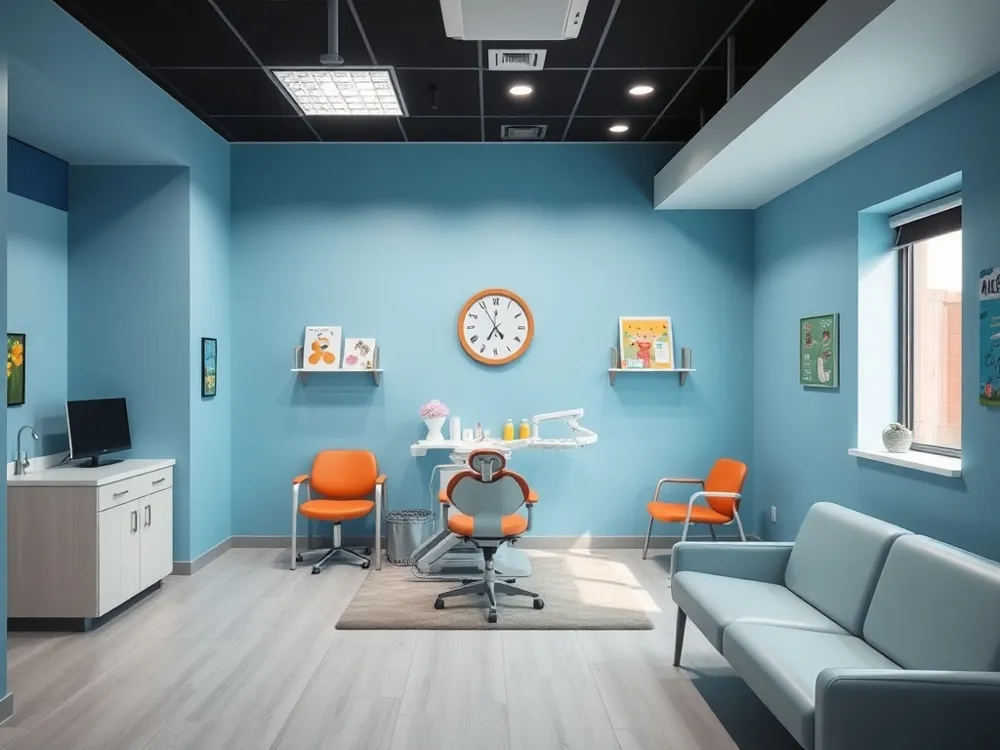 The right family dentist is a healthcare partner you trust with your loved ones’ well-being. The best path to finding that trust involves a mix of third-party validation and personal feeling. This section shows how to use online reviews, personal recommendations, and in-person visits to find a practice that feels like home. choosing a family dentist with comprehensive care options, Choosing a family dentist in Totowa, Parisi Dental in Totowa, New Jersey
How do I find a family dentist near Totowa, New Jersey? Start by reading patient reviews online.
Online reviews on platforms like Google, Yelp, and Healthgrades provide a window into what you can expect. Look beyond the star rating; read what patients say about the practice’s atmosphere, staff friendliness, and the quality of care. Consistent praise for a welcoming, clean, and modern office or a gentle, caring team tells you the practice values patient experience. Pay attention to any repeated themes in lower ratings to understand potential issues. For a family-oriented practice like Best Choice Dental in Totowa, seeing comments about caring staff and a family-friendly environment is a strong positive signal. Dentist near me in Totowa New Jersey, trusted dentist in Totowa, NJ, Totowa, NJ dentist, Distinctive Dentistry in Totowa, NJ, Perfect Smiles dentistry in Totowa, NJ, family dentistry at 224 Union Boulevard, Dr. Diana Galvis, DDS, PC in Totowa
Beyond online searches, the most reliable recommendations often come from your personal network. Ask friends, family, neighbors, or coworkers in Totowa or the surrounding Passaic County area for their recommendations. A strong, trusted recommendation from someone you respect is invaluable, as it comes with a deep understanding of the practice's everyday care. Your current or previous healthcare providers, like your family doctor or pharmacist, can also offer trusted suggestions. Best dentists near me in Totowa, New Jersey, MouthHealthy’s guide to selecting a dentist, questions to ask when choosing a family dentist, Choosing a family dentist who treats patients at every stage of life, things to consider when choosing a family dentist, how to choose the best family dentist, questions to ask when picking a family dentist
Schedule a consultation or office tour to feel the atmosphere.
An online profile or a recommendation can’t replace the feeling of walking through the door. The next step is to schedule a simple consultation or tour. This is your chance to experience the environment first-hand and see if it matches your family’s needs. Note the office’s cleanliness, the equipment’s modernity, and the overall atmosphere. See if the space is inviting for the whole family, including children. A practice that welcomes curiosity is likely committed to transparent care. new patient questions for choosing a dentist, questions to ask when choosing a family dentist, Choosing a family dentist who treats patients at every stage of life
During your visit, pay attention to the human interactions. The best sign of a practice’s culture is how the staff treats you and other patients. Notice if they greet you warmly, listen to your concerns, and respect your time. You want a team that makes you feel heard and valued, not rushed. A dentist and hygienist who explain treatments and answer your questions in plain language show a commitment to patient education and partnership. Evening and weekend dentists in Totowa, ADA tips for choosing a dentist, Choosing a family dentist who treats patients at every stage of life, things to consider when choosing a family dentist, how to choose the best family dentist, questions to ask when picking a family dentist
Pay attention to whether the staff listens and makes you comfortable.
Looking for a family dentist is about building a long-term relationship. The ideal practice offers modern technology and comprehensive services, but the foundation is a team that makes you feel respected, comfortable, and at ease. A strong sense of personal fit is what turns a simple appointment into a partnership for your family’s lifelong oral health. At a practice like Best Choice Dental, a warm, judgment-free environment and clear communication are prioritized to build a foundation of trust. Choosing a family dentist in Totowa, MouthHealthy’s guide to selecting a dentist, Choosing a family dentist who treats patients at every stage of life, things to consider when choosing a family dentist, how to choose the best family dentist, questions to ask when picking a family dentist
Finding the right fit for your family
A practice that is ideal for a single person might not be the best for a young family, and vice versa. The final check is to ask yourself: Did the staff address you and your children calmly? Could you see yourself returning every six months for a decade? Choosing a practice because the atmosphere makes you and your children feel relaxed is a wise investment in your family’s long-term comfort and health. A trusted partnership with a family-focused dentist is the cornerstone of a lifetime of confident, healthy smiles. Pediatric dentist in Totowa for children with disabilities, questions to ask when choosing a family dentist, Choosing a family dentist who treats patients at every stage of life, things to consider when choosing a family dentist, how to choose the best family dentist, questions to ask when picking a family dentist, choosing a family dentist with comprehensive care options
What Does Family Dentistry Mean?
Comprehensive Oral Healthcare for Every Stage of Life
Family dentistry means providing all-encompassing oral healthcare for every member of your household, from toddlers to seniors, within a single, trusted practice. Unlike a general dentist who may focus on adults, a family dentist is specifically trained and equipped to care for the unique dental needs that arise from infancy through late adulthood. This includes managing the eruption of baby teeth in young children, addressing the orthodontic needs of teenagers, handling restorative procedures for adults, and providing complex care for older patients. This holistic approach ensures your entire family receives consistent, high-quality care under one roof.
Understanding Unique Dental Changes
A skilled family dentist understands the significant dental changes that occur throughout a person's life. They are adept at caring for both primary (baby) teeth and permanent teeth, recognizing the crucial role early dental health plays in future development. For children, this might involve monitoring growth and development, providing preventive treatments like sealants, and educating on proper hygiene habits. For adults and seniors, the focus may shift to restorative care, managing gum disease, or addressing tooth wear. This comprehensive understanding allows for tailored treatment plans that evolve with each family member's changing needs.
Emphasis on Prevention and Education
The core philosophy of family dentistry revolves around prevention and patient education. The goal is to maintain optimal oral health and minimize the need for extensive, invasive procedures later in life. Routine services are the foundation of this preventive approach and typically include:
| Service | Purpose | Frequency |
|---|---|---|
| Comprehensive Exams | Detect early signs of decay, gum disease, oral cancer, and other issues. | Every 6 months |
| Professional Cleanings | Remove plaque, tartar, and surface stains to prevent cavities and gum disease. | Every 6 months |
| Dental Sealants | Protect the chewing surfaces of molars from decay. | For children and teens |
| Periodontal Therapy | Treat gum disease to prevent tooth loss and protect overall health. | As needed |
By prioritizing these services, a family dentist helps patients establish a strong foundation for lifelong oral health, focusing on education about diet, home care, and healthy habits for all ages.
The Benefits of Lifelong, Consistent Care
Choosing a family dentist offers a significant advantage: the ability to build a lasting, trusting relationship with one dental team. This consistency means the dentist becomes familiar with your family's medical history, dental anxieties, and personal goals, leading to more personalized and comfortable care. This familiar environment is particularly beneficial for children, helping them develop a positive association with dental visits and reducing anxiety. For busy families, it simplifies scheduling, as multiple family members can often be seen in a single visit. Ultimately, a family dentist acts as a lifelong partner in your family's oral health journey, providing a 'dental home' where everyone feels known, respected, and well-cared for.
Making the Right Choice for Your Family's Smile
Asking the Right Questions is the First Step to Finding a Trusted Dental Home for Your Family
Finding a dentist who can care for everyone—from a toddler's first checkup to a teen's braces and a parent's smile makeover—is about more than just booking an appointment. Asking the right questions is your first step toward discovering a dental home where your family will feel comfortable, respected, and cared for.
Start by learning about the dentist's background. Look for a professional committed to ongoing education, and ask about their experience with patients of all ages, including younger children. This builds confidence and ensures they are up-to-date with modern techniques.
Services Under One Roof Save Time and Effort
A practice that offers comprehensive care reduces the need for multiple referrals and keeps your family's treatment consistent. When you visit, ask for a full list of what they offer.
| Service Category | Examples | Why It Matters for Your Family |
|---|---|---|
| Routine Care | Cleanings, exams, fluoride, sealants | Establishes a strong preventive foundation for every age. |
| Restorative & Cosmetic | Fillings, crowns, bridges, veneers, whitening | Addresses decay or damage and enhances your smile in one familiar place. |
| Orthodontics & Implants | Invisalign, implant restorations, dentures | Covers bite correction and tooth replacement without outside referrals. |
| Specialized Treatments | TMJ therapy, Botox, dermal fillers | Accommodates complex needs like jaw pain or facial esthetics. |
Look for a practice with flexible hours, including evenings and Saturdays, and a location close to home, school, or work. This reduces logistical stress and makes it easier to keep regular appointments.
Modern Technology and a Gentle Approach
A practice equipped with advanced tools can provide faster, more accurate, and more comfortable care. During your visit, ask about the technology they use.
- Digital X-rays produce high-resolution images with significantly less radiation.
- Intraoral cameras and digital scanners (like iTero or CEREC) help you see what the dentist sees, making diagnoses easier to understand and avoiding messy impressions.
- Laser dentistry offers a gentle alternative for soft tissue procedures and cavity detection, often reducing anxiety and healing time.
These tools, when paired with a caring team, make a real difference for nervous patients and children.
Financial Clarity and a Welcoming Atmosphere
Transparent billing helps you plan for your family's care without surprises. Look for a practice that welcomes your insurance, offers cost estimates for procedures like a full exam or a filling, and provides flexible payment options such as CareCredit or in-house membership plans. This is especially important, as cost is a top reason families delay necessary care.
To evaluate the atmosphere, read online reviews on platforms like Google or Healthgrades. Pay attention to comments about staff friendliness, the cleanliness of the office, and how kids are treated. The brief version of this checklist covers the essentials:
| Priority | What to Ask | Why It Matters |
|---|---|---|
| Credentials & Experience | What is the dentist's education and training? | Ensures up-to-date, skilled care. |
| Range of Services | Do you offer care for both children and adults? | Eliminates referrals for common needs. |
| Technology & Comfort | What advanced tools do you use? | Leads to more accurate, gentle treatment. |
| Financial & Scheduling | Do you accept my insurance, and do you offer financing? | Reduces stress and helps you stay consistent. |
| Office Atmosphere | How do you handle dental anxiety in kids and adults? | Builds long-term trust and positive habits. |
Your Family's Healthy Smiles Are Worth the Investment
Whether you are new to Totowa or simply looking for a practice that better fits your family's needs, you deserve a dental team that treats you like more than just a number. The best family dentists offer modern technology with a gentle, personalized approach—adjusting care to each patient's comfort level.
Take the time to schedule a consultation, bring your concerns, and observe how the staff interacts with you and your children. A practice like Best Choice Dental combines advanced care with a family-centered focus, helping patients of all ages feel safe and valued.
Your family's healthy, confident smiles are an investment worth making. The right dentist will be a partner in that journey.