Considering Clear Aligners as an Adult
Adults considering a straighter smile may look into Invisalign, a system of clear, removable aligners designed to move teeth gradually. It may address alignment or bite concerns, but a dental professional must first assess whether aligners suit the individual case.
At Best Choice Dental, an evaluation can account for oral health, treatment goals, and any existing dental work. The practice provides comprehensive care for patients of all ages, which helps put orthodontic questions in the context of overall dental health.
There is no single timeline, price, or expected result that applies to every adult. These depend on factors such as the type and complexity of tooth movement, so a consultation is the right time to discuss a personalized plan and estimate.
Clear aligners also call for a daily routine: wear them as directed, remove them for meals and oral hygiene, and keep both teeth and trays clean. Follow-up visits let the dental team monitor progress, and retainers help maintain alignment after active treatment. Best Choice Dental’s common Invisalign questions cover everyday wear expectations.
Start With Oral Health and Suitability
 Clear aligners may help correct crowding, gaps, and some bite concerns, but they are not suitable for every orthodontic case. At Best Choice Dental, an evaluation can consider both alignment goals and overall oral health before discussing treatment options.
Healthy teeth and gums provide the foundation for orthodontic treatment. Active cavities, gum disease, or other untreated problems may need attention first, since aligners do not treat those conditions. A comprehensive dental exam can identify concerns and help determine whether care should begin with preventive or restorative treatment.
The nature and severity of the alignment issue also matter. Some severe bite problems, major jaw misalignment, or complex tooth movements may call for braces or another approach instead. An individual assessment helps compare suitable options rather than assuming clear aligners will address every concern. See how Invisalign compares with traditional braces for a closer look at those differences.
Age alone does not determine candidacy. During a consultation, the dental team can review oral health, existing dental work, treatment goals, and whether the daily aligner routine is realistic. That personalized discussion gives adults a chance to ask questions and understand their options before deciding whether to proceed.
Understand the Treatment Process
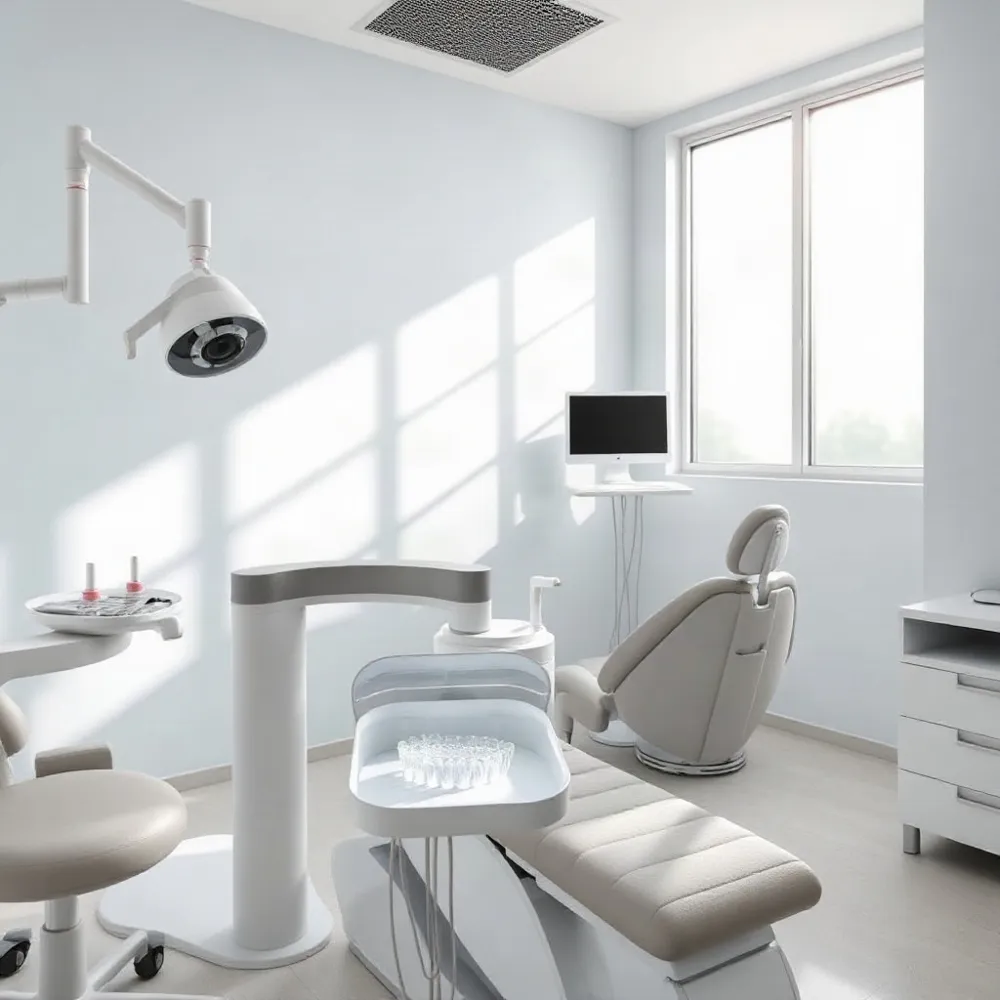 Treatment begins with a professional consultation, where your dentist reviews your teeth, bite, oral health, and goals. At Best Choice Dental, this personalized evaluation helps determine whether Invisalign is appropriate and gives you a chance to discuss what you hope to change. A smile makeover consultation also involves reviewing dental health and treatment goals, though your orthodontic assessment will focus on tooth movement and bite.
If aligners are suitable, digital scans or impressions can record the shape and position of your teeth. Your dental professional uses this information to create a customized plan showing how the aligners are expected to move your teeth. Ask what the proposed plan can achieve and how long treatment may take in your case. Best Choice Dental’s approach emphasizes individualized care, so questions about comfort, daily routines, and expected progress can be discussed before you begin.
You’ll receive a series of clear aligners and change sets according to your dentist’s instructions. Regular progress checks let the dental team assess how your teeth are responding and adjust the plan if needed. Wear and care instructions are specific to your treatment, so follow the guidance you receive rather than relying on a general schedule.
During the first week, aligners may feel snug and cause mild pressure or tenderness, especially when chewing. A temporary lisp or increased saliva can also occur as your mouth adjusts. These sensations often ease with time. Remove aligners for meals and drinks other than water, and brush and floss before putting them back in. Contact your dental team if you have sharp or persistent pain, or if a tray does not fit properly.
Compare Aligners With Braces
Clear aligners offer a discreet alternative to fixed braces, which use visible brackets and wires. At Best Choice Dental, a consultation can include a review of your teeth, bite, and goals to help you compare options based on your individual needs.
Because aligners can be removed for meals and for brushing and flossing, they make it easier to eat without braces-related food restrictions and maintain your usual cleaning routine. You must clean your teeth before putting them back in, keep the trays clean, and wear them consistently as directed. Removable trays can also be misplaced.
Some patients find aligners smoother because they do not have brackets or wires that may rub against the cheeks and gums, but comfort varies. Fixed braces remain in place, so they do not depend on remembering to reinsert them. They may also be preferred for certain complex tooth movements or bite concerns, although cleaning can take extra care.
The choice is not simply about appearance: daily habits, oral hygiene, and the type of correction needed all matter. A dental professional can discuss the trade-offs and help determine which approach fits your treatment needs and lifestyle.
For a closer look at the differences, see clear aligners compared with braces.
Plan for Daily Wear and Treatment Time
Aligner treatment depends on steady daily wear. Your dentist will give instructions for your plan, but adults are commonly advised to wear aligners for about 20 to 22 hours a day. Remove them for meals, drinks other than water, and brushing and flossing.
The “30-minute rule” is a practical reminder, not a universal clinical standard: try to put your aligners back in soon after eating or cleaning your teeth. Brush and floss before reinserting them when possible. If brushing is not practical, rinse your mouth and aligners with water, then ask your dentist how to manage your routine. After acidic foods or drinks, follow your dentist’s advice about when to brush.
Because aligners are removable, fitting them around meals and oral hygiene takes planning. At Best Choice Dental, a dental examination and personalized treatment discussion can help you assess whether this routine suits your daily life before treatment begins.
Wearing aligners for less time than prescribed may slow tooth movement or leave the next tray fitting poorly. Keep scheduled checkups so your dentist can monitor progress and advise you if a tray does not seem to fit or your routine becomes difficult.
Adult treatment is often estimated at about 12 to 18 months, but this is a broad guide, not a promise. Mild alignment concerns may take less time, while complex tooth movement or bite concerns may take longer. Braces timelines also vary, so a direct comparison is not useful without considering the individual case. A dental evaluation can help estimate the time and discuss whether aligners or another option fits your needs.
Review Costs and Shorter Treatment Options
The price of clear aligner treatment depends on the complexity of the tooth movements, the length of care, and the number of aligners required. Invisalign is often described as comparable in cost to braces, but the final fee varies by provider and by case. A consultation at Best Choice Dental can include an assessment of your needs and a personalized estimate before you decide whether to proceed.
Insurance may reduce your out-of-pocket cost if your plan includes orthodontic benefits, but coverage is not automatic. Plans can set age limits, waiting periods, network requirements, or lifetime maximums. Check your benefits with your insurer and ask the dental office to review the expected balance. Any estimate should be confirmed before treatment, since coverage and final fees can differ.
Some practices offer payment plans or financing to spread fees over time, though availability and terms vary. During a consultation, Best Choice Dental can discuss the treatment estimate and available payment arrangements, so you can consider costs alongside the proposed care.
Could Invisalign Express Be an Option?
Invisalign Express is a shorter course using fewer aligners for minor adjustments, such as small gaps, mild crowding, slight rotations, or shifting after previous orthodontic treatment. It may cost less than full treatment because it involves fewer aligners and a shorter course, but it is not suitable for every bite or alignment concern. A dental evaluation helps determine whether this option can meet your goals.
Before choosing Express, ask what the quoted fee includes, including progress checks, any additional aligners, and retainers. Best Choice Dental provides comprehensive dental care, so treatment planning can take your overall oral health and the need for a stable result into account. Your clinician can explain the recommended option and its costs before you commit.
Protect Results With Retainers
 Adults may seek treatment for crowded teeth, gaps, or certain bite concerns, but the changes possible depend on the individual case and plan. At Best Choice Dental, an individualized approach can help set realistic expectations and connect alignment goals with overall dental care.
Once active treatment ends, a retainer helps hold teeth in their new positions while the surrounding tissues adjust. Teeth can shift over time, so finishing the final aligner does not mean retention is over. Learn more about protecting alignment results.
Your dentist may recommend wearing a retainer more often at first, then switching to nighttime use. The schedule varies by patient, and long-term wear may be needed to help limit shifting. Follow your dentist’s instructions and bring the retainer to follow-up visits so its fit and condition can be checked.
Before treatment begins, ask how retainers are priced, how to clean and store them, and what to do if one is lost or no longer fits. Discuss replacement and follow-up care too, so you understand the ongoing commitment alongside your personalized treatment plan.
Make an Informed First Step
An exam and conversation with a dental professional can clarify whether clear aligners suit your teeth and oral health, what alternatives may fit, and what to expect for timing, cost, and retention. At Best Choice Dental, a family-oriented practice in Totowa, treatment discussions can draw on its comprehensive dental care and modern approach.
Before deciding, consider whether wearing aligners for most of each day and cleaning your teeth and trays regularly can fit your routine. A realistic plan, shaped around your needs and questions, can help you choose an option you are prepared to follow.