A Routine That Fits Family Life
Family oral care works best as a few repeatable habits, not a perfect schedule. Brushing twice a day with fluoride toothpaste and cleaning between teeth daily help remove plaque, which can contribute to cavities and gum disease. The National Institute of Dental and Craniofacial Research’s oral hygiene guidance also recommends gentle brushing along the gumline.
Caregivers can make these habits easier to learn by brushing and flossing alongside children. Young children may need hands-on help, while older children can take on more of the routine as their skills develop. At Best Choice Dental, a family-oriented practice in Totowa, patients of all ages can receive care and guidance suited to their needs.
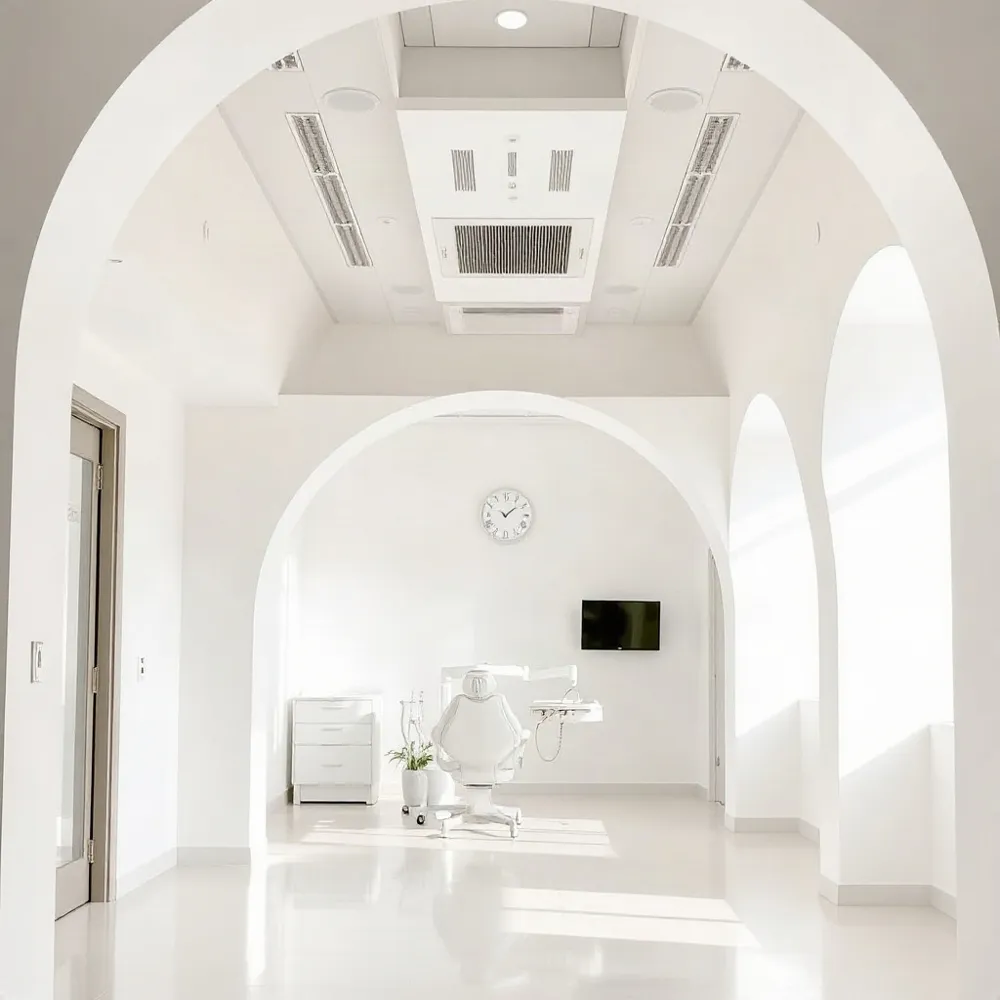
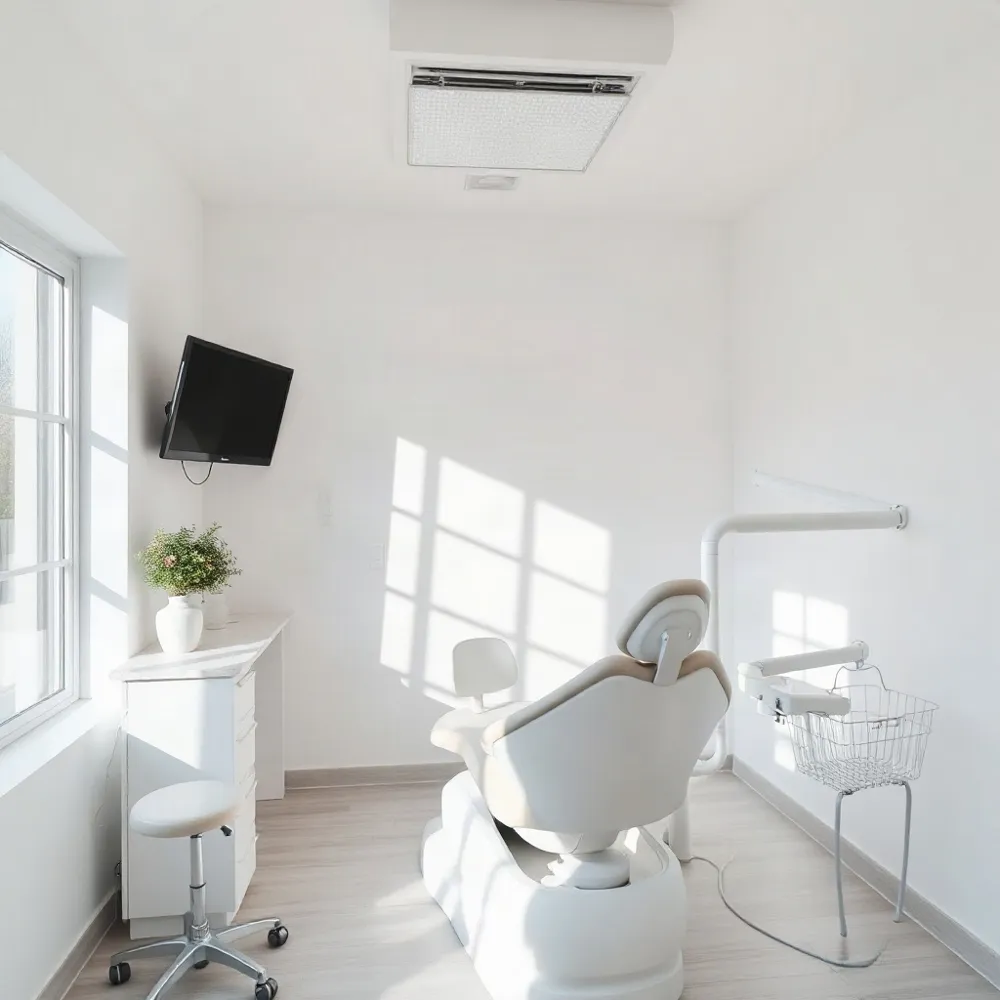
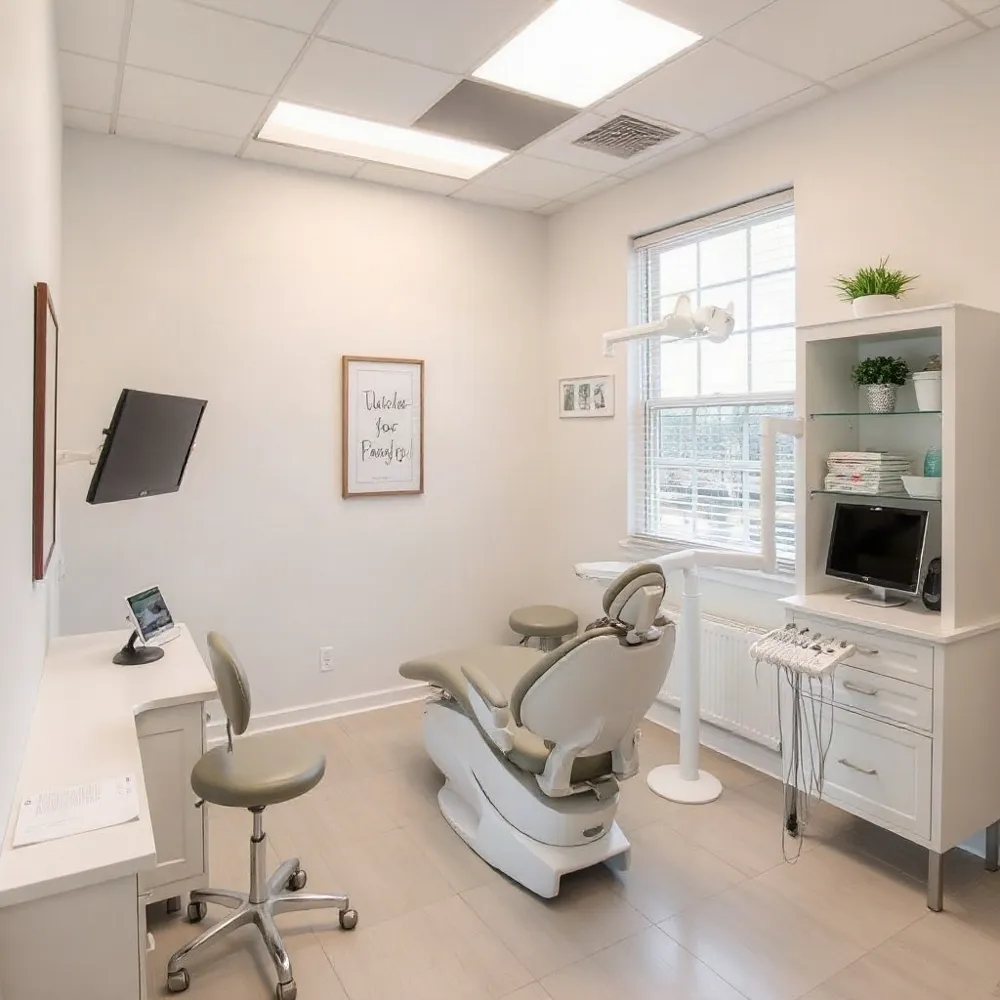
Regular dental visits complement home care. A dental professional can check technique, identify areas that need attention, and offer personalized recommendations. Best Choice Dental provides comprehensive dental care in a friendly setting, helping families build routines that fit different ages and oral-health needs.
The Essentials of Everyday Oral Care
Good oral hygiene is a daily process: brush twice a day for two minutes with fluoride toothpaste, clean between teeth once a day, and keep up with dental exams and cleanings. These habits help remove plaque, a sticky film of bacteria that can contribute to tooth decay and gum disease. The National Institute of Dental and Craniofacial Research’s oral hygiene guidance also explains that oral health supports everyday activities such as speaking, tasting, and chewing.
A practical routine is to clean between teeth first, using floss or another suitable tool, then brush gently along the gumline and over every tooth surface. Use small, gentle movements rather than scrubbing. This order can make it easier to clear away loosened debris, but it is not a strict rule: thorough, consistent care matters more than following a rigid sequence.
Finish by brushing the tongue or using a tongue cleaner if helpful. Mouthwash, floss holders, interdental brushes, and other tools may suit some people better than standard floss or a toothbrush alone. A dentist can recommend products based on your teeth, gums, dexterity, and health needs. At Best Choice Dental, a family-oriented practice in Totowa, patients of all ages can receive personalized guidance as part of comprehensive oral healthcare.
Home care removes much of the plaque that builds up each day, while professional cleanings address hardened tartar that brushing and flossing cannot remove. Dental exams also give the care team a chance to check for concerns and adjust recommendations. The CDC’s adult oral health guidance recommends brushing with fluoride toothpaste, cleaning between teeth, and visiting a dentist regularly.
Make Healthy Habits Work for Everyone
 Attach brushing and flossing to routines that already happen: after breakfast and before bed. When caregivers brush alongside children, they model the habit and can offer calm reminders. A timer, favorite song, simple chart, or praise can make the routine more engaging without turning it into a contest. Family habit ideas can help families find an approach that suits their household.
Young children need an adult to supervise brushing and help reach every surface until they can do it well on their own. Use a soft, child-sized toothbrush, and follow age-appropriate toothpaste advice. For children under two, the CDC advises asking a doctor or dentist before using fluoride toothpaste. As children grow, a dental professional can check their technique and suggest adjustments.
Food and drink choices are part of the routine, too. Limiting sugary snacks and drinks, offering water often, and choosing a balanced diet support oral health. Fluoridated tap water can also help protect teeth, as described in the National Institute of Dental and Craniofacial Research guidance. At Best Choice Dental, a family-oriented practice serving patients of all ages, caregivers can discuss habits and care suited to each family member.
How do the 2-2-2 and 3-3-3 dental rules differ, and which should you follow?
The 2-2-2 shorthand commonly means brushing twice a day for two minutes and seeing a dentist twice a year. Some versions use the final two for replacing a toothbrush every two months, so the phrase is not always used consistently. The 3-3-3 rule is not a standardized dental recommendation and can mean different things. Rather than relying on a slogan, brush twice daily with fluoride toothpaste, clean between teeth daily, and follow the visit schedule recommended for your oral health.
A routine should fit the people using it. Best Choice Dental provides comprehensive care for patients of all ages, making it a place where families can ask about children’s brushing skills and get personalized guidance as needs change. Regular dental visits can reinforce home habits, but visit frequency should reflect individual oral health rather than a one-size-fits-all rule.
Choose Tools and Know When to Seek Care
 A practical home-care kit starts with a soft-bristled toothbrush, fluoride toothpaste, and floss or another tool for cleaning between teeth. Brush gently along the gumline and across every tooth surface, twice daily. The National Institute of Dental and Craniofacial Research’s oral hygiene guidance also recommends cleaning between teeth daily and notes that plaque left behind can harden into tartar.
If string floss is difficult to manage, floss holders, interdental brushes, dental picks, and water flossers are options to discuss with a dental professional. A tongue cleaner can be added if helpful, and some people may benefit from a mouth rinse. At Best Choice Dental, a family-oriented practice in Totowa, patients of all ages can ask for personalized advice about choosing tools that fit their needs and routine.
What are common signs of poor oral health?
Persistent bad breath, red or swollen gums, bleeding during brushing or flossing, sensitivity, ongoing tooth pain, pain when chewing, or loose teeth are reasons to contact a dental team. These signs can have different causes, and gum problems may not hurt at first. An exam can help identify what is happening and guide appropriate care.
For periodontal disease, follow the dentist’s or hygienist’s instructions, use a suitable method to clean between teeth each day, and keep recommended follow-up visits. Contact the team if symptoms persist or worsen. The NIDCR explains that daily brushing and flossing can usually reverse plaque-related gingivitis, while tartar requires professional cleaning.
Why might teeth chip easily, and do teeth become more brittle with age?
The available guidance does not establish why a particular tooth chips or whether teeth automatically become more brittle with age. If you notice a chip, crack, new sensitivity, or pain, arrange a dental assessment rather than trying to diagnose the cause yourself. Best Choice Dental provides comprehensive care for patients of all ages, so families can discuss a new concern with a dental professional and receive recommendations suited to the individual.
Professional Care Completes the Routine
 Daily brushing and flossing help control plaque, but they cannot remove tartar once it forms. A dentist or hygienist can remove this hardened buildup during a professional cleaning and check for changes that may need attention. The National Institute of Dental and Craniofacial Research recommends routine check-ups and cleanings as part of maintaining healthy teeth and gums.
Make appointments a familiar part of family care, and bring questions about children’s brushing technique, flossing, or tools for cleaning between teeth. At Best Choice Dental, patients of all ages can receive comprehensive care and personalized recommendations in a family-oriented practice.
There is no single schedule that suits everyone. Dental teams can advise how often each family member should return based on oral health, medical factors, and individual needs.
Consistency Over Perfection
Family routines do not need to be flawless to be useful. A manageable pattern of brushing, cleaning between teeth, and choosing water often can support oral health, while caregivers’ example helps children see these habits as part of everyday life.
Needs differ with age, health, and dexterity, so a dental professional can help tailor home-care advice and preventive care. The National Institute of Dental and Craniofacial Research’s oral hygiene guidance explains that suitable tools and visit schedules may vary by individual risk. At Best Choice Dental, patients of all ages can receive personalized care in a friendly, comfortable setting.