Why Asthma Matters for Your Child’s Oral Health
Children with asthma face a higher risk of cavities because many inhaled medicines dry out the mouth and lower saliva flow. Saliva is the mouth’s natural cleanser and buffer; when it’s reduced, plaque builds faster, enamel is more vulnerable to acid, and oral thrush can develop. Some inhalers also contain low‑pH or sugary excipients that directly erode enamel. Early and regular dental visits are essential—our pediatric team recommends a first exam by 12 months and cleanings every six months (or more often for high‑risk kids). During each visit we assess asthma control, coordinate with your child’s physician, and apply fluoride varnish, sealants, and gentle polishing using state‑of‑the‑art equipment. We also teach families simple at‑home strategies—rinsing after inhaler use, using a spacer, and brushing with fluoride toothpaste—to keep teeth strong and gums healthy. Trust our friendly, personalized approach to protect your child’s smile while managing asthma‑related oral challenges.
Understanding How Asthma Medications Affect Teeth
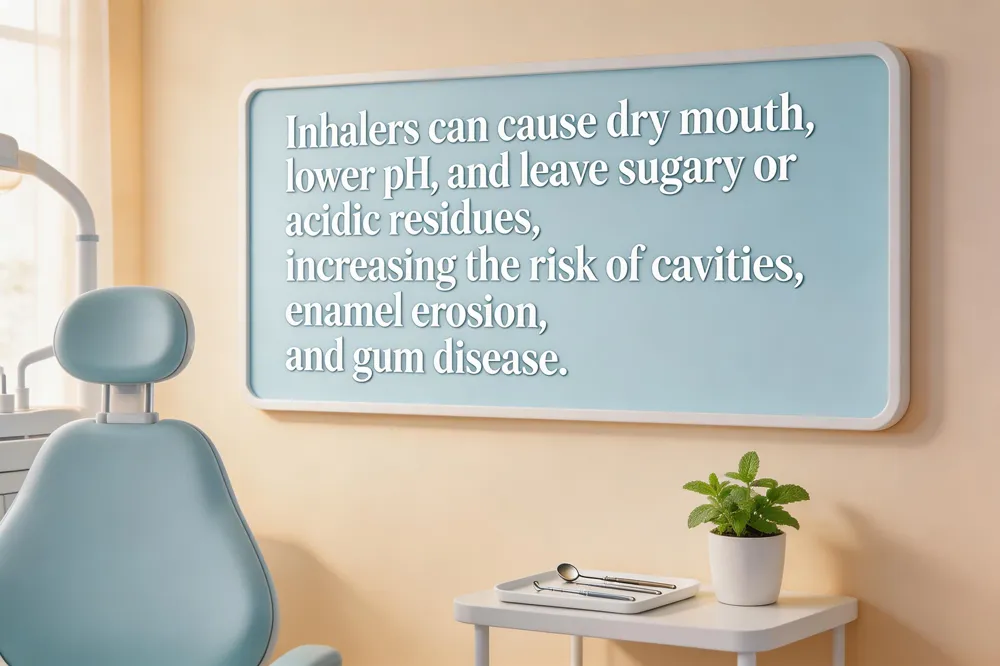 Asthma inhalers can dry the mouth (xerostomia), lower saliva pH, and leave sugary or acidic residues that promote plaque, enamel erosion, and gum disease.
Medication‑induced dry mouth – Because saliva’s buffering power is reduced, bacteria thrive and cavities form faster. A dry mouth promotes bacterial growth, plaque buildup, and can lead to both cavities and gum disease.
Acidic or sugary inhaler residues – Many β‑agonist and corticosteroid inhalers contain lactose, sucrose, or acidic propellants that stick to teeth and accelerate demineralization. Inhaled asthma medications (e.g., β2‑agonists, inhaled corticosteroids) contact the teeth and oral mucosa, decreasing salivary flow and pH, which increases risk of dental caries and erosion.
Direct enamel erosion from corticosteroids – Long‑term inhaled steroids can weaken enamel and increase oral thrush, especially without a spacer. Some asthma inhalers can dissolve enamel, increasing susceptibility to tooth decay and Steroid inhalers may cause oral thrush, a white rash inside the mouth.
Common culprits – Antihistamines, certain antidepressants, beta‑blockers, stimulants, and inhalers (e.g., albuterol, fluticasone) all contribute to dry‑mouth‑related decay. Antihistamines and decongestants contribute to dry mouth.
Albuterol dental side effects – Reduces saliva flow, leaves acidic residue, and can irritate gums. Bronchodilator (β2‑agonist) medications can cause dry mouth and oral candidiasis. Rinsing with water or using a spacer after each dose, plus fluoride brushing, mitigates the risk. Mouth rinsing with neutral sodium fluoride after inhaler use helps neutralize oral pH and reduce caries risk.
Do inhalers ruin teeth? – They don’t destroy teeth, but they raise decay risk. Simple steps—mouth‑rinse, hydrated water, sugar‑free gum, and twice‑daily fluoride brushing—protect the smile. Preventive strategies such as fluoride varnish applications, topical fluoride gels, and professional cleaning can further protect the teeth of children on long‑term asthma therapy.
At our practice we use state‑of‑the‑art fluoride varnish, digital imaging, and a caring team to tailor preventive plans for asthmatic children, ensuring comfortable, personalized care every visit.
Preventive Oral‑Health Strategies for Asthmatic Children
 Children with asthma need a few extra steps to keep their mouths healthy. After every inhaler dose, rinse with water or brush with a soft toothbrush and fluoride toothpaste to clear medication residue and rebalance pH. Using a spacer with metered‑dose inhalers reduces oropharyngeal deposition, limiting exposure of teeth to sugars and acids. Our office offers professional fluoride varnish, high‑fluoride gels, and prescription fluoride products for high‑risk patients, plus sealants for molars. Chewing sugar‑free gum for a minute after medication stimulates saliva, which buffers acids and washes away particles.
Can asthma inhalers cause gum disease? Yes. Inhalers, especially corticosteroid or long‑acting β‑agonists, dry the mouth and leave medication on teeth, fostering plaque and gingivitis. Rinsing, staying hydrated, and regular check‑ups at Best Choice Dental protect the gums.
Asthma and oral health: a review. Long‑term inhaled steroids and β‑2 agonists lower saliva flow and alter oral pH, raising the risk of cavities, erosion, and periodontal disease. Meticulous brushing, flossing, fluoride rinses after inhaler use, and bi‑annual exams with our advanced imaging and preventive care keep asthma‑related oral problems at bay.
Inhaled corticosteroids and tooth decay. These steroids reduce salivary flow, promote bacterial growth, and can soften enamel. Rinsing, chewing sugar‑free gum, and fluoride treatments—combined with routine cleanings at our pediatric‑focused practice—significantly lower decay risk.
Dental Visit Planning and Emergency Preparedness
 Dental management of asthmatic patient – We begin with a thorough medical history, confirm rescue inhaler availability, and, if needed, pre‑treat with a short‑acting bronchodilator to minimize bronchospasm during treatment.
Dental considerations for asthmatic patients – Appointments are scheduled when asthma is well‑controlled, early in the day or late afternoon, and we employ calming techniques and short, stress‑free visits to reduce anxiety‑triggered attacks.
Dental extraction in asthmatic patient – Prior to extraction, the child uses a rescue inhaler 15‑30 minutes beforehand, we monitor breathing continuously, and keep the procedure brief, using minimal‑risk anesthetics and having supplemental oxygen ready if needed.
Medication Choices and Dental Safety
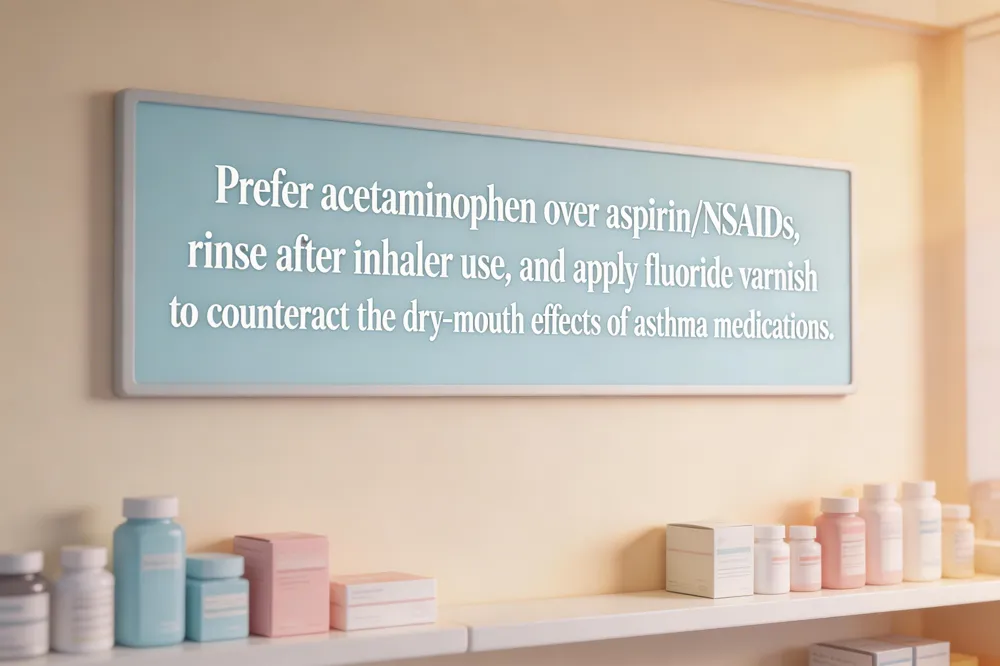 At our pediatric dental office we prioritize safe medication choices for children with asthma. Avoid aspirin and certain NSAIDs – these can provoke bronchospasm, especially in kids with aspirin‑exacerbated respiratory disease, so we recommend acetaminophen for pain relief. Preferred pain reliever: acetaminophen (Tylenol) is the first‑line option because it does not trigger asthma attacks, unlike ibuprofen or aspirin. Symbicort and oral health: the inhaled corticosteroid/bronchodilator combo (budesonide/formoterol) may leave residue on teeth, causing dry mouth, gum irritation, increased bacterial growth, and a higher risk of cavities or oral thrush. Rinsing with water or brushing after each puff, using a spacer, and regular fluoride varnish applications protect enamel. Managing drug‑induced dry mouth: we educate families on rinsing, sugar‑free gum, and staying hydrated; our office offers fluoride toothpaste, sealants, and gentle cleanings using state‑of‑the‑art technology. Schedule a visit to keep your child's smile healthy while their asthma is well‑controlled.
Lifestyle and Home Care Tips to Reduce Decay
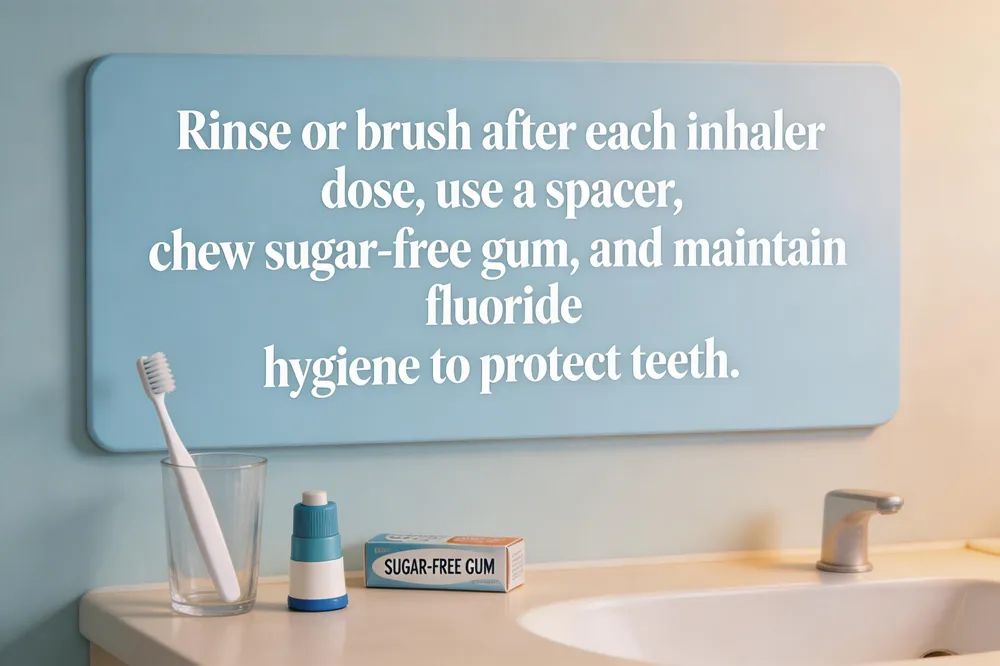 At our pediatric dental office we combine gentle, technology‑driven care with simple home habits that protect a child’s smile, especially when asthma treatment is part of daily life.
Fluoridated water & limiting sugary drinks – Encourage water from the tap (or fluoridated bottled water) and keep juices, sodas, and sports drinks to a minimum; sugar fuels plaque bacteria that thrive after inhaler use.
Nighttime brushing & the 3‑3‑3 rule – Brush twice a day with fluoride toothpaste, and for families who want extra protection, follow the 3‑3‑3 rule: brush three times a day, brush for three minutes each time, and avoid food or drinks (except water) for three hours before bed.
Chewing sugar‑free gum after inhaler use – A minute of xylitol‑containing gum stimulates saliva, neutralizes acid, and clears medication residue, reducing dry‑mouth‑related decay.
Regular professional fluoride applications – Our office offers fluoride varnish and gel treatments every six months, providing a protective mineral layer for high‑risk asthmatic teeth.
Impact of inhalation therapy on oral health – Inhalers can lower saliva flow and lower oral pH, increasing caries, gingivitis, and thrush risk. Rinse or brush after each dose, use a spacer, and keep a rescue inhaler handy during visits.
Asthma and tooth extraction – Extractions are safe when asthma is well‑controlled; take a short‑acting bronchodilator 15‑30 minutes prior, monitor oxygen levels, and have emergency inhalers ready.
Our team works closely with your child’s physician to personalize preventive plans, ensuring confident, professional, always comfortable decisions in the surface environment.
Key Takeaways for Asthmatic Families
Early dental visits and check‑ups: The first exam should be by 12 months, then every six months, allowing us to spot decay and apply sealants or fluoride varnish. Rinse, brush, and use spacers after inhaler use: After each dose, rinse with water or a fluoride rinse, brush gently later, and use a spacer to keep medication out of the mouth. Fluoride and care: Our office provides toothpaste counseling, varnish, sealants, and recommendations to strengthen enamel. Collaborate with pediatricians and dentists: Share medication lists, asthma action plans, and allergy information so we can tailor treatment, coordinate rescue inhaler use, and ensure visits.