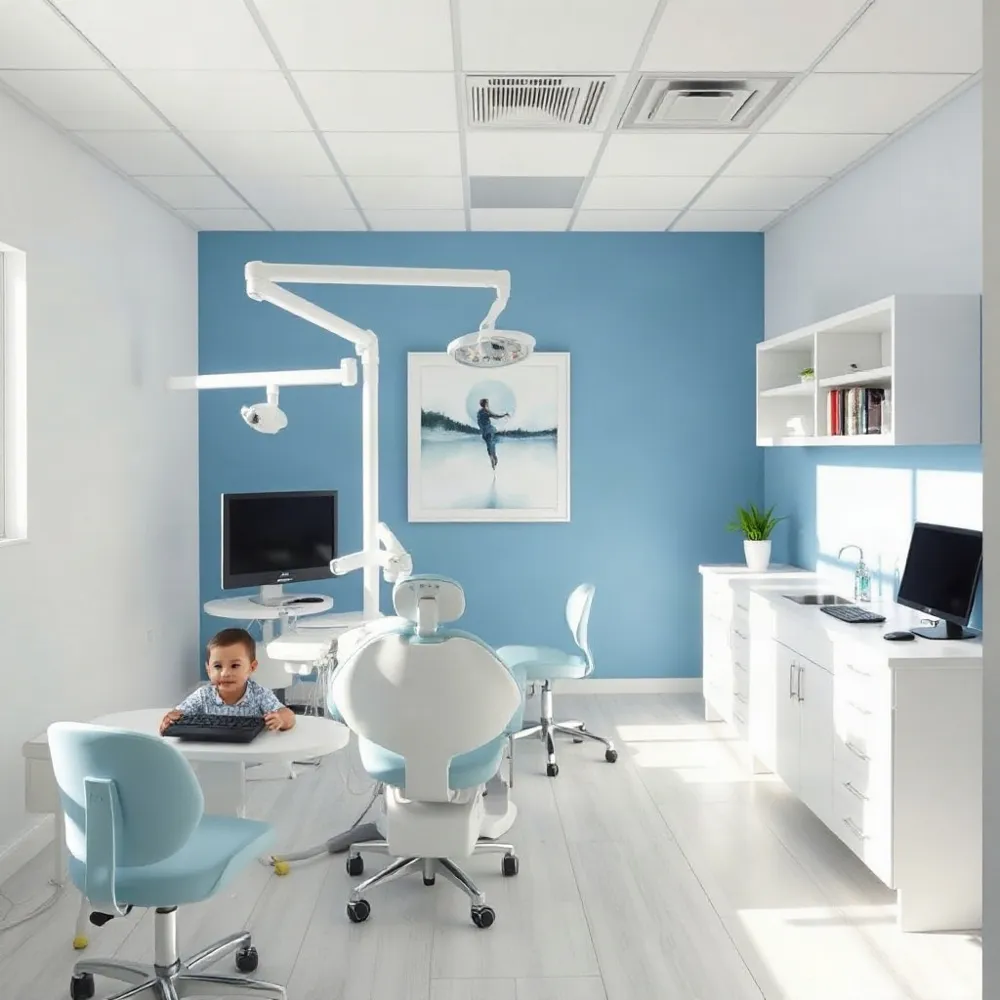
Building a Lifetime of Healthy Smiles Together
Establishing an early dental home is the most effective way to protect a child's oral development. Experts recommend scheduling a first examination by a child's first birthday or within six months of the first tooth emerging. At Best Choice Dental, we prioritize these initial visits to create a calm, welcoming environment that helps children feel comfortable while we educate parents on proper care techniques.
Parents serve as the primary partners in childhood dental health. Because cavities affect over 50% of children by age 8, consistent daily routines are necessary to prevent decay. We provide personalized guidance on habits, such as wiping gums after feedings and choosing safe, age-appropriate toothpaste amounts. While some practices simply perform standard exams, our team at Best Choice Dental spends time during these sessions to discuss specific lifestyle factors that impact your child's long-term wellness.
Maintaining a healthy smile requires more than just home care. Regular professional assessments help identify potential oral health issues early when they are easiest to treat. We combine state-of-the-art preventative services with a gentle, patient-focused approach to ensure that your family receives high-quality, comprehensive support as your children grow.
The Critical First Year and Early Assessment
 Establishing a dental home by a child's first birthday or within six months of the first tooth eruption is the most reliable way to protect early oral development. These sessions help our team track growth and identify minor concerns before they evolve into significant obstacles. At bestchoicedentaltotowa.com, we prioritize a gentle approach during these initial visits, ensuring that your child associates professional care with comfort rather than anxiety. Our team focuses on personalized education, helping families navigate the complexities of early diet and hygiene routines.
Why early screening matters
Establishing early dental care by age one or within six months of the first tooth’s appearance is vital for building a foundation of lifelong oral health. These visits allow our team to monitor growth, track development, and identify potential issues like decay before they become painful or require extensive treatment. Beyond clinical exams, early appointments serve as an educational resource, providing parents with essential guidance on brushing techniques, healthy dietary habits, and ways to prevent common childhood dental problems. By creating a comfortable dental home at an early age, we help children feel confident and relaxed in the professional environment. Ultimately, consistent professional care ensures that your child’s primary teeth remain healthy, which is crucial for their ability to speak clearly, chew easily, and maintain the proper alignment for permanent teeth.
Foundational hygiene habits
Care for your child's smile should begin long before the first tooth appears. Per 8 Tips for Improving Children's Teeth Health, parents should wipe an infant's gums twice daily after feedings using a soft, clean, damp cloth. This simple practice removes sugars and bacteria that can endanger emerging teeth. Furthermore, medical research indicates that a mother's oral health is a strong predictor of her child's future dental status. Regular checkups at bestchoicedentaltotowa.com ensure that the entire family stays on track, preventing the transmission of cavity-causing bacteria while promoting overall wellness for both you and your little one.
Mastering Daily Hygiene and Preventing Bottle Decay
 Establishing consistent habits early is the best way to safeguard your child's developing smile. The 2-2-2 rule provides an easy framework: brush twice daily, ensure each session lasts two full minutes, and schedule professional check-ups twice a year. At Best Choice Dental, we emphasize that brushing twice a day, specifically after breakfast and before bedtime, removes bacteria that accumulate throughout the day and night.
For children under age three, use a grain-of-rice-sized smear of fluoride toothpaste, transitioning to a pea-sized amount as they grow. Because children often lack the necessary fine motor skills to clean effectively on their own, the American Academy of Pediatric Dentistry recommends that parents supervise or assist with brushing until age eight. Once teeth begin to touch, daily flossing becomes a vital part of your routine to prevent decay from developing in those tight spaces between teeth.
Protecting against bottle decay
One of the most significant risks for infants involves bedtime feeding habits. Putting a child to bed with a bottle containing milk, formula, or juice allows cavity-causing sugars to coat the teeth for hours, a condition often called baby bottle tooth decay. To prevent this, avoid putting children to bed with anything other than water. If your baby requires a feeding at night, gently clean their gums or newly emerged teeth with a soft, damp cloth or infant toothbrush afterward.
While some practices offer basic pediatric cleanings, the team at Best Choice Dental balances thorough, clinical care with a focus on education and patient comfort to help build long-term confidence. Regular professional visits every six months allow our clinicians to monitor development and apply protective measures like fluoride varnish, which can stop one-third of cavities in primary teeth. By partnering with your local Totowa dental team, you ensure your child receives the personalized guidance needed to maintain a healthy, vibrant smile throughout their life.
Identifying Warning Signs Early
 Detecting dental issues before they evolve into painful conditions is a hallmark of successful preventative care. Parents should perform regular visual inspections of their child's teeth to spot early indicators of decay. Among the most frequent markers are white spots appearing on the enamel, which often signal that the mineral structure is breaking down. While brown or yellow discoloration is an obvious sign, parents should also keep a watchful eye for bleeding or swollen gums, which may suggest systemic inflammation caused by plaque buildup.
Behavioral cues in young children
Young children often lack the vocabulary to describe specific dental pain. Instead, they may exhibit behavioral shifts that suggest discomfort, such as avoiding certain foods, favoring one side of the mouth while chewing, or becoming unusually irritable during meals. If your child pulls away from the toothbrush or refuses to eat warm or cold items, these could be physical signs of sensitivity related to tooth decay. Persistent bad breath that does not improve with brushing is another common red flag.
What are the common signs of poor dental hygiene in children?
Common signs of poor dental hygiene in children include persistent bad breath, visible yellow or brown discoloration, and white spots on the teeth, which often indicate early enamel breakdown. You may notice swollen, sore, or bleeding gums, as well as significant tartar buildup around the gum line. Children might also experience sensitivity or pain when eating sweets or hot and cold drinks, which often points to the development of cavities. In more advanced stages, a child may complain of lingering tooth pain or show signs of receding gums. If you notice any of these symptoms, it is important to schedule a professional evaluation to ensure your child receives the personalized, comfortable care they need for a healthy smile.
Best Choice Dental provides comprehensive oral health exams to help parents catch these indicators early. While some practices struggle to manage young children who exhibit dental anxiety, our team focuses on gentle, individualized techniques to ensure every child feels secure during their assessment. Acting quickly on visible changes can stop minor issues from turning into restorative procedures, helping your child maintain their natural, healthy smile for years to come.
Addressing Decay and Advanced Preventive Care
Managing oral health goes beyond daily brushing, especially when dealing with the high prevalence of childhood cavities. According to the CDC, cavities are the most common chronic childhood disease in the United States. To combat this, modern pediatric dentistry relies on proactive measures designed to shield vulnerable primary teeth. Dental sealants act as a protective barrier on the grooved surfaces of molars, effectively preventing 80% of cavities when applied to back teeth. Similarly, fluoride varnish can stop one-third of decay in baby teeth by strengthening enamel against acid attacks.
Can severe tooth decay be reversed, or can a badly decayed tooth be saved?
Whether severe tooth decay can be reversed depends entirely on how early it is detected. While early-stage demineralization can often be halted or reversed through professional fluoride treatments and meticulous daily oral hygiene, once decay breaks through the enamel to form a physical cavity, the structure cannot heal on its own. For significantly decayed teeth, professional intervention is necessary to preserve the tooth and prevent further complications like infection. Our team at bestchoicedentaltotowa.com utilizes advanced, modern techniques, such as tooth-colored fillings and protective crowns, to restore the health and function of a damaged tooth. We encourage regular checkups so we can identify and address issues at their earliest stages, ensuring your child's smile remains healthy.
When accidents occur, your reaction time matters. If a permanent tooth is ever knocked out, keep it moist in milk and contact a dental professional immediately to maximize the chances of successful replantation. While some practices struggle to offer timely emergency support, bestchoicedentaltotowa.com prioritizes restorative options that use cosmetic-friendly, tooth-colored cements to return damaged teeth to their natural appearance, ensuring your child does not have to live with the discomfort or aesthetic consequences of an untreated injury.
Partnering with Best Choice Dental for Your Family
Consistency serves as the foundation for a lifetime of healthy smiles. While daily habits like brushing and flossing at home are vital, professional support acts as the necessary safeguard for your child's development. By scheduling regular visits, you allow our team at Best Choice Dental to monitor oral growth, apply fluoride treatments, and address minor concerns before they necessitate complex intervention.
Fostering a positive environment makes all the difference in your child's comfort. Small reinforcements, such as using age-appropriate resources or celebrating successful hygiene milestones, help transition dental care from a chore into a routine. Unlike larger clinics where individual needs may be overlooked, our practice in Totowa emphasizes personalized attention to ensure every child feels relaxed and informed.
- Schedule professional cleanings every six months to establish long-term dental comfort.
- Maintain a consistent home routine to mirror the preventive care practiced at our Totowa office.
- Utilize our expert guidance to identify early signs of developmental changes.