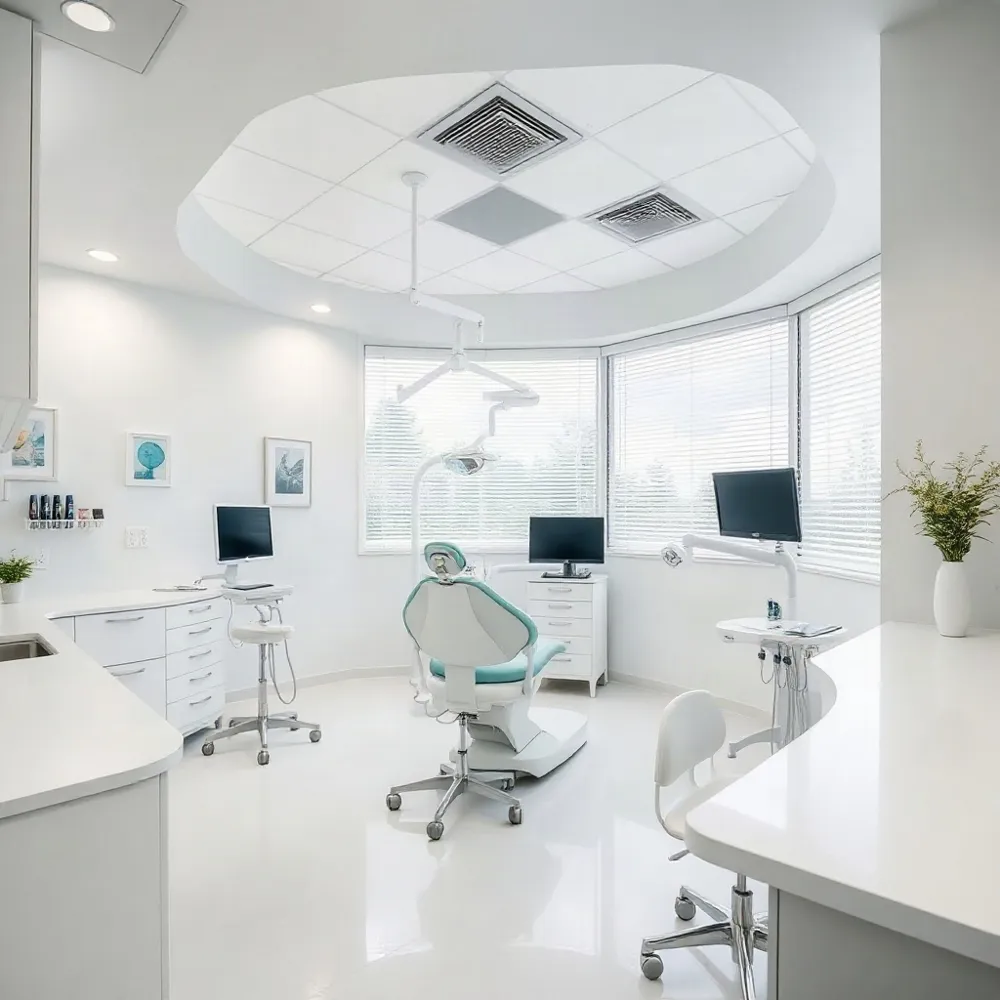
Understanding Dental Anxiety: Prevalence and Impact
Definition of Dental Anxiety and Dentophobia
Dental anxiety refers to the fear or stress associated with dental visits, varying from mild unease to severe phobia. Dentophobia, also known as odontophobia, is a specific phobia recognized by psychological standards that leads to intense and often debilitating fear of dentists or dental procedures.
Prevalence Statistics Among Adults and Children
Approximately 36% of adults in the U.S. report some form of dental fear, with 12% experiencing extreme anxiety and about 3% suffering from full dentophobia. Dental anxiety is also common in children, often influenced by fear of the unknown or past negative experiences.
Common Symptoms and Physical Manifestations of Dental Anxiety
Symptoms can range from mild nervousness to severe distress and include chills, sweating, dizziness, heart palpitations, nausea, trembling, and difficulty breathing. Psychological signs such as insomnia before appointments and avoidance behaviors are also common.
Psychological and Behavioral Impact on Patients
Dental anxiety often results in avoidance of dental care, leading to worsening oral health conditions such as decay and gum disease. This can raise the risk of systemic health issues and increase the complexity of future dental treatments. The fear may also affect self-confidence and overall wellbeing, emphasizing the importance of compassionate and personalized dental care approaches to support anxious patients.
Causes and Triggers of Dental Anxiety in Adults and Children
What causes dental anxiety?
Dental anxiety affects about 36% of people in the U.S., with around 12% experiencing extreme fear known as dentophobia. This fear often leads to avoidance of necessary dental care, even when painful problems exist. The root causes include past negative or traumatic dental experiences, family history of dental fear, feelings of helplessness or embarrassment during treatment, and concerns about pain or loss of control. For more details, see Dental anxiety causes.
How do dental environments and instruments trigger anxiety?
Triggers that cause anxiety include being inside a dental office, hearing or seeing dental instruments, lying in the dental chair, and even thinking about upcoming visits. These stimuli can activate intense physiological responses such as rapid heartbeat, sweating, dizziness, nausea, and shaking. Learn more about Triggers of dental fear and Distraction techniques during dental procedures.
How do causes of anxiety differ or overlap between adults and children?
Both adults and children can experience dental anxiety from fear of the unknown, pain, or previous negative experiences. Children often fear unfamiliar sights and sensations and benefit from welcoming, child-friendly dental office design with engaging distractions. Adults may have additional anxiety linked to embarrassment or traumatic past events. Despite differences, both age groups respond well to communication, relaxation techniques, and sedation options to ease their fears. More information on Dental anxiety in children and Managing dental anxiety can be found.
Understanding these causes and triggers is essential for dental practices to create supportive, personalized care environments that help patients of all ages manage their anxieties and maintain oral health. Explore Improving oral health with anxiety management and Choosing fear-free dental practitioners for more guidance.
Non-Pharmacological Techniques for Managing Dental Anxiety
How do dentists handle and manage anxious patients?
Dentists use a combination of effective communication with dentist and Relaxation Techniques for Dental Anxiety to help patients overcome dental anxiety. They focus on building trust through compassionate dialogue, employing the "tell-show-do" method to clearly explain procedures and reduce fear of the unknown. Relaxation strategies like breathing exercises for anxiety and guided imagery for dental patients are commonly practiced to calm nerves. Distraction techniques during dental procedures such as playing soothing music or allowing patients to watch videos help divert attention during treatments. Additionally, creating a Compassionate and Welcoming Dental Environment with calming music and gentle staff interaction supports patient comfort. For children, specialized communication and a child-friendly dental office design further ease anxiety. When needed, collaboration with mental health professionals supports more complex cases.
What are non-pharmacological methods to help children with dental anxiety?
Helping children manage dental anxiety in children without medication involves a nurturing and patient-centered approach. Familiarizing young patients with the dental office using friendly visuals and playful elements reduces fear of the unfamiliar. Distraction techniques during dental procedures like music, videos, or guided imagery keep children engaged during dental procedures. Calm and supportive behavior from parents plays a vital role in reassuring children. Simple, clear explanations about what will happen help children feel more in control and less scared. Selecting dental practices designed to be child-friendly dental office design—with colorful decor, toys, and trained staff—also contributes to a positive experience. These techniques collectively build trust and encourage a lifelong positive attitude toward dental care.
Pharmacological Options and Sedation Techniques for Dental Anxiety
What types of dental sedation and medication are available to manage dental anxiety?
Dental sedation encompasses several methods designed to help patients relax and manage pain during dental procedures without requiring general anesthesia's full unconsciousness.
-
Nitrous Oxide (Inhalation Sedation): Often called "laughing gas," it provides minimal sedation, quickly calming nerves and allowing patients to remain responsive. Benefits include rapid onset and quick recovery, making it suitable for many procedures. Learn more about Minimal Sedation with Nitrous Oxide.
-
Oral Sedation: Pills such as benzodiazepines (Valium, Halcion, Xanax, Ativan) are taken before appointments to reduce anxiety and aid in relaxation. This moderate sedation level helps patients who fear injections or have dental phobia. See details on Oral Conscious Sedation and Moderate Sedation with Oral Sedatives.
-
Intravenous (IV) Sedation: Administered by professionals, IV sedation induces deeper relaxation, with effects lasting through lengthier or more invasive treatments. Patients typically remain conscious but less aware of their surroundings. For more information, visit IV Sedation in Pediatrics and Intravenous Sedation for Dental Procedures.
-
General Anesthesia: Used selectively, especially for extensive surgeries or patients with severe anxiety, it renders patients fully unconscious during the procedure. Learn about Deep Sedation and General Anesthesia for Dental Procedures.
Benefits and safety considerations of sedation dentistry
Sedation techniques enhance patient comfort, allowing those with Dental anxiety, gag reflex sensitivity, or difficulty sitting for long sessions to receive necessary care. Safety is paramount, with sedation administered by trained dental professionals who evaluate individual health history and tailor sedation intensity accordingly. More about Sedation Dentistry Techniques and Sedation Side Effects and Safety.
Sedation tailored for adults and children with severe anxiety
Children experiencing significant Dental anxiety in children may receive nitrous oxide or oral sedation to ensure pain-free, comfortable visits. Adults benefit from a broader range of options including IV sedation and general anesthesia when appropriate. Pediatric-friendly sedation supports positive early dental experiences to prevent future anxiety. See Manage dental anxiety in children for strategies.
Preparation and post-treatment guidance for sedation patients
Patients undergoing sedation are advised to discuss all medication use and health conditions beforehand. They should follow pre-appointment instructions, such as fasting when required, and arrange safe transportation after treatment due to temporary drowsiness. For more, see Patient Guidelines for Sedation Dentistry.
Role of anti-anxiety medication in dentistry
Anti-anxiety drugs like benzodiazepines help ease acute dental fears, reduce gag reflex, and calm nerves before and during procedures. Integrating pharmacological methods alongside relaxation techniques for dental anxiety and Effective communication with dentist maximizes comfort and treatment success. Also, explore Anti-Anxiety Medication for Dental Procedures.
Parental Guidance and Support Strategies to Ease Children’s Dental Anxiety
Importance of Early Positive Dental Experiences
Starting dental visits early, by a child’s first dental visit or when the first tooth appears, helps prevent severe dental anxiety later. Early positive experiences promote trust and comfort with dental care.
How Can Parents Help Children Handle Dental Anxiety?
Parents play a vital role by modeling calm and positive attitudes about dental visits, which reassures their children. Simple, honest communication about dental fears using kid-friendly language helps ease fears. Bringing comfort items such as a favorite toy provides security during visits. Selecting child-friendly dental offices and experienced staff ensures gentle, understanding care. Regular visits build familiarity and reduce anxiety.
Use of Communication and Reassurance Adapted for Children
Explaining procedures in simple terms and using visual aids help children understand and feel less frightened. Consistent reassurance during appointments promotes a sense of safety.
Techniques Like Positive Reinforcement, Distraction, and Comfort Items
Positive reinforcement—offering praise, stickers, or rewards—builds the child’s confidence and encourages cooperation. Distraction techniques during dental procedures such as music or videos help divert attention during procedures. Comfort items offer familiarity and calm.
Choosing Pediatric Dental Practices With Child-Friendly Environments
Pediatric dental office design with colorful decor, engaging toys, and a welcoming atmosphere make dental visits less intimidating for children. Staff trained in child communication further supports a positive experience.
By combining early visits, parental calmness, clear communication, comforting techniques, and child-friendly dental care, children are more likely to develop healthy, fearless dental habits that last a lifetime.
Building Trust and Comfort: The Dental Office Environment and Patient Interaction
How can dental anxiety be managed or calmed during a dental visit?
Managing dental anxiety] effectively begins with open, honest communication between patient and dentist. Discussing specific fears allows dentists to tailor treatments and provide reassurance. Many modern dental offices have adopted technologies such as painless laser tools replacing noisy drills, significantly reducing discomfort and fear.
Creating a [calming clinical atmosphere] is integral to reducing anxiety. This includes playing soothing music] and displaying relaxing visuals in treatment areas. Patients often find distraction through music, videos, or guided imagery] helpful for easing tension during procedures.
Dentists encourage relaxation breaks during appointments to help alleviate stress. Techniques like deep breathing exercises or mindfulness may be practiced to soothe nerves. For patients with intense fears, sedation options] ranging from nitrous oxide to intravenous sedation are offered to ensure comfort and a pain-free experience.
What are the common symptoms of dental anxiety?
Dental anxiety] can manifest with physical symptoms such as sweating, trembling, increased heart rate, nausea, dizziness, and feelings of panic. Behavioral signs include nervousness, avoidance of dental visits, restlessness in the waiting room, and difficulty remaining calm during treatment.
Some patients may mask their anxiety by joking or appearing aggressive, while others may feel helpless or lose control. Recognizing these symptoms is essential for dental professionals to provide personalized care. Employing kindness, patience, and reassurance helps build trust, creating a positive dental experience that encourages regular oral care.
By cultivating a welcoming environment and strong patient-dentist relationships, dental practices can significantly reduce anxiety. This approach leads to better oral health outcomes and improved patient well-being through consistent, comfortable dental visits.
The Path Forward: Embracing Techniques to Overcome Dental Anxiety
Comprehensive Approaches for Managing Dental Anxiety
Managing dental anxiety involves a blend of techniques tailored to individual needs. These include relaxation strategies like deep breathing and mindfulness, distraction methods such as music or videos during treatment, and the use of sedation options ranging from nitrous oxide to IV sedation to ensure comfort.
The Importance of Early and Consistent Care
Early dental visits, especially for children, promote positive experiences and help prevent severe anxiety later. Consistent care fosters trust and reduces fear, encouraging patients to maintain their oral health proactively.
Seeking Supportive Dental Practices
Choosing dental offices that prioritize patient comfort, utilize advanced, pain-minimizing technologies, and cultivate a compassionate environment can make a significant difference. Open communication between patients and dentists is vital for personalized care that addresses individual fears.
Positive Impact on Health and Well-Being
Overcoming dental anxiety supports not only better oral health but also enhances self-confidence and overall quality of life. Patients who manage their fears enjoy regular dental care, reducing risks of decay, gum disease, and associated systemic health issues.