The Hidden Hurdle to a Healthy Smile
How Common Is Dental Fear?
Feeling nervous about a dental visit is incredibly common. Studies show that over 80% of Americans experience some level of dental anxiety. For an estimated 9 to 15% of the population, that fear is so intense it becomes a phobia, leading them to avoid the dentist completely. This means tens of millions of people may be missing out on the essential care needed to maintain their oral and overall health.
Defining the Range of Dental Anxiety
It's important to understand that dental fear exists on a spectrum. On one end is general unease, often called dental anxiety, which involves worry about pain, needles, or the unknown. On the other, more severe end is dental phobia (or dentophobia), recognized as a specific anxiety disorder. Phobia involves an intense, irrational fear that causes complete avoidance, making even the thought of an appointment overwhelming. Many people fall somewhere in between.
The Vicious Cycle of Avoidance
The core issue is that anxiety often leads to postponing or canceling appointments. This avoidance creates a harmful cycle. When dental care is delayed, small, easily treatable problems can progress into serious conditions like severe decay, gum disease, or infections. This neglect then makes future dental work more complex, lengthy, and potentially uncomfortable, which unfortunately reinforces the original fear and anxiety, making future visits even harder to face.
Breaking the Cycle Is Possible
The good news is that this cycle can be broken. Dental anxiety is a manageable condition, and modern dentistry offers a wide array of effective strategies to help patients feel safe and comfortable. Understanding your fear is the first step. The goal of this article is to provide clear, practical strategies that empower you to take control of your dental health, transform your experience, and achieve the healthy, confident smile you deserve.
| Common Triggers for Dental Anxiety | Level of Impact | Typical Behavioral Response |
|---|---|---|
| Fear of Pain or Needles | Moderate to Severe | Avoidance, Tensing Up, Panic |
| Feeling a Loss of Control | Moderate to Severe | Hesitation, Procrastination |
| Embarrassment About Oral Health | Mild to Moderate | Shame, Hiding Condition |
| Past Negative Experiences | Moderate to Severe | Complete Avoidance, Distrust |
| Sounds of Drills or Equipment | Mild to Moderate | Anxiety During Appointments |
| Fear of the Unknown | Mild to Moderate | Canceling Last-Minute, Worry |
Unraveling the Roots of Dental Fear
What is dental anxiety and what causes it?
Dental anxiety is the feeling of unease, stress, or fear associated with visiting the dentist. It ranges from mild apprehension to a severe dental phobia that prevents people from seeking care, with studies indicating that between 50% and 80% of U.S. adults experience some degree of it.
This worry is often rooted in common triggers. Many patients fear pain or needles, which can be linked to a biological fight-or-flight response and dental anxiety triggered by the mouth's vulnerability. Others have past traumatic experiences, especially from childhood, that leave a lasting impact.
A feeling of loss of control in the dental chair is another significant cause of dental anxiety. The inherently invasive nature of dentistry—with a professional looking inside your mouth—can heighten this sensation. Additional factors include vicarious learning from anxious family members, sensory triggers like the sounds of drills or clinical smells, and even negative media portrayals of dentists.
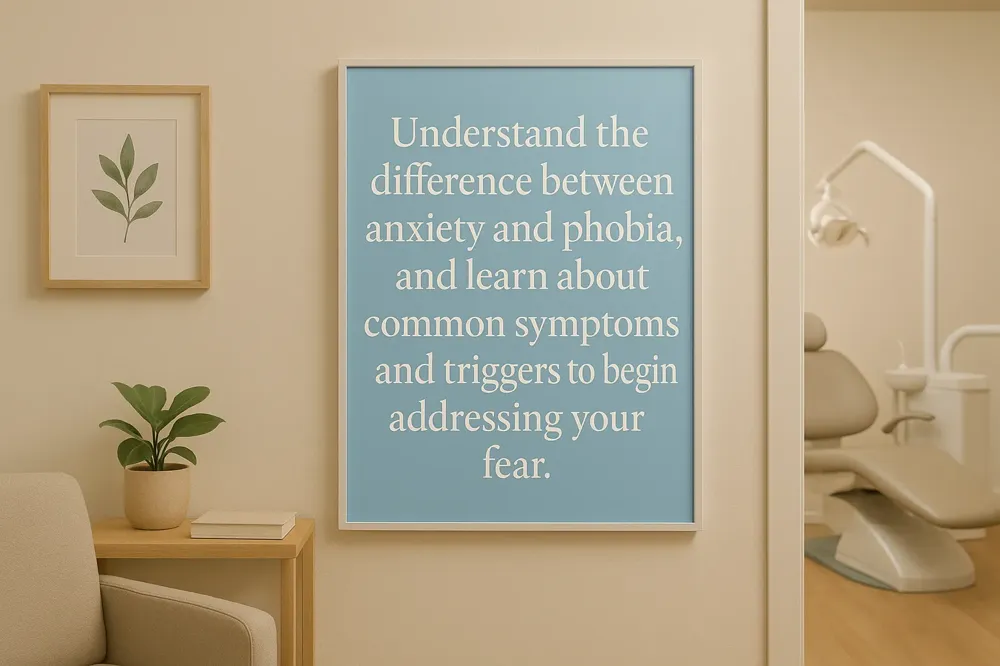
What is the difference between dental anxiety and dental phobia?
Dental anxiety and dental phobia exist on a spectrum, but they differ in intensity and the resulting behavior. Dental anxiety involves distress, worry, or unease about dental visits. Individuals with anxiety may delay appointments or experience significant stress, but they typically still attend when necessary.
Dental phobia, also called dentophobia or odontophobia, is a more severe, diagnosable condition. It is characterized by an intense, irrational fear that leads to complete avoidance of dental care, regardless of pain or oral health deterioration. This avoidance can create a vicious cycle: neglected care leads to more complex problems, which then require more involved treatments, further reinforcing the fear.
What are the symptoms of dental anxiety?
The symptoms of dental anxiety manifest physically, emotionally, and behaviorally, often appearing at the thought of or during a dental appointment.
Physical reactions are common and can include a racing heartbeat, excessive sweating, upset stomach, dizziness, and changes in blood pressure that may lead to fainting. These are direct results of the body's stress response.
Emotional and behavioral signs are also telling. Patients may exhibit visible distress, crying, or panic. Some may withdraw or use humor or aggression to mask their fear. A clear behavioral symptom is the routine cancellation or avoidance of dental appointments, which jeopardizes long-term oral health.
| Physical Symptoms | Emotional/Behavioral Signs | Common Triggers |
|---|---|---|
| Racing heartbeat, palpitations | Visible panic, crying | Fear of pain or needles |
| Sweating, trembling | Withdrawal, using humor/aggression | Past traumatic experiences |
| Upset stomach, nausea | Repeatedly missing appointments | Sounds of drills (sensory) |
| Dizziness, lightheadedness | Feeling of loss of control | Clinical smells, sights |
| Low blood pressure, fainting | General dread or apprehension | Embarrassment about oral health |
This comprehensive view helps our team identify and empathetically address your concerns, ensuring we tailor your visit for maximum comfort.
The First Conversation: Assessment and Trust-Building
How dentists typically handle anxious patients
The foundation of managing Dental anxiety and phobia lies in the very first conversation. Dentists approach anxious patients by first creating a welcoming, family-friendly Creating a calm dental office environment designed to reduce stress from the moment they arrive. They prioritize clear Dentist-patient communication skills and techniques like 'tell-show-do' to demystify procedures and build trust. For immediate calming, they may offer Relaxation techniques for dental patients such as guided breathing or aromatherapy. Recognizing that anxiety varies, many practices provide Conscious sedation options, including nitrous oxide or oral sedatives, to ensure comfort during treatment. Ultimately, the goal is a personalized approach that combines preventive care, patience, and professional Strategies for dental anxiety management to make dental visits a positive experience for every patient.
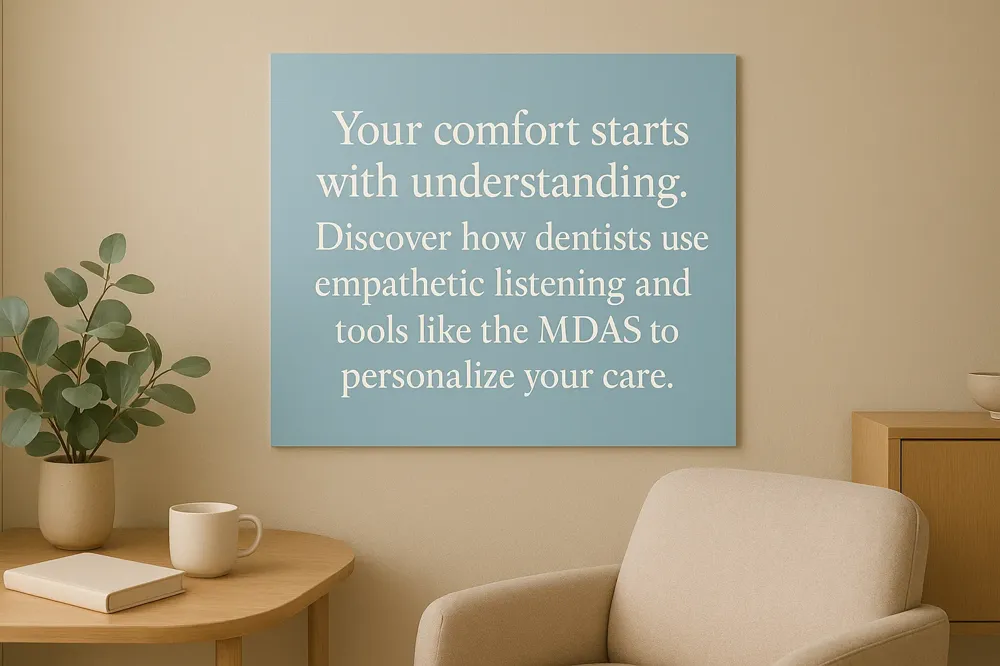
Dentists often rely on an approach called the iatrosedative technique dental anxiety. This involves actively listening to a patient's specific fears without judgment. They ask open-ended questions to understand past experiences, Causes of dental anxiety, or feelings of loss of control. This empathetic listening is crucial. It builds rapport and signals to the patient that their feelings are valid and understood.
Identifying anxiety through conversation and observation
Assessing dental anxiety can be identified during initial interactions. Dentists look for verbal cues, such as expressions of worry, and non-verbal signs like muscle tension, sweating, or avoiding eye contact. The dental team is trained to notice these subtle indicators that a patient may need extra support. This initial assessment helps categorize the level of anxiety, whether it is mild apprehension or a more intense phobia.
Beyond conversation, objective measures mentioned in the literature can provide additional insight. These include monitoring physiological responses like elevated blood pressure, a rapid pulse rate, or changes in skin conductance. While not used in every routine visit, these measures underscore how anxiety manifests physically and validate the patient's experience.
What is the Modified Dental Anxiety Scale?
To move from subjective impressions to a more structured assessment, dental practices may use validated questionnaires. The Modified Dental Anxiety Scale (MDAS) is one of the most common Dental anxiety assessment tools. It is a brief, five-question survey where patients rate their anxiety about specific scenarios, such as waiting for treatment or hearing the drill. The total score helps categorize anxiety as mild, moderate, or severe.
Another well-known tool is Corah's Dental Anxiety Scale (CDAS). These scales are quick for patients to complete and provide a reliable, standardized way to understand their fear level. The results allow the dental team to objectively tailor their management plan. For instance, a patient with a high score might benefit from a more gradual introduction to treatment or a discussion about Sedation options for dental anxiety from the start.
Putting assessment into practice for personalized care
Assessment and trust-building go hand-in-hand. The process isn't about labeling a patient; it's about opening a dialogue. By combining attentive listening with simple tools like the MDAS, the dental team can create a true partnership. This collaborative first step ensures that care is customized from the very beginning, paving the way for a calmer, more comfortable dental experience.
| Assessment Method | Primary Purpose | Common Setting | Key Benefit for Patient Care |
|---|---|---|---|
| Initial Conversation & Iatrosedative Technique | To listen empathetically and identify verbal/non-verbal cues of fear. | Every new patient visit or check-up. | Builds immediate trust and personal connection. |
| Modified Dental Anxiety Scale (MDAS) | To provide a standardized score for anxiety level (mild, moderate, severe). | Intake forms or during consultation. | Offers objective data to personalize the care plan. |
| Physiological Monitoring (e.g., pulse rate) | To observe physical manifestations of anxiety. | Typically for patients with known high anxiety or during longer procedures. | Validates patient experience and guides in-the-moment calming strategies. |
| Corah's Dental Anxiety Scale (CDAS) | Similar to MDAS; a historical standard for measuring dental anxiety. | Intake forms or clinical studies. | Provides a reliable benchmark for anxiety level over time. |
| Tell-Show-Do Technique | To reduce fear of the unknown by explaining and demonstrating instruments. | Before and during any dental procedure. | Empowers the patient with knowledge and reduces surprise. |
Creating a Calm Oasis: Environmental and Behavioral Strategies
Creating a Calm Oasis: Environmental and Behavioral Strategies
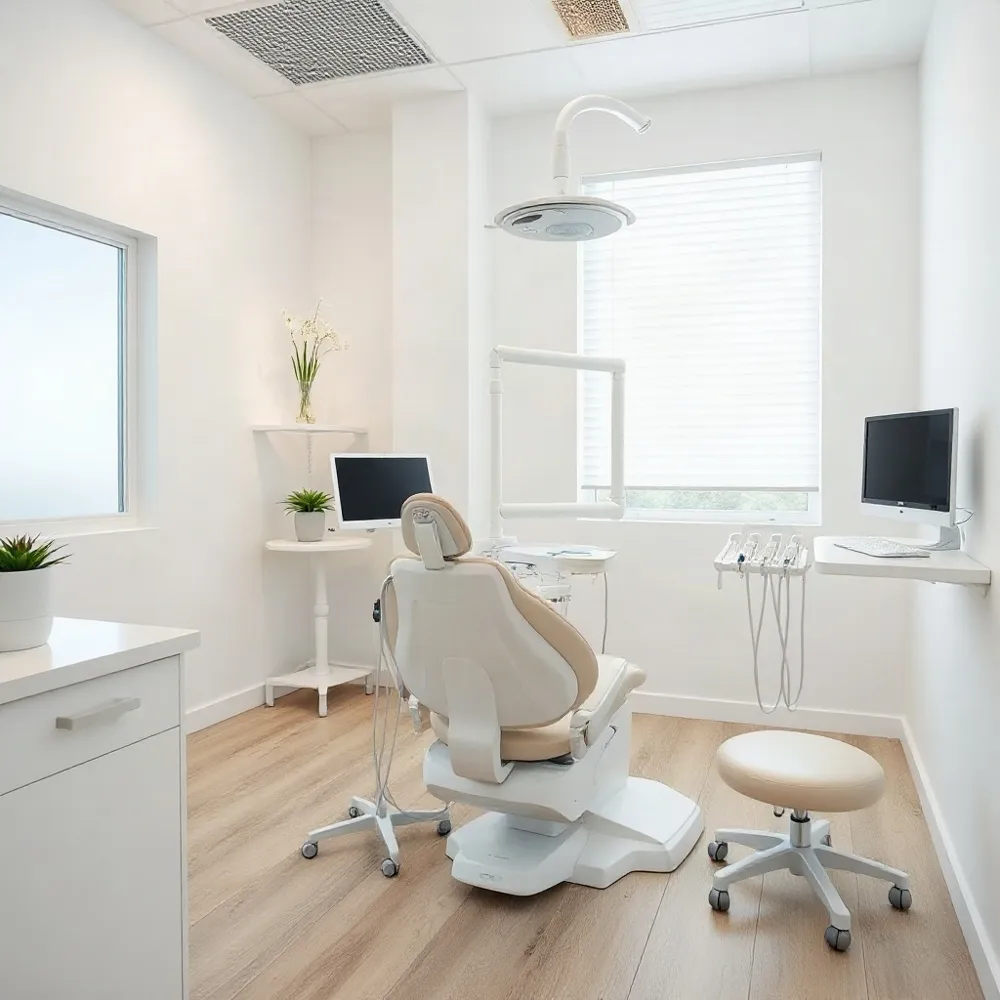
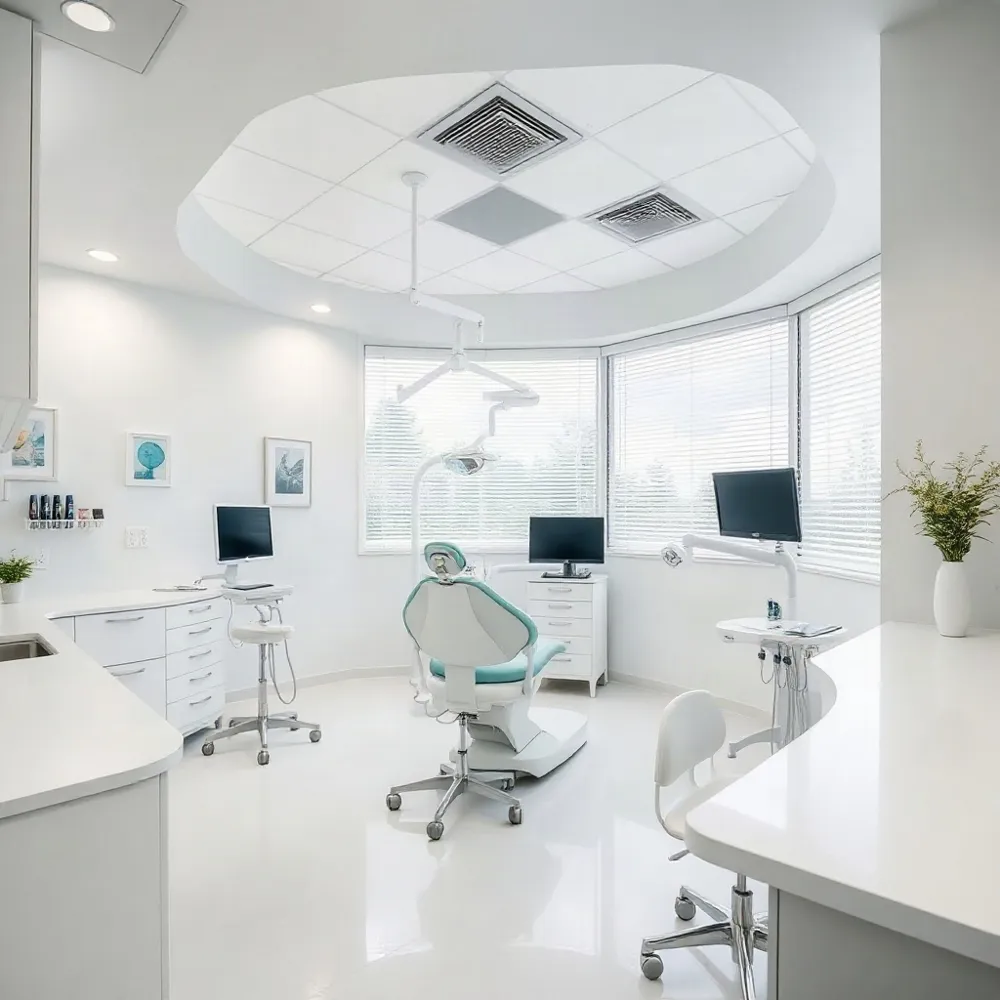
A welcoming dental environment actively combats anxiety. Simple changes to the office setting can significantly ease a patient's stress. Creating a calm atmosphere with soft lighting, soothing artwork, and a quiet, clean space sets a positive tone. Playing soft, slow-tempo music (around 60-80 beats per minute) in the background can lower heart rate and blood pressure. Many practices also use pleasant aromas, like lavender, through aromatherapy to mask clinical smells and promote relaxation. Reducing wait times is crucial, as prolonged anticipation can heighten nervousness. For some patients, especially children, sensory-adapted spaces with dimmed lights and deep-pressure vests can be remarkably effective.
Empowering the Patient
Feeling a loss of control is a major source of dental anxiety. Proactive strategies to manage dental anxiety that return agency to the patient can transform their experience. Open communication is the foundation; dentists should listen without judgment and explain procedures clearly. The 'tell-show-do' technique is highly effective: the dentist tells the patient what will happen, shows the instrument or action, and then performs it. Allowing patients to use a simple, pre-agreed stop signal—like raising a hand—instantly provides a sense of safety and control. Some patients find it helpful to hold a mirror to see what is happening, demystifying the process. These small acts of empowerment build essential trust and cooperation.
What relaxation techniques can help with dental anxiety?
Controlled breathing is one of the most accessible and powerful tools. A specific method, the 'three-four-five' technique, involves inhaling through the nose for three seconds, holding the breath for four seconds, and exhaling slowly through pursed lips for five seconds. The longer exhale activates the body's calming parasympathetic nervous system. It's important to breathe from the diaphragm (belly breathing), not the chest; placing a hand on your abdomen can help ensure it rises with each inhale. Progressive muscle relaxation involves systematically tensing and then releasing different muscle groups, starting from the toes and moving upward. Guided imagery asks you to visualize a detailed, peaceful scene, engaging the mind away from the dental chair. Practicing these relaxation techniques before and during your appointment can significantly reduce physical tension and anxiety.
What should you do if you are scared to go to the dentist?
First, explicitly inform your dentist and dental team about your fear. They are trained to support anxious patients and can tailor their approach. Before any treatment, schedule a consultation to discuss procedures, ask questions, and tour the office. During your visit, use agreed-upon control strategies like a stop signal. If the clinical environment triggers you, ask about modifications—wearing sunglasses to soften bright lights, using a blanket, or listening to your own music with noise-canceling headphones. For many, bringing a trusted friend or family member for moral support is invaluable. If anxiety is severe, discuss sedation options with your dentist, such as nitrous oxide (laughing gas) or oral sedatives, which are safe and effective for managing fear during treatment.
Distraction Methods
Diverting attention from dental procedures is a simple yet highly effective anxiety-reduction strategy. The goal is to engage other senses to minimize focus on potential discomfort. Wearing headphones to listen to music, podcasts, or audiobooks is a popular choice; it creates a personal soundscape and blocks out the noise of dental equipment. Many offices provide in-room televisions, video glasses, or virtual reality (VR) systems that immerse patients in calming or engaging visual content. Engaging in light conversation with the dental staff can also serve as a positive distraction. For tactile engagement, holding a stress ball or other comfort item gives patients an active, grounding focus. These methods are non-invasive and put the patient in charge of their comfort level.
| Strategy Category | Specific Techniques | Key Benefit for Patient |
|---|---|---|
| Office Environment | Soft music, aromatherapy, reduced waits, calm decor | Reduces sensory triggers and pre-appointment stress |
| Patient Empowerment | Stop signals, tell-show-do, mirrors, clear explanations | Builds trust and returns a sense of control |
| Relaxation Practices | Three-four-five breathing, muscle relaxation, guided imagery | Actively calms the nervous system and mind |
| Distraction Tools | Headphones with audio, video glasses, conversation, fidget toys | Shifts focus away from procedure-related anxiety |
Leveraging Modern Technology for Comfort
Technology to Reduce Injection Anxiety
Fear of needles and the anticipation of pain from injections are among the most common triggers for dental anxiety. Modern technology offers precise, patient-friendly solutions to directly address this fear.
Computer-Controlled Local Anesthetic Delivery (CCLAD) systems, often known by brand names like The Wand®, represent a significant advancement. These systems deliver anesthetic at a controlled, steady pressure and flow rate. This eliminates the sudden 'jolt' or burning sensation associated with traditional syringe injections, making the process feel more like a gentle pressure than a painful prick.
For patients with a severe needle phobia, Electronic Dental Anesthesia (EDA) provides a needle-free alternative. Devices using Transcutaneous Electrical Nerve Stimulation (TENS) deliver a low-voltage electrical current through pads placed on the skin. The patient controls the intensity, which stimulates nerves to block pain signals, offering effective pain relief for many procedures without any injections at all.
| Technology | Primary Benefit | How It Enhances Comfort |
|---|---|---|
| Computer-Controlled Anesthetic Delivery | Precise, slow injection | Reduces the 'pinch' and burning sensation; feels like gentle pressure. |
| Electronic Dental Anesthesia (TENS) | Needle-free pain control | Eliminates the needle entirely; patient controls intensity for empowerment. |
| Topical Anesthetic Gels | Numb surface tissue | Applied before any injection to minimize initial discomfort from the needle. |
Alternatives to Traditional Drills
The sound, vibration, and sensation of a dental drill are powerful anxiety triggers. Today, several technologies provide quieter, less invasive options for removing decay and preparing teeth.
Air abrasion is a micro-sandblasting technique that uses a fine stream of particles to gently remove decay. It is often silent, vibration-free, and preserves more healthy tooth structure than a drill. It's ideal for small cavities and does not typically require anesthetic.
Laser dentistry uses focused light energy to precisely remove decay or perform soft tissue procedures. Lasers operate very quietly, often without the need for drills or sutures. They can minimize bleeding, reduce the need for anesthesia in some cases, and promote faster healing. For anxious patients, the absence of the traditional drill's sound and vibration can make a profound difference in their perception of the procedure.
Advanced Distraction and Therapeutic Tools
Distraction is a proven psychological technique for managing anxiety. Advanced technology has elevated this into an immersive, therapeutic experience.
Virtual Reality (VR) systems are a powerful tool. Patients wear VR headsets to be transported to a calming beach, forest, or other serene environment. This full sensory immersion effectively blocks out the sights and sounds of the dental office. Research shows VR can significantly reduce reported pain and anxiety levels. Furthermore, VR can be used therapeutically in Virtual Reality Exposure Therapy (VRET) to help patients gradually desensitize to dental triggers in a controlled, safe setting.
Specialized visualization eyewear, while less immersive than VR, provides a similar benefit. These glasses can display calming scenes or videos, offering a focal point that diverts attention from the procedure. They are a simple, economical, and non-pharmacological way to create a personal relaxation zone in the dental chair.
A More Comfortable, Less Threatening Experience
Together, these technologies transform the patient experience from one of apprehension to one of control and comfort. They directly target the sensory triggers—needle pain, drill noise, clinical smells, and feelings of helplessness—that fuel dental anxiety.
By integrating these tools, a dental practice communicates a deep commitment to patient-centered care. It shifts the paradigm from simply enduring a procedure to actively participating in a comfortable, modern healthcare experience. This technological reassurance can be the key that helps anxious patients receive the regular, preventive care essential for long-term oral health.
| Technology Category | Example Tools | Patient Experience Impact |
|---|---|---|
| Pain Management & Injections | CCLAD, TENS units | Transforms injections from a major fear into a manageable, often painless step. |
| Procedure Alternatives | Air abrasion, dental lasers | Replaces loud, vibrating drills with quiet, precise, and often anesthesia-free methods. |
| Sensory & Cognitive Distraction | VR headsets, visualization eyewear | Creates an immersive escape from the clinical setting, reducing anxiety and perceived pain. |
| Holistic Practice Integration | Combination of above technologies | Builds a comprehensive, modern environment where comfort is a priority, building patient trust. |
The Power of the Mind: Psychotherapeutic Interventions
The Power of the Mind: Psychotherapeutic Interventions
For many, dental anxiety is more than just a fleeting worry; it is a significant emotional hurdle. Psychotherapeutic interventions for dental anxiety form a core, long-term strategy for managing this challenge. These methods are grounded in psychology and focus on altering thought patterns and behaviors without medication. They aim not just to provide temporary relief but to build lasting resilience, enabling patients to attend dental appointments with greater ease for years to come.
What is CBT and how can it help with dental anxiety?
CBT, or Cognitive Behavioral Therapy for dental phobia, is a well-established psychological treatment that helps individuals manage anxiety by changing unhelpful thought patterns and behaviors. For dental anxiety, CBT specifically addresses the fear by teaching patients to identify and reframe negative thoughts about dental visits while gradually facing their fears in a controlled manner, a process known as exposure therapy. Research, including clinical trials, shows it is highly effective for both children and adults, significantly reducing anxiety and avoidance, and enabling patients to receive necessary care. Modern adaptations, such as internet-based CBT (ICBT), make this therapy more accessible, allowing patients to work through structured programs with therapist support. By building coping skills and self-efficacy, CBT empowers patients of all ages to undergo dental treatment with greater comfort and confidence.
A key component of CBT and other behavioral techniques is [systematic desensitization and dental anxiety](. /managing-dental-anxiety-how-to-make-your-visit-comfortable#communication-and-behavioral-strategies-during-dental-visits). This involves creating a hierarchy of fears, from least to most anxiety-provoking, and pairing gradual exposure to these situations with relaxation methods. For instance, a patient might start by simply looking at pictures of a dental office, progress to sitting in a waiting room, and eventually undergo a cleaning while using deep breathing. This step-by-step approach helps rewire the brain's fear response.
Other behavioral techniques work alongside this process. Positive reinforcement, where positive behaviors are rewarded, helps build confidence. Hypnosis, or hypnotherapy, uses guided relaxation and focused attention to achieve a heightened state of awareness where suggestions for reducing fear and discomfort can be more readily accepted. While evidence for hypnosis is still emerging, many find it a useful adjunct for managing moderate anxiety.
The ultimate goal of these psychotherapeutic strategies is sustainable change. Unlike pharmacological methods that primarily address symptoms for a single visit, psychological interventions equip patients with a toolkit for life. Patients learn to challenge catastrophic thoughts, use relaxation skills in the moment, and feel a greater sense of control. This skill-building directly translates to better future dental attendance, breaking the cycle of dental fear. By investing in these mind-based techniques, patients can transform their dental experience from one of dread to one of manageable, routine care.
| Technique | Core Mechanism | Common Application in Dentistry | Key Benefit for Long-Term Management |
|---|---|---|---|
| Cognitive Behavioral Therapy (CBT) | Identifies and reframes negative thoughts; uses controlled exposure. | Structured sessions to challenge fear of pain, loss of control, or past trauma. | Teaches lasting coping skills, significantly reduces anxiety recurrence. |
| [Systematic desensitization and dental anxiety](. /managing-dental-anxiety-in-children-strategies-that-work#advanced-psychological-and-therapeutic-interventions) | Gradual, step-by-step exposure to feared stimuli paired with relaxation. | Patient progresses from viewing dental tools to receiving treatment calmly. | Builds tolerance and confidence, making future visits predictable. |
| Hypnosis (Hypnotherapy) | Induces a relaxed, suggestible state to alter perceptions and responses. | Used chairside to reduce procedure-related anxiety and enhance comfort. | Can help manage immediate anxiety and reframe dental associations. |
| Positive Reinforcement | Rewards cooperative or brave behavior to encourage its repetition. | Praise or a small reward after a successful appointment, especially for children. | Strengthens positive dental visit memories, encouraging future attendance. |
Medication and Sedation: When and What Options Are Available
What is sedation dentistry and what are the options?
Sedation dentistry is a safe and effective approach that uses medication to help patients relax and manage dental anxiety and phobia during dental treatments. The primary goal is to provide comfort and ease, allowing you to remain in a conscious but deeply relaxed state, making procedures more manageable. It's especially valuable for those with dental anxiety and phobia, a sensitive gag reflex, or for undergoing longer, complex treatments.
Dental practices typically offer a range of conscious sedation options tailored to different needs:
- Nitrous Oxide ("Laughing Gas"): A mild sedative inhaled through a mask. It induces a pleasant, relaxed feeling quickly, and its effects wear off almost immediately after the mask is removed, allowing you to drive home.
- Oral Sedation: Usually involves taking a prescribed medication, like a benzodiazepine (e.g., diazepam), about an hour before your appointment. This provides moderate to deep relaxation while you remain conscious.
- Intravenous (IV) Sedation: Medication is delivered directly into your bloodstream, offering a deeper level of conscious sedation. This is often used for severe anxiety or more invasive procedures.
- General Anesthesia: This renders you fully unconscious and is typically reserved for complex oral surgeries or patients with special needs, often performed in a hospital setting.
What medications are used to manage dental anxiety?
Several types of medications are commonly used to safely reduce dental anxiety as part of a pharmacological management plan. Your dentist will recommend an option based on your medical history, anxiety level, and the planned procedure.
| Medication Type | Common Examples | Typical Use & Effect | Key Consideration |
|---|---|---|---|
| Inhaled Sedative | Nitrous Oxide | Mild relaxation, quick onset/offset | Wear off quickly, no lingering drowsiness. |
| Oral Sedatives | Diazepam (Valium), Alprazolam | Moderate to deep calm, taken pre-appointment | Requires a ride home; effects last hours. |
| IV Sedatives | Midazolam, Propofol | Deep relaxation, adjustable during procedure | Requires continuous monitoring by trained staff. |
| General Anesthetics | Various agents | Complete unconsciousness for surgery | Used in hospital settings for complex cases. |
When is sedation considered a good option?
Pharmacological management for dental anxiety like sedation is an important tool in a comprehensive care plan. It is often considered when non-medication anxiety strategies are insufficient. Common indications include a diagnosed dental phobia that causes complete avoidance, an inability to cooperate due to severe anxiety, special healthcare needs, or the need for lengthy, invasive treatments where comfort is paramount.
Safety and personalized planning are paramount.
A thorough review of your medical history and current medications is an essential first step before any sedation. This ensures your safety and helps your dentist select the most appropriate and effective option for you. Open communication with your dentist about anxiety about your health and fears allows the dental team to create a fully personalized and secure treatment experience.
| Topic Area | Specific Strategies & Options Covered | Key Benefit for Patient |
|---|---|---|
| Sedation Purpose | Conscious relaxation, dental anxiety management | Makes dental care accessible and comfortable. |
| Available Options | Nitrous oxide, oral pills, IV sedation, general anesthesia | Range of choices for different anxiety levels. |
| Common Medications | Benzodiazepines, inhaled agents, IV sedatives | Proven, safe pharmaceutical anxiety relief. |
| Safety Protocol | Medical history review, continuous monitoring | Prioritizes patient well-being and security. |
Tailoring Care: A Holistic and Personalized Plan

What are the key strategies for managing dental anxiety and phobia according to literature reviews?
Research consistently shows no single solution works for everyone. Effective management requires a combination of strategies based on a personalized evaluation. A holistic plan typically integrates psychotherapeutic and, if necessary, pharmacological approaches.
Psychotherapeutic interventions are foundational. These include behavior-modification techniques like relaxation breathing, progressive muscle relaxation, and guided imagery. Cognitive strategies, such as Cognitive Behavioral Therapy (CBT), help reframe negative thoughts. Distraction through music or video, and gradual exposure to dental settings ([systematic desensitization and dental anxiety](. /managing-dental-anxiety-how-to-make-your-visit-comfortable#communication-and-behavioral-strategies-during-dental-visits)) are also core methods.
Pharmacological management serves as a valuable tool for moderate to severe anxiety. Options range from inhalation sedation with nitrous oxide to oral sedatives or intravenous conscious sedation. The choice depends on the patient's anxiety level, medical history, and the complexity of the planned procedure.
Early identification through open communication and validated scales like the Modified Dental Anxiety Scale (MDAS) is crucial. A collaborative approach, often blending environmental adjustments, communication techniques, and tailored interventions, is essential for building lasting trust and ensuring patients receive necessary care.
How can you help someone who is anxious about going to the dentist?
We begin by listening. Our team prioritizes creating a compassionate, non-judgmental partnership where patients feel safe expressing their fears. We discuss past experiences, specific triggers, and personal comfort levels to craft a truly individualized care plan.
We integrate multiple supportive strategies. This often starts with modifying our office environment—using calming music, aromatherapy, and a tranquil atmosphere. We employ clear, step-by-step explanations and the tell-show-do technique in dentistry to demystify procedures. Patients are empowered with control mechanisms, like a pre-agreed hand signal to pause treatment.
For those who need it, we seamlessly incorporate relaxation techniques chairside or discuss our safe sedation dentistry options. We encourage bringing a support person and schedule appointments at low-stress times. Our goal is to transform dental care from a source of fear into a manageable, collaborative part of your health journey.
Crafting Your Personalized Management Plan
Your plan is built on the pillars of assessment, integration, and partnership. We first assess your anxiety level using discussion and standardized scales. We then integrate strategies from different categories to address your unique needs.
| Assessment Factor | Psychotherapeutic Elements | Pharmacological Options | Support & Environment |
|---|---|---|---|
| Anxiety Level & Triggers | Relaxation techniques, CBT, distraction | Nitrous oxide, oral sedation | Calming decor, reduced wait times |
| Patient History & Needs | Desensitization, positive reinforcement | IV conscious sedation | Support person welcome, stop signals |
| Clinical Procedure | Guided imagery, focused breathing | General anesthesia (if required) | Advanced, gentle technology |
| Dental Team Expertise | Communication skill, empathy training | Sedation training & safety protocols | Ongoing education & compassionate care |
This integrated model ensures that care is never one-size-fits-all. Our team’s expertise in combining these approaches allows us to create a compassionate, supportive experience focused on your long-term comfort and oral health.
Breaking the Cycle: Prevention and Positive Reinforcement
Understanding the Cycle of Fear and Avoidance
Dental anxiety often creates a self-perpetuating pattern. This pattern is sometimes called the vicious cycle. A person feels anxious, so they postpone or cancel appointments. Avoidance leads to neglected oral health. Small issues like minor cavities can progress into more significant problems, such as deep decay or gum disease. Over time, these untreated conditions require more complex and potentially uncomfortable treatments. The prospect of such treatments can heighten anxiety further, reinforcing the initial fear. Breaking this cycle is essential for long-term oral health and reducing future dental stress.
The Role of Regular Preventive Visits
Consistent, routine check-ups are the most powerful tool for disrupting the cycle of fear. Preventive care focuses on maintaining health rather than treating disease. Regular cleanings and exams allow your dentist to detect potential issues in their earliest stages. When problems are found early, treatments are typically simpler, faster, and more comfortable. For example, a small cavity can be treated with a small, simple filling. If left untreated, it may eventually require a root canal and a crown. By preventing the need for more involved procedures, regular visits directly reduce future sources of anxiety and discomfort.
Building Positive Foundations for Children
Creating positive early experiences is crucial for a lifetime of comfortable dental care. For young patients, the goal is to build familiarity and trust. This process begins with early, non-invasive visits, often just for a quick look or a simple cleaning. Parental attitudes are also important. Children often pick up on a parent's anxiety. A calm, positive approach from parents can help model comfort with dental visits. Some dental practices also offer sensory-adapted dental environments for children. These might include dimmed lights, soothing music, or deep-pressure vests to help children who are sensitive to the sights and sounds of a dental office feel more secure.
Practical Strategies for a Smoother Experience
Simple adjustments to your routine can make a significant difference in managing dental anxiety. Here are a few practical steps you can take. Consider scheduling appointments for a time of day that feels less stressful. Many patients find that a morning appointment, especially the first slot, reduces anticipation time. Bringing a trusted friend or family member can provide moral support and a comforting presence in the waiting room and during the visit. After a successful appointment, consider a small, positive reward. This could be a favorite treat or activity. This strategy helps create positive associations with dental care. Lastly, maintaining a good daily oral hygiene routine at home is a form of prevention. Brushing twice a day and flossing daily helps keep your teeth and gums healthy, reducing the likelihood of needing extensive dental work in the future.
| Strategy Category | Specific Actions | Primary Benefit |
|---|---|---|
| Scheduling | Book morning or first appointments. | Reduces pre-visit anxiety and wait time. |
| Support System | Bring a trusted companion to the visit. | Provides emotional comfort and distraction. |
| Positive Reinforcement | Plan a small reward after the appointment. | Builds positive future associations. |
| Home Care | Maintain consistent brushing and flossing. | Prevents issues, minimizing need for complex care. |
| Pediatric Focus | Schedule early, non-invasive visits. | Fosters lifelong comfort with dental care. |
Your Path to a Calmer, Healthier Smile
Anxiety is Common and Understandable
Feeling nervous about visiting the dentist is a shared human experience. Studies indicate between 50% and 80% of adults in the U.S. feel some degree of dental anxiety, and severe fear affects millions more. This is a completely normal biological reaction. The dental environment can trigger your body's built-in fight-or-flight response, especially if you've had a negative past experience. Understanding that your feelings are valid and widespread is the first step toward overcoming them.
Open Communication is Foundational
The most effective step you can take is to talk to your dentist and dental team. Share your specific fears, whether they are about pain, needles, loss of control, or past trauma. Modern dentists are specially trained to help nervous patients and can work with you to create a personalized comfort plan. This might include establishing a simple hand signal to pause treatment, providing detailed explanations of each step, or answering all your questions to demystify the process.
A Wide Array of Effective Strategies
Your dental practice can offer a range of proven techniques to ensure your comfort, tailored to your needs. These strategies are designed to put you in control and create a relaxing experience from start to finish.
Psychological and Relaxation Techniques
- Controlled Breathing: Simple exercises, like the three-four-five technique (inhale 3 sec, hold 4 sec, exhale 5 sec), can actively calm your nervous system.
- Distraction: Using headphones to listen to music, podcasts, or an audiobook can effectively divert your attention from dental sounds.
- Environmental Adjustments: Many offices create a spa-like atmosphere with soft lighting, calming music, and pleasant scents to reduce sensory triggers.
Professional Comfort and Sedation Options
- Sedation Dentistry: For moderate to severe anxiety, safe and effective options are available. These range from nitrous oxide ("laughing gas") for mild relaxation to oral sedatives or IV sedation for deeper calm, all under professional supervision.
- Advanced Technology: Tools like computer-controlled anesthetic delivery and painless lasers minimize discomfort and the fear associated with traditional procedures.
Taking the First Step with the Right Partner
Overcoming dental anxiety begins with choosing a practice that prioritizes patient comfort and open communication. Look for a team with a friendly, caring staff, positive patient reviews, and a demonstrated commitment to personalized, anxiety-aware care. The right dental partner will listen without judgment and collaborate with you to make dental care a positive part of your health routine.
An Empowering Partnership for Health
With understanding, communication, and the right strategies, dental visits do not have to be a source of stress. By partnering with a compassionate dental team, you can break the cycle of fear and avoidance. This empowers you to maintain not only a healthier smile but also supports your overall well-being, turning dental care into a manageable, and even positive, experience for you and your family.
| Core Strategy | Primary Method | Patient Benefit |
|---|---|---|
| Communication & Trust | Open discussion of fears, stop signals | Builds confidence, reduces unknowns |
| Relaxation & Distraction | Breathing exercises, headphones, calming environment | Lowers physiological stress, shifts focus |
| Professional Support | Sedation options, modern painless technology | Ensures comfort, manages severe anxiety |
| Practice Philosophy | Patient-centered care, anxiety-informed team | Creates a safe, supportive long-term partnership |