A Timeline That Depends on You
“How long does Invisalign take?” is a natural first question, but there is no single timeline that fits every smile. Treatment length depends on the starting position of your teeth, your bite, the movements in your plan, and how consistently you wear your aligners.
General estimates range from a few months for limited corrections to two years or longer for more involved cases. These are broad guides, not promises. A dental evaluation is needed to assess your teeth and bite and discuss a timeline suited to your needs.
At Best Choice Dental, a family-oriented practice in Totowa, treatment planning is part of personalized care. This article explains how aligners move teeth, which factors can change the schedule, when early changes may appear, and why care continues after the final aligner.
How Aligners Move Teeth
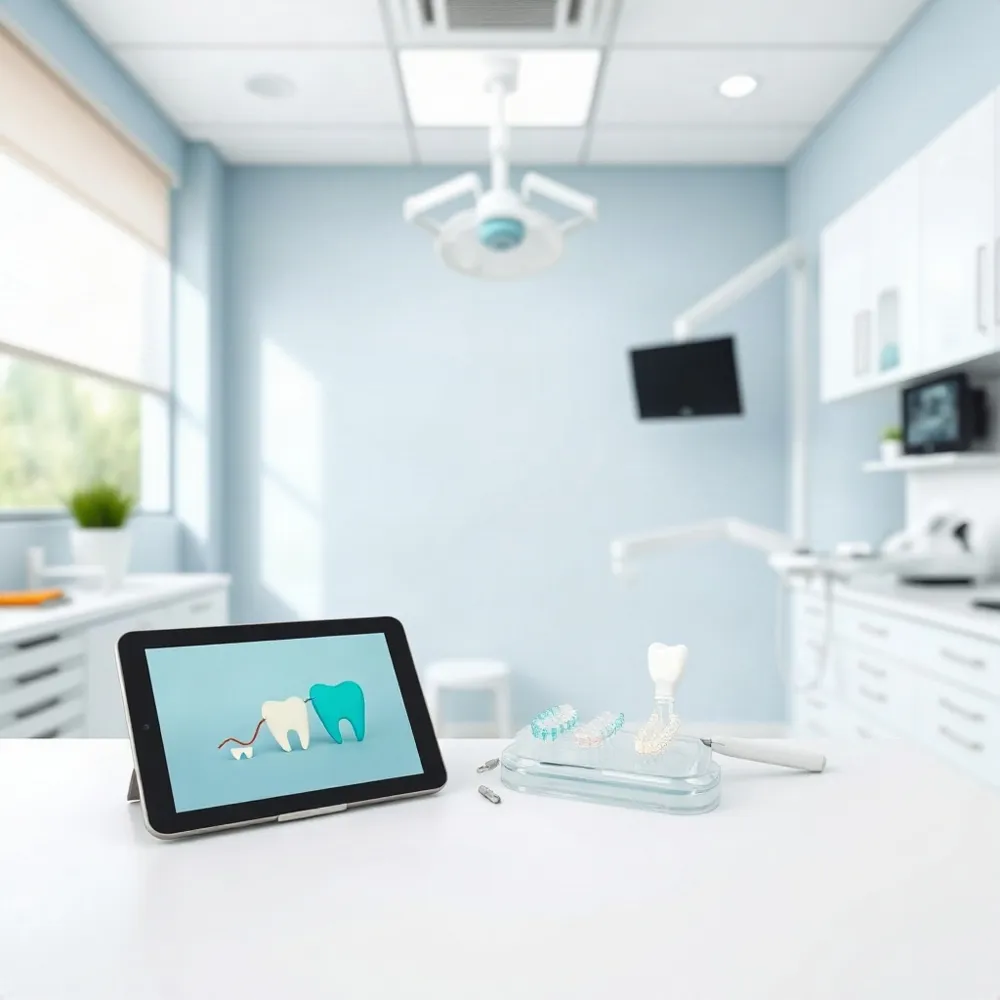 Invisalign treatment moves teeth in small stages. A patient wears a series of clear, custom-made removable aligners, with each set designed to guide teeth toward planned positions. The sequence and amount of movement are tailored to the individual case.
Planning starts with an assessment of tooth alignment, bite, and oral health. A dental professional uses scans or impressions to map the proposed movements and prepare aligners for that plan. At Best Choice Dental, treatment planning is part of the practice’s broader approach to modern dental care and is guided by each patient’s needs.
During treatment, patients wear each set according to their dentist’s instructions and switch aligners only on the prescribed schedule. They remove them for meals and for brushing and flossing, then put them back in as directed. Good oral hygiene and consistent wear help support progress.
Follow-up visits let the dental team check whether teeth are moving as planned and address fit or tracking concerns. The team may adjust instructions or recommend additional aligners if more refinement is needed. Regular monitoring also gives patients an opportunity to ask questions as treatment progresses.
The amount of correction and the results vary with each person’s starting alignment, bite, oral health, and response to treatment. Some changes may become noticeable during treatment, but a consultation is needed to discuss realistic expectations. After active treatment, a retainer worn as recommended helps maintain the new tooth positions.
For more detail on the mechanics of Invisalign clear aligners, see the practice’s overview of how they guide teeth gradually.
Typical Treatment Time Ranges
 For many patients, Invisalign treatment takes about 10 to 18 months. Some straightforward cases may finish in around six months, while complex alignment or bite concerns can require two years or longer. These are broad estimates, not guarantees; treatment length depends on the movements needed and how teeth respond.
The amount of crowding or spacing, tooth position, and bite concerns all shape the plan. Wearing aligners as directed, typically 20 to 22 hours a day, and attending follow-up visits can help treatment stay on schedule. Your dentist will provide instructions tailored to your plan rather than relying on a general timeline.
At Best Choice Dental in Totowa, an individualized estimate starts with evaluating tooth alignment, the bite, and oral health, then planning the movements needed. This assessment helps the dental team discuss a realistic timeframe and any factors that could affect it before treatment begins. For a broader discussion of Invisalign treatment time ranges, see the practice’s related article.
What Can Change the Schedule
The amount and direction of tooth movement needed can affect how long Invisalign treatment takes. Mild crowding or small gaps may need less adjustment than substantial spacing, rotated teeth, or changes to the bite.
Invisalign may close gaps and improve some overbites by moving teeth gradually with custom aligners. Whether it is suitable depends on the size of the gaps, the severity of the bite concern, tooth and jaw positions, and overall oral health. More involved cases may take longer or need a different orthodontic approach.
Some treatment plans include attachments or elastics to help guide particular movements. These aids are not needed for everyone, and a dental professional must determine whether they fit the treatment goals.
At Best Choice Dental, a clinical evaluation can assess alignment, bite, and oral health before treatment planning. This helps the team discuss whether Invisalign is appropriate and offer an estimate tailored to the individual, rather than relying on a general timeline.
Following the prescribed wear schedule, typically 20 to 22 hours daily, and attending progress visits can help keep treatment on track. The exact instructions and expected duration should come from the treating dental professional.
For more on how alignment needs can shape the choice of treatment, see the differences between Invisalign and traditional braces.
Early Changes and Checkups
Some patients notice subtle changes within the first few weeks of Invisalign treatment, while others may not see a difference until a few months have passed. Timing varies with the treatment plan and how each person’s teeth respond, so early progress is not a reliable measure of how soon treatment will finish.
Small changes can be difficult to spot from one day or aligner to the next. You might notice front teeth looking more aligned, mild crowding easing, or a small gap beginning to close. Comparing photos taken several weeks apart can make gradual movement easier to observe.
Following your dentist’s wear instructions supports the planned sequence. At Best Choice Dental, Invisalign care is part of a family practice that provides comprehensive dental services, so patients can discuss questions about alignment and oral health with their dental team.
Scheduled checkups give the dental professional a chance to assess whether teeth are tracking with the plan, review your progress, and discuss what to expect next. If a tray does not seem to fit as expected or you have concerns about movement, raise them at an appointment rather than judging progress by appearance alone.
Regular dental visits also help patients stay informed as treatment proceeds. The importance of regular dental checkups extends beyond watching for visible alignment changes, since dental professionals can also monitor oral health during care.
Daily Wear and Getting Started
 A good start depends on making aligner wear part of your daily routine. In general, aligners are worn for about 20–22 hours a day and removed for meals, drinks other than plain water, and brushing and flossing. The treating dental professional’s instructions take priority, since wear and care directions may vary by plan. Best Choice Dental’s guide to Invisalign also covers daily wear and getting started.
What is the 30-minute rule for Invisalign?
There is no single meaning of the “30-minute rule.” Some advice uses it to mean putting aligners back in promptly after eating and cleaning your teeth; other guidance suggests waiting about 30 minutes after eating or drinking. Follow the instructions from the professional overseeing your treatment. Keeping time without aligners brief and cleaning your teeth before reinserting them can support oral health and help you meet the prescribed daily wear time.
Is there a particularly difficult week when starting Invisalign?
There is no hardest week for everyone. The first few days with a new set are often the most noticeable, with temporary pressure or mild soreness as your mouth adjusts. A new set may bring a similar brief sensation, but intensity and duration differ from person to person. Follow your dentist’s schedule for changing aligners, and contact the dental team if pain is severe or persistent, or if a tray does not fit properly.
How long does it take to receive Invisalign aligners after a dental scan?
A four-to-six-week estimate from scan to first aligners includes more than fabrication. The dentist reviews the scan, prepares and checks the personalized treatment plan, and then the custom aligners are made and shipped to the practice. Timing can vary with the plan’s complexity, requested changes, and the office’s process. Best Choice Dental can provide a case-specific estimate and arrange a visit to check fit and explain wear and care once the aligners arrive.
Comparing Invisalign With Braces
For patients considering Invisalign, a clear-aligner option offered at Best Choice Dental, treatment may take less time than braces in some cases, but that is not guaranteed. The orthodontic problem and the tooth movements needed matter more than the appliance alone.
As a broad comparison, many Invisalign cases take about 12 to 18 months, while braces often take around 18 to 24 months. These estimates overlap and are not promises: a simpler case with braces may finish sooner than a more complex aligner plan, and individual treatment plans can fall outside these ranges. Best Choice Dental provides personalized dental care, so a useful estimate should be based on your own examination and goals.
Either approach may take longer when substantial crowding, spacing, or bite correction is needed. With aligners, wearing them as directed, often 20 to 22 hours a day, helps keep planned movements on track. Braces also require following the clinician’s instructions and attending follow-up visits; missed appointments or delayed adjustments can affect progress.
A dentist or orthodontic professional can compare the options after assessing your teeth, bite, and treatment goals. You can also read more about how Invisalign treatment duration compares with braces before discussing which approach fits your needs.
Costs and Retention After Treatment
The cost of Invisalign depends on the complexity of the case, the number of aligners needed, and what the treatment plan includes. A $6,000 quote may be typical for some patients, but it is not a universal price. Best Choice Dental describes treatment duration and planning as dependent on individual needs, so a consultation is the right time to request a personalized cost estimate.
Ask for an itemized estimate that clarifies whether the fee includes progress visits, refinement aligners, and retainers. You can also ask the practice whether dental insurance, payment plans, or HSA and FSA funds may help with out-of-pocket costs. Coverage and payment options vary, so confirm the details before treatment begins.
Active treatment ends when the planned aligner sequence is complete, but maintaining the result requires a separate retention phase. Retainers help reduce the chance that teeth will shift toward their earlier positions as the surrounding tissues adapt.
Many patients begin by wearing a removable retainer for much of the day and night, removing it for meals and oral hygiene. Once the dentist or orthodontist confirms that the teeth are stable, nighttime wear may be advised. The starting schedule depends on the patient and retainer type, and long-term use is often recommended, sometimes indefinitely.
Follow the wear instructions provided by your dental professional and attend recommended follow-up visits. These check-ins give the dental team a chance to assess stability and advise whether your retainer routine should change. For broader context on treatment expenses and what plans may include, see costs and retention after treatment.
Plan Around Your Individual Needs
An Invisalign timeline is an estimate, not a guarantee. The movements needed, how consistently you wear your aligners, and how your teeth respond during follow-up all help shape the treatment course.
At Best Choice Dental in Totowa, a dental professional can assess your teeth and bite, discuss whether aligners may suit your needs, and explain what daily wear involves. Ask how to handle fit concerns, missed wear, or an aligner that does not seem to fit as expected.
It is also helpful to plan for retention after active treatment. Retainers help maintain alignment, and your dental team can explain a schedule suited to your care. With clear expectations and regular communication, you can make informed decisions without relying on a promised result or completion date.