
Understanding Crown Recommendations
A dental crown is a custom cap that covers a tooth to help restore and protect it when damage, decay, or wear has weakened its structure. A dentist may recommend one when a filling alone cannot provide enough support, but a crown is not the right answer for every tooth.
Pain, sensitivity, or a visible crack can be reasons to seek an examination, but symptoms alone cannot show whether a crown is needed. The recommendation depends on the tooth’s condition, the amount of healthy structure that remains, and the patient’s oral health needs. A dentist can assess these factors and explain suitable options.
This guide covers common reasons for crowns, how material choices differ, and what to expect during preparation and placement. It also explains cost and coverage questions, crown lifespan and daily care, recovery, and possible drawbacks. At Best Choice Dental in Totowa, treatment planning is personalized, with modern dental technology available to support care suited to each patient.
What a Dental Crown Does
 A dental crown is a custom, tooth-shaped covering that fits over the entire visible part of a tooth. By restoring its shape and strength, a crown can help the tooth function during everyday chewing. “Dental cap” is another name for the same restoration.
Dentists may recommend crowns for several reasons: to strengthen a weak tooth, support a crack, or restore a tooth that is broken or worn down. A crown may also cover severe discoloration, protect a tooth after root canal treatment, cover a dental implant, or help hold a bridge in place. The American Dental Association’s overview of crowns describes their role in restoring and strengthening teeth.
Although a crown can improve a tooth’s appearance, its main purpose is restorative protection and function. Material and design depend on the tooth and the patient’s needs. At Best Choice Dental in Totowa, New Jersey, crown treatment is part of a broader range of dental services, and the dentist can explain how a proposed restoration fits an individual treatment plan.
A crown covers the whole tooth, while other restorations may address a smaller area. Learn more about what a dental crown does.
When a Tooth May Need Coverage
A tooth may need a crown when extensive decay, a crack or fracture, a large or failing filling, or substantial wear leaves too little sound structure for a smaller repair. Dentists may also consider a crown after root canal treatment if the remaining tooth needs added support. The American Dental Association’s guidance on crowns notes that crowns can protect weak teeth and restore broken ones.
A filling repairs a limited area. A crown covers the tooth and can support the remaining structure when a filling may not provide enough protection. At Best Choice Dental in Totowa, the dentist evaluates the individual tooth before discussing restorative options, including custom dental crowns.
A tooth can need evaluation even when it does not hurt. Discomfort when biting or sensitivity to hot and cold can point to a problem, but neither symptom proves that a crown is necessary. Likewise, a lack of pain does not rule out damage. The Cleveland Clinic’s overview of dental crowns explains that the tooth’s condition and the patient’s oral-health needs guide the decision.
An examination, and sometimes X-rays, can help a dentist assess decay, cracks, and the amount of healthy tooth structure left. Depending on the findings, treatment may involve a filling, an inlay or onlay, a crown, or another approach. A crown is not the right choice for every damaged tooth, so ask the dentist to explain what the examination shows and why a particular option fits your needs.
Choosing a Crown Material
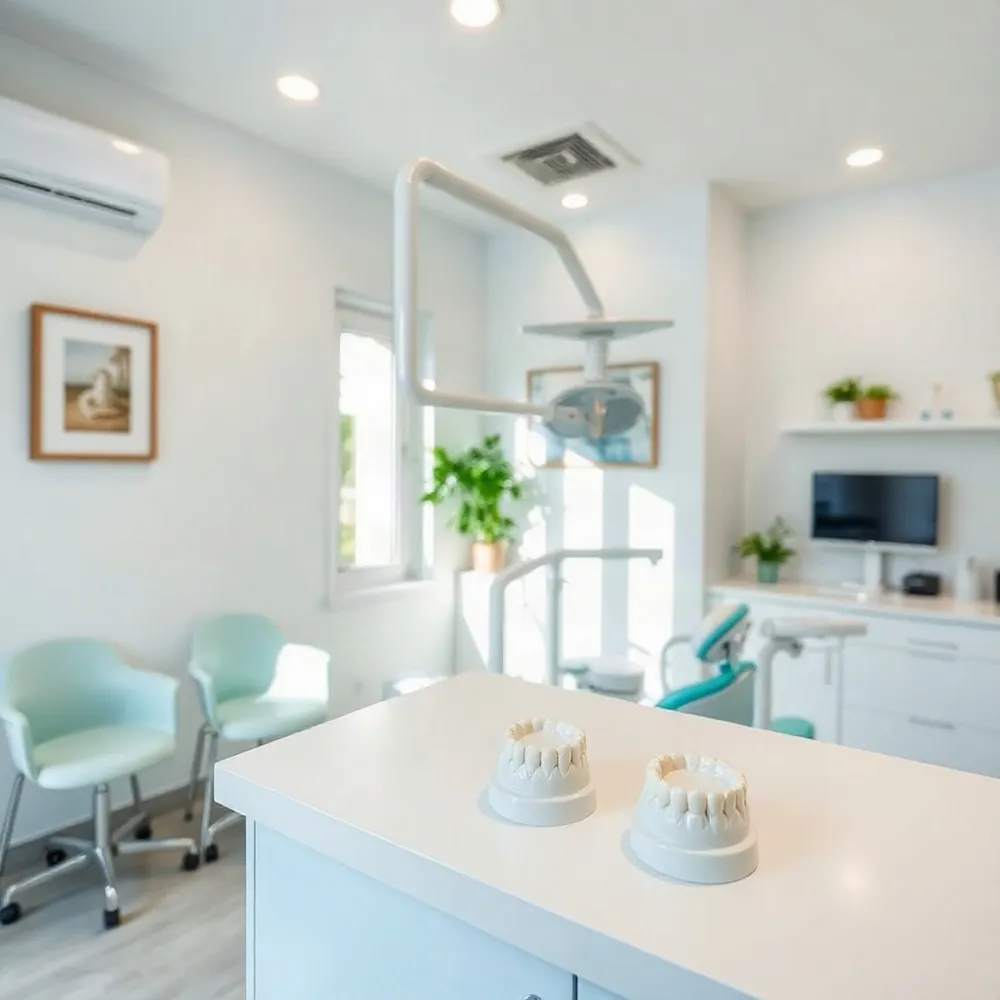 The right crown material depends on where the tooth sits, the forces it handles when you bite, your oral-health needs, appearance preferences, and budget. At Best Choice Dental, material selection can be discussed as part of a personalized treatment plan, rather than treating one option as right for everyone.
Metal crowns are durable and withstand chewing forces, but their metallic color is more noticeable, so they may be considered for less visible teeth. Porcelain-fused-to-metal crowns combine a metal base with a tooth-colored surface. The porcelain can chip, however, and opposing teeth may experience enamel wear. The American Dental Association’s crown guidance describes crowns as an option for restoring and strengthening teeth.
All-ceramic or porcelain crowns can closely mimic natural enamel and may suit people with metal allergies. Zirconia is a ceramic option noted for durability and gentleness on opposing teeth. These features may inform the choice for visible teeth or teeth that bear substantial chewing forces, but a dentist should consider the individual bite and tooth condition.
Resin crowns generally cost less than other types but are more fragile, so resin is often used for temporary crowns. There is no universally best material: a dental evaluation helps balance strength, appearance, and cost. Patients considering options can also review crown material choices in the context of the tooth’s location and needs.
From Tooth Preparation to Placement
 A crown procedure starts with an examination and treatment plan. The dentist checks the tooth and may take X-rays, then numbs the area and removes decay if needed. To make room for the crown, the dentist reshapes the tooth, which involves removing some natural enamel.
Next, the dentist records the tooth’s shape with a physical impression or digital scan. A temporary crown usually protects the prepared tooth while a dental laboratory makes the permanent restoration. Laboratory fabrication commonly takes two to three weeks or longer, so traditional treatment generally involves a preparation visit and a later placement appointment. The preparation visit often takes about 60 to 90 minutes, though timing varies. Cleveland Clinic’s overview of crown treatment describes the usual two-appointment process and laboratory timeline.
At the later visit, the dentist removes the temporary crown and checks the permanent one for fit, shape, color, and bite. Adjustments may be made before the crown is bonded to the tooth with dental cement. Best Choice Dental provides a range of dental services and can discuss the steps and timing that fit a patient’s treatment plan.
Some dental offices use computer-aided design and manufacturing (CAD/CAM) technology to scan, design, and mill a ceramic crown in the office, which may allow treatment in one visit. Same-day treatment is not suitable for everyone, and additional care or individual circumstances can affect the schedule. A dentist can explain whether this approach is appropriate after examining the tooth. For a closer look at digital crown technology, see how CEREC crowns change the patient experience.
Understanding Cost and Coverage
A dental crown may cost roughly $900 to $3,000 or more before insurance, but this broad range is not a quote or guarantee. The final fee depends on factors such as the crown material, the tooth’s location, and the complexity of treatment.
Material can affect the price, but there is no single fee that applies to every case. Your dentist can explain how the options fit your tooth and treatment needs. For background on crown types and treatment, see the Cleveland Clinic’s guide to dental crowns.
Dental insurance may pay part of the cost when a crown is considered medically necessary, but coverage varies by plan. Your deductible, annual maximum, network status, and policy limits can all affect your out-of-pocket amount. The American Dental Association’s overview of crowns describes common reasons dentists recommend them, though your plan determines its own benefits.
Before treatment, ask the dental office to review your benefits and provide an individualized estimate based on your treatment plan and insurance details. Patients considering care at Best Choice Dental in Totowa can discuss their needs with the practice’s team, which provides personalized dental care for patients of all ages.
Longevity and Everyday Crown Care
A crown can protect a tooth for years, but it is not permanent. With proper care, crowns commonly last about five to 15 years, and some last longer; the result varies with the material, the tooth’s condition, oral hygiene, and biting habits. Cleveland Clinic’s guide to dental crowns describes this typical lifespan.
Cracks, chips, wear, or loosening can mean a crown needs repair or replacement. Decay or other problems in the natural tooth beneath it may also affect how well the restoration lasts. A crown covers the tooth, but it does not prevent decay, especially near the gumline.
Daily cleaning and routine checkups help protect both the crown and the tooth underneath. Best Choice Dental provides comprehensive dental care in Totowa, using advanced technology and a commitment to personalized, comfortable care. Regular exams and cleanings can help the dentist monitor a restoration and address concerns.
Brush at least twice a day with fluoride toothpaste and a soft-bristled toothbrush, and floss daily. Avoid chewing ice, very hard foods, and sticky sweets that could damage or dislodge a crown. If you grind or clench your teeth, ask your dentist whether a custom mouth guard may help protect it.
At routine visits, tell the dentist about changes such as a loose crown, a new chip, or discomfort. An examination can help determine whether the crown is sound or needs attention.
Recovery and Signs to Contact a Dentist
Most people return to their usual activities soon after crown placement. Mild sensitivity to hot or cold and tenderness around the gums can occur, but these effects should ease as the area settles. The Cleveland Clinic’s guidance on dental crowns notes that sensitivity may last a couple of weeks, while gum soreness generally improves within a few days.
Follow the care instructions from your dentist. While the tooth feels tender, choose softer foods and avoid very hard or sticky items that could irritate the area or disturb the crown. Brush gently with fluoride toothpaste and floss daily, taking care around the gumline. At Best Choice Dental, follow-up care can help the team assess how the crown and surrounding tooth are settling.
A new crown may feel unfamiliar at first, but your bite should feel comfortable and natural. If it feels uneven or remains uncomfortable, contact the dental office rather than trying to adjust to it. An early check can help the dentist determine whether the crown needs attention.
Contact a dentist if pain is severe, persistent, or worsening instead of improving. Also call if the crown feels loose, develops a crack or chip, has a sharp edge that irritates your tongue or gums, or is accompanied by bad breath or a bad taste. Some temporary sensitivity is expected, but significant or ongoing discomfort deserves professional assessment.
Benefits and Possible Drawbacks
A crown can help preserve a natural tooth, restore chewing, protect weakened areas from everyday wear, and improve appearance. The right choice depends on the tooth’s condition and your oral-health needs, as explained in the Cleveland Clinic’s guide to dental crowns.
There are trade-offs. Preparing a tooth requires removing some natural enamel, and temporary sensitivity or discomfort can occur afterward. Crowns can also chip, crack, loosen, or feel uneven if the fit or bite needs adjustment. Allergic reactions are rare.
A crown does not make the tooth immune to decay. Bacteria may contribute to decay around or beneath a crown if its fit is poor or cleaning near the gumline is difficult. Brush and floss carefully, keep regular dental visits, and contact your dentist about persistent pain or sensitivity, swelling, a bad taste, or a loose crown.
A severely damaged tooth may not have a predictable outcome with a crown. Depending on the examination, a dentist may discuss alternatives, including extraction and an implant. At Best Choice Dental in Totowa, treatment planning can take account of the tooth’s condition, material options, and expected costs before you decide.
A Personalized Treatment Decision
A crown can protect and restore a tooth that has lost substantial strength, but a crack, cavity, or sensitivity alone does not mean one is necessary. The American Dental Association’s guidance on crowns describes their role in strengthening weak teeth and restoring broken ones; the right option depends on what an examination shows.
At Best Choice Dental in Totowa, a dentist can assess the tooth and explain whether a crown, a smaller restoration, or another approach fits your needs. Ask how the tooth’s condition, material choices, expected treatment steps, and costs shape the recommendation. Best Choice Dental’s crown services include personalized planning for damaged or weakened teeth.