Why Sterilization Matters
Patient safety is the cornerstone of every dental visit. By rigorously cleaning, disinfecting and heat‑sterilizing all instruments—whether critical scalers, semicritical handpieces, or non‑critical surface barriers—our office eliminates the microbes that could cause cross‑contamination. This workflow follows CDC, OSHA and ADA guidelines, which require weekly biological (spore) testing, per‑load chemical indicators, and documented mechanical parameters for every autoclave cycle. Keeping detailed logs and adhering to state‑mandated record‑keeping not only meets legal standards but also demonstrates our commitment to transparency. When patients see that we maintain a spotless, validated sterilization program, confidence in our care grows, reinforcing our reputation for safe, high‑quality dentistry. It also supports our broader service offering—from routine cleanings to complex implant procedures—by ensuring every tool is reliably sterile, allowing us to focus on delivering personalized, comfortable treatment with the latest technology.
CDC Sterilization Guidelines, Standard Method, and Common Methods
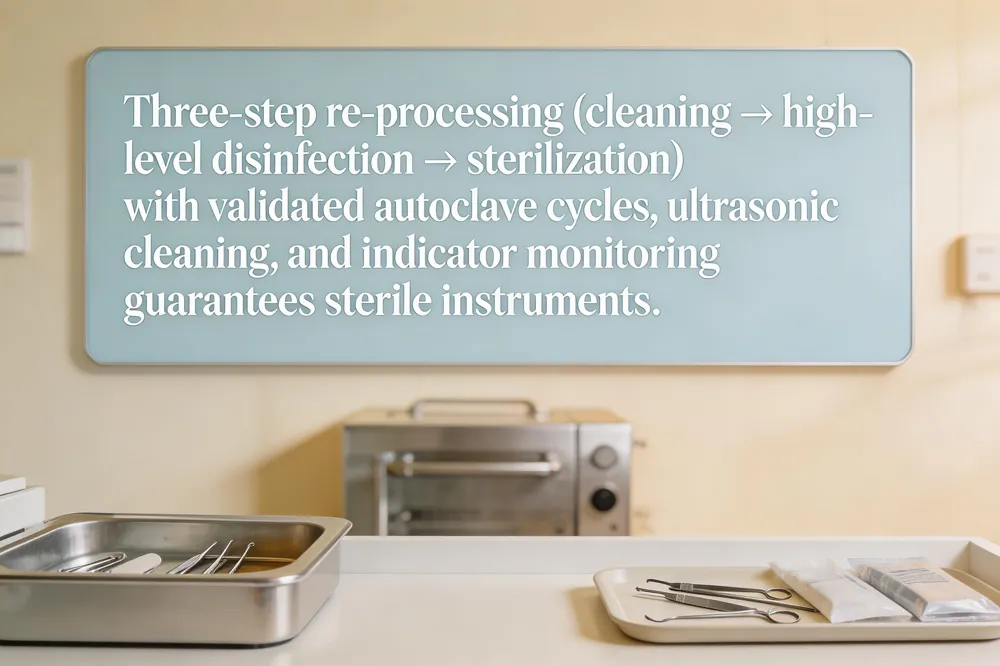 At our practice we follow the CDC’s three‑step re‑processing sequence for every instrument: cleaning, high‑level disinfection, and sterilization to remove blood and debris, high‑level disinfection of surfaces, and finally sterilization—most often by a validated autoclave cycle. Instruments are classified by risk: critical items — must always be heat‑sterilized (those that penetrate tissue); semicritical items — heat‑sterilized whenever possible, otherwise high‑level disinfection (touch mucous membranes); non‑critical items — need only cleaning and low‑level disinfection when visibly soiled. The standard method in dental clinics is steam sterilization in an autoclave, which uses saturated steam at 121 °C–134 °C under pressure to achieve a 12‑log reduction of microbes. Before autoclaving, we employ ultrasonic cleaners and FDA‑approved packaging to ensure steam penetration. In addition to steam, we have heat‑based dry‑heat units for metal tools, chemical‑vapor systems for heat‑sensitive instruments, and newer plasma (hydrogen‑peroxide) technologies that safely sterilize delicate optics and plastics. All cycles are monitored with mechanical, chemical, and biological indicators, and every load is logged for traceability. This rigorous, technology‑driven approach guarantees that every instrument you encounter in our office is safe, sterile, and ready for personalized, comfortable care.
Dental Hygiene Assessment Overview
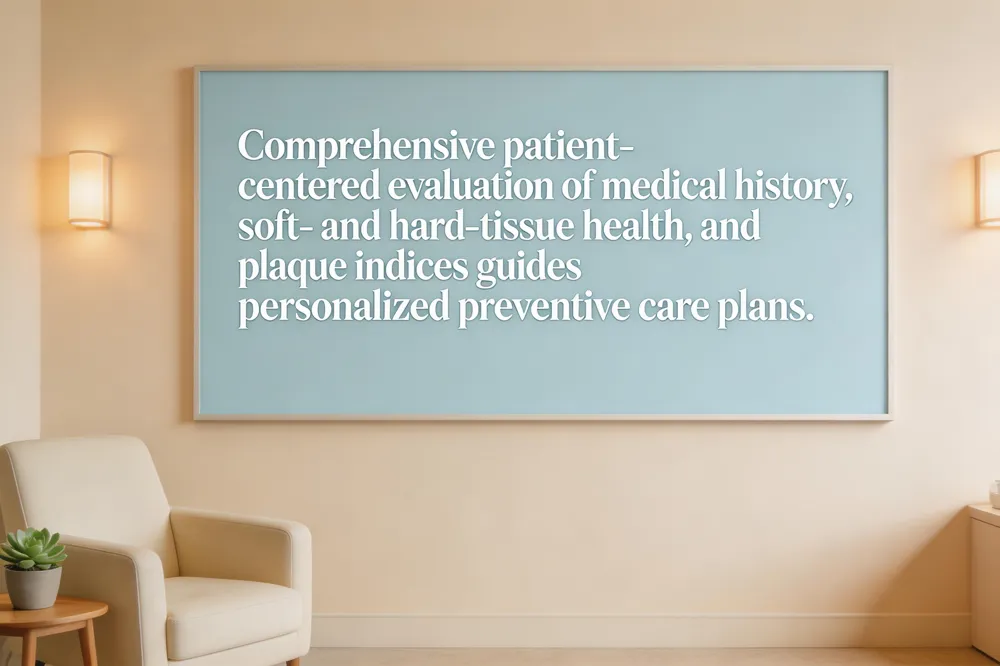 A dental hygiene assessment is a comprehensive, patient‑centered evaluation of oral health performed by a skilled hygienist. It begins with a detailed review of medical and dental history, followed by a visual inspection of soft tissues (lips, cheeks, tongue, palate) and hard tissues (teeth and gums). Using a periodontal probe, the hygienist measures pocket depths, records plaque and gingival indices, and checks for early signs of decay or gum disease. Advanced technology such as digital radiography and ultrasonic cleaning tools enhances accuracy and comfort. Based on these findings, a personalized preventive care plan is crafted—often including a professional cleaning, fluoride treatment, customized home‑care instructions, and a schedule for regular follow‑ups. This proactive approach helps identify issues early, protects patients of all ages, and reflects our practice’s commitment to safe, comfortable, and high‑quality dental care.
Handpiece Sterilization Protocol
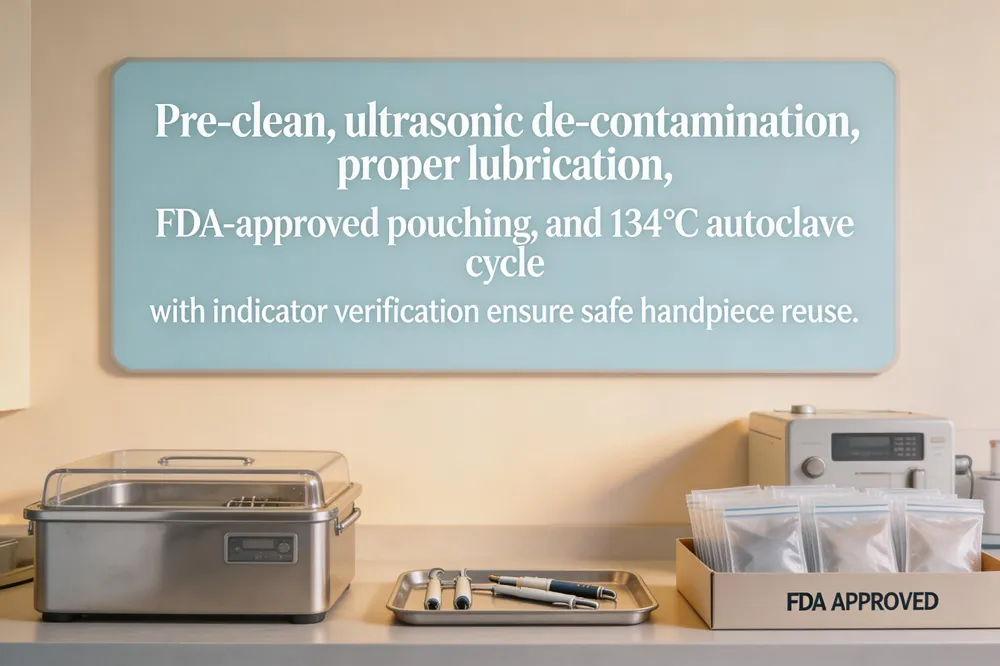 At our practice, every dental handpiece undergoes a rigorous, patient‑centered cleaning process to ensure safety and comfort. Pre‑cleaning and ultrasonic cleaning – after each use the handpiece is detached, brushed with an enzymatic detergent to remove biofilm, rinsed, and placed in an ultrasonic cleaner for at least five minutes to eliminate hidden debris. Lubrication and packaging – once dry, the handpiece is lubricated exactly as the manufacturer recommends, then sealed inside a FDA‑approved sterilization pouch that includes an internal chemical indicator. Autoclave cycle parameters and verification – the pouch is loaded into a calibrated autoclave and run at 134 °C (273 °F) for the minimum three‑minute exposure (or the cycle specified by the device’s cleared protocol). The color‑changing indicator confirms proper temperature, pressure, and time; a weekly biological spore test validates the entire process. All steps are logged in our infection‑control record, and the sterilized handpiece is stored in a dry, sealed cabinet until the next patient, reflecting our commitment to cutting‑edge technology, personalized care, and uncompromising infection control.
Sterilization Room Requirements and Layout
 A modern dental practice treats every instrument as a potential source of infection, so the sterilization room is designed as a dedicated, climate‑controlled zone separate from treatment areas. The space is kept at 20‑25 °C with controlled humidity, and a HEPA‑filtered ventilation system continuously refreshes the air to protect staff and patients.
The workflow is divided into three clearly marked zones: dirty, clean, and sterile. Instruments move in a one‑way flow—from a hand‑free, hot‑water sink in the dirty zone, through an ultrasonic cleaner and inspection station in the clean zone, and finally into an autoclave located in the sterile zone. Wrapped packages are stored on labeled, temperature‑controlled cabinets away from sinks and traffic.
Ergonomic stainless‑steel work surfaces, overhead lighting, and floor markings keep staff comfortable and reduce cross‑contamination. All SOPs, manufacturer instructions, and safety data sheets are posted for easy reference, demonstrating the practice’s commitment to advanced technology, personalized care, and a safe, comfortable environment for every patient.
Instrument Sterilization Workflow, Steps, and Resources
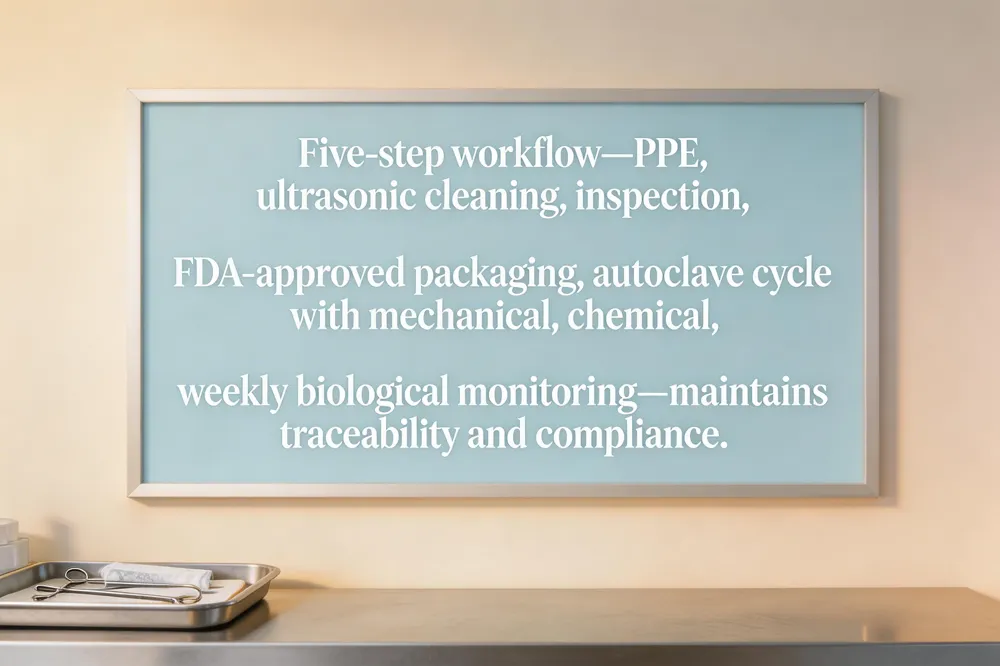 At our office we follow a strict, five‑step instrument reprocessing workflow that begins with thorough cleaning. After each patient the dental team dons PPE, removes gross debris, and places instruments into an ultrasonic cleaner or washer‑disinfector with enzymatic detergent. A full 15‑minute cycle eliminates residual organic matter, followed by a sterile water rinse and careful drying on a clean towel.
Once dry, each item is inspected, then packaged in FDA‑approved pouches or wraps that allow steam penetration. Packages are labeled with the autoclave type, cycle number, sterilization date and expiration date, ensuring traceability.
The autoclave runs at a minimum of 121 °C for 30 minutes (or 134 °C for 3 minutes) and records temperature, pressure and time. Mechanical indicators are logged, chemical indicator strips change color inside every pack, and a weekly biological (spore) test confirms microbial kill. All results are entered into a digital log that meets state and CDC requirements.
Staff can access our downloadable PDF protocol and PowerPoint training files on the intranet. These resources detail every step—from ultrasonic washing to indicator verification—and support continuous education, reinforcing our commitment to safe, comfortable care for every patient, ensuring a smile in every visit.
OSHA Requirements and Staff Training
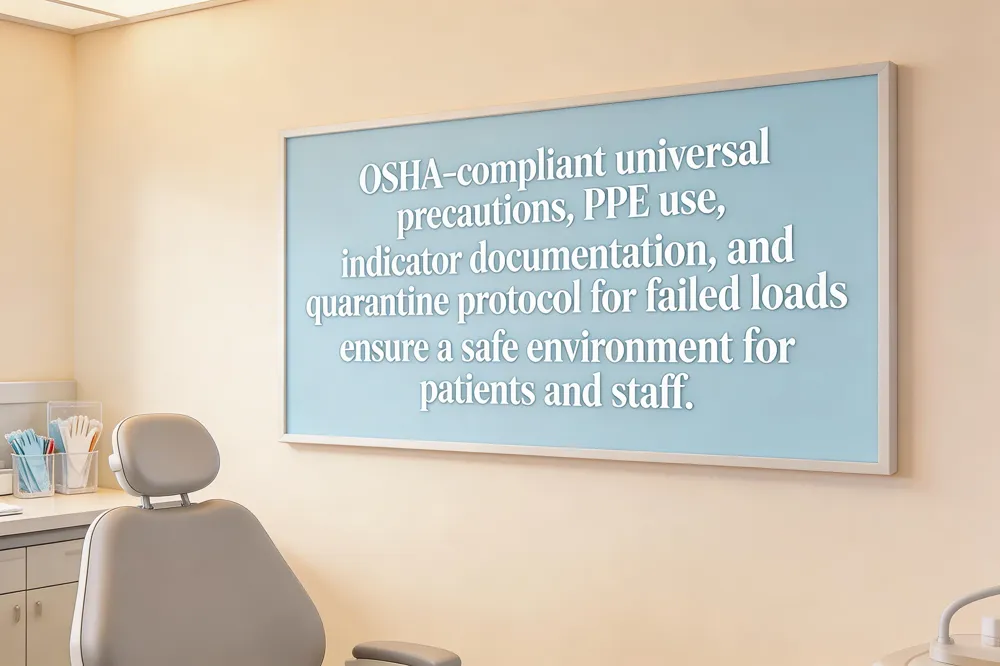 At Best Choice Dental we treat every instrument as potentially contaminated and follow OSHA’s universal‑precautions classification—critical items are steam‑sterilized, semicritical tools receive heat sterilization or high‑level disinfection, and non‑critical items are cleaned and EPA‑registered disinfectants. Our entire team completes OSHA‑compliant infection‑control training that covers proper cleaning, ultrasonic pre‑cleaning, packaging, autoclave operation, and the use of chemical and biological indicators. Staff wear gloves, masks, eye protection and gowns, and they document each cycle’s temperature, pressure and time, plus indicator results, in a traceable log. When a monitor fails, we quarantine the load, investigate the cause and repeat testing until three consecutive negative spore tests are achieved. This rigorous training and documentation ensure a safe, comfortable environment for patients while supporting our broad range of advanced dental services.
Practical Oral Health Rules and Practice Efficiency
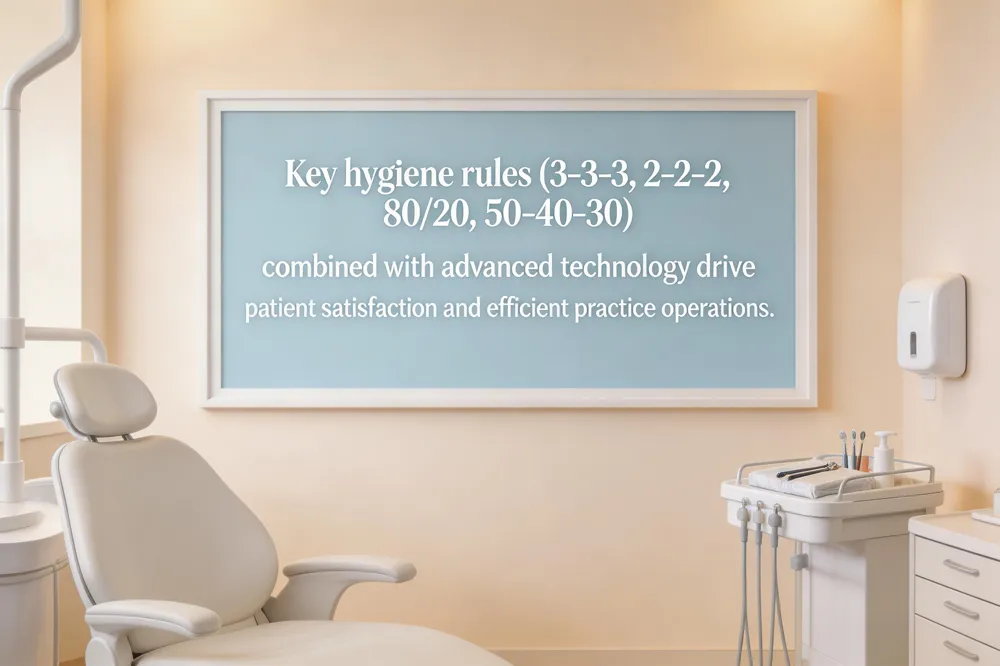 At our practice we combine state‑of‑the‑art sterilization, digital imaging, and a warm, patient‑centered approach to keep your smile healthy and comfortable.
What is the 3‑3‑3 rule for teeth? Brush three times a day, for three minutes each session, and wait at least three hours after eating before brushing again. This habit helps control plaque and protects enamel after acidic foods.
What is the 2‑2‑2 rule for oral hygiene? Brush twice daily for two minutes each time and schedule a dental visit twice a year for professional cleanings and exams.
What is the 80/20 rule in dentistry? Roughly 80% of patient satisfaction and practice revenue comes from 20% of key services—such as preventive care, cosmetic dentistry, and efficient workflow—so we focus on those high‑value areas to deliver exceptional results.
What is the 50‑40‑30 rule in dentistry? These aesthetic proportions guide smile design: the central incisor occupies 50% of the visible smile width, the lateral incisor 40%, and the canine 30%, ensuring natural‑looking restorations.
By following these simple guidelines and leveraging our advanced technology, we help families achieve lasting oral health with confidence.
Putting It All Together – Your Checklist Before Scheduling
When you’re ready to book an appointment, a quick checklist can give you confidence in the safety of the care you’ll receive. First, ask to see the practice’s sterilization logs and the results of chemical and biological indicators; a transparent record shows that every instrument load is verified for proper temperature, pressure, and spore kill. Next, confirm that there is a dedicated sterilization area isolated from the clinical zone—this prevents cross‑contamination and ensures a clean, organized workflow. Inquire about staff training and compliance with OSHA’s Bloodborne Pathogens Standard and CDC infection‑control guidelines; regular competency checks and documented education mean the team stays current on best practices. Finally, learn about the office’s oral‑health education policies—personalized hygiene instruction and preventive counseling are hallmarks of a practice that values your long‑term comfort and wellness. By covering these points, you’ll know the practice is committed to safety, advanced technology, and personalized, comfortable dental care.