Introduction to Modern Dental Innovations
Advancements in Dental Technology
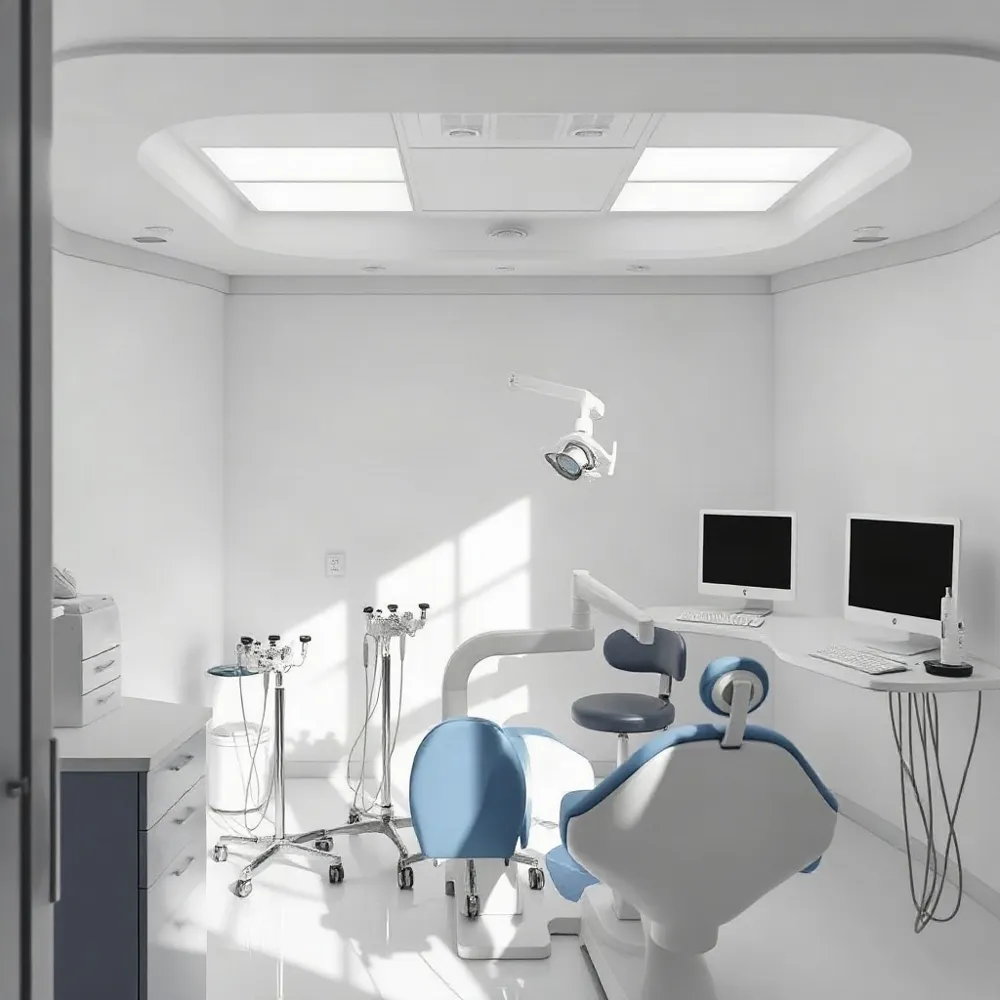
Modern dentistry has experienced remarkable progress through the integration of advanced technologies. Innovations such as digital impressions, CAD/CAM design software, and 3D milling machines enable precise and efficient fabrication of restorations like crowns and implants.
These technologies improve patient convenience by reducing treatment time. For example, CEREC crowns can be designed and placed in a single appointment, eliminating multiple visits and uncomfortable molds.
Importance of Modern Solutions in Dental Care
Modern dental solutions not only streamline procedures but also enhance the quality and longevity of treatments. High-quality ceramic materials provide natural aesthetics and durability, while digital methods ensure accurate fit and comfortable outcomes.
In addition, innovations in implant planning and sedation techniques contribute to personalized, minimally invasive care that improves comfort and patient confidence. Embracing these advances supports better oral health and patient satisfaction.
CEREC Crowns: Efficient and Aesthetic Dental Restorations
What Are CEREC Crowns and How Are They Made?
CEREC crowns are ceramic dental restorations crafted using advanced digital technology called CAD/CAM (computer-aided design and manufacturing). This process begins with an digital impressions with intraoral scanner capturing a detailed 3D digital impression of your tooth, eliminating the need for messy molds. A highly precise crown design is created on a computer using CAD technology for crown design then milled on-site from a strong ceramic block with an on-site milling machine. This innovative method allows for creating a two-hour crown procedure during a single-visit crown placement.
How Does Single-Visit Crown Placement Work?
Once the digital scan and design are complete, the crown is milled right in the dental office using a specialized milling machine. After a quick fit check and adjustments if needed, the chairside crown is bonded to your tooth, restoring its function and appearance immediately. This same-day procedure eliminates the need for temporary crowns or multiple appointments, providing convenience and reducing treatment time.
Materials and Durability of CEREC Crowns
CEREC crowns are typically made from high-quality ceramic crowns or resin materials that closely mimic the natural look of teeth. These materials are durable, stain-resistant, and biocompatible, ensuring your restoration blends seamlessly with surrounding teeth. With proper oral hygiene and routine dental care, CEREC crowns can last many years, offering reliable longevity similar to Traditional crowns overview.
Advantages and Disadvantages Compared to Traditional Crowns
CEREC crowns offer numerous benefits including faster treatment times, no temporary crowns needed, reduced tooth structure removal, and excellent aesthetics due to precise digital design. However, they may not be the best option for all cases. Compared to traditional metal crowns or porcelain-fused-to-metal crowns, CEREC crowns might be less durable for patients with heavy biting forces or extensive tooth damage. Porcelain materials used in CEREC crowns can be more susceptible to chipping or cracking. In complex dental cases, traditional crowns may provide stronger and longer-lasting solutions. Minor fit adjustments might also be necessary despite digital precision.
CEREC crowns represent a modern, efficient, and patient-friendly approach to restorative dentistry, balancing convenience, comfort, and natural-looking results for many dental needs.
Invisalign: The Clear Alternative to Traditional Braces
What are Invisalign aligners?
Invisalign aligners are clear plastic trays made from a patented thermoplastic called SmartTrack material in Invisalign aligners. Designed to discreetly and comfortably straighten teeth, they serve as an attractive alternative to traditional braces. Custom-fitted using advanced 3D imaging, these aligners cater to patients of all ages — children, teens, and adults alike. Treatment typically lasts between 6 to 18 months, often achieving results up to 50% faster than conventional braces. Patients receive a series of removable aligners, each worn for one to two weeks, allowing for convenient daily wear and removal. For more information on the technology and materials behind Invisalign, see digital dentistry technologies.
How does the Invisalign treatment process work?
The treatment begins with an initial consultation and a personalized digital treatment plan. From there, patients receive their first set of custom aligners to wear almost all day, removing them only for eating, drinking (besides water), and oral hygiene. The progress is monitored regularly, and aligners updated accordingly until the desired alignment is achieved. This process benefits from CAD/CAM in dentistry and personalized dental treatment planning.
What recent improvements have enhanced Invisalign technology?
New advancements include the SmartTrack material in Invisalign aligners, offering improved fit and comfort for better tooth control. The SmartStage technology optimizes progression through aligners, resulting in smoother and more predictable tooth movements. Aligners are now easier to insert and remove, greatly enhancing patient comfort and compliance. These innovations are part of the broader emerging trends in dental technology.
What orthodontic benefits and patient experiences does Invisalign offer?
Invisalign’s nearly invisible design makes it a popular cosmetic choice. The removable aligners allow patients to maintain their usual oral hygiene routines without extra effort. Many find treatment less painful and more convenient compared to traditional braces, enabling them to eat and speak normally throughout the process. These benefits reflect the advantages seen in digital dentistry technologies.
Why do some patients discontinue Invisalign treatment early?
Some prematurely stop treatment due to early satisfaction with results, discomfort, the long commitment required, or challenges keeping up with aligner wear. These factors underscore the importance of patient motivation and careful management by dental professionals.
What is the 30-minute rule for Invisalign treatment?
The 30-minute rule advises patients to reinsert their aligners within 30 minutes after meals or oral care. This helps prevent plaque buildup and protect both teeth and aligners from damage, ensuring consistent progress and maintaining oral health. Delays in reinserting aligners can hinder treatment effectiveness and cause discomfort.
In summary, Invisalign offers a comfortable, efficient, and aesthetically pleasing orthodontic option, supported by recent technological innovations and patient-centered protocols to maximize treatment success. For more on advanced orthodontic treatments, refer to digital dentistry technologies.
Digital Dentistry Advancements: CAD/CAM and 3D Printing
Role of CAD/CAM technology in creating dental restorations
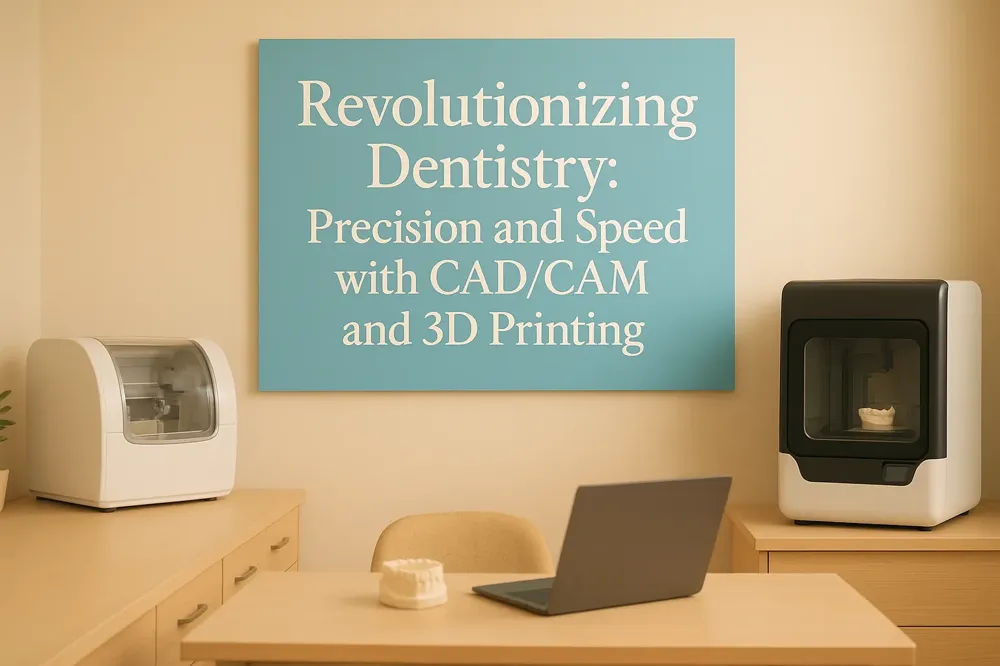
CAD/CAM technology has revolutionized dental restorations by enabling precise, custom dental restorations and other prosthetics in a single visit. Using digital impressions captured by intraoral scanners, dentists design restorations with CAD software design. These designs are then milled onsite from ceramic blocks by on-site milling machine, producing high-quality ceramic crowns efficiently.
Integration with intraoral scanners and milling machines
The workflow of digital dentistry technologies integrates intra-oral cameras that capture 3D digital models directly in the mouth, eliminating the need for messy traditional molds. These models feed into CAD technology for crown design for accurate crown design. Milling machines then fabricate the restoration onsite within minutes, allowing patients to receive durable crowns like CEREC crowns in approximately two hours, improving convenience and comfort.
Impact of 3D printing on dentistry
3D printing in dental restorations is rapidly advancing precision dentistry by enabling the production of crowns, bridges, dentures, and surgical guides with remarkable accuracy and speed. This technology complements CAD/CAM in dentistry by allowing fast, cost-effective, and highly customizable restorations. It supports same-day treatments and complex cases, enhancing patient outcomes and practice efficiency.
Benefits such as precision, speed, and patient comfort
Digital dentistry technologies offer significant benefits including high precision for optimal fit, durability, and aesthetics. The speed of digital workflows reduces multiple appointments, minimizing patient inconvenience. Non-invasive digital impressions with intraoral scanner replace traditional molds, increasing comfort. These advances also reduce chair time and enable single-visit crown placement, improving overall patient experience.
Predicted technological trends by 2025
By 2025, dental care will further embrace AI-powered diagnostic tools in dentistry for earlier and more accurate detection of cavities and diseases. Digital impressions with intraoral scanner will become standard with enhanced intraoral scanners. 3D printing will gain broader use for complex restorations and surgical guides. Minimally invasive laser techniques and robotic-assisted implant procedures will improve precision and reduce patient recovery time. Cloud-based software and augmented reality will streamline practice workflows and patient education, ushering in a new era of personalized, efficient dental care.
Orthodontics Evolution: Innovations Beyond Invisalign
What are the latest innovations in orthodontics?
Modern orthodontics is rapidly evolving with a host of groundbreaking technologies designed to improve patient care and treatment outcomes. Beyond Invisalign's clear aligners, new methods like micro-osteoperforation technology are emerging. Developed to speed up tooth movement, micro-osteoperforation uses a special device to create tiny perforations in the gums, which helps reduce orthodontic treatment time significantly.
Artificial intelligence in dental diagnostics (AI) plays an increasingly vital role in orthodontics by enhancing diagnostic accuracy and treatment planning. AI analyzes dental imaging and large datasets to predict tooth movement and develop personalized treatment plans, ensuring more effective results. Teleorthodontics also provides patients with the convenience of remote consultations and follow-ups, expanding access to care and reducing the need for frequent office visits.
These innovations contribute to faster, more comfortable treatments that adapt to the unique needs of each patient. With digital 3D imaging and printing, custom orthodontic appliances are made with precision, resulting in better fitting devices and improved comfort throughout treatment. Together, these advancements represent a new era of orthodontics focused on efficiency, patient comfort, and highly personalized care.
Maintaining Dental Innovations for Lasting Results
Why Is Oral Hygiene Crucial for Longevity of Dental Treatments?
Maintaining excellent oral hygiene is essential for extending the lifespan of modern dental treatments like CEREC crowns and Invisalign aligners. Good habits prevent decay, gum disease, and complications that could compromise restorations or orthodontic results.
What Is the 2-2-2 Rule in Dentistry?
The 2-2-2 rule is a simple guideline for maintaining oral health:
- Brush your teeth twice a day.
- Brush for two minutes each time.
- Visit your dentist for a check-up and cleaning twice a year. This routine supports healthy gums and teeth, key to preserving dental work.
What Should Patients Do to Care for CEREC Crowns and Invisalign?
Patients with CEREC crowns should avoid habits that may damage the ceramic surface and keep up with regular brushing and flossing to prevent plaque buildup.
For Invisalign users, wearing aligners as instructed, cleaning them daily, and maintaining good oral hygiene help ensure effective treatment and protect natural teeth.
Regular dental visits allow your dentist to monitor the condition of your restorations and orthodontic progress, making adjustments as needed for the best results.
The Future of Personalized, Efficient Dental Care with CEREC and Invisalign
Rapid, Precise Restorations with CEREC
CEREC (Chairside Economical Restoration of Esthetic Ceramics) crowns represent a significant leap forward in restorative dentistry. By using advanced CAD/CAM technology, dentists take digital impressions and mill custom ceramic crowns on-site, often completing the entire procedure in about two hours. This approach removes the need for temporary crowns and multiple visits, offering patients convenient, high-quality restorations that blend naturally with their teeth. The ceramic crowns created are durable, metal-free, and color-matched for excellent aesthetics, with studies showing a success rate above 85% after 10 years.
Discreet and Comfortable Orthodontics with Invisalign
Invisalign revolutionized orthodontics by introducing clear, computer-designed plastic aligners to correct misaligned teeth without the discomfort and visibility of traditional braces. Each aligner is custom-made using precise digital scans, allowing for a tailored fit that progressively adjusts teeth position with minimal impact on daily life. This innovation streamlines orthodontic treatment, making it more accessible and appealing to a broader range of patients seeking discreet smile improvements.
Enhanced Experience and Outcomes
Both CEREC and Invisalign demonstrate how modern dental technology elevates patient comfort and satisfaction. Reduced treatment times, fewer appointments, and minimally invasive procedures lessen anxiety and disruption to routines. The precision of digital design and fabrication ensures better fitting restorations and aligners, enhancing treatment effectiveness and durability.
Looking Ahead: Continued Innovation
The future of dental care is poised for further personalization and efficiency. Integration of artificial intelligence for diagnostics, 3D printing for faster restorations, and regenerative therapies signal upcoming advancements that will continue to transform patient care. Practices adopting technologies like CEREC and Invisalign today set a strong foundation for embracing these next-generation solutions, delivering individualized, comfortable, and cutting-edge dental health services.