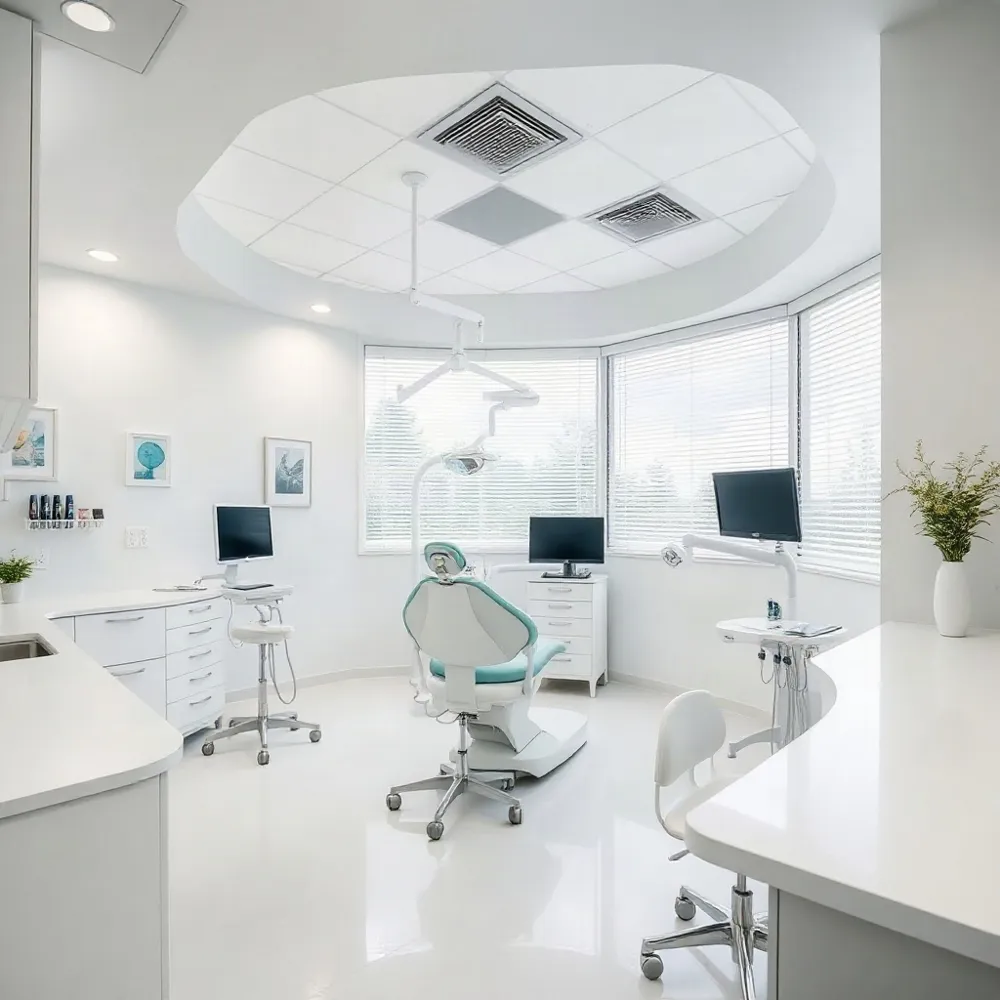
Choosing a Family Dentist Who's Prepared for the Unexpected
When selecting a family dentist, most people focus on location, hours, and the range of services offered. Yet one factor that can matter most in a crisis is the practice's emergency preparedness. Dental emergencies account for nearly 2 million ER visits across the US each year, and the difference between saving or losing a tooth often comes down to how quickly and calmly care is delivered.
This article will help you understand what to look for in a family dentist's emergency approach — from written protocols to staff training, essential equipment, and clear patient guidance. Knowing these elements in advance can give your family confidence that no matter when an urgent issue arises, your dental provider is ready.
The Importance of a Written Emergency Protocol
 Does a dental office need a written emergency protocol? The answer is yes. A written emergency protocol is not just a best practice; it is a regulatory requirement for dental offices in many states, including New Jersey. According to N.J. Admin. Code § 13:30-8.26, every dental office in the state must have a written protocol for managing medical or dental emergencies.
This documented plan serves as the backbone of an effective emergency response. The American Dental Association (ADA) recommends that a sound medical emergency plan include four core components: medical emergency prevention, development of an action plan, recognizing a patient’s distress and management of medical emergencies, and emergency drugs and equipment.
When every staff member knows their role in advance, the team can act promptly and confidently under pressure. The ADA emphasizes regular review of emergency skills at least annually, ideally more often, and notes that conducting mock emergencies helps staff become more confident with their roles when a real event occurs.
At bestchoicedentaltotowa.com, the commitment to patient safety begins with a thorough written protocol that complies with New Jersey regulations and follows ADA guidelines. Every team member receives training upon hire and annually thereafter to implement the plan effectively.
A well-maintained written protocol also supports the use of essential equipment such as an automatic external defibrillator (AED), portable oxygen delivery system, airway management tools, and backup battery-operated devices like pulse oximeters — all required under New Jersey law.
Staff Training and Drills: Practicing for Calm Response
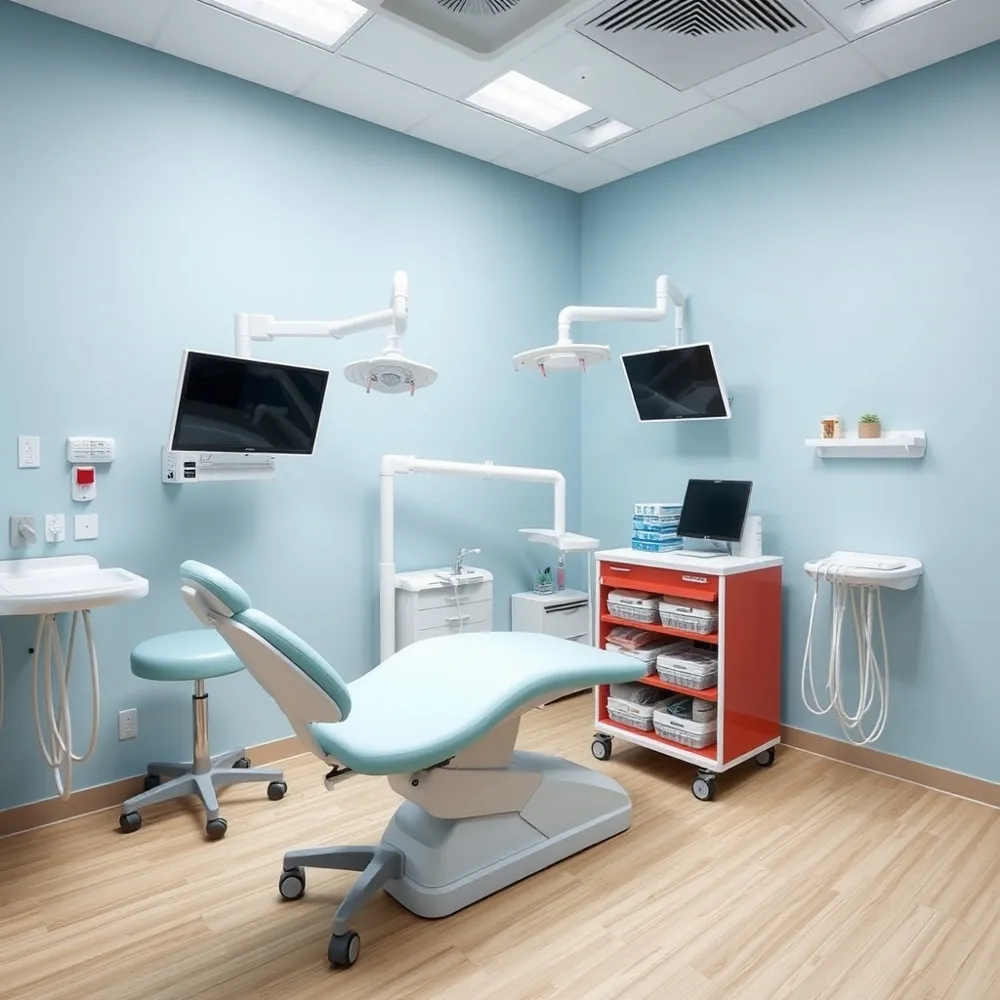 A written emergency protocol is only as effective as the people who carry it out. That is why regular staff training forms the backbone of any serious dental emergency plan. The American Dental Association recommends that dental office staff receive training in basic life support and CPR at least annually, with more frequent reviews preferred. Running mock emergencies helps each team member practice their specific role, from recognizing a patient's early signs of distress to initiating the correct medical response.
At Best Choice Dental, we take this guidance seriously. Our team drills on scenarios ranging from syncope and allergic reactions to cardiac arrest, so when an unexpected situation arises, our response is calm and automatic rather than chaotic. This kind of preparation directly builds patient confidence — knowing your dental provider has practiced how to handle an emergency makes a real difference in your peace of mind during treatment.
New Jersey goes a step further: N.J. Admin. Code § 13:30-8.26 mandates that all dental office staff be trained to implement the emergency protocol upon hire and at least annually thereafter. Compliance with this regulation means our team's skills stay sharp, ensuring consistent, professional care even in high-pressure moments.
Essential Emergency Drugs and Equipment in a Dental Office
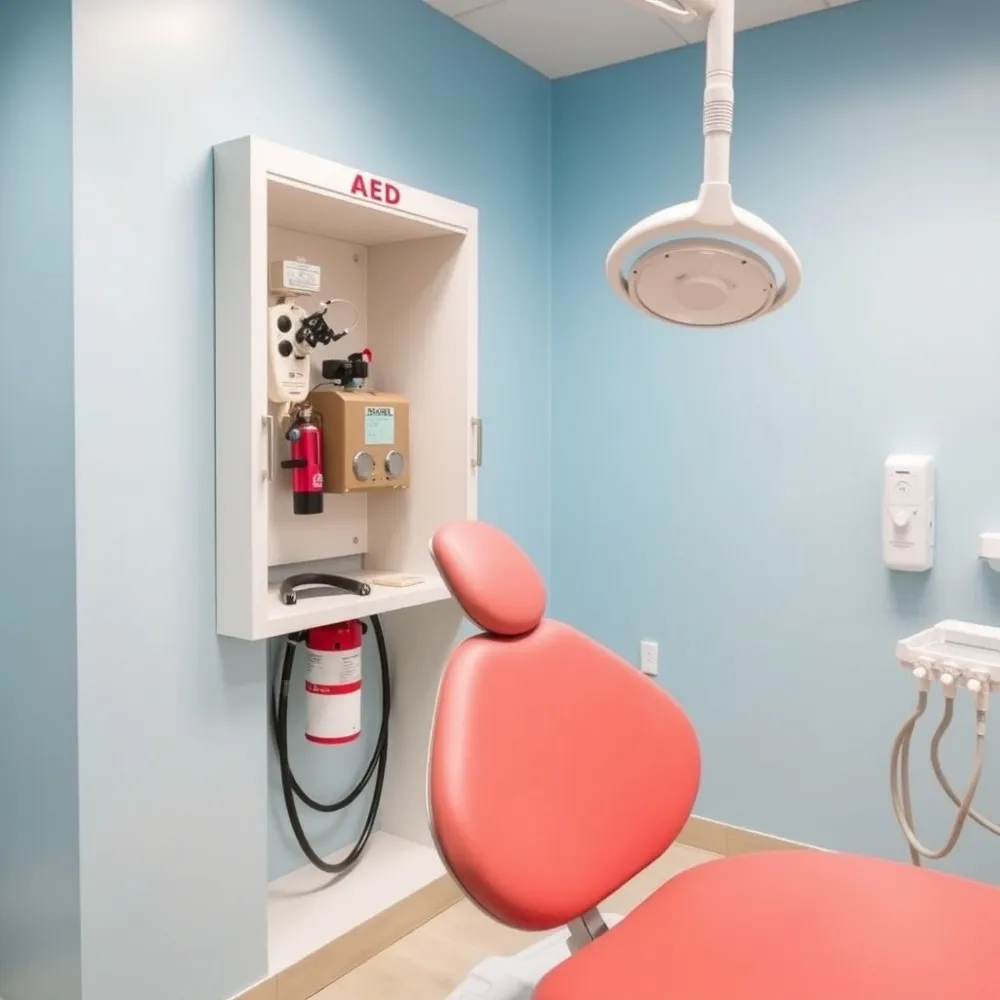 A well-prepared dental office maintains a medical emergency kit with specific equipment and medications. Under New Jersey regulations, offices must have an AED, a portable oxygen delivery system with bag-valve-mask, airway management tools, and battery-operated backup devices like a pulse oximeter. Learn more about compliance.
Standard Emergency Medications
- Epinephrine for allergic reactions
- Nitroglycerin for chest pain
- Antihistamines for mild allergies
- Glucose for diabetic emergencies
- Aspirin for heart-related events
These medications, recommended by the ADA, are inventoried and checked regularly. At Best Choice Dental, we follow ADA guidelines and New Jersey regulations to keep our emergency kit fully stocked, giving you peace of mind during every visit.
Step-by-Step Response: From PCABD to Calling 911
The American Dental Association teaches the PCABD protocol as the standard approach for managing medical emergencies in a dental setting. The acronym stands for Positioning (place the patient in a position appropriate for the emergency), Circulation (check pulse and begin CPR if needed), Airway (ensure the airway is open), Breathing (assess and support breathing), and Definitive Care (administer emergency drugs, use an AED, and prepare for transport). Following this sequence helps the team stay organized under pressure.
While the team implements PCABD, one person must immediately activate emergency medical services by calling 911. The dental office should have emergency drugs and equipment ready, and all staff should be trained in basic life support and AED use. Regular practice drills, conducted at least annually, reinforce each person's role and ensure a calm, coordinated response.
When to Seek Hospital Care: Coordination With Emergency Medicine
Most dental emergencies are handled effectively in the dental office, but certain situations require hospital-level resources. Severe infections spreading to the face or neck, uncontrolled bleeding, facial trauma involving fractures, cardiac events, and severe allergic reactions all exceed what a dental team can manage alone. The StatPearls resource notes that untreated infectious emergencies risk bacterial spread into deep neck spaces, the mediastinum, and the brain — outcomes that demand immediate hospital intervention.
Hospital Assessment: Airway, Breathing, Circulation
When a patient arrives at the emergency department with a dental crisis, the emergency medicine team follows a standard approach. They first assess the airway, breathing, and circulation — the same ABCs used for any medical emergency — and stabilize vital signs. Depending on the diagnosis, the team may administer IV antibiotics for severe infections, control hemorrhage, provide advanced airway management, or consult an on-call oral surgeon for surgical drainage or fracture repair. Emergency physicians are trained to recognize dental infections and initiate treatment while coordinating with dental specialists for definitive care.
Coordinating With Local Emergency Services
A family dental practice should have a clear plan for transferring patients to the hospital when needed. This includes knowing the closest emergency department, maintaining current phone numbers for hospital services, and preparing a brief summary of the patient's condition to share with EMS responders. At Best Choice Dental, the team is trained to recognize when a situation exceeds the office's capabilities and to coordinate seamlessly with local emergency responders so the patient receives appropriate care without delay.
How Are Dental Emergencies Managed by Emergency Medicine Teams?
The emergency medicine team's first priority is stabilization — ensuring the patient can breathe, has adequate circulation, and is not in immediate danger. Once the patient is stable, the team addresses the dental component: they may order imaging (such as a CT scan for facial trauma), start IV medications, drain an abscess, or consult an oral surgeon. For cardiac or allergic emergencies that originate during a dental visit, the hospital team is equipped to provide advanced life support before any dental treatment is needed. This layered approach — emergency medicine handling the acute medical threat and dental specialists handling the oral condition — ensures comprehensive care for the most serious cases.
What to Look for Beyond Policies: Same-Day Access and Patient Guidance
A written emergency protocol is essential, but families also need practical access and clear guidance when an urgent issue arises during off-hours. Look for a practice that communicates after-hours contact information on its website, voicemail, and new patient paperwork, and offers same-day or 24/7 availability for true emergencies.
The practice should also provide first‑aid advice for common emergencies such as a knocked‑out tooth (handle by the crown, rinse gently, store in milk or saline) or a severe toothache (rinse with warm salt water, apply cold compress). Clear referral protocols for cases beyond the dentist’s scope, such as complex facial trauma, are equally important.
Some practices share a dental emergency kit checklist to help patients prepare at home. At Best Choice Dental, we communicate our emergency plan through multiple channels and offer efficient same-day care so families know exactly what to do when minutes matter.
Legal and Regulatory Requirements by State
Emergency preparedness rules for dental offices are not uniform across the country. Each state sets its own requirements, and what is mandatory in one state may not be required in another. Understanding these differences helps families evaluate whether their dentist meets the legal standard for safety.
State-by-State Differences in Emergency Preparedness
Illinois became the first state to require an automated external defibrillator (AED) and a written medical emergency plan — but only for offices that administer deep sedation. Practices using only local anesthetics for routine care are exempt from that mandate. New Jersey takes a broader approach: under N.J. Admin. Code § 13:30-8.26, every dental office with patient contact must maintain a written emergency protocol, airway equipment (including a portable oxygen delivery system with bag-valve-mask), an AED, and staff training upon hire and at least annually.
Many states also mandate AEDs for offices that provide general anesthesia or deep sedation, but requirements can vary for practices that offer only routine care. The American Dental Association advises dentists to consult their state dental association or state board of dental practice for the specific safety rules that apply to them.
Why Compliance Matters for Families
State regulations represent the legal baseline for patient safety. A practice that meets or exceeds these requirements demonstrates a commitment to preparedness that goes beyond minimum standards. When choosing a family dentist, asking whether the office follows its state's emergency protocol requirements is a straightforward way to gauge its dedication to keeping patients safe.
Your Safety Is Our Priority
When choosing a family dentist, look for a written emergency protocol, trained staff, essential equipment, and clear coordination with hospitals. These elements show the practice prioritizes your family’s safety and well-being. Ask about emergency policies during your search—it’s a simple question that can make all the difference when the unexpected happens.