A Choice Beyond Appearance
Choosing between Invisalign and traditional braces is about more than which option is less noticeable. The right fit depends on the tooth and bite movements needed, as well as how each appliance works with everyday habits.
Removable aligners can offer flexibility around meals and brushing, while fixed braces stay in place throughout treatment. Wear routines, appointment needs, expected treatment time, and cost can also shape the decision. These factors vary from person to person, so general comparisons cannot predict which option will suit a particular case.
At Best Choice Dental, a family-oriented practice serving patients of all ages, an individual dental assessment can help clarify which options may address your teeth and bite. The discussion can also take your preferences and daily routine into account.
How The Two Treatments Work
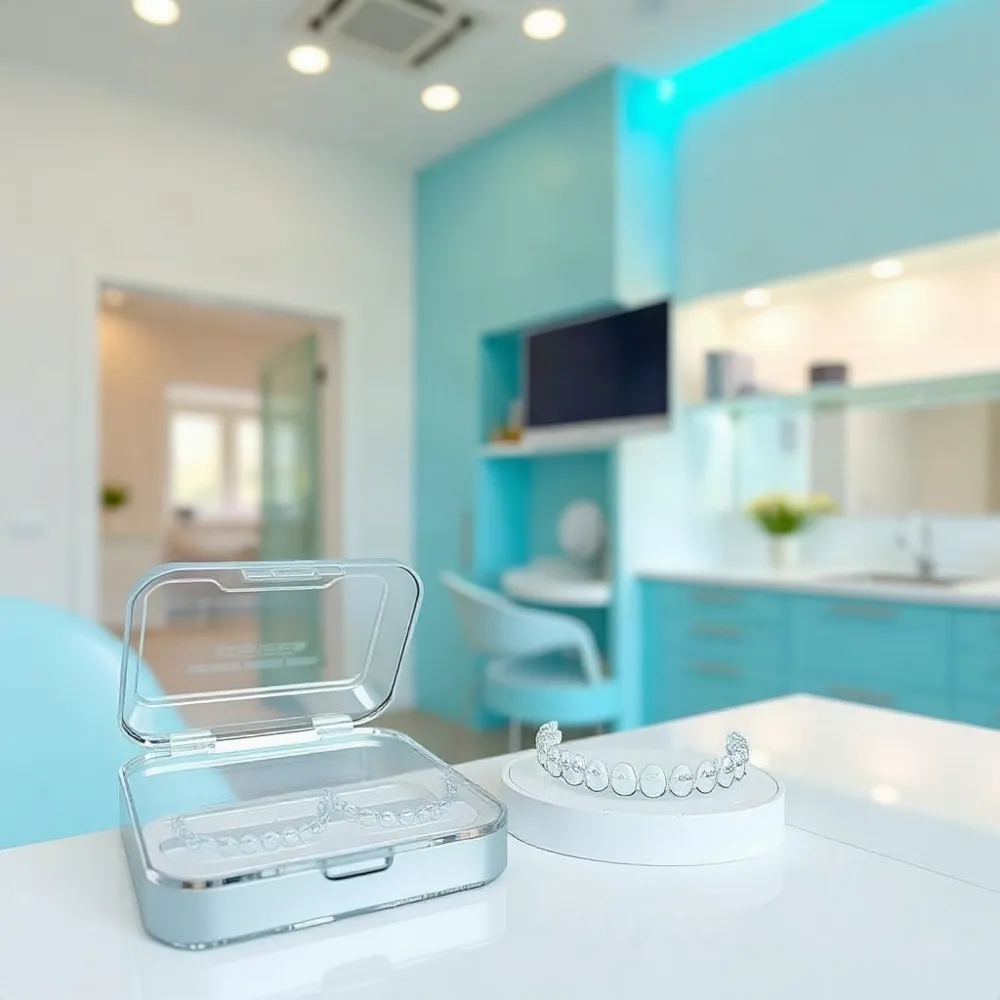 The main difference is how each treatment applies force to move teeth. Invisalign uses a series of custom-made, removable clear aligners, with each tray guiding teeth gradually toward their planned positions. Traditional braces use brackets attached to the teeth and a wire that applies pressure as the teeth shift.
Aligners are designed to be discreet and can be removed for meals and brushing. Braces stay in place and work continuously, so patients do not need to remember to put them back after eating. Metal braces are not the only fixed option: ceramic brackets blend more closely with tooth color, while lingual braces sit behind the teeth.
Removability also calls for a steady routine. Aligners typically need to be worn for 20 to 22 hours a day, following the treating clinician’s instructions. Wearing them inconsistently can interfere with progress. Braces avoid that daily wear-time decision, although they require careful cleaning around brackets and wires.
The right fit depends on the tooth movements a case requires, personal preferences, and comfort with the treatment routine, not appearance alone. At Best Choice Dental, an individual assessment can help clarify which approach may suit a patient’s needs. For more detail on how the options compare, see Invisalign vs. traditional braces.
Daily Routines With Aligners
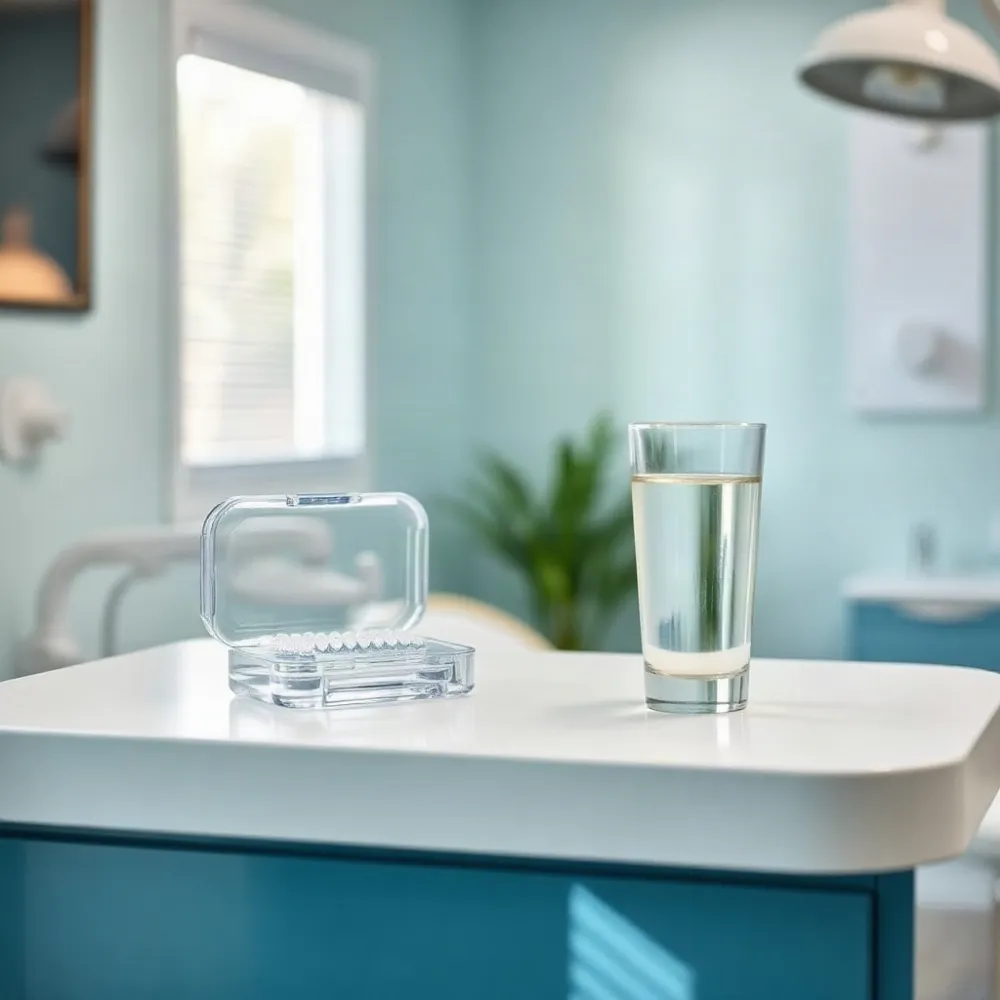 Removable aligners make meals and brushing more flexible: take them out to eat, then clean your teeth without working around brackets and wires. Fixed braces stay in place, so some hard or sticky foods may need to be avoided, and brushing and flossing require extra care around the appliance. At Best Choice Dental, discussing everyday habits alongside treatment needs helps shape a plan around each patient.
What can I eat and drink while wearing Invisalign aligners?
You can eat a varied diet during treatment, but remove your aligners first, including for snacks. Plain, cool or room-temperature water is the simplest drink to have while wearing them. Take them out for coffee, tea, juice, soda, sparkling water, and other drinks. Hot beverages can warp the trays, while colored drinks may stain them and sugary or acidic drinks can expose teeth to substances that contribute to decay.
Keep your aligner case with you and store the trays there during meals rather than wrapping them in a napkin, where they can be misplaced. Brush your teeth before putting the aligners back in when possible. If you cannot brush right away, rinse your mouth thoroughly with water, then clean your teeth as soon as you can.
Frequent snacking or leaving trays out for extended periods can make it harder to meet the wear schedule prescribed by your dental professional. Planning meals and keeping removal time brief can help make the routine manageable. For a broader comparison of daily routines with aligners and braces, consider how each option fits your eating and cleaning habits.
Making The Wear Schedule Work
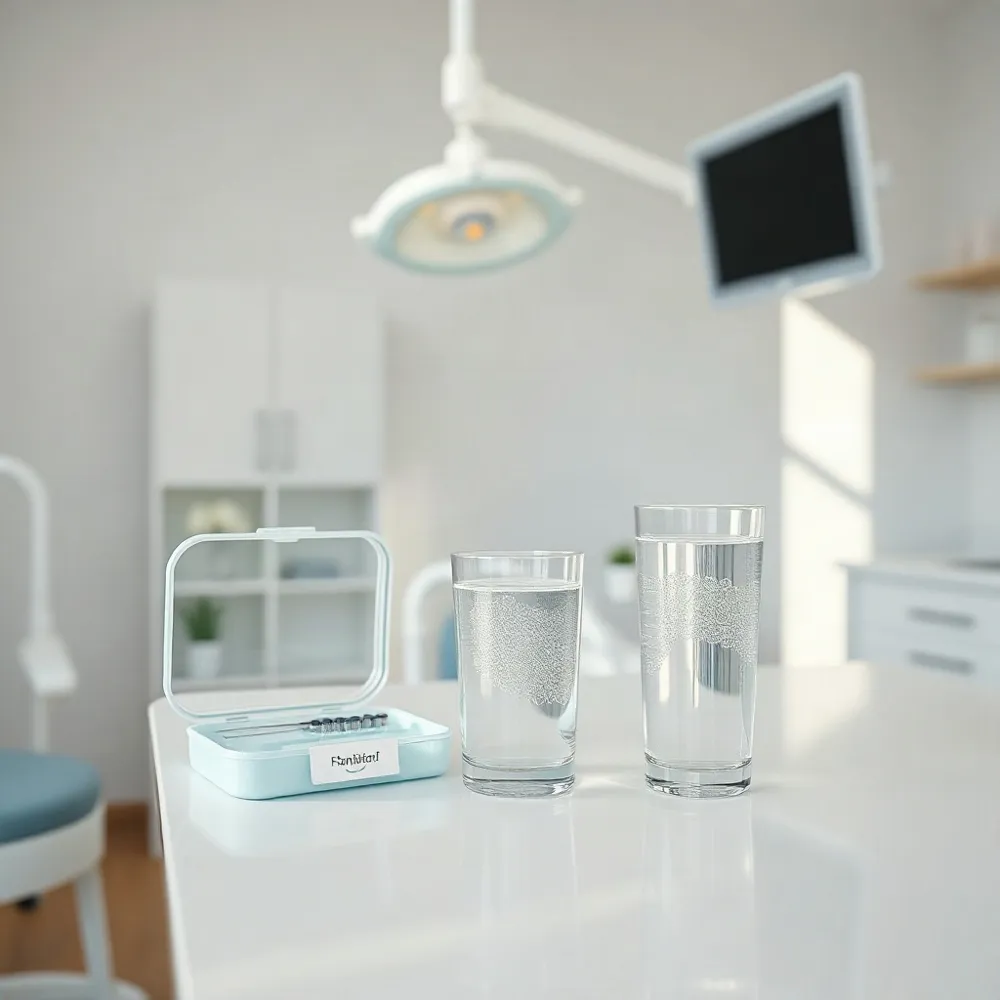 The “30-minute rule” is a practical reminder to put aligners back in soon after meals, drinks other than water, or cleaning, ideally within about half an hour. It is not a universal deadline or a substitute for your provider’s instructions.
Prompt reinsertion helps you reach the prescribed daily wear time, often 20 to 22 hours. Taking aligners out for long stretches or forgetting to replace them can interrupt the planned wear schedule and may slow progress or affect results. At Best Choice Dental, treatment guidance can be tailored to your needs and daily routine.
Before reinserting aligners, brush and floss when possible, then rinse the trays as directed. If you cannot brush right away, rinse your mouth and aligners with water until you can clean properly. After acidic foods or drinks, ask your dental professional whether you should wait before brushing, since advice may vary. Follow your provider’s specific instructions for wear, cleaning, and timing.
Treatment Time Depends On The Case
How long treatment takes depends on the tooth movements needed, not just whether you choose aligners or braces. Broad estimates often put Invisalign at about 12 to 18 months and braces at about 18 to 24 months, but these ranges overlap and are not a promise for an individual patient.
A straightforward case may finish sooner with either option, while complex crowding or bite concerns can take longer. Braces may be recommended when a case needs more involved tooth movement, but they are not always faster. At Best Choice Dental, treatment recommendations are based on each patient’s oral health and goals, with the plan tailored to their needs.
With Invisalign, progress also depends on wearing aligners as directed, typically 20 to 22 hours a day, and switching to each new tray on schedule. Missed wear can affect how the trays fit and may delay progress. For either treatment, following care instructions and attending scheduled visits lets the dental team monitor movement and respond if the plan needs attention.
A useful estimate starts with an evaluation of your teeth and bite. Best Choice Dental provides comprehensive dental care for patients of all ages, so a treatment discussion can consider your individual oral health needs rather than rely on a general timeline.
Cost And Insurance Questions
How much Invisalign costs compared with braces depends on the treatment plan, case complexity, expected length, type of braces, and provider fees. Overall costs can be similar, but neither option is always less expensive. A personalized comparison of Invisalign and braces costs can help frame the discussion, while a case-specific estimate is needed to understand your own expenses.
Many dental plans include orthodontic benefits that may apply to Invisalign as well as braces. Coverage varies, though: plans can set lifetime limits, eligibility rules, or other restrictions, and the amount paid depends on your specific benefits. Best Choice Dental is a family-oriented practice in Totowa, New Jersey, where patients can discuss treatment options and their estimated costs as part of individualized care.
Before starting, ask for a written treatment estimate and, when available, a pre-treatment estimate to send to your insurer. Then confirm directly with the insurance company whether the treatment is eligible, what the plan may pay, and what you may owe. The insurer’s review can clarify benefits, but it is not always a guarantee of final payment.
When Aligners May Not Fit
Invisalign is not the right choice for every orthodontic concern. Severe bite or jaw problems, or movements that require substantial tooth rotation, may be better managed with braces or a combined approach. Best Choice Dental offers a range of dental services, so an assessment can consider both orthodontic needs and oral health before treatment is planned.
Removable aligners also depend on a steady daily routine. They typically need to be worn for 20 to 22 hours a day, so people who expect to forget them or struggle to keep them in may find a fixed option easier to manage. That does not automatically rule out aligners; the clinician should weigh the treatment goal against the patient’s ability to follow the plan.
Active cavities or gum disease should generally be addressed before orthodontic treatment begins. Starting with a healthy foundation helps the dental team plan tooth movement while taking existing concerns into account.
Who may not be a good candidate for Invisalign? There is no single answer based on one concern alone. A dental examination can assess the bite, tooth positions, gums, and overall oral health, then discuss whether Invisalign, braces, or a combined approach is appropriate. Patients can also review situations where braces may be considered as part of that discussion.
Start With An Individual Assessment
The right choice depends on more than appearance. At Best Choice Dental, care is tailored to patients of all ages, so a conversation can account for your dental needs, daily routines, preferences, and ability to follow care instructions.
Before deciding, ask what tooth movements your case requires, how long treatment may take, what it will cost, and whether your insurance plan may contribute. Discuss practical details too, such as aligner wear and cleaning or caring for braces around meals.
An individual assessment helps determine which option is appropriate and whether its demands fit your routine. The best-fit treatment is one that addresses your needs and that you can manage as directed.