
Protecting Smiles Alongside Breathing
Supporting a child’s smile should go hand in hand with managing asthma. Some asthma medicines and related dry mouth may be associated with oral-health concerns, but these effects are not inevitable, and research findings vary. A 2023 review describes possible dental effects while noting limitations in the evidence on asthma medicines and oral health.
Families should not stop or change prescribed asthma treatment because of concerns about teeth. Instead, steady home care and regular dental visits can help the dental team spot changes and recommend prevention suited to the child. Best Choice Dental is a family-oriented practice in Totowa offering care for patients of all ages.
Sharing the child’s medicines, symptoms, triggers, and questions with both healthcare providers helps them coordinate care. The University of Washington School of Dentistry’s caregiver guide also encourages families to prepare the dental team for a child’s needs. With clear communication, prevention can support oral health without interrupting asthma care.
How Asthma Can Affect the Mouth
 Asthma does not mean a child will automatically develop cavities or gum disease. Oral effects vary, and may relate to dry mouth, mouth breathing, medication, diet, or other factors. A 2023 review of asthma medicines and dental health describes possible risks, while noting that research findings are not uniform.
Saliva helps wash away food particles and acids and protects teeth and oral tissues. When the mouth is dry or saliva flow is reduced, teeth may be more vulnerable to decay, while the gums and other tissues may feel irritated. Mouth breathing can also contribute to dryness. Regular brushing with fluoride toothpaste, flossing, and dental checkups help maintain oral health.
Some inhaled medicines can remain in the mouth and throat after use. Inhaled corticosteroids are associated with oral candidiasis, commonly called thrush, a fungal infection that may cause white patches or soreness. Follow the prescribing clinician’s instructions for the inhaler, including whether the child should rinse after use. A dentist can consider the child’s medicines when recommending preventive care.
Enamel erosion and tooth wear are also possible concerns, but the evidence needs careful interpretation. A study reported an association between inhaled asthma treatment and tooth wear, yet it does not show that medication alone caused the changes or that every child will experience them. Families can ask the dentist to check for early signs and discuss suitable prevention.
Do not stop or change prescribed asthma medicine to protect teeth. Asthma control remains essential, and oral-health concerns can be addressed alongside treatment. Tell the dental team which medicines the child takes and raise questions with both the child’s dentist and prescribing clinician. At Best Choice Dental, we offer a full range of dental services, including pediatric and preventive care, using advanced technology to ensure comfort and precision. Our team is committed to providing personalized, gentle care for patients of all ages. For more on how asthma and its treatment may affect children’s oral health, families can review related guidance from Best Choice Dental.
Everyday Habits That Support Oral Health
 A steady home routine can help protect teeth without interrupting asthma care. Brush twice a day with fluoride toothpaste, floss regularly when appropriate, and encourage water throughout the day. Best Choice Dental provides family dental care and can tailor preventive advice to a child’s age and oral-health needs.
After an inhaler, have your child rinse with water and follow the instructions from their clinician. A spacer may reduce how much medicine reaches the mouth, but it should be used only if it is appropriate for the inhaler and recommended by the healthcare team. Never stop or change prescribed asthma medicine because of dental concerns. A review of asthma medicines and oral health describes possible effects, while noting that they do not occur in every child.
Frequent sugary drinks and snacks can contribute to tooth decay, so offer water and keep sweet treats occasional. A dentist or hygienist can assess whether a child may benefit from additional prevention, such as a fluoride rinse, sealants, or sugar-free gum when suitable. The University of Washington School of Dentistry’s caregiver guide also recommends asking the dental team about fluoride treatments and sealants.
Keep regular dental visits, with the timing of checkups based on your child’s individual needs. Early assessment can help the dentist spot changes and adjust preventive care. At Best Choice Dental, families can discuss an appropriate recall schedule and practical ways to support oral health between appointments.
Preparing for a Dental Appointment
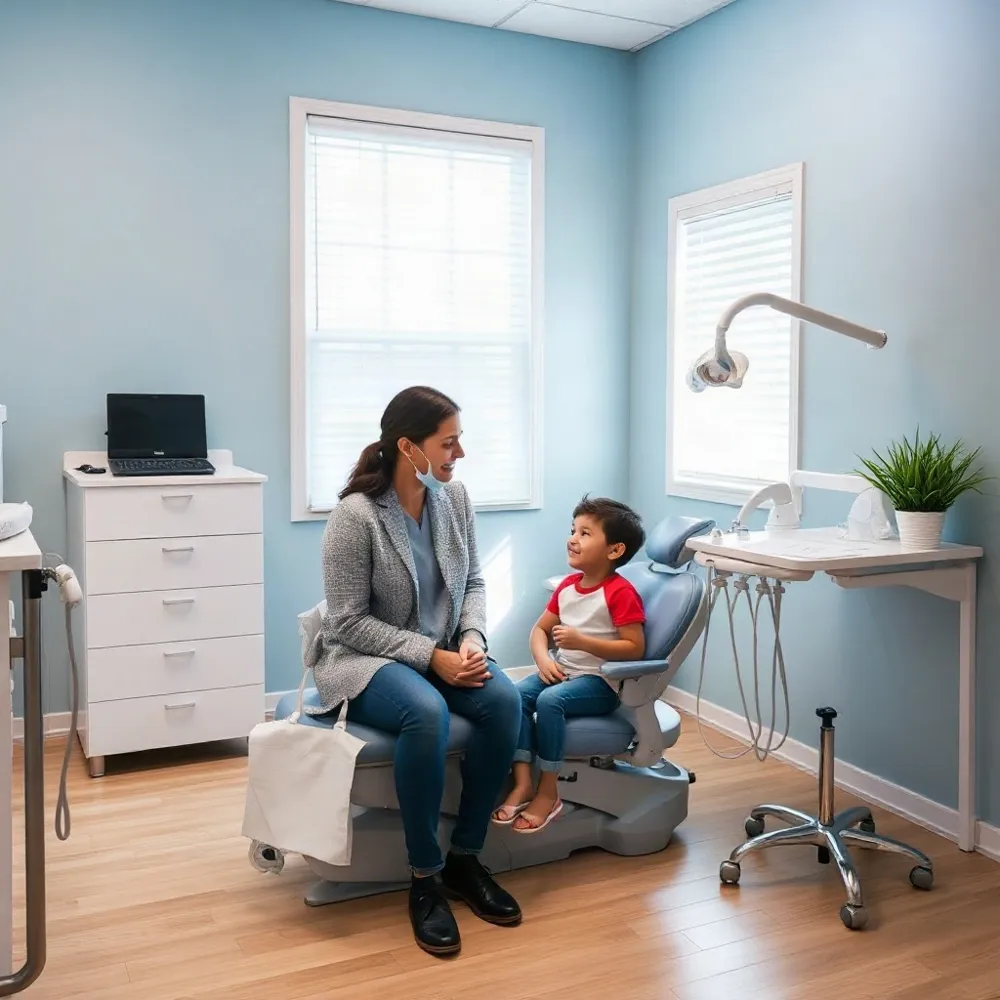 A little advance planning helps the dental team understand a child’s breathing needs and make the visit more comfortable. When booking, let the office know the child has asthma and share what helps them feel calm, such as a familiar explanation of each step or a preferred appointment time. The University of Washington School of Dentistry’s caregiver guide recommends sharing comfort strategies and any previous positive or difficult dental experiences.
Before the appointment, tell the team how well the child’s asthma is controlled, whether symptoms or flare-ups have occurred recently, and whether asthma has led to an emergency visit or hospital stay. Also describe known triggers and allergies, along with the child’s medicines, doses, and how often quick-relief medicine is needed. This information helps the dentist consider the child’s current condition when planning care.
Bring the child’s prescribed quick-relief inhaler and, if available, a copy of the asthma action plan. Mention any past breathing difficulty, anxiety, or other reaction during dental treatment. At Best Choice Dental, a family-oriented practice offering a wide range of dental services and advanced technology for patients of all ages, sharing these details supports personalized planning for a more comfortable visit.
If your child is wheezing or having trouble breathing on appointment day, call the dental office before treatment. The team may need to adjust the visit or postpone care until the child’s breathing is stable; clinical guidance recommends basing treatment decisions on current asthma status and symptoms rather than proceeding automatically. Preparation is not a reason to avoid routine checkups. It helps the dental team respond appropriately while keeping preventive care on track.
Planning Treatment When Asthma Is Stable
Many children with asthma can receive dental treatment, including an extraction, when their breathing is stable and the dental team has information to plan around their needs. The dentist considers the child’s current symptoms, asthma control, medicines, and the treatment required. A clinical review recommends basing dental decisions on the child’s pulmonary status and postponing care when asthma is poorly controlled or the child is wheezing.
Before treatment, tell the office about recent flare-ups, known triggers, and the child’s usual and quick-relief medicines. Bring the prescribed rescue inhaler if the child uses one. If wheezing or other breathing symptoms are present on appointment day, call the office before proceeding. The team may recommend waiting until the child’s breathing is stable, or coordinating with the child’s physician when additional precautions are needed. Clinical guidance for dental care in children with asthma
A calm, supportive approach can also help. Anxiety and emotional stress may contribute to an asthma episode, so families can share what helps their child feel comfortable and ask the dental team to explain each step in age-appropriate language. At Best Choice Dental, care for patients of all ages is personalized, with attention to comfort as well as treatment needs.
Ask what the planned procedure involves and whether any individual precautions are recommended, including whether the child’s physician should be consulted. The University of Washington School of Dentistry also advises dental teams to assess asthma control, medicines, triggers, and previous emergency care when planning treatment. These details help the dentist decide whether to proceed, adjust the plan, or reschedule.
Discussing Nitrous Oxide for Children
Nitrous oxide may help some children feel calmer during dental care, but asthma alone does not determine whether it is suitable. For children with mild-to-moderate asthma, a dentist may consider it after assessing the child’s current breathing and health history. The University of Washington School of Dentistry’s guidance for dental professionals advises against using nitrous oxide during active wheezing and recommends professional judgment for children with more severe asthma.
Before discussing sedation, tell the dentist about recent symptoms or flare-ups, the child’s usual and rescue medicines, known triggers, and any emergency-room visits or hospital care. Mention breathing concerns on the day of the appointment, too. Best Choice Dental is a family-oriented practice in Totowa that provides care for patients of all ages, so families can discuss the child’s needs as part of an individualized treatment plan.
The dentist can explain other ways to support comfort and may consult the child’s physician when appropriate. Suitability depends on the individual child, and any sedation decision should be made and monitored by qualified professionals. Do not change or stop prescribed asthma medicine for dental treatment without guidance from the child’s healthcare provider.
A Team Approach to Healthy Smiles
Keep your child’s asthma medicines on schedule as prescribed. Stopping or changing treatment to protect teeth can put breathing health at risk; instead, ask the child’s clinician and dentist about suitable oral-care steps. A 2023 review recommends prevention alongside asthma treatment, including rinsing after inhaler use when directed by the care team (review of asthma medicines and oral health).
Daily brushing with fluoride toothpaste, flossing, and sharing updates about medicines, triggers, and symptoms can help the dental team tailor care. At Best Choice Dental, a family-oriented Totowa practice offering care for patients of all ages, families can discuss their child’s needs and comfort with the team.
Regular preventive visits give the dentist a chance to monitor oral health and adjust guidance to the child. With individualized planning and communication between caregivers, medical providers, and the dental team, families can address concerns while supporting comfortable dental care.