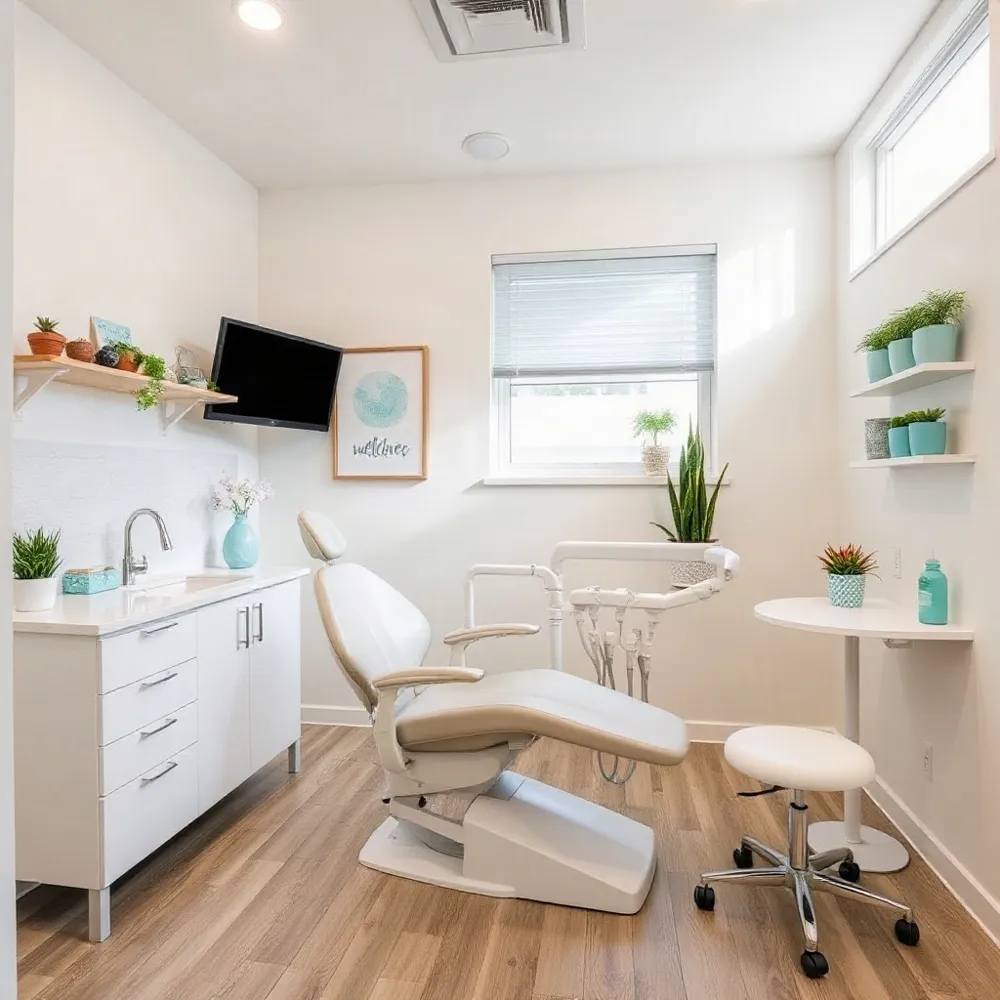
Understanding Your Dental Anxiety
Dental anxiety is a common experience, affecting between 50% and 80% of U.S. adults. It spans a spectrum from mild unease to odontophobia, a clinical condition where extreme, disproportionate fear leads to persistent avoidance of necessary care.
This avoidance creates a vicious cycle. By skipping routine exams, minor issues can progress into complex, painful, and costly conditions that necessitate more invasive treatment. This reality only serves to reinforce the initial fear.
There is good news for patients seeking a better approach. At Best Choice Dental, we prioritize personalized comfort and modern clinical techniques to help you break this cycle. Whether through gentle communication, environmental adjustments, or our advanced pain management options, we work to make your oral health journey calm and predictable.
What Dental Anxiety Looks and Feels Like
 Dental anxiety often presents through physical symptoms like a racing heart, sweating, restlessness, and even feelings of panic, which can lead individuals to delay or avoid necessary care. While some feel uneasy at the thought, others experience an extreme, irrational fear known as dental phobia. This intense condition is recognized as a specific phobia disorder, distinguishing it from general nervousness about an upcoming procedure.
Behavioral signs of this fear often manifest as skipped appointments, or the use of humor or aggression as defensive mechanisms to mask discomfort. These responses are frequently tied to the body's natural fight-or-flight mechanism, activated by a felt loss of control or the perceived invasion of personal space within the mouth. Genetic factors can also influence pain sensitivity, further lowering the threshold for stress during a clinical visit.
At bestchoicedentaltotowa.com, we understand how these triggers, such as the sound of drills or the sight of needles, can create a cycle of avoidance. Unlike providers who may overlook these nuances, our team focuses on creating a calm environment through clear communication signals that restore your sense of control. Whether your anxiety is rooted in childhood experiences or a general fear of the clinical setting, we prioritize gentle care to ensure you feel secure.
Why So Many People Feel This Way
Dental anxiety is a common experience that often stems from a mix of biological and psychological factors. Evolutionary biology suggests that the mouth is a highly vulnerable area, and the sensation of being reclined in a clinical chair can trigger a natural fight-or-flight response, leaving some patients feeling like they have lost control.
Many individuals carry anxiety rooted in negative childhood or past experiences, which can be amplified by unhelpful stereotypes of dentists often found in popular movies or television. At Best Choice Dental, we understand that these fears are real and often contribute to a vicious cycle where missing routine cleanings leads to larger, more complex dental issues. This avoidance can also be driven by embarrassment about existing oral health, which frequently mirrors concerns seen in broader anxiety disorders or PTSD.
While 36% of U.S. adults experience some level of dental fear, you do not have to navigate it alone. We prioritize a compassionate approach, ensuring every patient at our Totowa practice receives personalized, comfortable care. By discussing your specific triggers with our team, we can break the cycle of fear together and focus on maintaining your long-term health.
Your First Step: Talk to Your Dentist
 Open communication is the cornerstone of managing dental anxiety. When you share your feelings with your provider, it allows the clinical team to move beyond standardized care and create a personalized plan tailored to your specific needs. Discussing your unique triggers creates a sense of empowerment that is essential for long-term comfort.
If you have avoided appointments for an extended time, you may feel hesitant to return. At Best Choice Dental, we prioritize a judgment-free, compassionate environment specifically designed for patients who have delayed care due to fear or embarrassment. You can start the conversation simply by saying, I feel nervous about my visit. Our team is professionally trained to listen to these concerns without judgment, ensuring you feel respected throughout every step.
We utilize modern, gentle techniques and advanced technology at Best Choice Dental to ensure our procedures remain comfortable and efficient, which actively minimizes the need for complex interventions later on. By working entirely at your speed, we help break the cycle of avoidance and help you regain control of your oral health. We are here to partner with you on your wellness journey, whether you are coming back after a short break or many years away.
Simple Relaxation Techniques for Your Visit
Managing nervousness during your appointment is a skill you can develop with the right approach. When you feel anxious about a procedure, active relaxation techniques help you maintain a sense of calm. Cognitive Behavioral Therapy can often provide a foundation for shifting negative thought patterns, but you can also use immediate strategies while in the chair.
What practical steps can I take to manage dental anxiety?
To help manage anxiety, we encourage open communication, so please speak to your dentist about your fears so they can tailor your care. Practical distraction techniques, such as bringing headphones to listen to music or podcasts, can help you mask clinical sounds that might otherwise trigger discomfort. We also recommend utilizing deep breathing and muscle relaxation techniques. For example, practicing the 4-7-8 method, or tensing specific muscle groups while inhaling and releasing them while exhaling, provides significant physical relief. Always agree on a physical signal, such as raising your hand, to alert the dental team if you need a break.
- Use mindfulness and meditation to keep your focus on the present rather than on the procedure.
- Hold comfort items, such as a stress ball or favorite small object, to ground yourself during the visit.
- Arrive early to settle into the environment, which can help reduce situational anxiety.
Gain Control with a Simple Hand Signal
A primary driver for many patients is the feeling of helplessness that occurs while in the dental chair. Establishing a clear communication channel can dramatically shift your experience from passive to active. At Best Choice Dental, we encourage every patient to agree on a specific hand signal, such as raising an open palm, before any procedure begins.
This simple hand signal serves as your remote control for the entire visit. Whenever you feel overwhelmed, need to clear your throat, or simply want a moment to catch your breath, you signal your clinician, who will pause immediately. Research shows that knowing you retain final authority over the pace of your care can effectively lower dental anxiety levels, as it replaces the sense of vulnerability with a concrete measure of security.
Bring a Friend or Adjust Your Environment
Modifying your physical environment and routine can significantly transform your dental experience. Bringing a friend or family member for emotional support remains one of the most effective ways to feel secure during your visit. At Best Choice Dental, we welcome your support person to join you in the treatment room, as having a familiar face nearby often lowers stress levels.
Small adjustments to the procedure environment can also enhance your sense of stability. If the traditional horizontal chair position makes you feel vulnerable, request a more vertical orientation to help you maintain a sense of command over your space. The Health Harvard report emphasizes that personal environmental adjustments are an essential non-medication strategy for successful anxiety management.
Your daily routine leading up to your arrival at Best Choice Dental is equally impactful for reducing nervous energy. Consider these simple steps to help you stay calm:
- Schedule your appointment during a time of day when you feel most alert and resilient.
- Arrive slightly early to the office to settle into the environment without feeling rushed.
- Avoid caffeine before your visit to prevent physical jitteriness that can mimic or heighten feelings of anxiety.
Modern Pain Management is Gentle and Effective
For many, the fear of needles remains a barrier to oral healthcare. At Best Choice Dental, we utilize topical numbing gel before any injection to ensure the area is desensitized, making most treatments virtually painless. Contemporary dentistry uses ultra-fine needles and computer-controlled anesthesia systems to deliver medication comfortably, prioritizing your comfort throughout the procedure.
Local anesthesia is used to fully numb the treatment site, allowing for complex procedures to occur without discomfort. Today’s clinical standards focus on gentle, effective pain management to ensure a positive experience. Patients should also follow post-procedure care protocols, which may include using ice packs, prescribed oral rinses, or over-the-counter pain relievers such as ibuprofen or acetaminophen as directed.
Sedation Options for Severe Anxiety
 For patients whose apprehension remains high despite using relaxation techniques, we offer various levels of medical support to ensure a comfortable visit. At Best Choice Dental, we believe that transparency is essential, which is why we discuss your personal medical history to determine the safest approach for your care.
- Nitrous oxide (laughing gas) is an effective tool for mild-to-moderate cases, allowing you to remain awake and fully responsive while feeling deeply relaxed.
- Oral conscious sedation, such as Triazolam, can be taken prior to your arrival for deeper relaxation.
- IV sedation (twilight sedation) provides an even higher level of calm for patients dealing with extreme anxiety or those undergoing more complex dental work.
- General anesthesia remains an option for severe phobias or extensive surgical procedures, though it is used cautiously.
While these interventions help manage immediate fear, clinical research shows that sedation is most effective when paired with long-term coping strategies like cognitive behavioral therapy. By combining medical support with mindful practice, you can gradually move toward a state where routine visits feel manageable. We are dedicated to your comfort and well-being, helping you maintain a healthy smile without the weight of unnecessary fear.
Long-Term Help: Therapy and Routine Visits
Addressing the root causes of dental anxiety can shift your experience from fear to confidence. Professional psychological therapies like Cognitive Behavioral Therapy (CBT) are highly effective at helping patients identify and change the negative thought patterns that trigger avoidant behaviors. By working with a mental health professional, you can replace irrational fears with new, healthier associations.
For many, exposure therapy serves as a successful pathway to comfort by encouraging gradual habituation to the clinical environment. Our practice supports this process by emphasizing routine, non-invasive check-ups that allow you to build trust with your care team in a low-pressure setting. These frequent visits are vital for shifting your perspective while keeping your oral health on track.
Commitment to consistent care prevents the vicious cycle of dental anxiety, where delayed visits lead to more complex and invasive treatments. Early detection of issues ensures that any intervention needed remains simple and comfortable, rather than urgent or extensive. Just as our team uses age-appropriate language and encouragement, establishing positive associations early in life is a powerful tool to prevent significant dental phobia from developing later in adulthood.
You Can Overcome Dental Anxiety
Overcoming dentophobia is a journey toward reclaiming your overall health and confidence. Modern dentistry is gentler than ever, utilizing advanced technology and personalized care plans to ensure every patient feels secure. By proactively communicating your fears, you allow your dental team to implement effective strategies like relaxation techniques or appropriate sedation options.
It is never too late to resume or begin your oral healthcare routine. Through cognitive behavioral therapy and regular, shorter check-ups, you can break the cycle of avoidance. Reach out to schedule a consultation at Best Choice Dental to discuss your concerns in a supportive environment, because your comfort and health are always the priority.