Personalized Dental Solutions for Every Smile
At Best Choice Dental, we prioritize a patient-centered approach to restorative care, ensuring every treatment plan balances lasting durability with natural-looking results. Every smile is unique, which is why we assess individual bite forces, oral health goals, and aesthetic preferences before recommending a solution. Our team emphasizes conservative treatment, aiming to preserve your natural tooth structure whenever possible.
The choice of material is vital for clinical success and long-term comfort. We utilize advanced materials like high-strength zirconia and versatile resin-based composites to provide tailored options that perform reliably. For many patients, CEREC technology allows us to craft custom, metal-free restorations in a single visit, offering both precision and convenience that traditional methods often lack. Whether you require a resilient crown for a molar or a minor cosmetic repair, we focus on delivering care that feels comfortable the moment you leave our office.
Understanding Your Material Options
What is the best dental restorative material?
Selecting the most effective restorative material depends on your unique oral health needs, functional requirements, and aesthetic goals. Modern dentistry classifies materials into three primary categories: silicate ceramics (like feldspar porcelain and lithium disilicate), polycrystalline ceramics (such as zirconia), and resin-based composites. Each category provides distinct benefits, and at Best Choice Dental, we work with you to select a restoration that combines strength with a natural appearance.
Your bite forces and the location of the tooth play a vital role in material selection. High-stress posterior areas often require the mechanical strength of polycrystalline ceramics, whereas anterior teeth benefit from the translucency of silicate ceramics. In contrast, resin-based composites offer a versatile, conservative approach that allows for direct bonding to natural tooth structure, often preserving more natural enamel than indirect methods.
Selecting the best material depends on your specific dental needs, functional requirements, and aesthetic goals. Modern dentistry offers a range of options, including porcelain, zirconia, and composite resins, each with unique advantages. Porcelain is highly valued for its natural appearance and color-matching capabilities, while zirconia is often recommended for its strength and durability. During a personalized consultation, our dental team will evaluate your oral health and recommend a restorative solution suited to your long-term needs.
The longevity of any chosen restoration remains heavily dependent on your commitment to oral hygiene. Factors such as consistent periodontal health and professional maintenance routines directly influence how well your dental work holds up against daily pressure. While some materials, like resin-based composites, demonstrate impressive success rates in clinical studies, their lifespan relies on your diligence in brushing, flossing, and attending regular exams to protect your restorative investment.
The Art and Science of Porcelain Restorations
 For decades, feldspar porcelain has maintained its reputation as the esthetic gold standard in restorative dentistry. Its exceptional ability to mimic the natural translucency and light-reflecting properties of human enamel makes it an ideal choice for restoring anterior teeth where appearance is paramount. At Best Choice Dental, we harness this material to create restorations that blend seamlessly with your smile, prioritizing both the cosmetic finish and the anatomical structure of your natural teeth.
Beyond its visual appeal, porcelain is highly biocompatible and minimizes the risk of oral tissue irritation. However, these benefits involve clinical trade-offs. The installation of a traditional porcelain restoration often requires a more significant removal of the original tooth structure to ensure the ceramic has enough thickness to prevent fracture. Because porcelain is inherently more brittle than materials like zirconia or metal alloys, it can be prone to chipping under heavy bite forces. Consequently, we ensure each patient receives a thorough bite analysis at our practice to determine if porcelain is the most durable choice for their specific chewing patterns.
When comparing these options, it is important to weigh aesthetic desires against functional needs. While porcelain excels in the front of the mouth, materials like zirconia may be recommended for posterior regions that endure higher pressure. Our team at Best Choice Dental guides you through these material-specific nuances to ensure your restoration provides lasting harmony in both look and function.
Why do many celebrities opt for porcelain veneers?
Many celebrities choose porcelain veneers for their ability to create a flawless, uniform, and radiant smile quickly and effectively. These custom-made shells are highly resistant to staining, allowing public figures to maintain a consistently bright appearance despite their busy lifestyles. Beyond aesthetics, veneers offer a versatile solution for camouflaging common imperfections such as chips, gaps, and discoloration without the lengthy time commitment required for orthodontics. Because they are designed to mimic the natural translucency of tooth enamel, they provide a sophisticated and natural-looking enhancement. At Best Choice Dental, we prioritize this level of personalized care, ensuring that every patient achieves the same confidence-boosting results that make veneers a favorite in the spotlight.
Why has the use of dental porcelain changed in certain denture applications?
While porcelain remains an excellent material for its durability and aesthetic appeal, it is extremely hard. Because of this high degree of hardness, porcelain can sometimes cause excessive wear on natural teeth or acrylic denture teeth when they oppose each other. Furthermore, porcelain transfers chewing forces to the jawbone with greater intensity than acrylic alternatives. For these reasons, acrylic teeth are often a better choice for dentures that will contact natural teeth or other dentures to ensure a more comfortable and balanced bite.
Zirconia: The Modern Powerhouse in Dentistry
 When considering the most durable options for restoring damaged teeth, Zirconia stands out as a sophisticated choice. Often referred to as ceramic steel, this material is categorized as a polycrystalline ceramic. It possesses a unique phase transformation strengthening mechanism that actively limits crack propagation within the crown, providing higher fracture resistance compared to silicate ceramics like feldspar porcelain per 2022 NIH research.
At Best Choice Dental, we leverage advanced CAD/CAM technology to design and mill your restorations with high-precision digital accuracy. This digital workflow ensures a superior marginal fit and often reduces the need for the invasive tooth reduction required by traditional methods. Unlike the brittle nature of some porcelain restorations, zirconia provides a stable, biocompatible foundation that is ideal for posterior molars subjected to heavy biting forces.
Monolithic vs. Layered Restorations
The choice between monolithic and layered zirconia depends on your specific aesthetic goals in the smile line. Monolithic zirconia is milled from a single block, eliminating the risk of porcelain chipping or delamination often seen with layered options per ADA guidelines. While traditional porcelain-layered crowns offer high translucency, monolithic designs provide exceptional strength and are increasingly popular for those seeking a balance of durability and color-matched appearance. We help you weigh these options to determine if the purely structural benefits of monolithic ceramic or the enhanced aesthetics of a layered design best suit your long-term oral health.
How do the properties of different dental ceramic materials like zirconia and porcelain compare?
When choosing between dental crown materials, both zirconia and porcelain offer excellent durability and aesthetic results for restoring your smile. Zirconia is renowned for its exceptional strength and fracture resistance, making it an ideal choice for posterior teeth that endure significant biting forces. In contrast, porcelain is highly valued for its natural translucency, which mimics the light-reflecting properties of your natural tooth enamel for a seamless appearance. Clinical research indicates that both materials offer reliable long-term survival rates, with proper maintenance playing a critical role in their longevity. At Best Choice Dental, we prioritize personalized care to help you determine which restorative option best aligns with your specific dental needs and goals.
Composite Resin: Versatility and Conservative Care
Modern resin-based composites have evolved significantly from the early acrylic resins of the 1950s. Today, our team at Best Choice Dental uses nanohybrid and nanofilled composites that offer good wear resistance and a smooth surface finish. Unlike older materials that often suffered from marginal staining or limited durability, these modern formulations allow us to achieve results that closely mimic the natural appearance and function of your tooth enamel.
The success of these direct restorations relies on carefully controlled steps. Through the acid-etch technique combined with high-power LED light-curing, we create a durable, long-lasting bond directly to the tooth structure. This adhesive bonding approach is a hallmark of our minimally invasive restorative dentistry philosophy, as it requires less drilling and preserves more of your original, healthy tooth compared to traditional methods.
While composite resin is an ideal choice for small to moderate cavities, cosmetic gaps, and other applications, it is important to understand its role in comprehensive care. Composite is highly versatile and cost-effective. For situations where teeth need additional structural support, we also offer indirect restorations such as CEREC crowns. We evaluate every case individually at Best Choice Dental to ensure your restoration meets the specific needs of your lifestyle while maintaining the highest standard of oral health.
Guiding Your Restoration Choice
Selecting the most appropriate material for your dental crown involves balancing aesthetic goals with mechanical demands. At Best Choice Dental, we conduct thorough assessments to identify the ideal solution for your specific clinical needs, ensuring that your final, custom restoration offers both durability and a natural appearance.
What factors influence the choice between composite, porcelain, and zirconia for dental crowns?
Choosing the right material for a dental crown depends significantly on the specific location of the tooth within your mouth, as front teeth prioritize aesthetic, natural-looking results like porcelain, while molars often require the superior strength and durability of zirconia or precious metals. Your personal bite force and habits, such as grinding or clenching, also play a vital role, as certain materials handle heavy pressure better than others. Additionally, we consider the need to preserve your natural tooth structure and your potential sensitivities to specific components. At Best Choice Dental, we utilize advanced technology and personalized consultations to ensure your restoration perfectly balances form, function, and comfort. Ultimately, our goal is to recommend the material that offers the best long-term health and a beautiful, confident smile tailored to your unique needs.
Material Biocompatibility. Modern materials must integrate safely with your oral tissues. Zirconia is widely recognized as a highly biocompatible, metal-free option that minimizes the risk of inflammation, making it a reliable choice for patients with sensitivities compared to traditional metal-alloy bases.
Structural Preservation. Technological advancements allow for more conservative preparation before placing a crown. By using CEREC scanning and milling, we can precisely match your tooth geometry, often requiring less invasive reduction than older, conventional methods.
Clinical Longevity. Factors such as bruxism significantly impact which material will withstand daily wear. While composite resin provides a versatile and cost-effective option for smaller, direct repairs, indirect ceramic or zirconia crowns are typically favored for restorations requiring long-term, high-load bearing performance.
The Clinical Journey for a Custom Dental Crown
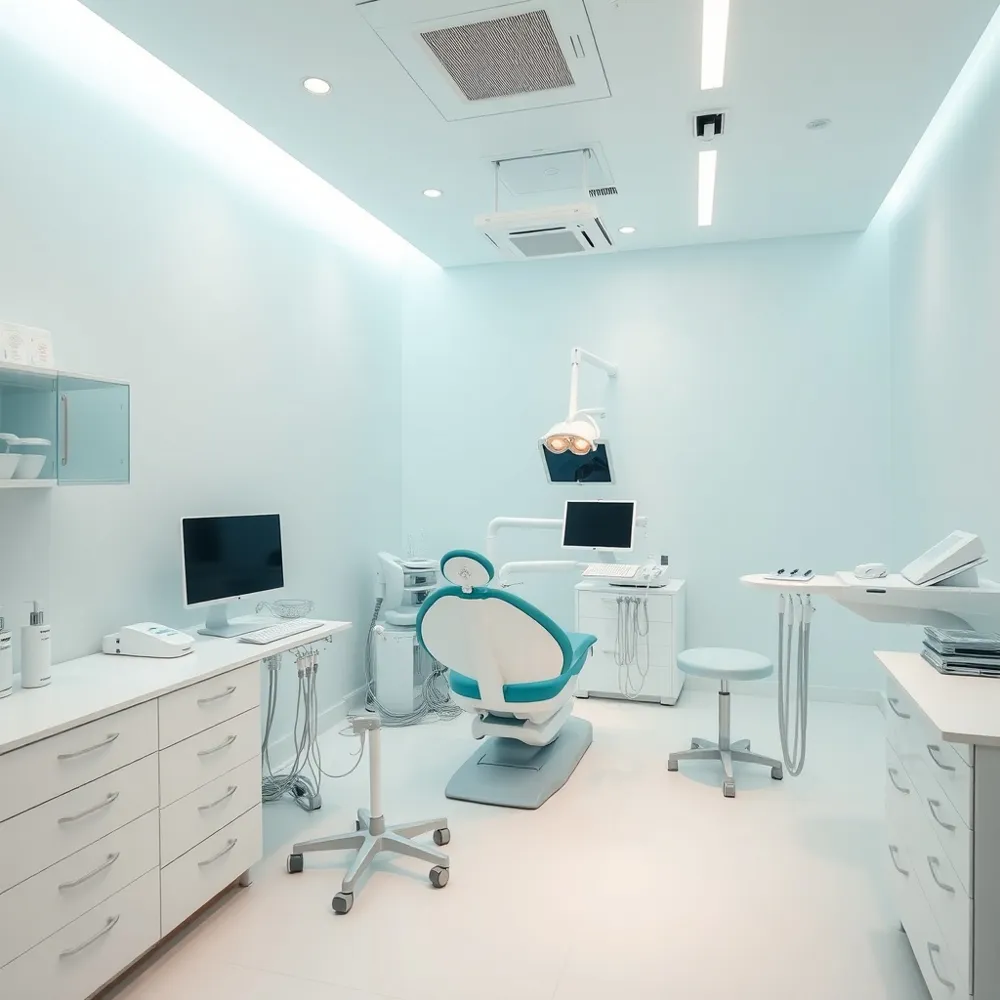 At Best Choice Dental, we prioritize your comfort throughout the dental crown process, which typically begins with preparing your tooth by removing a small amount of enamel to ensure a secure, natural fit. Next, we take precise impressions of your tooth, which serve as a model for our lab to create your custom-made, durable crown. While your permanent restoration is being crafted, we provide you with a temporary crown to protect the affected area. During your final visit, we remove the temporary crown and carefully bond your permanent one to your tooth, ensuring it blends seamlessly with your smile. Our professional team is dedicated to providing personalized care at every stage, so you can feel confident and comfortable in the health and appearance of your teeth.
Ensuring Longevity Through Precision
The success of any indirect restoration, such as a porcelain or zirconia crown, relies heavily on specific clinical protocols. Once the custom restoration is ready, we perform a final fitting to verify marginal integrity and contact points. Surface treatments are a critical component of this phase, as proper polishing and glazing are essential for all ceramic types to reduce surface roughness, improve fracture resistance, and minimize plaque accumulation.
Adhesion techniques vary by material. While some options like lithium disilicate require specific etching steps, zirconia restorations often benefit from specialized bonding procedures to ensure long-term stability. By following these evidence-based steps, we help protect your natural tooth structure and avoid the need for repetitive procedures down the road, ensuring your results are as long-lasting as they are beautiful.
Committing to Your Long-Term Oral Health
Every restoration, whether a dental filling or a permanent crown, thrives on consistent professional oversight. Proper maintenance through daily hygiene and regular checkups significantly extends the functional life of your dental work.
At Best Choice Dental, we offer personalized consultations in Totowa to align your unique health goals with the right technology. Investing in high-quality restorative care is a lasting commitment to your comfort and the future of your smile.