Understanding Minimally Invasive Restorative Dentistry
Minimally invasive dentistry (MID) centers on preserving healthy tooth structure while delivering functional and aesthetic results. Its core principles include early detection with imaging, selective removal of only diseased tissue, and the use of adhesive, fluoride‑releasing materials that bond to enamel and dentin. Benefits for patients are clear: less drilling means lower pain and anxiety, reduced postoperative sensitivity, shorter chair time, and higher long‑term tooth strength. In our Totowa practice we combine these principles with tools such as intra‑oral scanners, CAD/CAM milling, laser‑assisted cavity preparation, and air‑abrasion to create conservative restorations—composite fillings, inlays, onlays, and minimally prepared crowns—tailored to each smile. The result is a comfortable experience that protects natural teeth and enhances confidence. We offer services like fluoride varnish and sealants, and educates patients habits to keep teeth healthy.
Core Principles and Techniques of MID
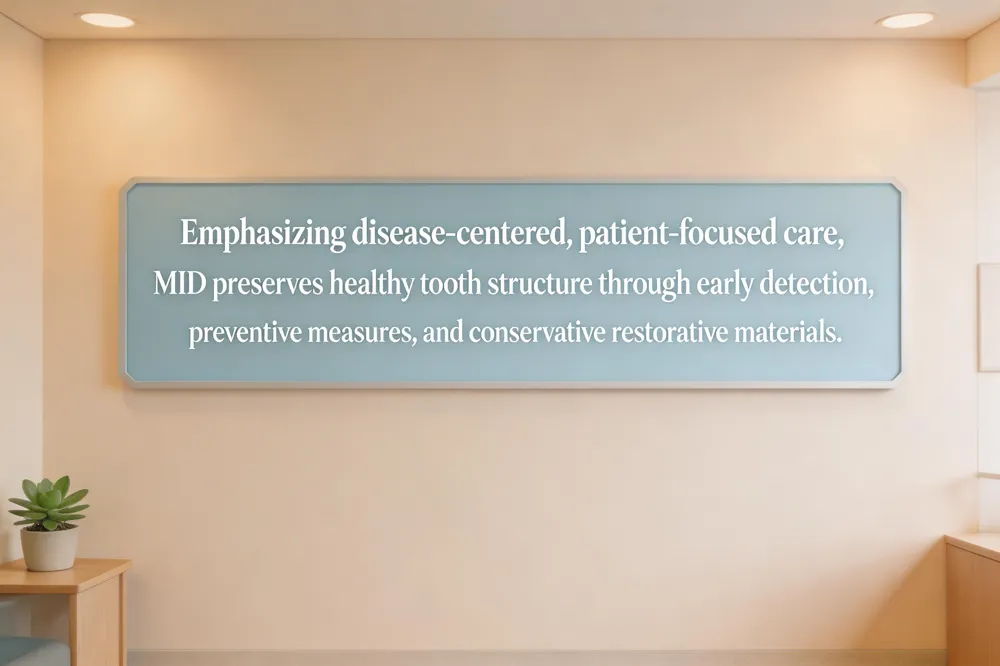 Minimally invasive dentistry (MID) is a disease‑centred, patient‑focused philosophy that strives to keep as much healthy tooth structure as possible. By detecting early enamel lesions with digital X‑rays, laser fluorescence and intra‑oral scanners, we can intervene with prevention—fluoride varnish, sealants, and resin infiltration—rather than drilling. When operative care is needed, only the soft, decayed enamel or dentin is removed, and the cavity is sealed with high‑quality adhesive materials such as nanohybrid composites, glass‑ionomer cements, or resin infiltrants. These bio‑compatible, bond‑based materials reinforce the tooth, mask discoloration, and release fluoride to protect remaining tissue. Techniques like microabrasion, air‑abrasion, laser‑assisted preparation, and CAD/CAM‑fabricated inlays/onlays enable precise, conservative restorations that preserve natural aesthetics and function. At our Totowa practice we combine these evidence‑based methods with advanced imaging and 3‑D printing to deliver personalized, comfortable care that reduces sensitivity, shortens chair time, and supports long‑term oral health.
Clinical Outcomes and Patient Benefits
 Recent advances in operative dentistry—driven by digital diagnostics, AI‑assisted imaging, intra‑oral scanning, CAD/CAM, and 3‑D printing—enable highly accurate caries detection and precise, minimally invasive treatment planning. Selective caries removal, resin infiltration, and bioactive composite materials preserve healthy enamel and dentin while delivering durable, aesthetic restorations. Long‑term clinical studies show that minimally invasive composite restorations achieve 80 %–95 % survival over 5–10 years, and ceramic inlays/onlays maintain approximately 90 % survival after a decade. Patients consistently report higher satisfaction because these techniques reduce postoperative sensitivity, shorten chair time, and preserve natural tooth appearance. The combined effect of advanced technology and tissue‑conserving protocols translates into predictable outcomes, enhanced comfort, and lasting oral health for individuals of all ages.
Totowa’s Family‑Oriented Dental Practices
 Totowa residents enjoy a wide selection of family‑focused dental offices that combine modern technology with gentle, personalized care. Best Choice Dental (418 Union Blvd) led by Dr. Richard J. Gryzmolowicz, DDS, offers preventive cleanings, composite fillings, crowns, bridges, implants, orthodontics and emergency services, using digital X‑rays and cone‑beam imaging for precise, minimally invasive treatment. Totowa Family Dental provides comprehensive care for all ages, emphasizing education, sealants, fluoride and restorative procedures in a multilingual, comfortable setting. Along Union Blvd, Dental Arts of Totowa (547 Union Blvd) under Dr. Zoya Mitelberg, DDS, delivers porcelain veneers, Invisalign, same‑day CAD/CAM crowns and advanced imaging while maintaining a patient‑first atmosphere. NÜVA Smile (195 Route 46 West) adds smile‑design options, whitening, and multilingual support, with flexible financing and 24/7 emergency access. Together, these practices prioritize tooth preservation, use minimally invasive techniques such as air abrasion and laser preparation, and ensure every family member receives compassionate, efficient dental care.
Pediatric MinInal Invasive Advances & Caries Management
 Advancements in minimally invasive techniques in pediatric dentistry: a review Recent innovations keep childhood dental care gentle and effective. Silver diamine fluoride (SDF) arrests early caries without drilling, while resin infiltration masks white‑spot lesions and reinforces porous enamel. The Hall technique crowns carious primary molars with pre‑formed stainless‑steel crowns, eliminating tooth preparation. Atraumatic restorative treatment (ART) and bioactive composites preserve healthy dentin and promote remineralization. Laser‑assisted cavity removal and laser‑activated disinfection provide precise, painless tissue removal, reducing the need for traditional drills. Artificial‑intelligence‑driven caries detection and 3‑D printed custom appliances enhance diagnostic accuracy and treatment planning, making pediatric care faster, more comfortable, and biologically conservative.
Minimally invasive caries management Early detection, guided by digital imaging and laser fluorescence, allows clinicians to intervene before lesions become cavitated. Preventive measures—fluoride varnish, fluoride‑rich toothpaste, and sealants—remineralize enamel. For non‑cavitated lesions, resin infiltration fills porous enamel, while Silver diamine fluoride (SDF) or povidone‑iodine arrests bacterial activity. Chemomechanical and Atraumatic restorative treatment (ART) techniques remove only softened, infected tissue, preserving pulp vitality. Emerging self‑assembling peptide therapies aim to regenerate enamel from within. Tailored recall schedules and education empower families to maintain oral health with fewer visits, reduced discomfort, and lower long‑term costs.
Financial Guidance, Insurance Coverage, and Treatment Costs
 At Best Choice Dental in Totowa, NJ we understand that cost and coverage are top concerns. Can you get veneers on Medicaid? Most Medicaid programs cover only medically necessary care, so porcelain veneers are usually excluded unless deemed essential after injury; private dental insurance or out‑of‑pocket payment is typically required. Does NJ FamilyCare cover root canals? Yes—root‑canal therapy is a covered benefit, though permanent teeth may need prior authorization. How do I fix my teeth if I don’t have money? Explore Medicaid, NJFamilyCare, CHIP, sliding‑scale community clinics, dental schools, or the Dental Lifeline Network; our office also offers flexible payment plans and can guide you to local resources. Front teeth restoration cost: Composite bonding ($150‑$400), porcelain veneers ($800‑$1,500), or crowns ($800‑$2,500) depending on material and case complexity. What does restorative dental treatment cover? It includes fillings, root‑canal therapy, crowns, bridges, dentures, and implants—procedures that repair or replace damaged teeth while preserving healthy structure. We provide transparent pricing, personalized treatment plans, and the latest minimally invasive technologies to keep your smile healthy and affordable.
The Future of Minimally Invasive Restorative Dentistry in Totowa
Totowa families are experiencing brighter smiles and healthier teeth thanks to minimally invasive dentistry (MID). By preserving healthy enamel and dentin, MID reduces postoperative sensitivity, shortens chair time, and delivers restorations that blend seamlessly with natural tooth color. Advanced tools such as digital radiography, intra‑oral scanners, 3‑D CBCT imaging, and laser‑assisted cavity detection enable clinicians at Best Choice Dental, NÜVA Smile, and Four Ever Smile™ to diagnose early lesions and plan ultra‑conservative treatments. These technologies support high‑survival composite, inlay, and onlay restorations while keeping costs predictable for patients. The community benefits from lower long‑term treatment expenses, fewer repeat procedures, and sustained oral function, reinforcing Totowa’s commitment to preventive, patient‑centered dental care.