Why Simple Daily Habits Matter for the Whole Family
Good oral health starts with simple habits that protect every family member. Brushing twice a day with a soft‑bristled toothbrush and fluoride toothpaste removes plaque, while daily flossing reaches the spaces a brush misses. An antimicrobial or fluoride mouthwash, regular water intake, and a diet low in sugary foods further reduce bacterial load and strengthen enamel. Consistent routines lead to fewer cavities, less gum disease, and lower risk of overall health problems over time. When the whole family follows these practices, Best Choice Dental in Totowa can focus on preventive care, cutting‑edge technology, and personalized, comfortable treatment for all ages.
Core Daily Practices for a Healthy Smile
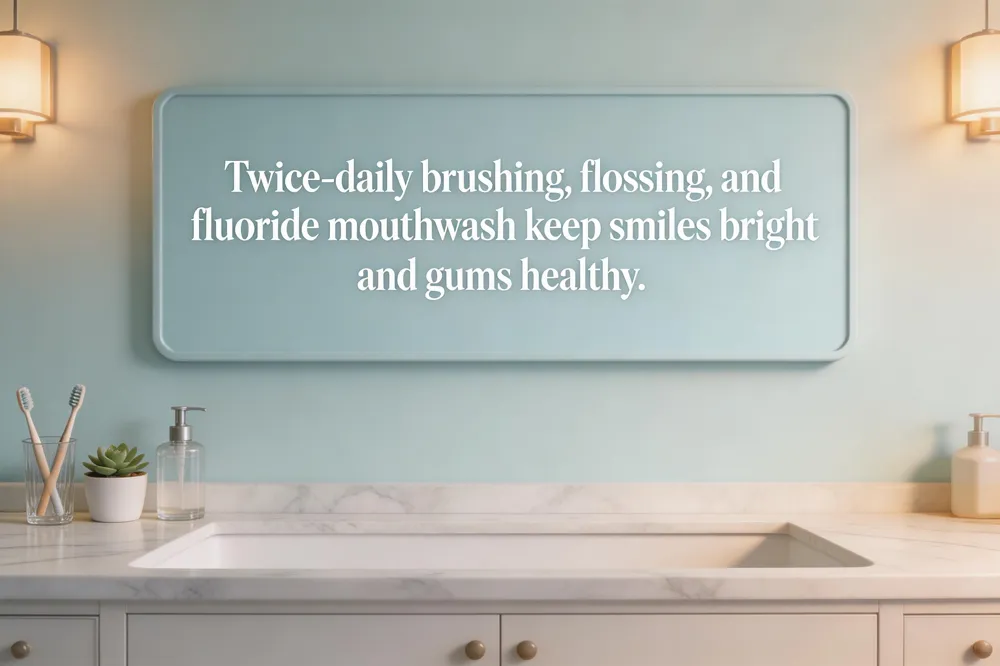 Daily habits important for oral hygiene – Brush twice a day with a soft‑bristled toothbrush, fluoride toothpaste, and a 45‑degree angle for a full two minutes. Floss daily to clean between teeth and along the gum line. Rinse with an antimicrobial or fluoride mouthwash, limit sugary snacks and drinks, stay well‑hydrated, and schedule regular check‑ups at Best Choice Dental.
2‑2‑2 rule for oral hygiene – Brush twice daily for two minutes, use a soft‑bristled brush with gentle circular motions, and see your dentist for a professional cleaning and exam twice a year. These three “twos” dramatically cut cavities, stains, and gum disease.
Five good oral habits – 1) Brush twice daily with fluoride toothpaste. 2) Floss or use interdental cleaners daily. 3) Limit sugary foods/drinks and choose water or dairy. 4) Visit the dentist regularly for cleanings and exams. 5) Finish with an antimicrobial or fluoride mouthwash.
10 ways to keep your teeth healthy – Brush and replace your brush every 3‑4 months, floss or water‑floss daily, limit acidic foods, stay hydrated, chew sugar‑free gum, eat calcium‑rich foods, avoid tobacco, wear a night guard if needed, and keep bi‑annual dental visits.
Benefits of oral hygiene – Consistent care prevents plaque, cavities, and gum disease, freshens breath, reduces systemic inflammation linked to heart disease and diabetes, and lowers long‑term dental costs while supporting overall well‑being for the whole family.
Building Strong Oral Health Foundations for Children
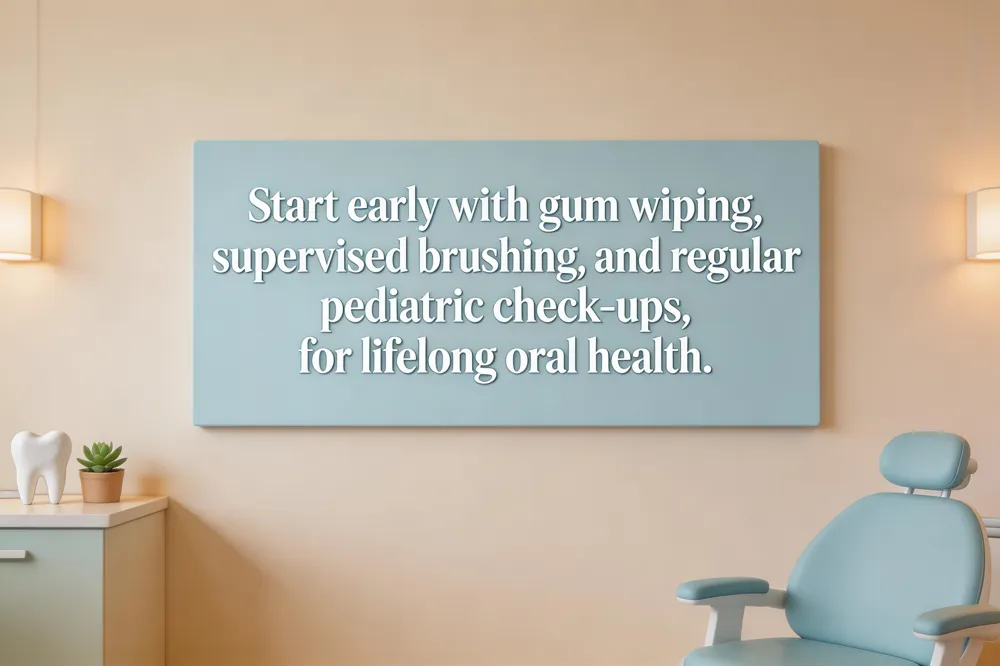 A comprehensive child dental health guide starts with early oral care—wipe your baby’s gums after each feeding and begin brushing with a soft‑bristled toothbrush as soon as the first tooth appears, brushing twice daily under adult supervision. Offer water and fluoridated milk, avoid sugary bottles or juice, and switch to a training cup by 12‑24 months to limit sugar exposure. Supervise brushing until age 6, using gentle circular motions and a pea‑sized amount of fluoride toothpaste; introduce flossing when teeth touch. Schedule the first dental visit by the child's first birthday and maintain six‑month check‑ups for sealants, fluoride varnish, and early cavity detection. Encourage a diet rich in dairy, fruits, vegetables, and calcium‑dense foods while limiting sugary snacks and acidic drinks; water waterintidid plaque saliva aids,wash acrossremant Dental ABA family practice in Totowa offers pediatric services, orthodontics, and preventive care, using modern technology and a friendly, personalized approach to keep every smile healthy for life.
Choosing and Affording Family‑Oriented Dental Care in New Jersey
 Are family dentists more expensive?
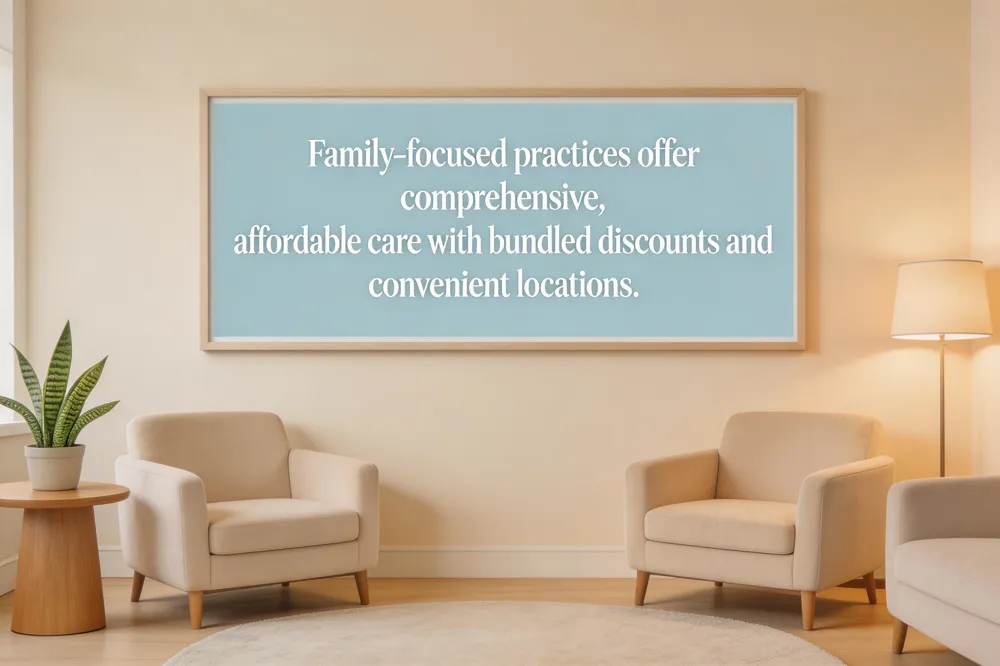
Family dentists charge rates comparable to general dentists for cleanings, exams, and basic work. The added convenience of one‑stop care for all ages often saves travel time and may include bundled family‑plan discounts, making overall costs lower than seeing multiple specialists.
Are family dentists more expensive?
Family dentists charge rates comparable to general dentists for cleanings, exams, and basic work. The added convenience of one‑stop care for all ages often saves travel time and may include bundled family‑plan discounts, making overall costs lower than seeing multiple specialists.
Dentists in New Jersey New Jersey offers a robust network of licensed providers—from general and family practices to orthodontists, endodontists, and oral surgeons. Online directories let you filter by county, insurance, and language. Totowa and nearby towns boast top‑rated clinicians with clean disciplinary records, ensuring high‑quality, affordable care.
Best dentist in Newton, NJ Dr. Marlayna Best, DMD at Best Dental Care NJ (40 Park Pl, Suite 108) is highly rated for gentle, comprehensive treatment. Services span routine cleanings, digital X‑rays, Invisalign, implants, and crowns, all under one roof for family convenience.
NJ Magazine top dentists The annual “Top Dentists” list highlights over 600 practitioners. In the Totowa area, Dr. Sarah H. Kim and Dr. James R. O’Leary are recognized for excellence in general and cosmetic dentistry, reflecting the region’s strong talent pool.
Types of oral hygiene Mechanical hygiene (brushing with fluoride toothpaste and flossing), chemical hygiene (antimicrobial or fluoride mouthwash, sealants), and professional hygiene (bi cleanings, scaling) work together to prevent cavities and gum disease.
NJ dentist near me Best Choice Dental in Totowa provides family‑oriented general, cosmetic, and preventive care. Nearby options include Riverdale Dental, Oak Ridge Dental, and Eastern Dental Clifton, all within a short drive.
Best dentist in New Jersey Best Choice Dental in Totowa is widely considered a top family practice, offering modern technology, personalized comfort, and a full suite of services for patients of all ages.
Best dentist in Ocean County NJ Ocean Dental Associates (Toms River) and Cedar Bridge Dental Associates (Brick) lead with high patient ratings and comprehensive family services.
Best cosmetic dentist in NJ Dr. Todd Goldstein at The Smile Aesthetic (Red Bank) and Dr. Edward DeFabio (Lincroft) are celebrated for natural‑looking veneers and smile makeovers.
Best implant dentist in New Jersey Dr. Michael L. Patel at the Totowa Implant Center (affiliated with Best Choice Dental) offers advanced digital planning, minimally invasive surgery, and flexible financing for lasting, natural restorations.
Practical Home‑Based Oral‑Care Tips for the Whole Family
 Water intake, diet, and sugar control
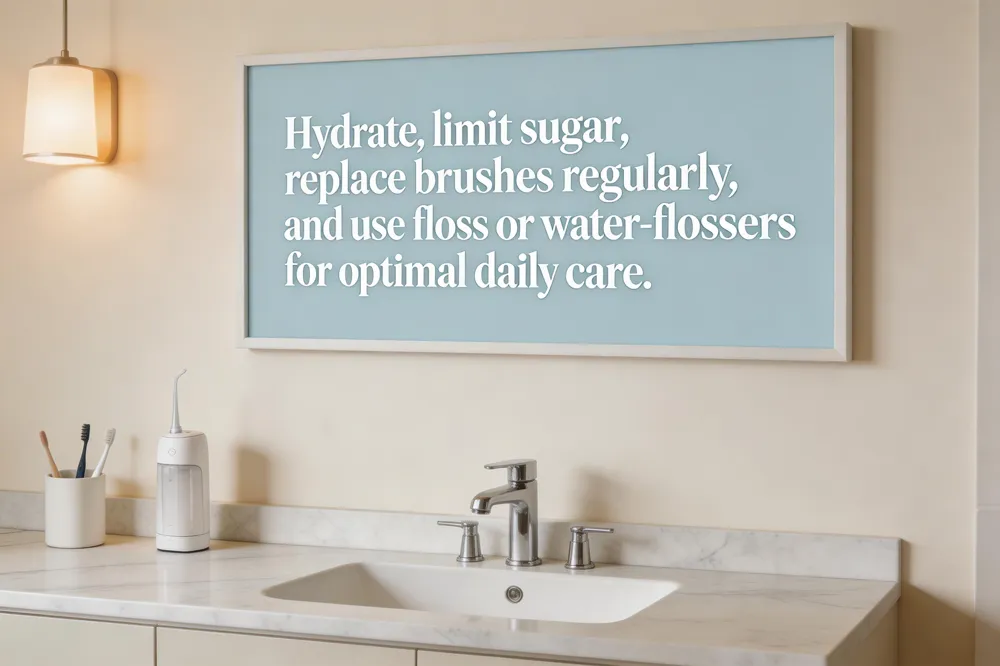
Drinking water throughout the day helps rinse away food particles and neutralize acidic conditions that erode enamel.
A diet rich in fruits, vegetables, lean proteins, and calcium supports strong teeth and gums, while crunchy foods like apples and carrots can naturally clean tooth surfaces.
Limiting sugary snacks and beverages reduces the substrate for acid‑producing bacteria, decreasing the likelihood of dental caries.
Toothbrush and head replacement schedule
Brushing teeth twice a day with fluoride toothpaste reduces plaque buildup and prevents cavities.
Replacing a toothbrush or electric brush head every three to four months, or sooner when bristles are frayed, ensures effective cleaning.
Night guards, mouthwash, and sugar‑free gum
Wearing a custom night guard for teeth grinding or clenching protects enamel from wear and can prevent temporomandibular joint (TMJ) discomfort.
Using an antimicrobial or fluoride mouthwash can lower bacterial load, strengthen enamel, and freshen breath.
Chewing sugar‑free gum after meals stimulates saliva, which neutralizes acids and helps remineralize teeth.
Water flossers and interdental cleaners
Daily flossing reaches the spaces between teeth that a toothbrush cannot, helping to prevent interproximal decay and gum inflammation.
Water flossers can remove large food debris but do not replace traditional dental floss for biofilm removal between teeth.
Oral health tips for adults
Brushing teeth twice a day with fluoride toothpaste removes plaque and prevents cavities and gum disease.
Tobacco use is linked to increased risk of gum disease, tooth discoloration, and oral cancers, making cessation important for oral health.
Regular dental check‑ups and professional cleanings every six months allow early detection of problems and professional removal of plaque and tartar.
Kids oral care products
Flossing once daily removes food particles and biofilm from between teeth where a toothbrush cannot reach, reducing the risk of decay and gingivitis.
Using an alcohol‑free antibacterial mouthwash daily helps reduce plaque and oral bacterial loads without causing dry mouth.
Supervise children’s brushing until age 6‑8
Teeth care tips at home
Brushing teeth twice a day with fluoride toothpaste removes plaque and prevents cavities and gum disease.
Replacing a toothbrush or electric brush head every three to four months, or sooner when bristles become frayed, ensures effective cleaning.
Daily flossing reaches the spaces between teeth that a toothbrush cannot, helping to prevent interproximal decay and gum inflammation.
Using an antimicrobial or fluoride mouthwash can lower bacterial load, strengthen enamel, and freshen breath.
Limiting sugary snacks and beverages reduces the substrate for acid‑producing bacteria, decreasing the likelihood of dental caries.
Drinking water throughout the day helps rinse away food particles and neutralize acidic conditions that erode enamel.
Chewing sugar‑free gum after meals stimulates saliva, which neutralizes acids and helps remineralize teeth.
3‑3‑3 rule for teeth
Brushing teeth twice a day with fluoride toothpaste for at least two minutes helps remove plaque and prevents cavities.
Oral care definition
Poor oral health has been linked to systemic conditions such as cardiovascular disease, stroke, endocarditis, pneumonia, and adverse pregnancy outcomes.
Oral health is integral to overall health and well‑being, per WHO
Putting It All Together for a Healthier Family Smile
Start each day with two‑minute brushing using a soft‑bristled, fluoride‑treated brush, floss nightly, and rinse with an alcohol‑free antibacterial mouthwash. Keep hydrated with water, choose a calcium‑rich diet, limit sugary snacks, and replace toothbrushes every three months. Over time these habits lower cavities, protect gums, and support overall health for both children and adults. Visit Best Choice Dental in Totowa for personalized preventive care, modern technology, and a comfortable family‑focused experience for your smile.